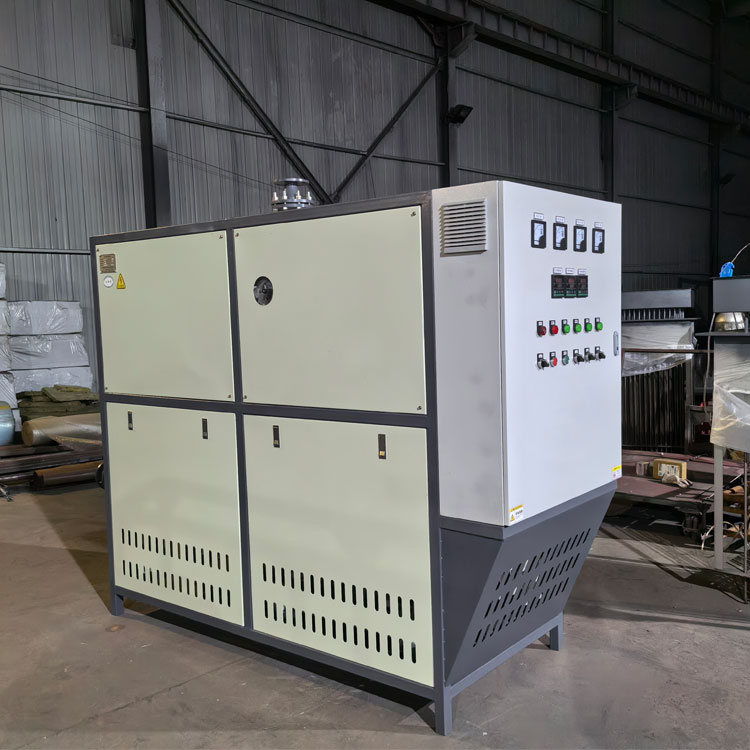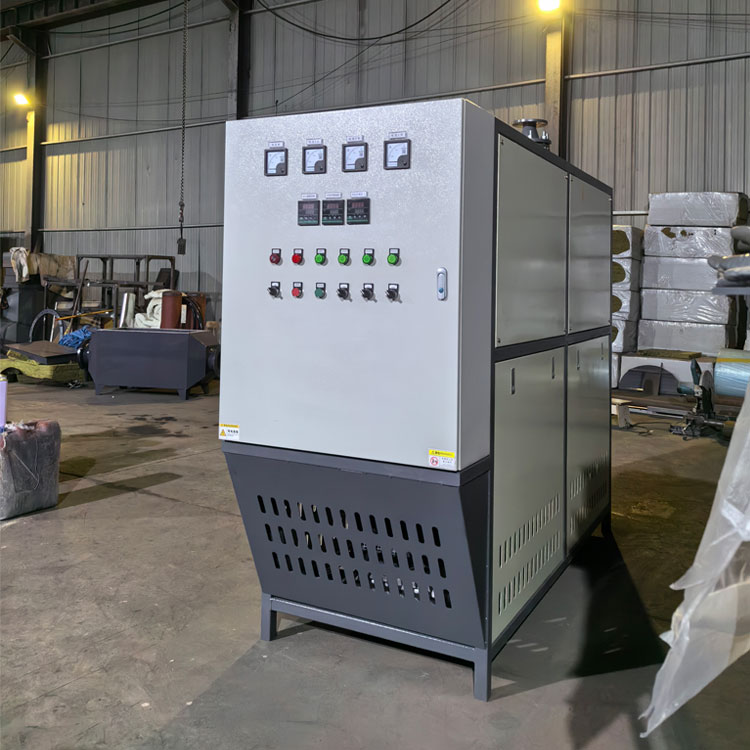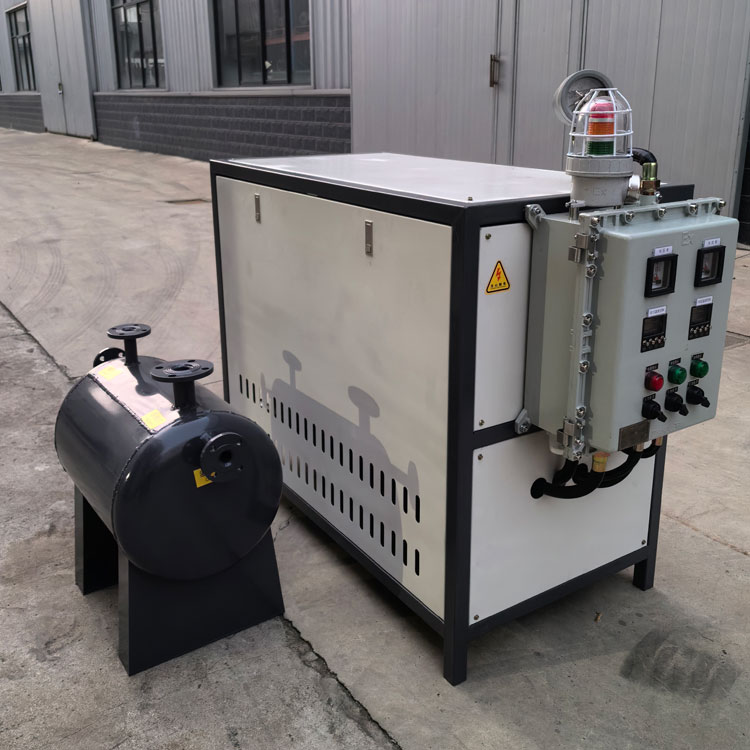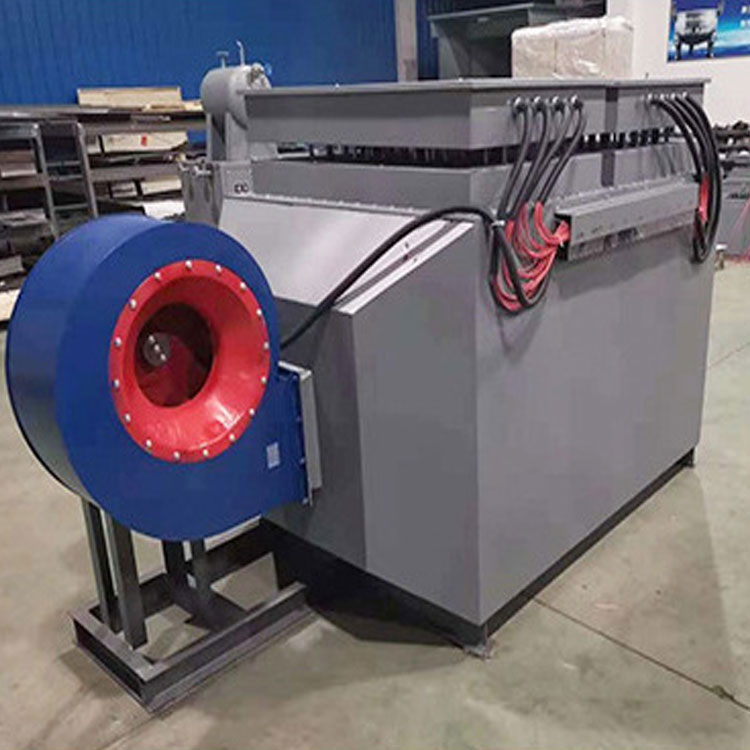

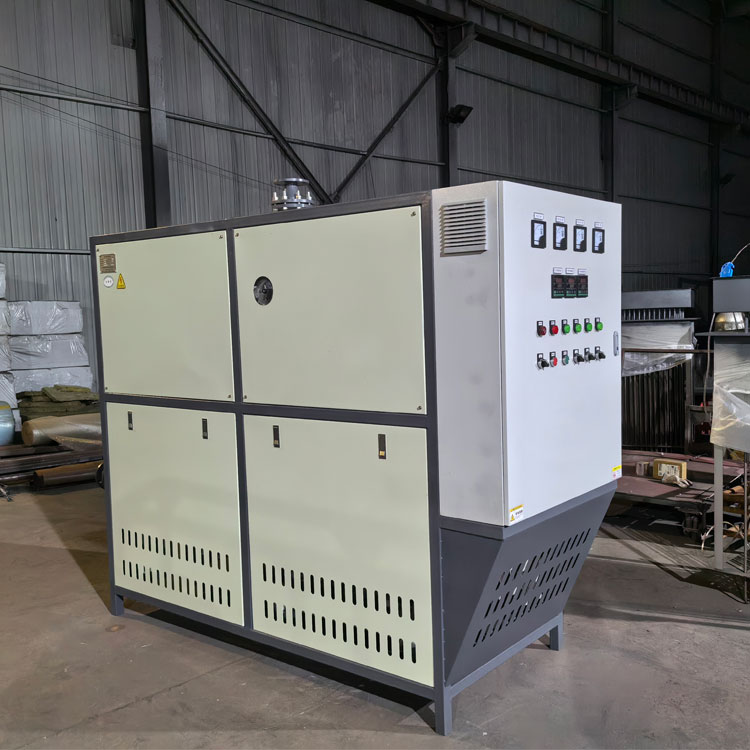

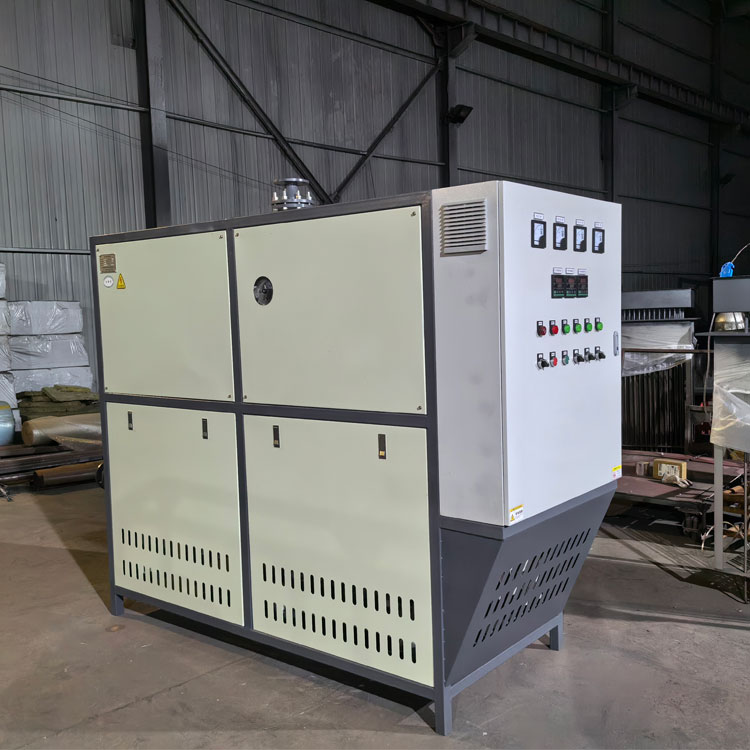
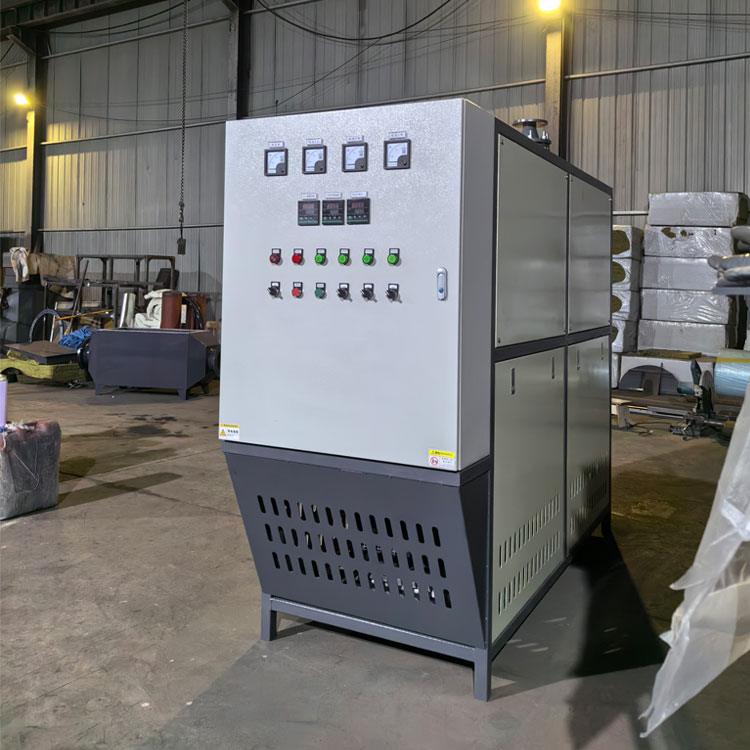











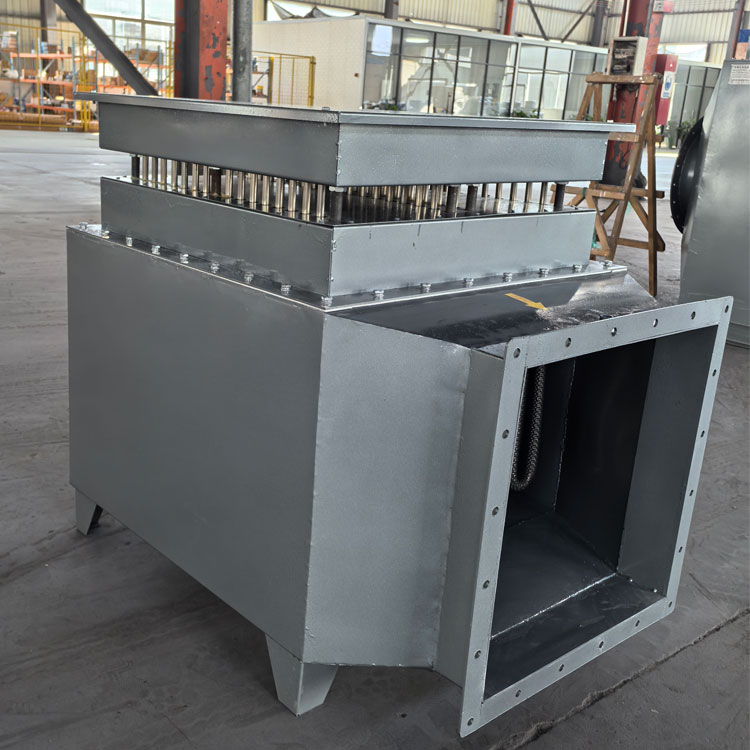
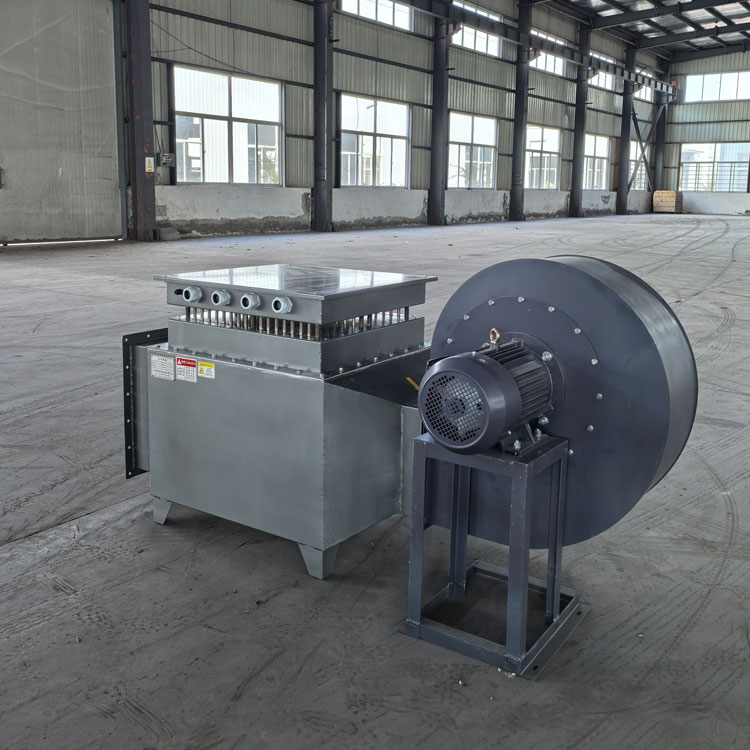
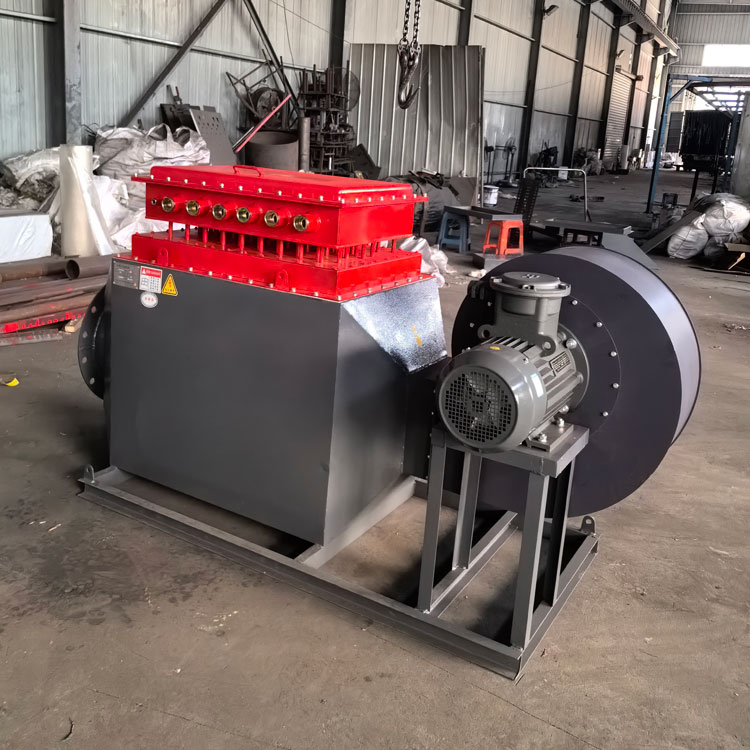
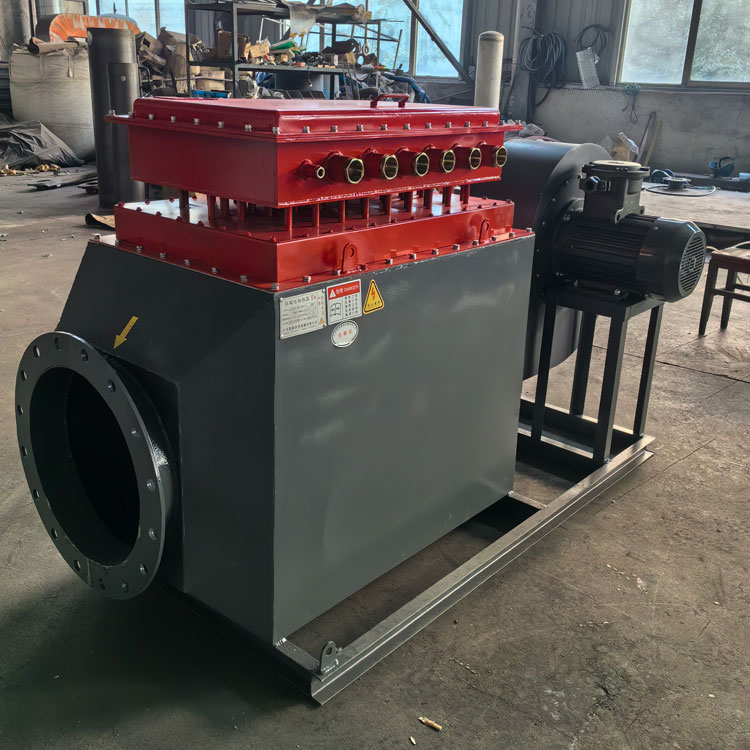
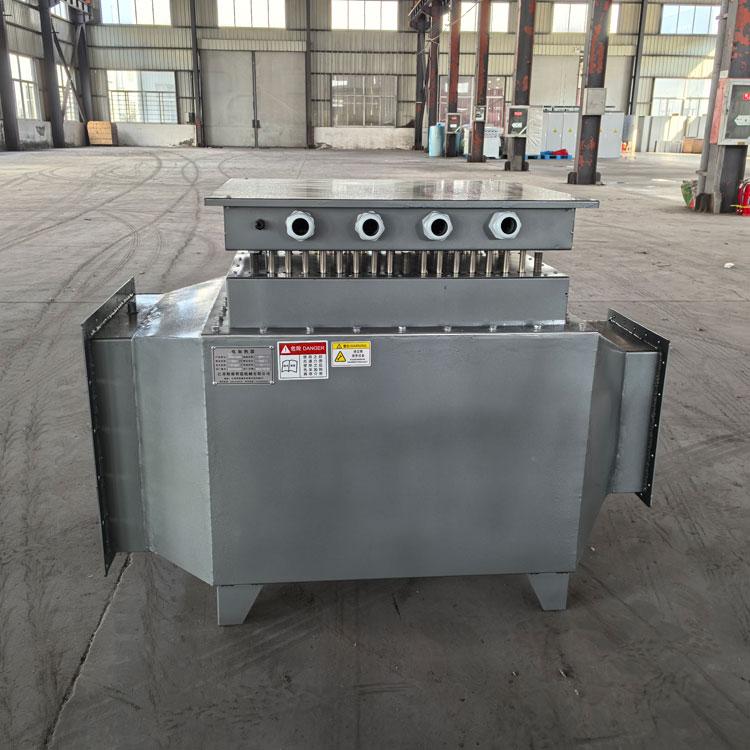
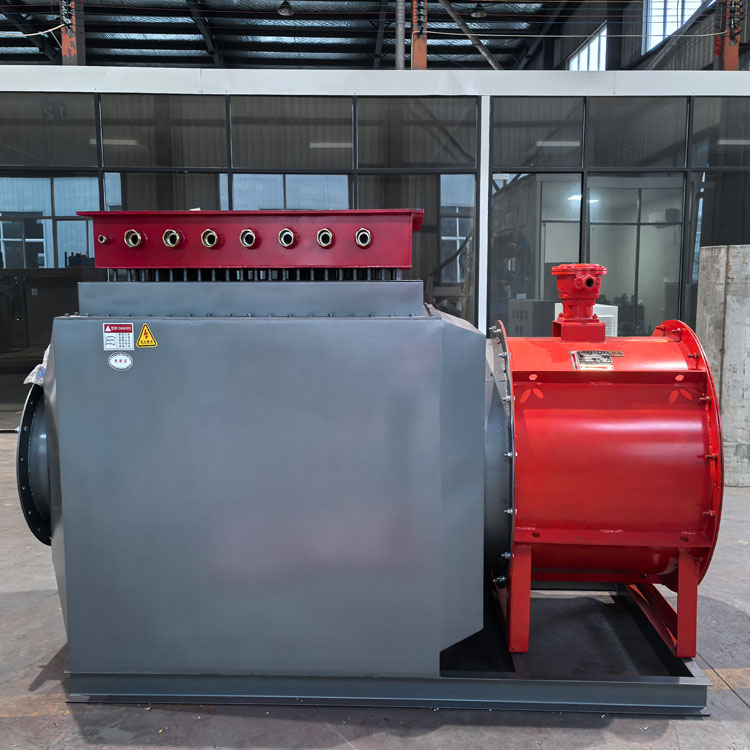
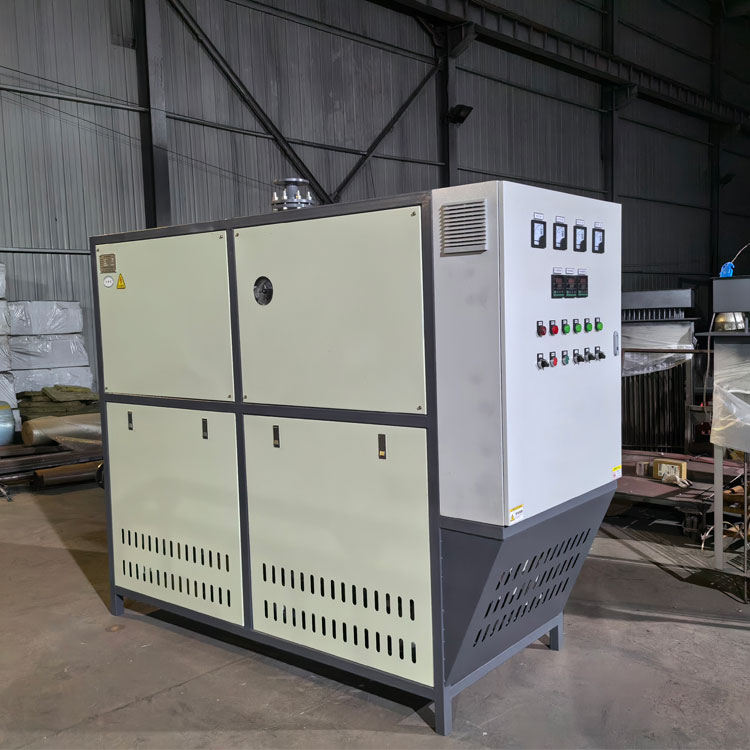
Organic thermal carrier furnace, also known as a thermal oil furnace, is an efficient thermal energy equipment. Below is a detailed analysis of it:
I. Definition and Working Principle
An organic heat carrier furnace is a special industrial furnace that operates using coal, oil, natural gas, or electricity as fuel. It employs a heat-conducting oil as the heat carrier and utilizes a circulating oil pump to force a closed-loop liquid-phase circulation. After transferring heat to the heat-consuming equipment, the heated oil returns to the pipe for reheating. Its working principle mainly involves transferring the high-temperature flue gas produced by fuel combustion to the heat-conducting oil, which then heats up. The heated oil is then pumped by the circulating pump to the heat-consuming equipment, thus achieving the transfer and utilization of heat energy.
Part Two: Structure and Composition
The Organic Heat Carrier Boiler is composed mainly of the combustion system, heat transfer system, control system, and auxiliary system. The combustion system is responsible for the combustion of fuel and the generation of high-temperature flue gases; the heat transfer system includes thermal oil and circulating pumps, which transfer the heat energy from the high-temperature flue gases to the thermal oil, and then deliver the heated thermal oil to the heating equipment via the circulating pump; the control system monitors and adjusts the parameters such as temperature and pressure inside the boiler to ensure stable operation of the equipment; the auxiliary system includes water treatment equipment and ventilation equipment, which ensure the normal operation of the equipment.
III. Technical Features
High Temperature, Low Pressure: The organic heat carrier boiler operates at higher temperatures, typically above 300℃, but with relatively low pressure, which ensures more stable and safe operation.
High thermal efficiency: Heat transfer oil, as a heat carrier, boasts excellent thermal conductivity and chemical stability, enabling stable operation at higher temperatures with high heat transfer efficiency.
Excellent environmental performance: The fuel combustion in the organic heat carrier boiler is complete, with minimal flue gas emissions. Moreover, harmful substances in the flue gas can be further reduced through technologies like desulfurization and denitrification, meeting environmental requirements.
Operation Easy: The organic heat carrier furnace is relatively easy to operate, with high automation, and can be remotely monitored and adjusted via the control system.
Section 4: Application Fields
Organic heat carrier boilers are widely used in industrial sectors such as chemicals, light industry, electricity, textiles, dyeing and printing, and building materials, for applications like atmosphere furnace drying, fiber dyeing, printing dehydration, leather drying, Blue Flag air drying, food machinery, and plastic processing. Moreover, due to their environmental-friendly, efficient, and safe features, they are also employed in civil heating and hot water supply.