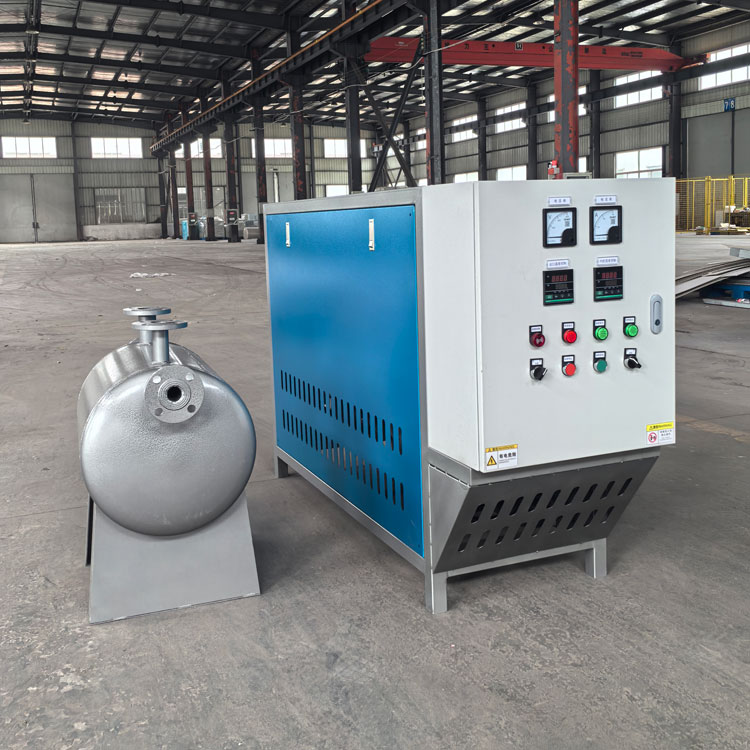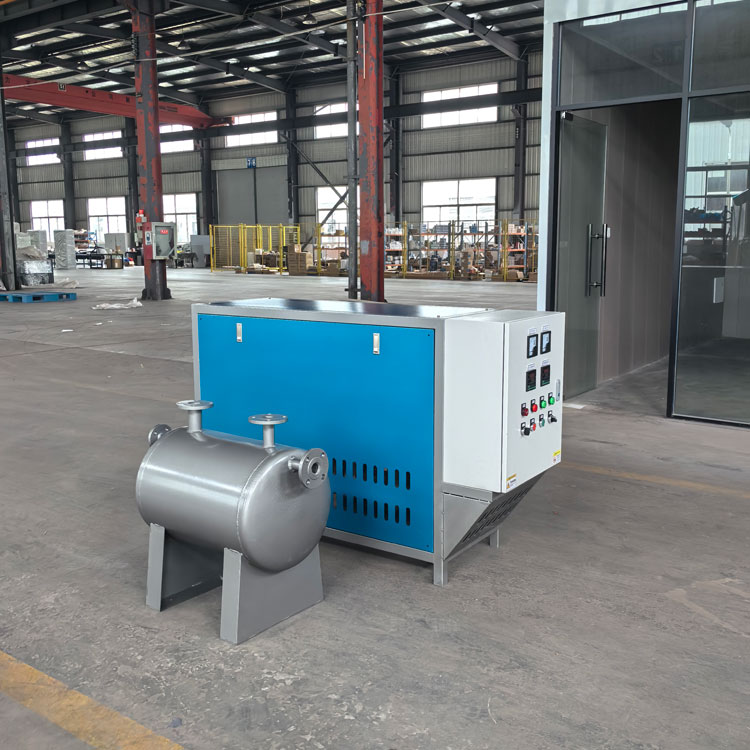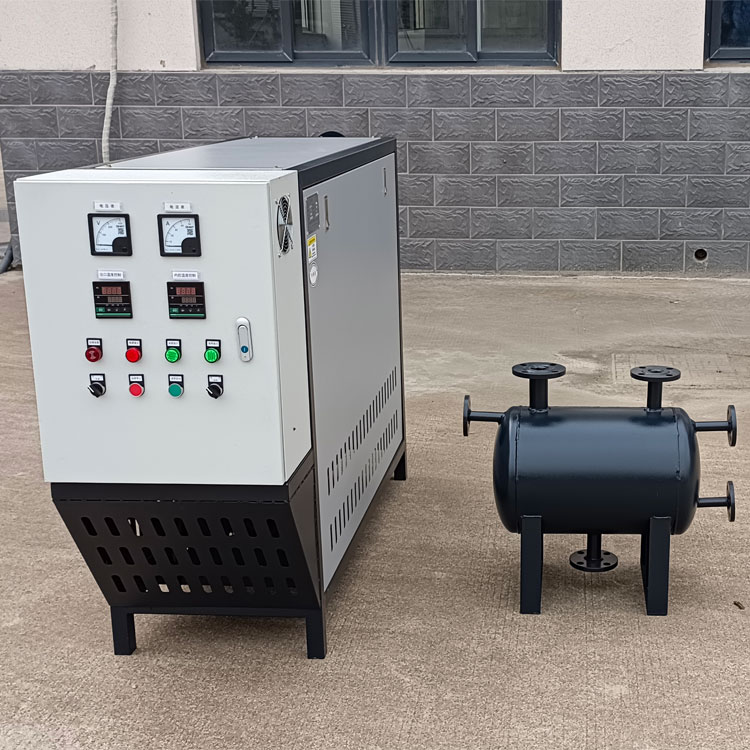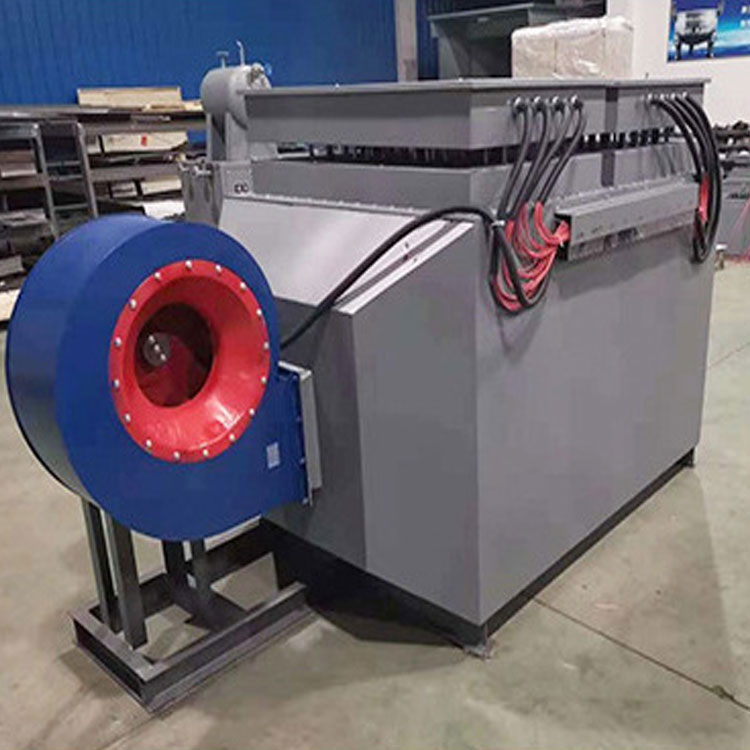

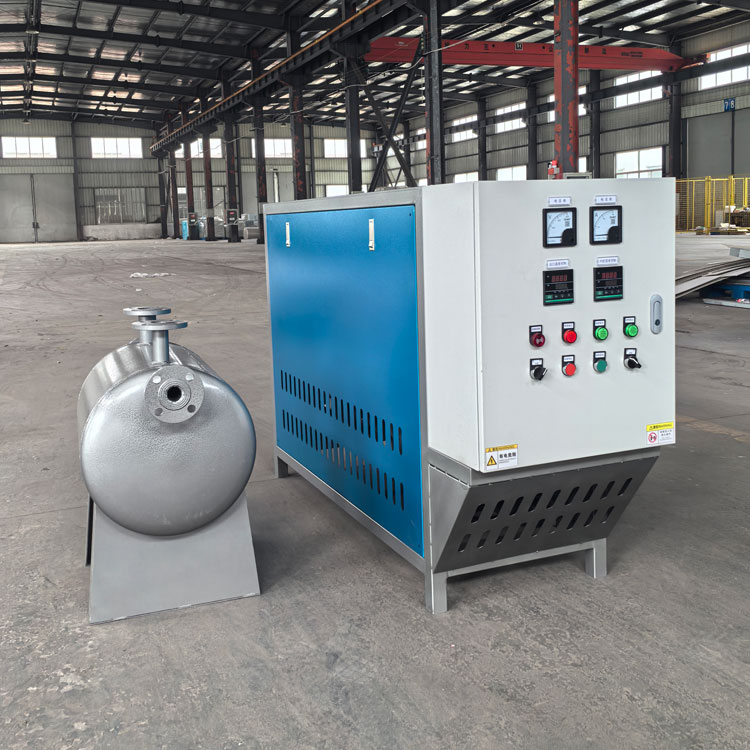

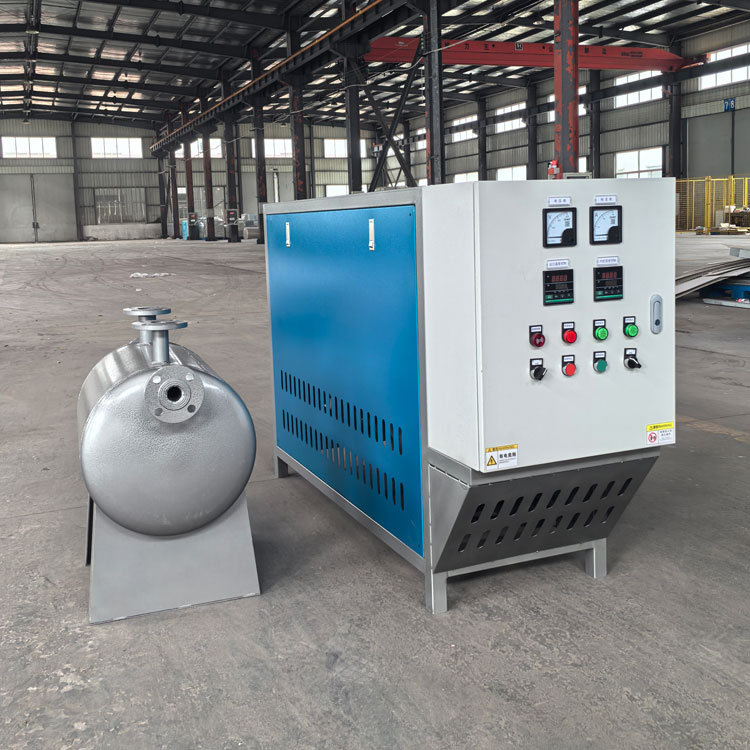
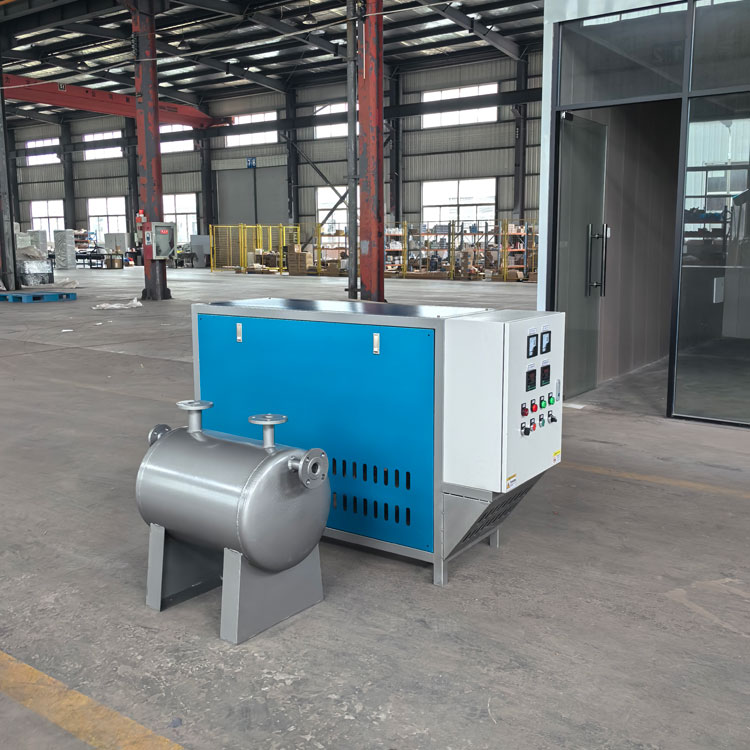
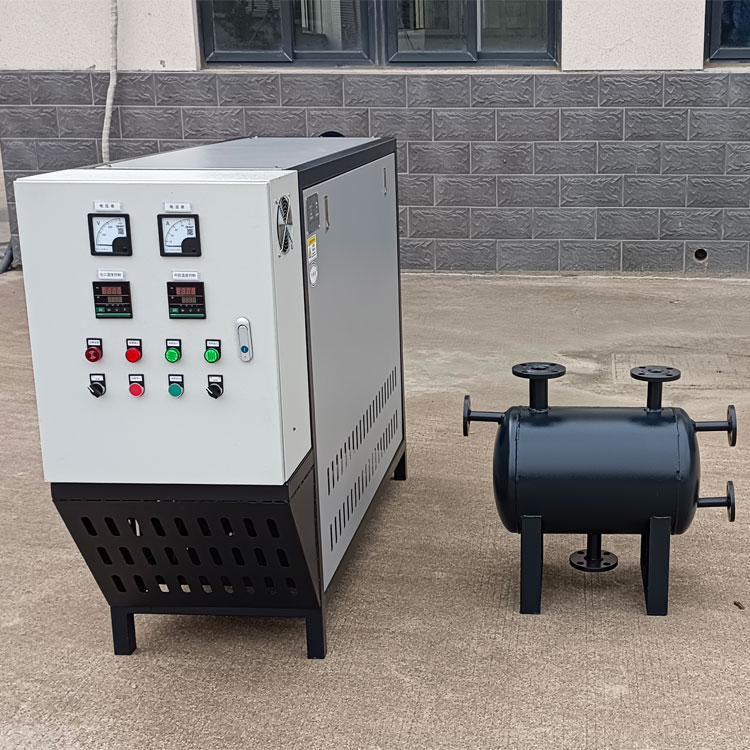











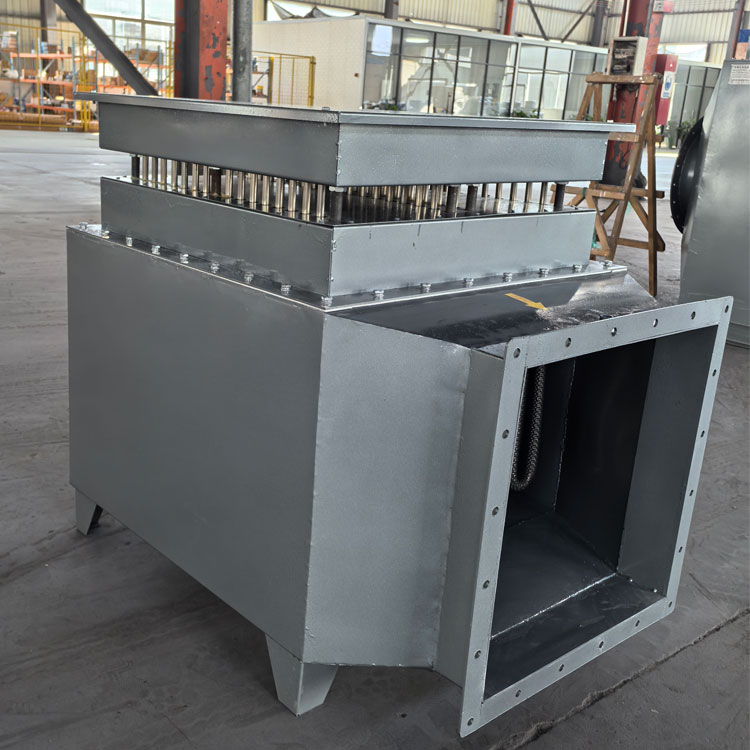
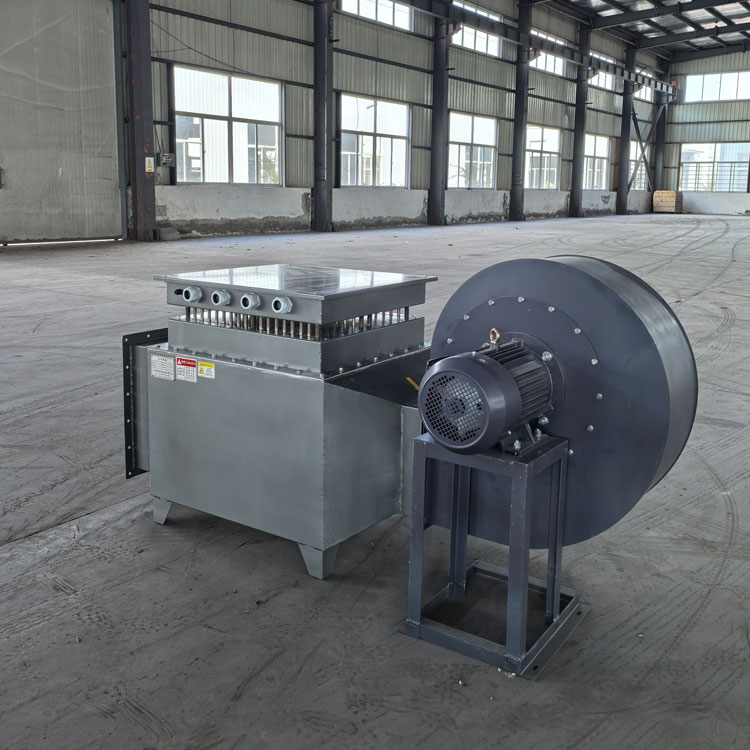
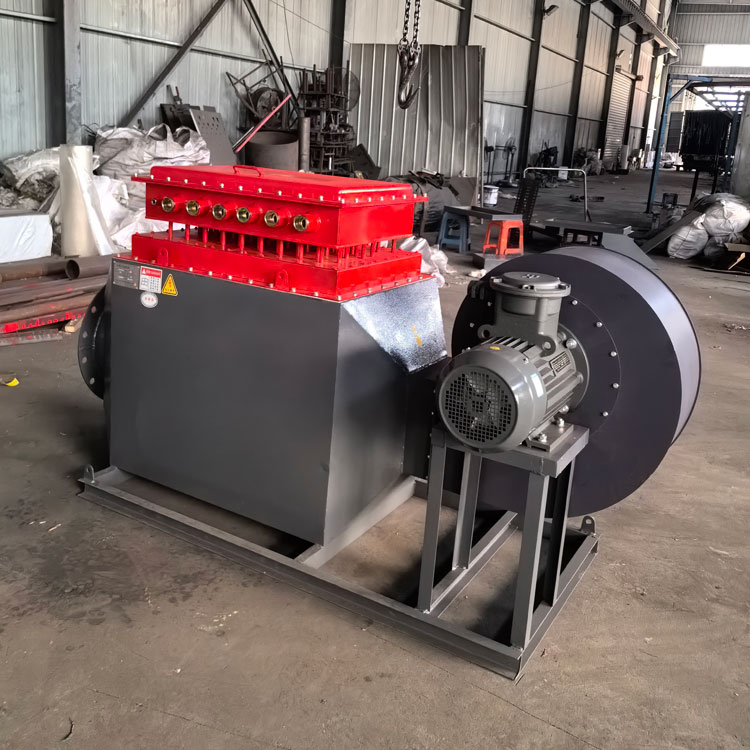
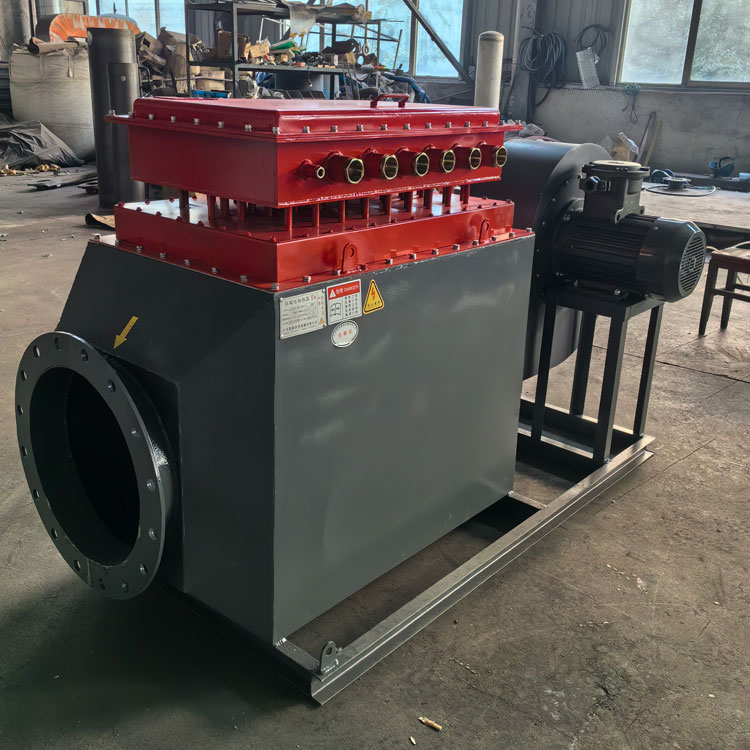
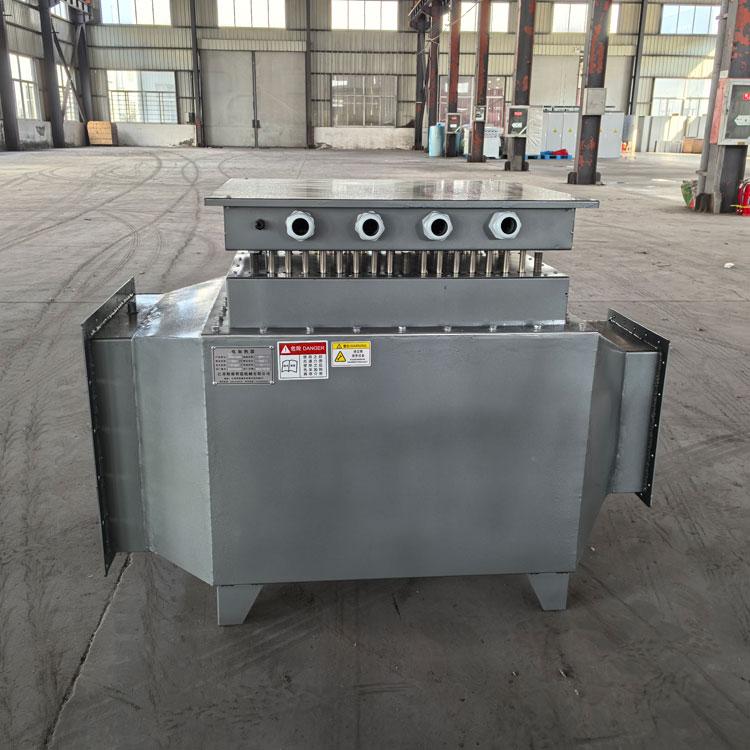
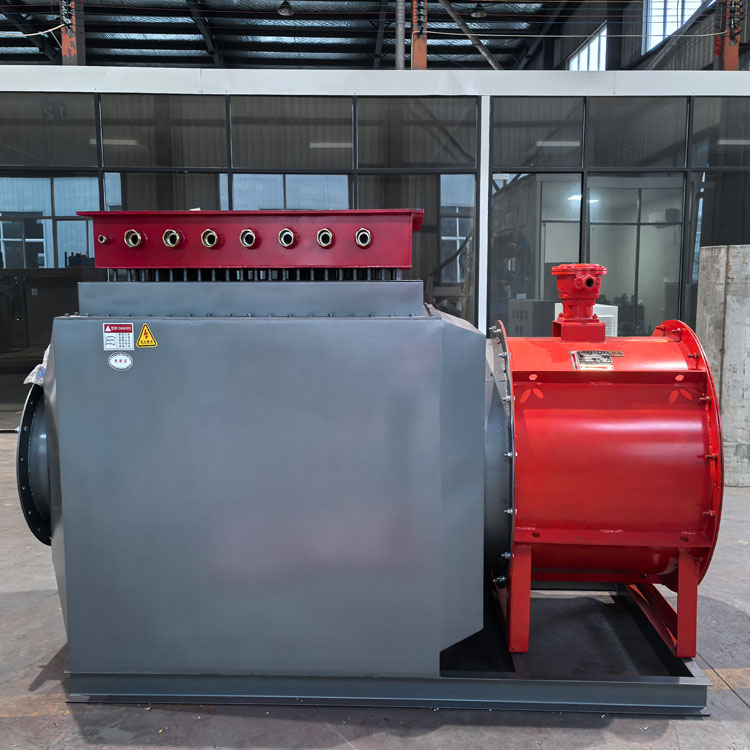
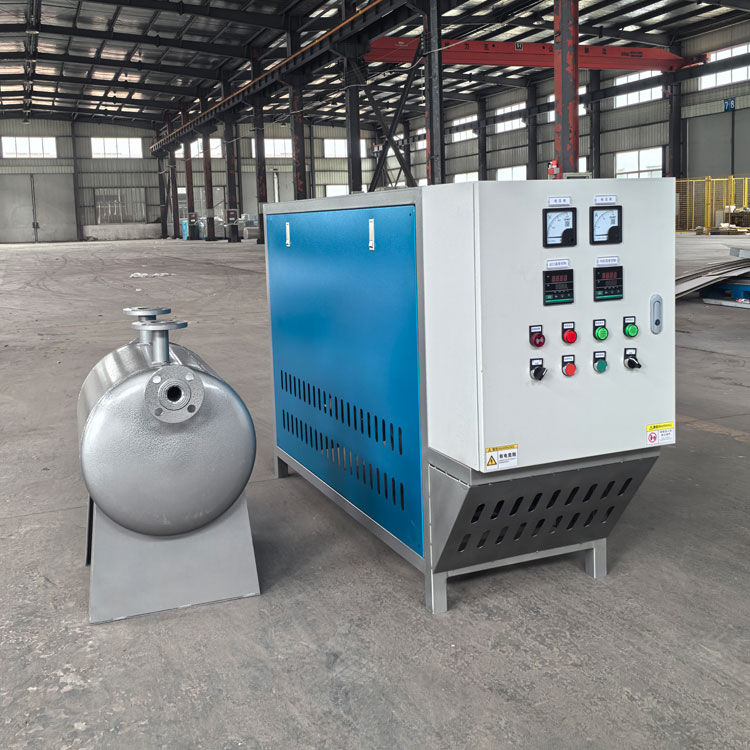
A thermal oil furnace is an efficient heat energy equipment. Below is a detailed explanation of it:
I. Definition and Working Principle
Thermal oil furnace, also known as an organic heat carrier furnace or hot oil furnace, is a new type of thermal energy equipment that uses coal, oil, or gas as fuel and thermal oil as the circulating medium for heating. Its working principle involves burning fuel to produce high-temperature flue gas, which heats
The gas is transferred to the heat transfer oil for heating, and then the heated heat transfer oil is transported through pipes to the equipment or process requiring heating, for effective heat transfer.
Part II: Structure and Composition
Basic components of a thermal oil furnace include burners, flue gas ducts, thermal oil circulation systems, and heating equipment. The burners are responsible for fuel combustion and the generation of high-temperature flue gases; the flue gas ducts convey the high-temperature flue gases to
Thermal oil is used for heat exchange; the thermal oil circulation system is responsible for transporting the heated thermal oil to the heat-using equipment, and then returning to the electric thermal oil furnace for reheating through the outlet of the heat-using equipment, forming a complete circulation heating system; heating
Equipment is a device or process that heats using thermal oil to transfer heat energy.
III. Technical Features
High Temperature Low Pressure: The working temperature of a thermal oil furnace is generally high, often above 200°C, while the working pressure is relatively low, which ensures smoother and safer operation.
High temperature control accuracy: The thermal oil furnace uses a digital temperature controller for precise temperature control, featuring over-temperature, low oil level, and over-pressure alarms, enabling accurate temperature control.
Fast heating speed: The thermal oil furnace heats up quickly, capable of reaching the required temperature in a short time, thereby enhancing production efficiency.
High thermal efficiency: As a heat transfer medium, thermal oil boasts excellent thermal conductivity and chemical stability, allowing for stable operation at higher temperatures with high heat transfer efficiency.
Section 4: Application Fields
Thermal oil heaters are widely used in various industries, including but not limited to:
Building Materials Industry: Used for drying gypsum boards, protecting concrete components during curing and precast production, tile molding, drying of decorative materials, and heating for asphalt felt production lines.
Road Construction: Used for asphalt heating, dissolution, asphalt storage tanks, asphalt concrete, and thermal insulation for emulsified asphalt.
Metallurgy, machining, and casting industry: Used for metal degreasing tanks, Dewar flasks, pickling tanks, cleaning tanks, electroplating tanks, Lüyang board oxidation tanks, electrode manufacturing, shower heat treatment equipment, phosphate treatment equipment, baking machines
Room, sand core drying, clear paint spraying and drying, assembly treatment equipment heating, etc.
Food Industry: Used for bread baking equipment, biscuit baking equipment, candy production equipment, grain drying equipment, oil extraction and refining equipment for edible oils, distillation pots, autoclaves, and heating for conveyor belt dryers.
。
Additionally, thermal oil furnaces can be used in various fields such as water heaters, hot water generators, steam generators, radiators, and in the soap and detergent, tar processing, and laundry heating industries.