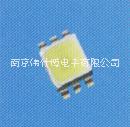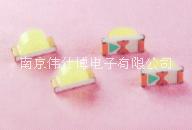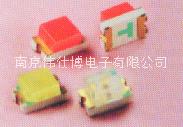







Nanjing LED SMD Light Production, Supply, Wholesale Prices, Who Offers the Best Deals [Nanjing Weishibo Electronic Co., Ltd.] 1. Brightness - LED brightness varies, so does the price. LEDs for lighting should meet Class 1 laser standards. 2. Anti-static Ability - LEDs with strong anti-static ability have longer lifespans, hence higher prices. Typically, LEDs with anti-static greater than 700V are suitable for LED lighting. 3. Wavelength - LEDs with consistent wavelengths have consistent colors; if uniform color is required, the price is higher. Manufacturers without a spectrophotometer for color separation find it difficult to produce pure-color products. 4. Leakage Current - LEDs are unidirectional conductive light sources; any reverse current is considered leakage. LEDs with high leakage current have shorter lifespans and lower prices. 5. Beam Angle - Different LED applications have different beam angles. Special beam angles command higher prices; for instance, full diffused angle LEDs are more expensive. 6. Lifespan - The key to different quality LEDs is their lifespan, which is determined by lumen depreciation. Lower depreciation means longer lifespan and higher prices. 7. Chip - The light source of LEDs is a chip, and different chips have varying prices. Japanese and American chips are more expensive, while Taiwanese and domestic chips are generally cheaper. 8. Chip Size - Chip size is indicated by the side length, with larger chips indicating better quality than smaller ones. Prices are directly proportional to chip size. 9. Gel - The standard gel for LEDs is epoxy resin, but LEDs with added UV resistance and flame retardants are more expensive. High-quality outdoor LED lighting should be resistant to UV and flame.