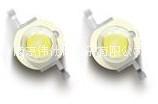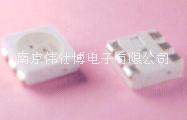







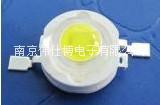
SMD LED Manufacturer, Order, How Much, Production Factory [Nanjing Vistabro Electronics Co., Ltd.] 1. Brightness - Different brightness levels of LEDs have different prices. LEDs for lighting applications should meet Class I laser standards. 2. Electrical Surge Resistance - LEDs with strong electrical surge resistance have longer lifespans and are thus more expensive. Typically, LEDs with surge resistance greater than 700V are suitable for LED lighting. 3. Wavelength - LEDs with consistent wavelengths have consistent colors. If a consistent color is required, the price is higher. Manufacturers without spectrophotometers for color separation find it difficult to produce products with pure colors. 4. Leakage Current - LEDs are unidirectional conductive发光 sources. If there is reverse current, it is called leakage. LEDs with high leakage current have shorter lifespans and lower prices. 5. Beam Angle - Different LED applications have different beam angles. Special beam angles are more expensive. For example, full diffuse angles are more expensive. 6. Lifespan - The key to different quality levels is lifespan, which is determined by lumen depreciation. Lower depreciation means longer lifespan and higher prices. 7. Chip - The light-emitting element of LEDs is the chip, and different chips have significant price differences. Japanese and American chips are more expensive, while Taiwanese and domestic chips are generally cheaper. 8. Chip Size - Chip size is represented by the edge length, and larger chips indicate better quality than smaller ones. Price is proportional to the chip size. 9. Material - The standard material for most LEDs is epoxy resin. LEDs with added UV resistance and flame retardants are more expensive. High-quality outdoor LED lighting should be UV-resistant and flame-retardant.