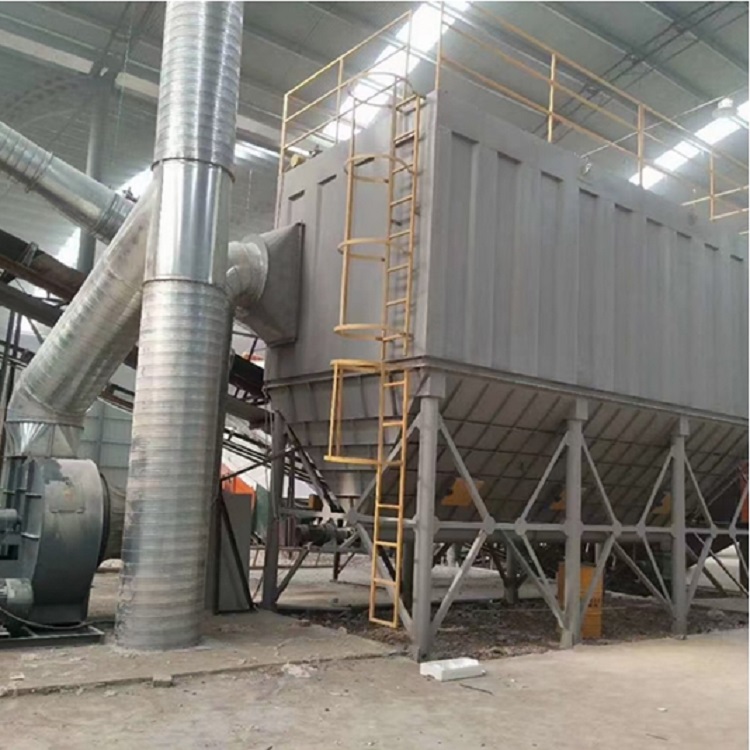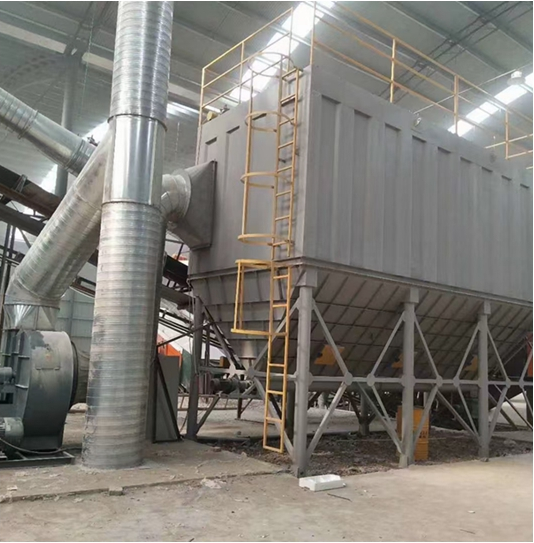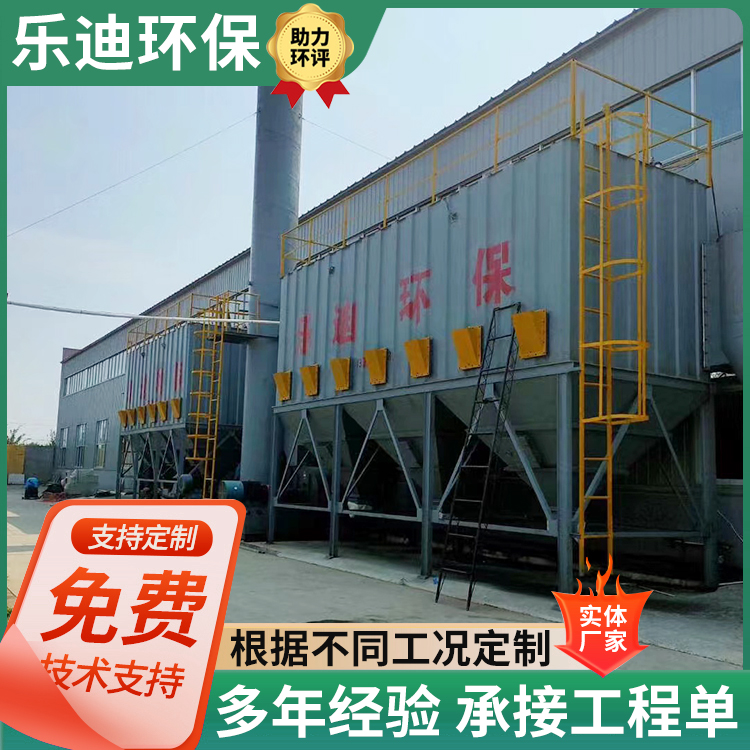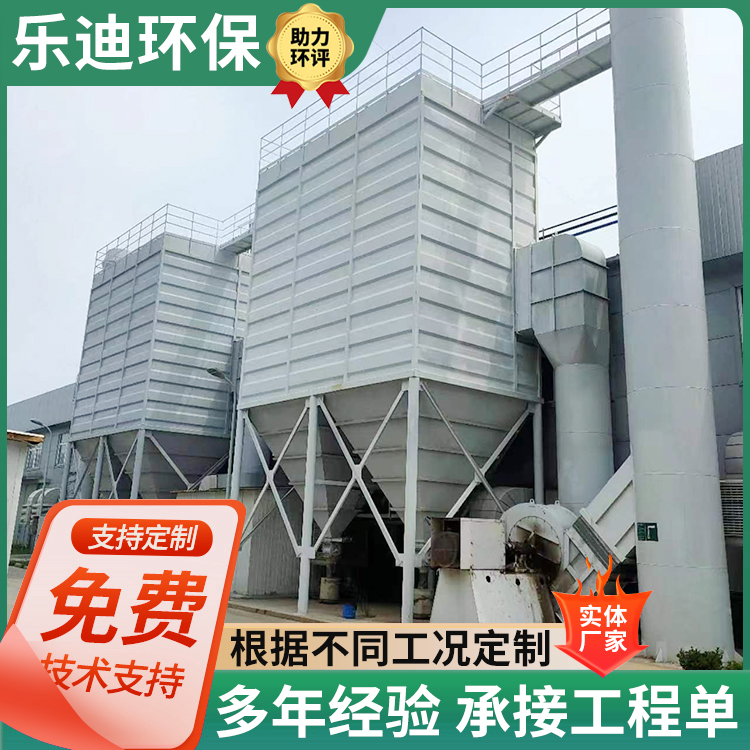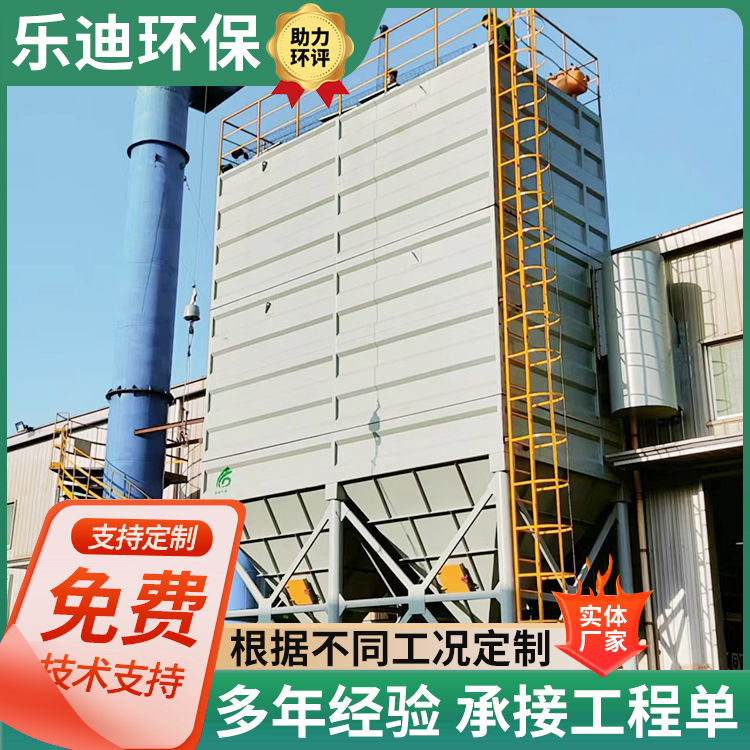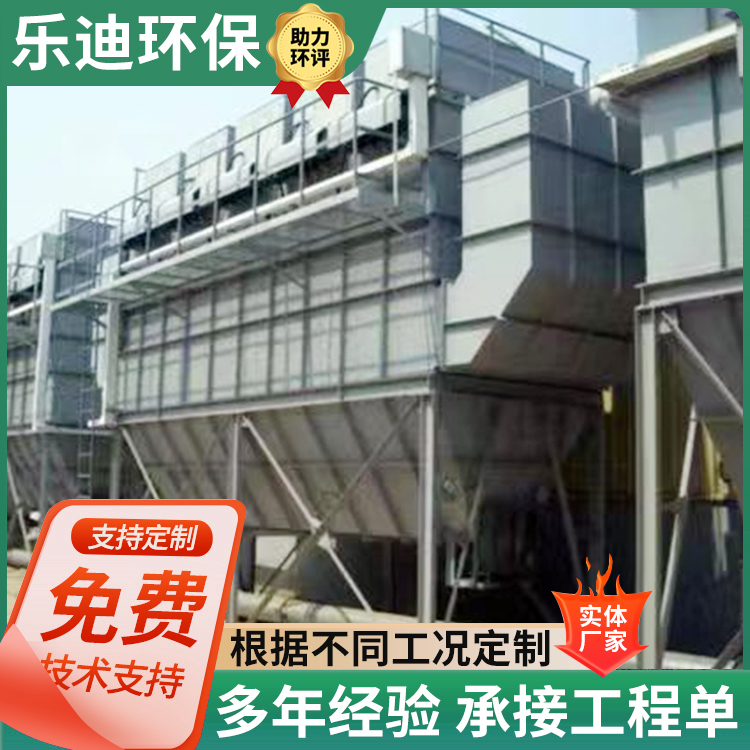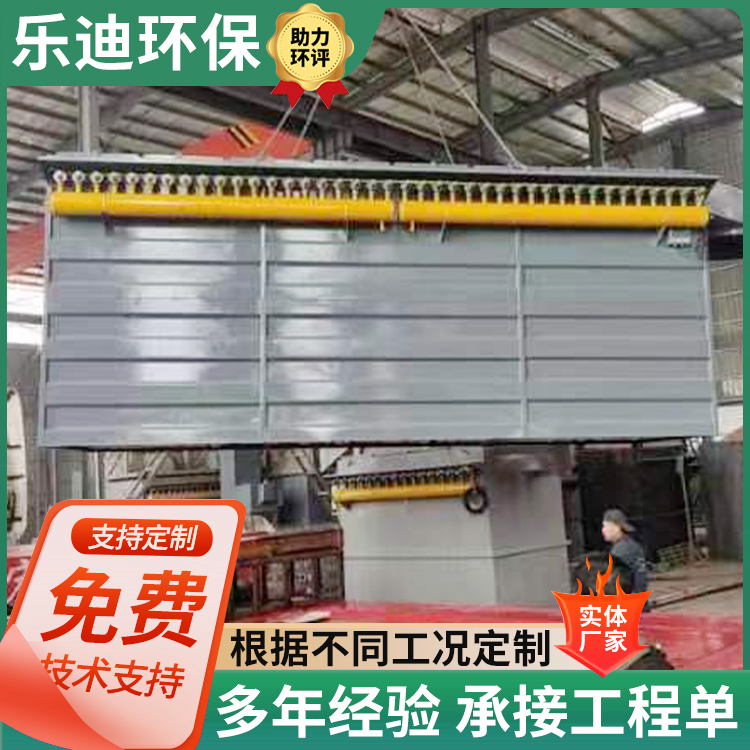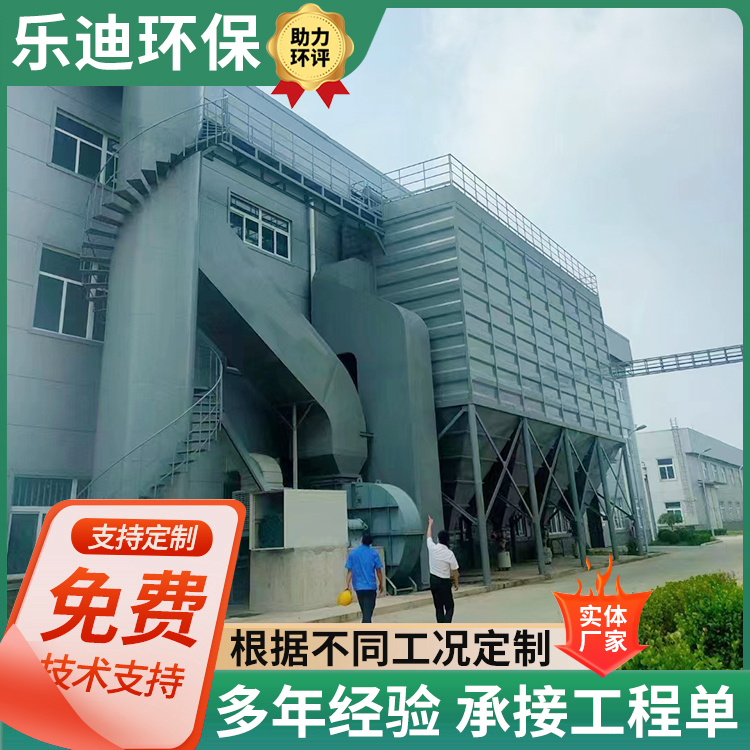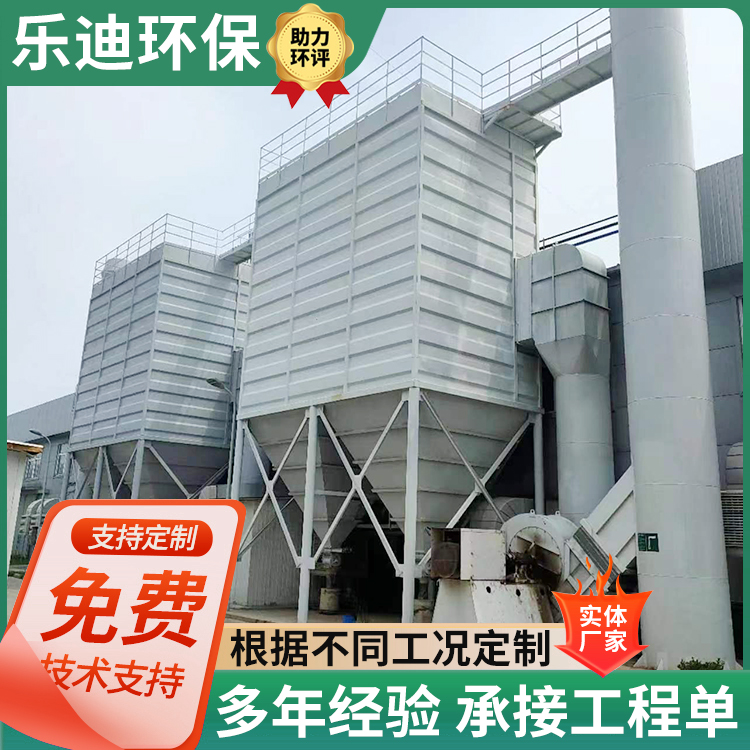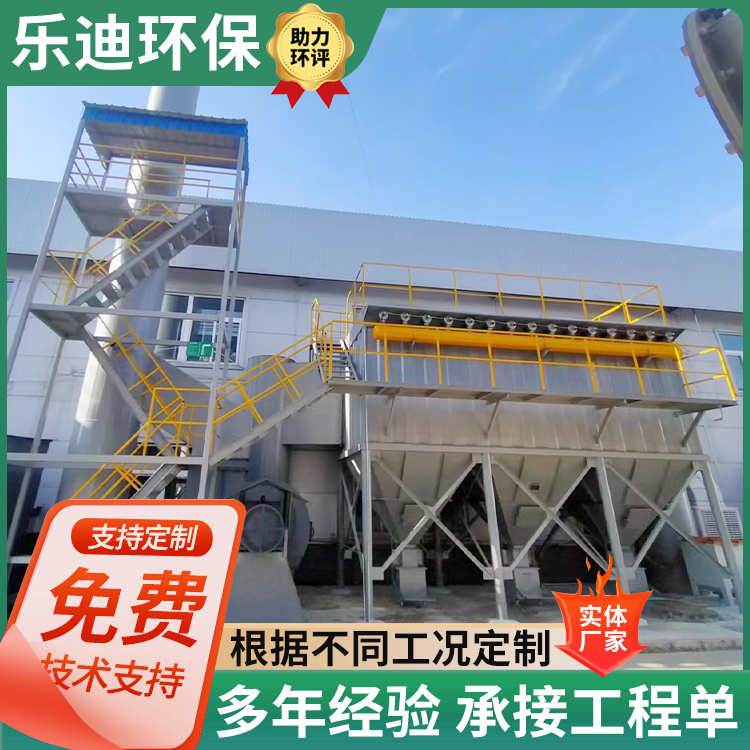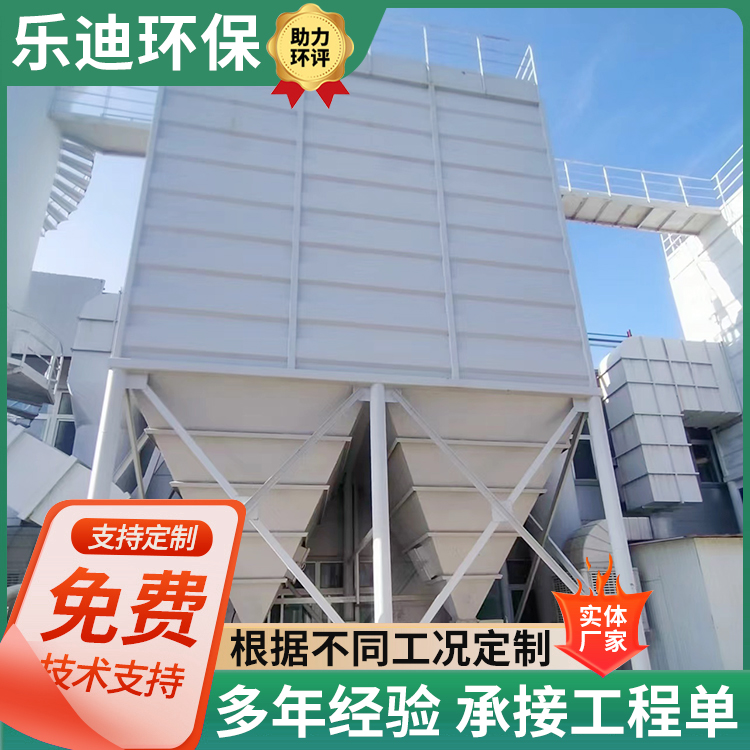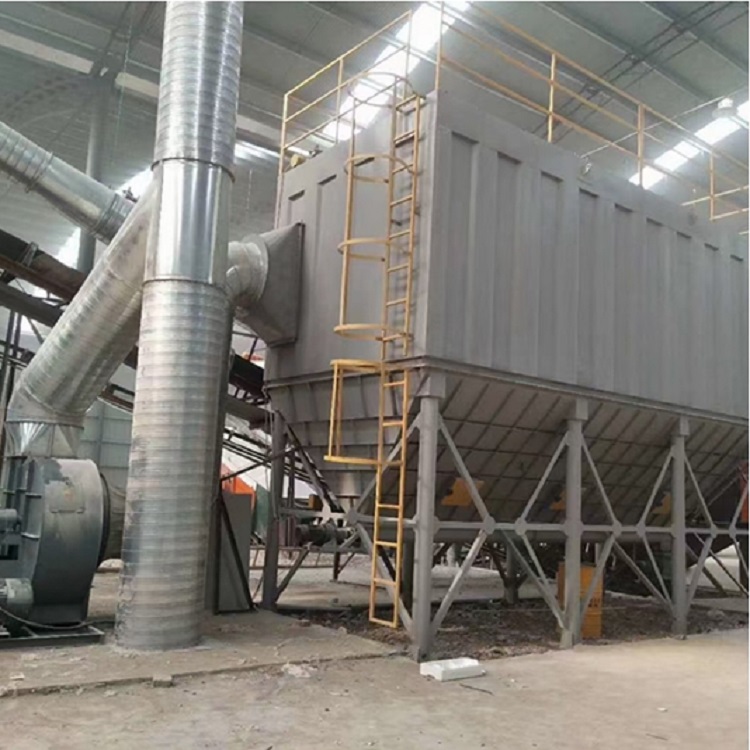

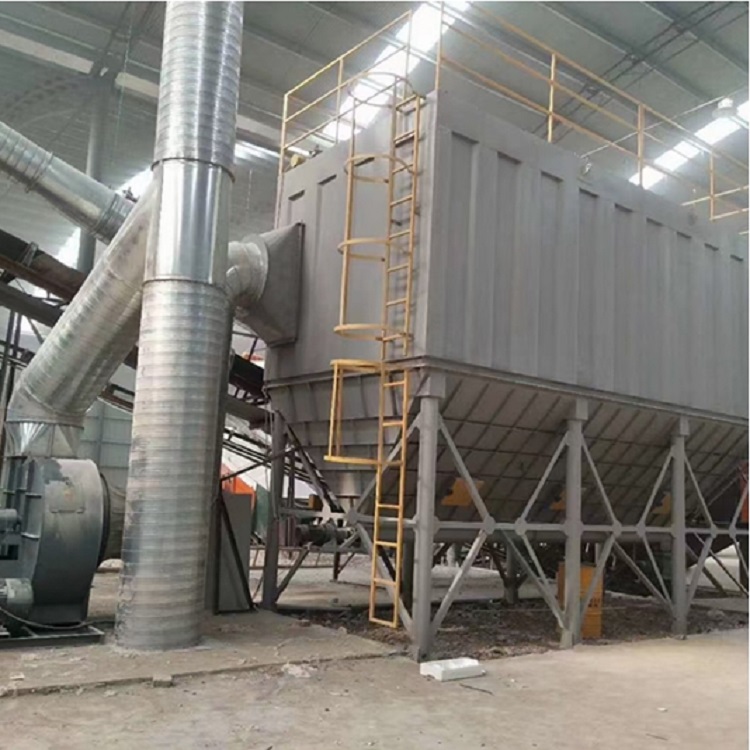
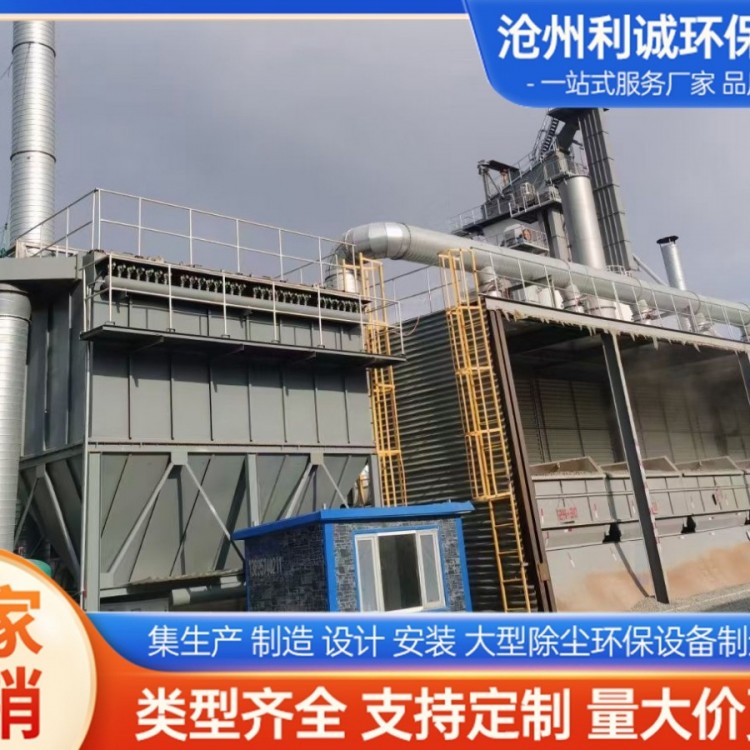
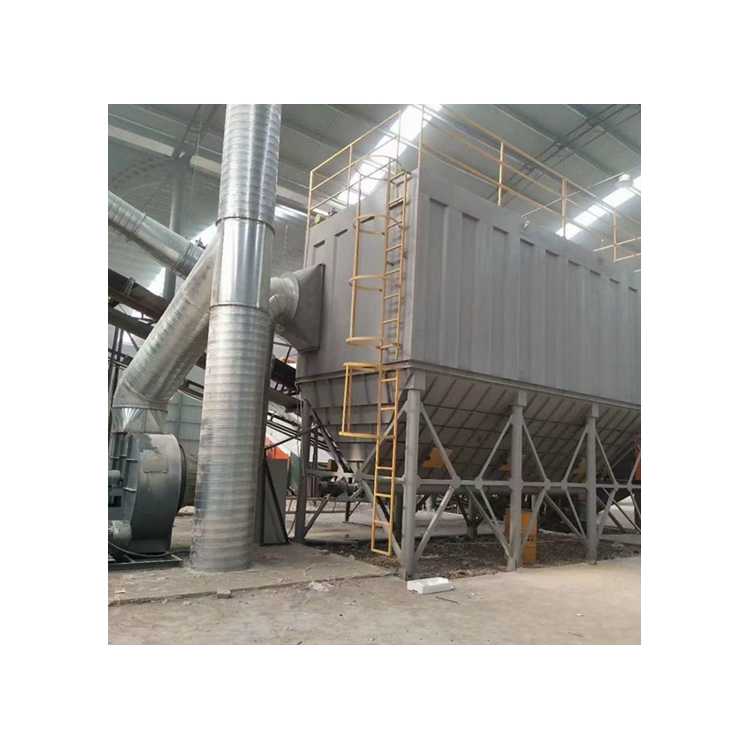


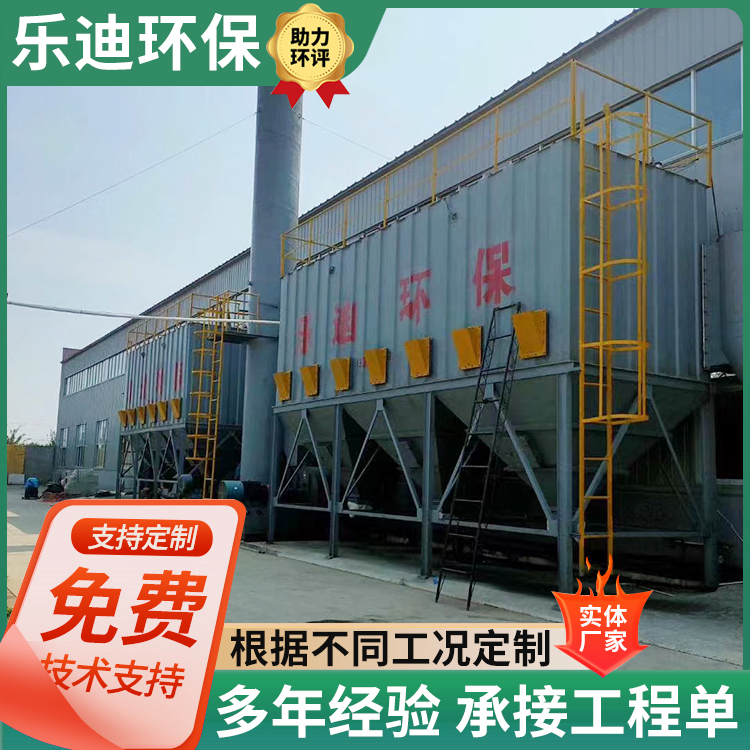
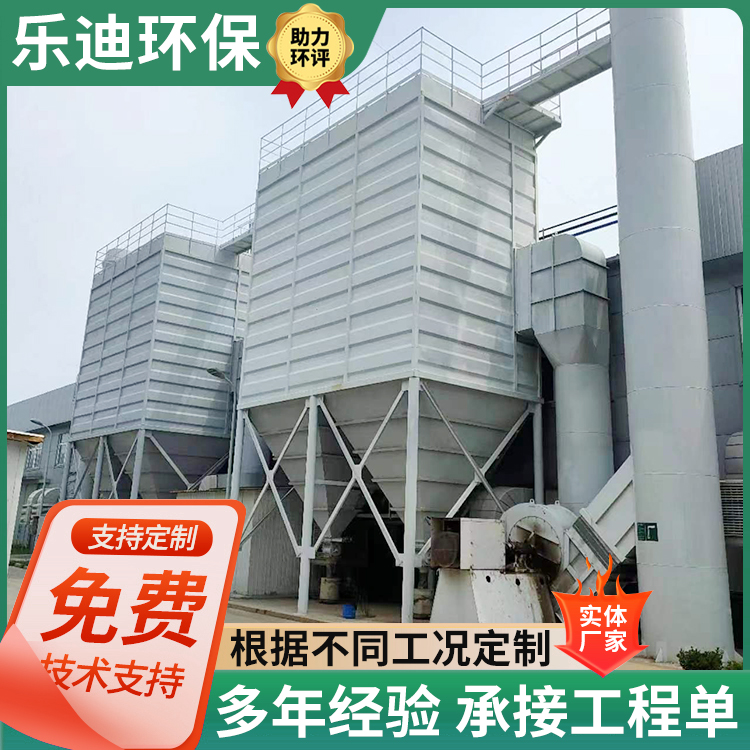
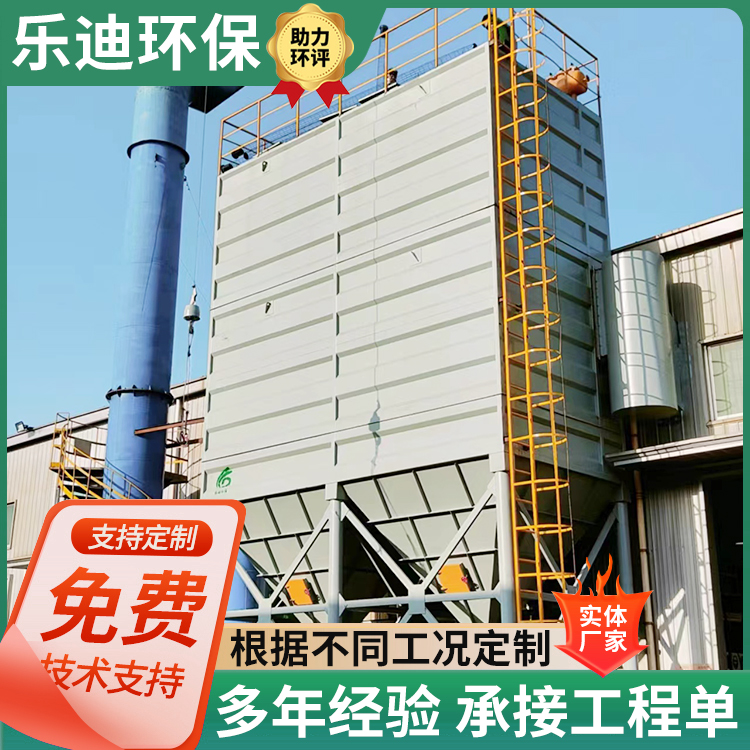
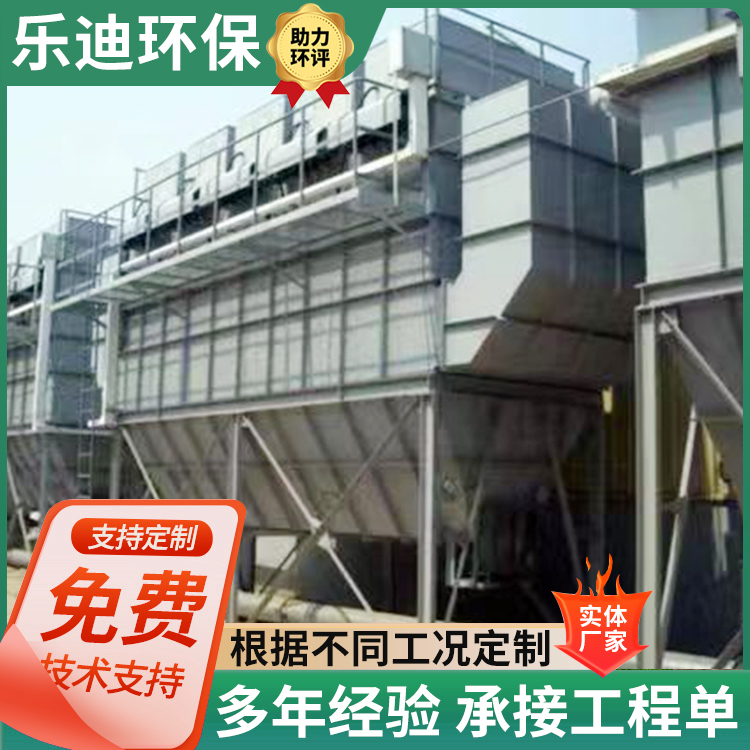
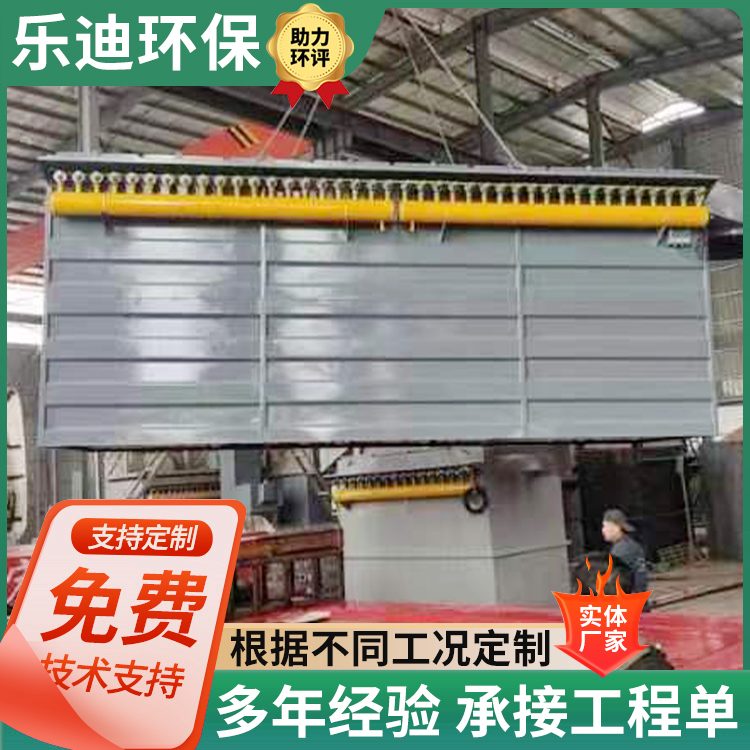






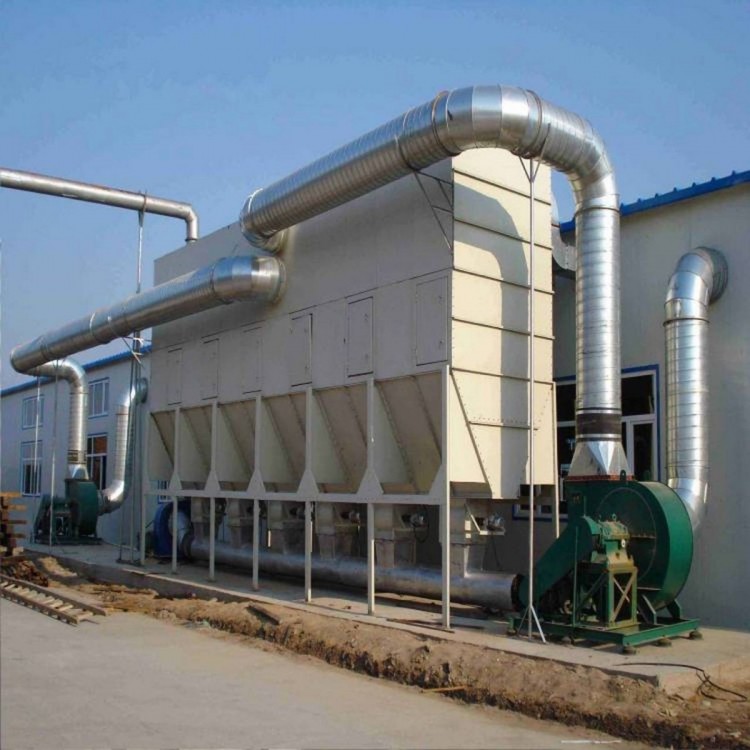
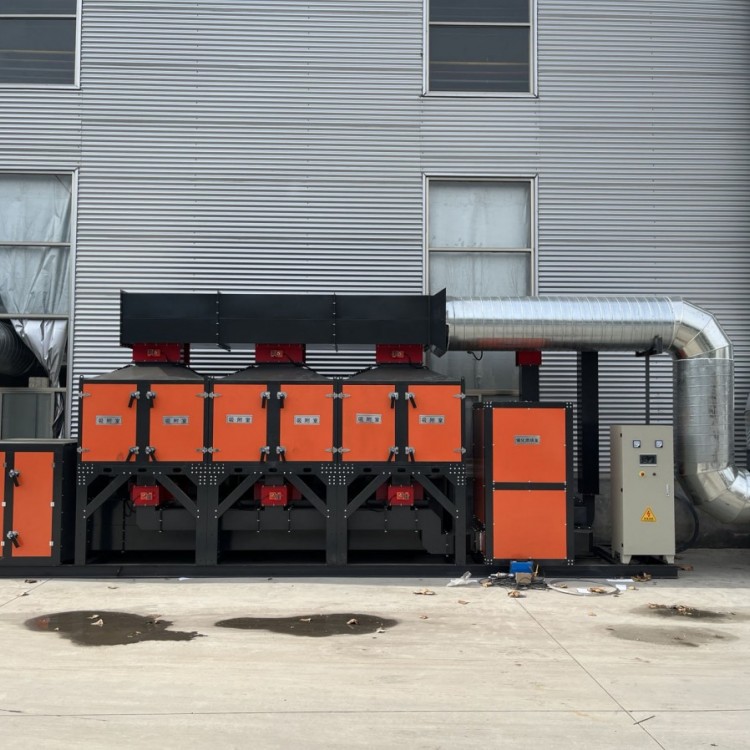
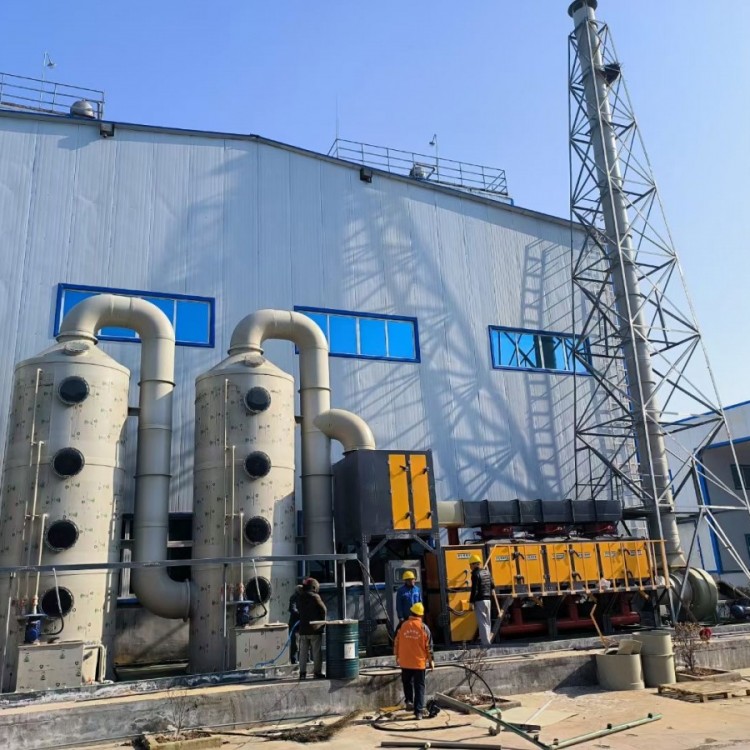
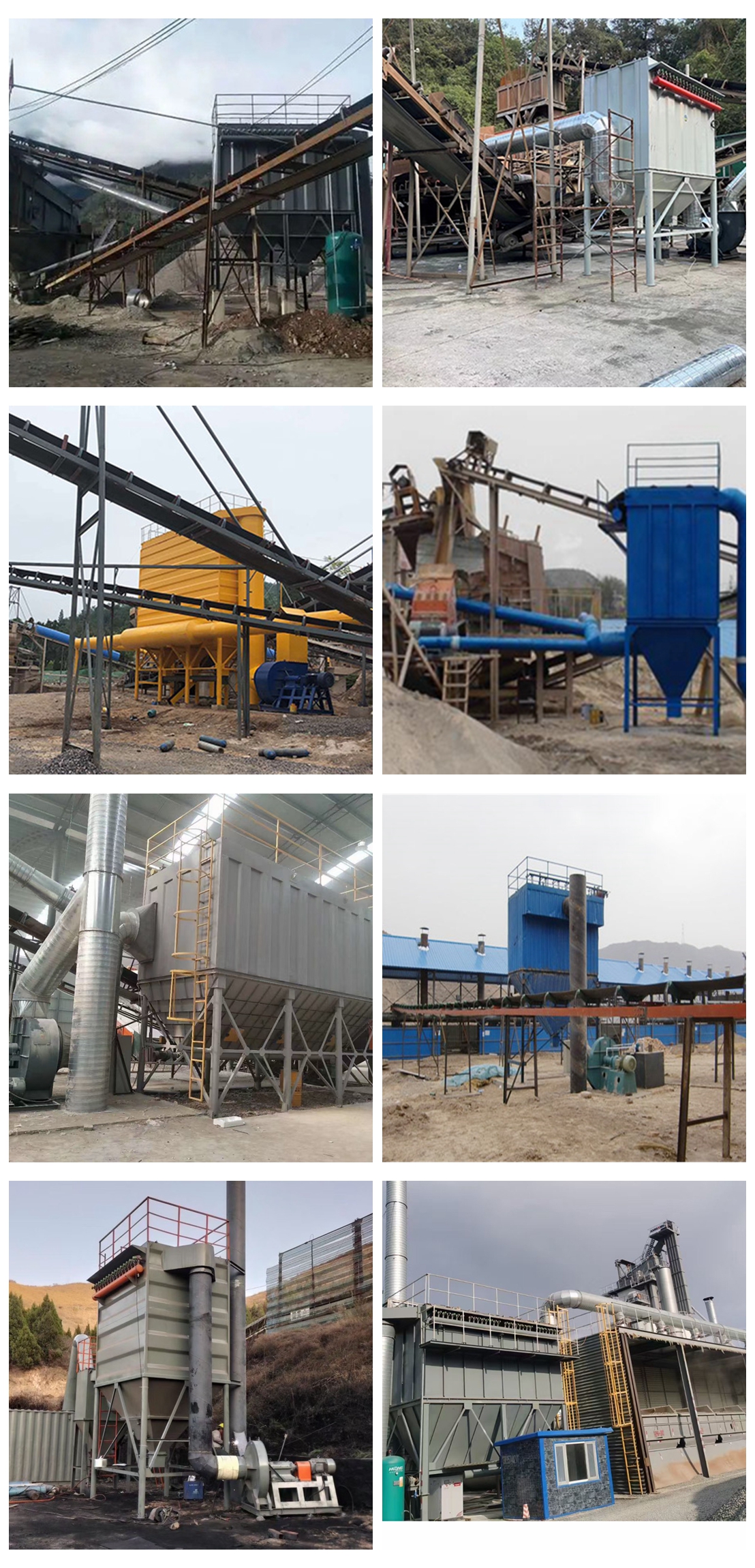
The mining dust collector features a simple structure, high dust removal efficiency, easy maintenance, and requires no personnel supervision, making it particularly suitable for dust control systems in small stone quarries.
The mining dust collector uses pleated filter elements, offering a compact structure to save space for users. It effectively filters ultra-fine, agglomerative, damp, and fibrous dust particles, ensuring high dust removal efficiency. High-quality filter elements are selected, with a service life of 2 to 3 years, significantly reducing the frequency of filter element replacement and saving user costs. The environmentally friendly aggregate plant production line dust collector has been applied to aggregate production lines across the country, receiving high praise from users. With the support and attention of users, we will focus more on the quality of dust collectors, providing high-cost-performance products.
Application Range of Mine Dust Collectors
Mining dust collectors, also known as stone factory dust collectors and sand and stone factory dust collectors, offer high dust removal efficiency for the fine particles produced by different types of stone crushing machines. Our company's mining dust collectors feature large processing capacity, stable operation, high purification efficiency, and minimal maintenance workload. They are an indispensable dust removal equipment for major stone production factories and are widely used in various industries such as stone factories, mines, metallurgy, building materials, highways, railways, water conservancy, and chemical industries.
Mining dust collector structure and principle
Upper housing: Includes dust collector cover, rotating lifting lid mechanism, cleaning chamber, bag change access hole, observation port, and exhaust outlet.
Carton Box: Includes ceiling plate, filter bags, filter bag frame, filter bag inlet, filter chamber cylinder, air inlet, and access door.
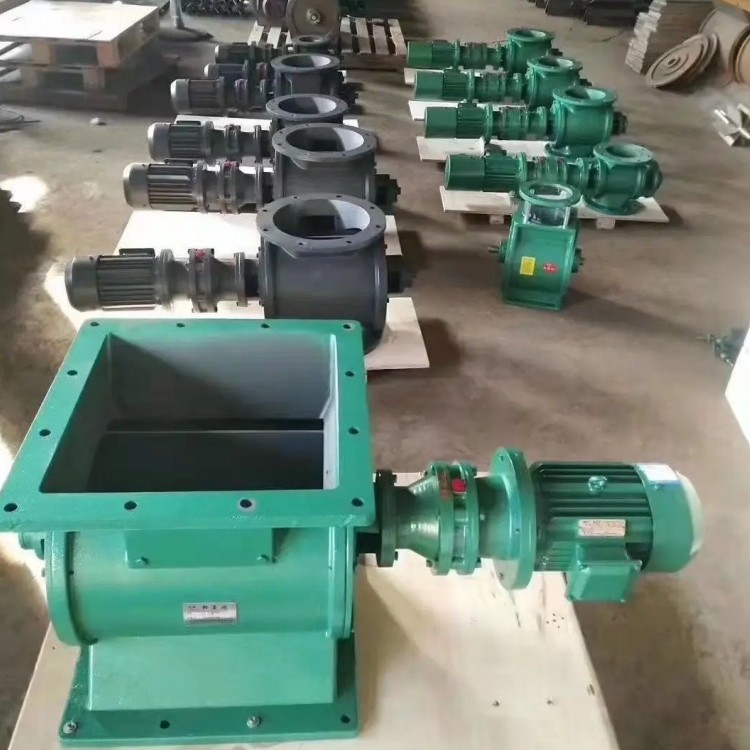
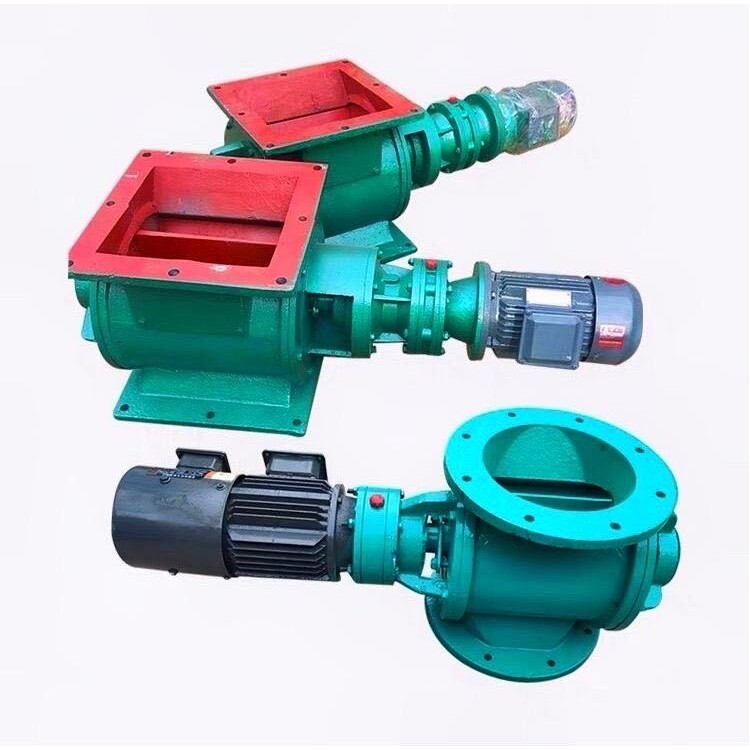
Bottom box: Includes positioning support bracket, ash hopper, star-type ash discharge valve, and base.
Reverse-air cleaning unit: Includes swing arm, nozzle, annular reverse-air cleaning mechanism, circulating air duct, reverse-air pipe, reverse-air blower, and swing arm deceleration mechanism.
Dust removal for mining dust collectors:
1. Dust collectors are equipped with sealed devices or dust hoods at the feed and discharge ports of crushers or pulverizers for raw ore, lump ore, limestone, dolomite, bauxite, raw coal, and other raw materials. The upper part of the vibrating screen and transfer points of belt conveyors should also have sealed devices. It is recommended to install double-layer sealed hoods at the receiving points of transfer points. Enclose dust-generating equipment with sealed hoods or construct dust collection chambers to create a uniform negative pressure inside, preventing dust from escaping. Alternatively, use open-air suction hoods to form an air flow that captures dust particles, containing the exposed dust area within a confined space, and then draws the dust-laden air away. After purification through a dust collector, the air is discharged into the atmosphere through an exhaust stack (or chimney).
2. The unloading vehicle on the mixing hopper and the quantitative feeding station below the hopper should adopt dust removal measures. Dust from the unloading vehicle on the hopper can be removed using a mobile air outlet ventilation trough or a vehicle-mounted dust collector, or a large-volume enclosed hood can be installed. For dust generated by the quantitative unloading device below the hopper, a double-layer enclosed hood is recommended.
3. Coal crushing, conveying, and dedusting system equipped with a dust collector. The dust collector should be a bag filter type with antistatic function; the system and equipment should be statically grounded, and an explosion relief device should be installed.
4. The raw material stockpile dedusting system includes ore crushing and screening dedusting systems, limestone crushing and screening dedusting systems, bauxite ore crushing dedusting systems, and coal crushing dedusting systems, among others.