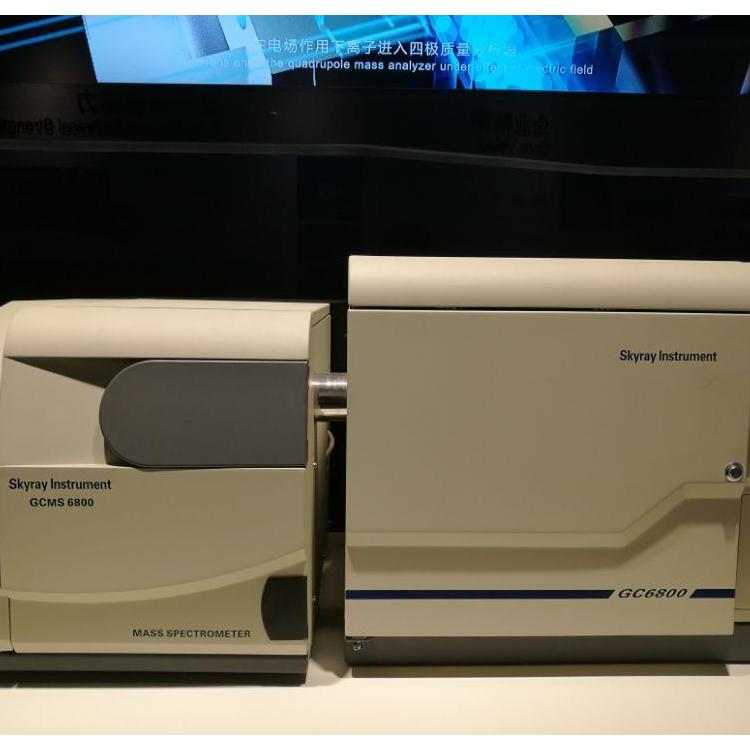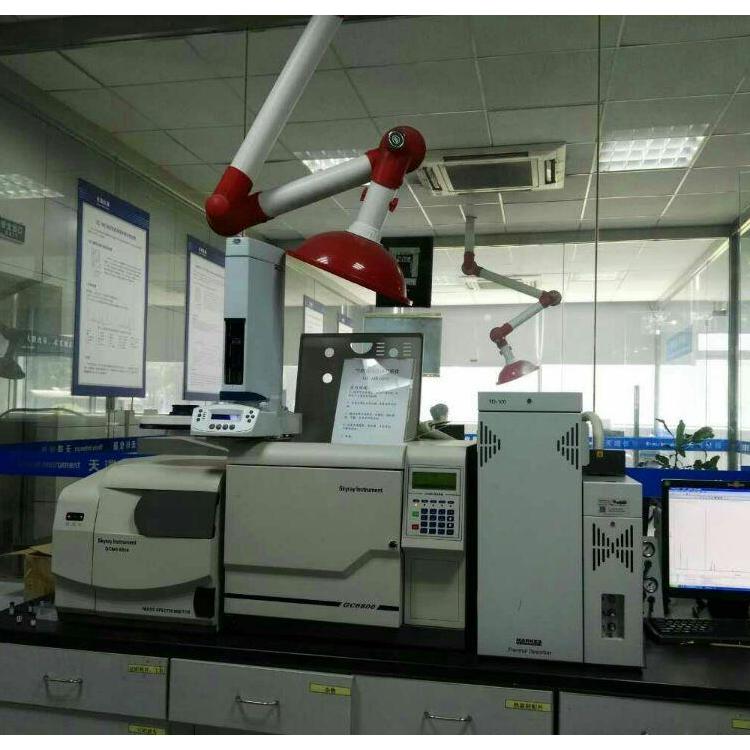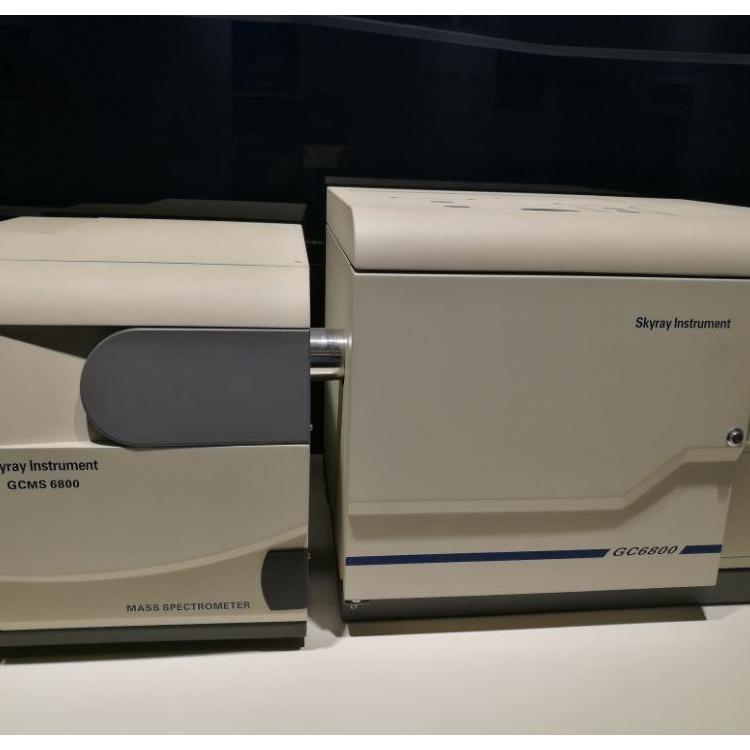









Thermo GC-MS System ITQ1100 Brief Introduction
The ThermoScientific ITQ1100 Gas Chromatography Mass Spectrometry (GC-MS) system is part of the ITQ series of GC/MS instruments. Whether in research or everyday applications, it can significantly utilize the capabilities of GC/MS. With its expanded mass range, comprehensive list of standards, and the performance and versatility of ThermoScientific gas chromatographs, the ITQ1100 GC-MS instrument has become a powerful tool.
Thermo ITQ1100 Gas Chromatography-Mass Spectrometry (GC-MS) Instrument Detailed Information
The ThermoScientific ITQ1100 Gas Chromatography-Mass Spectrometry (GC-MS) system boasts unparalleled scan sensitivity, an extended mass range, and standard MSn (MS/MS, n=5) mode, making it an ideal choice for research institutions, food safety analysis, environmental, and toxicology testing applications. Moreover, the ITQ1100's new MSn scanning feature provides richer data, which aids in easier structural analysis and confirmation.
Thermo GC-MS System ITQ1100 Features
1. Suitable for routine detection of compounds that cannot be detected by other GC/MS technologies, even matrix techniques.
2. During a single data collection, both primary and multiple mass spectrometry information can be obtained simultaneously.
3. Restore your ITQ1100 instrument in minutes without deflation. Simply use a standard vacuum probe chain device to easily alter the ion size.
4. New scanning features for multi-stage mass spectrometry experiments: The ITQ1100 comes standard with two scanning functions, both of which are first applied in the ITQ series—Automatic Collision Energy (ACE) and Pulsed Q Dissociation Mode. With these features, the advantages of MSn can be easily exploited, optimizing methods become simpler, and data quality is enhanced.
5. External Ion Source: The ITQ1100 maintains a stable state unaffected by temperature from 125°C to 300°C, enhancing chromatographic performance. When ionization occurs outside the ion trap, the integrity of the spectrum is improved, and the system can remain cleaner for a longer duration, thereby extending the operational time of the system.
6. Data-Dependent Scanning: Data-dependent scanning enables us to record MS/MS information without prior knowledge of specific parent ions. This type of scanning is beneficial for multi-stage mass spectrometry experiments. Both the full-scan primary mass spectra suitable for library searching and the multi-stage mass spectra related to structural information are simultaneously recorded and utilized.
7. Excellent availability and versatility.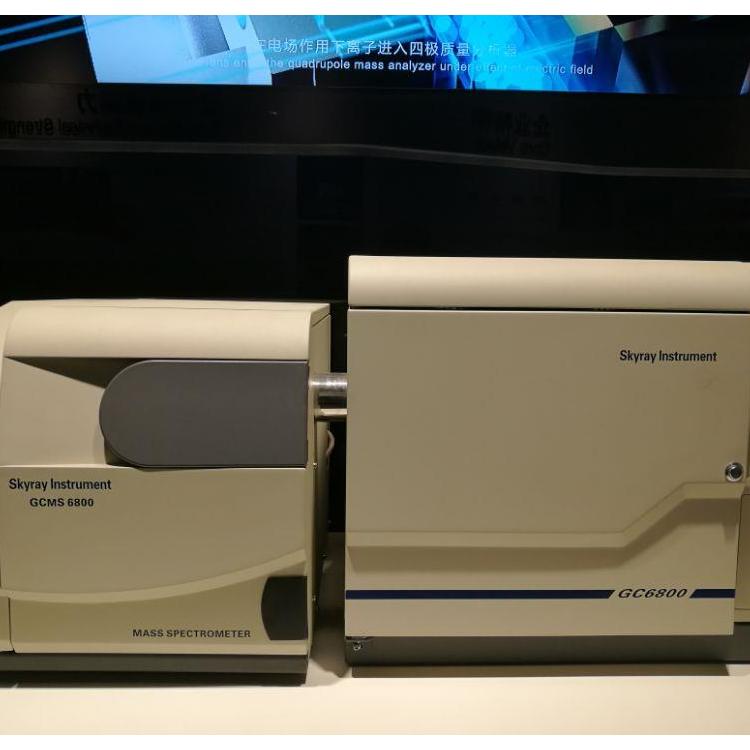
Introduction
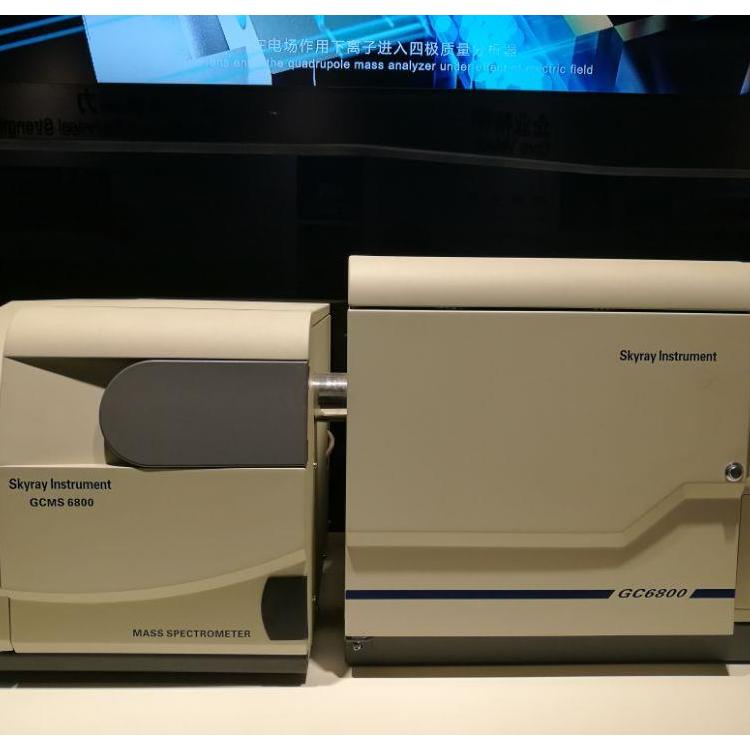
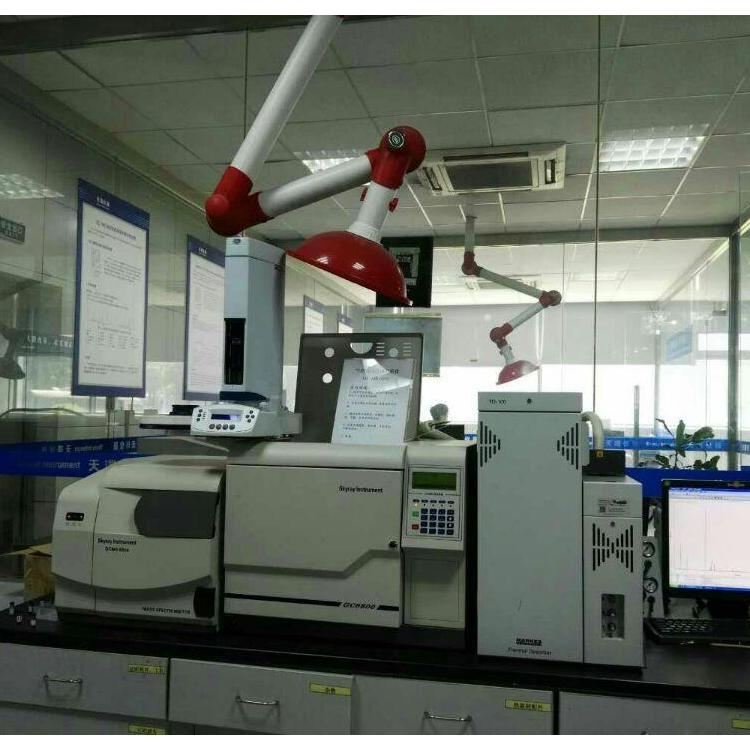
In 2014, the EU's relevant agencies introduced a new proposal to add hexabromocyclododecane (HBCDD), bis(2-ethylhexyl) phthalate (DEHP), dibutyl phthalate (DBP), and benzyl butyl phthalate (BBP) to the RoHS 2.0 directive for priority assessment. This will present a significant challenge for electronic and electrical product manufacturers. The HBCDD, DEHP, DBP, and BBP in electronic and electrical products, as well as the polybrominated biphenyls (PBBs) and polybrominated diphenyl ethers (PBDEs) specified in the previous RoHS 2.0 directive, are all detected using gas chromatography-mass spectrometry (GC-MS) as the standard method. The GC-MS 6800, a cost-effective GC-MS meticulously crafted by Tianrui Instruments, boasts multiple patented technologies, offering efficient and rapid analysis with accurate qualitative and quantitative results, and easy software operation. The instrument is easy to maintain and clean, suitable for long-term and stable use by both corporate and laboratory users.
Instrument Introduction
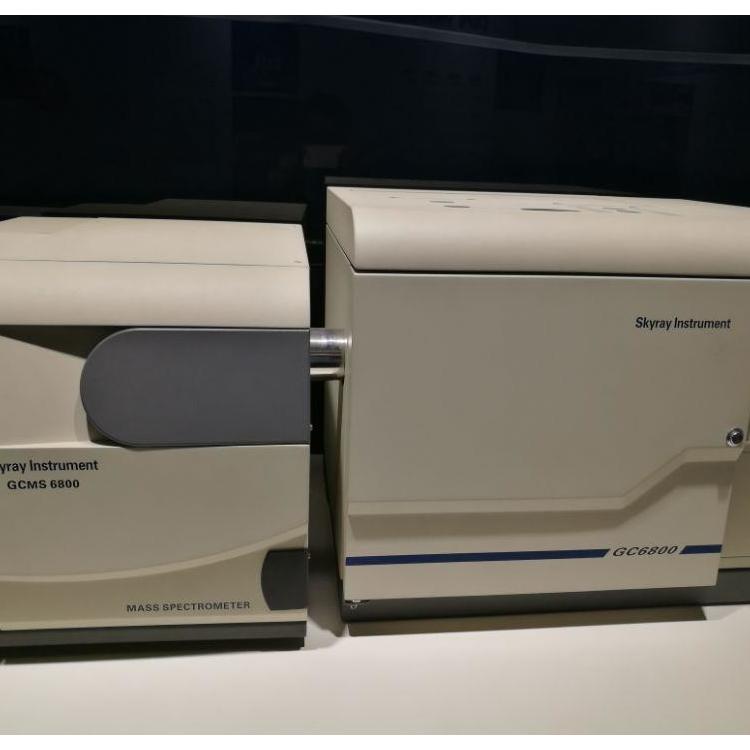
Gas Chromatography-Mass Spectrometry (GC-MS) 6800
The GC-MS 6800 is used for organic substance detection, featuring low detection limits, strong qualitative ability, and accurate quantification. It can be effectively applied to the detection of plasticizers such as DBP, BBP, and DEHP in RoHS 2.0, as well as flame retardants like hexabromocyclododecane and polybrominated and polybrominated ethers.
Experimental Section
Plasticizers (DBP, BBP, DEHP) Testing Method
Sample Testing Process
Refer to methods such as EN14372 and ASTM D3421. Weigh 2g of the finely powdered sample, extract for over 8 hours using the Soxhlet method, transfer and evaporate the solvent, then dilute to 25mL with n-hexane, filter, and conduct machine testing. The relevant spectra obtained from the test are as follows:
Hexabromocyclododecane (HBCDD)
Sample Testing Process
Refer to methods such as GB/T 29785-2013 and EPA3550C. Weigh 2g of the sample after thorough crushing, extract with a Soxhlet for over 16 hours, transfer and concentrate nearly to dryness, and dilute to a volume of 5ml. Filter, and conduct machine testing. The relevant spectra obtained from the test are as follows:
Polybrominated and polybrominated ethers
Sample Testing Process
Refer to methods such as IEC62321, GB/Z 21276-2007, etc. Weigh 2g of the sample after thorough pulverization, extract for over 6 hours using Soxhlet extraction, transfer and concentrate nearly to dryness, purify using a silica gel column, rotate-evaporate to nearly dryness, and then dilute to 5mL. Filter and perform machine testing. The relevant spectra obtained from the test are as follows:
Appendix 3: Interlaboratory Comparison Certificate (Decabromodiphenyl ether)
"A Gas Chromatography-Mass Spectrometry (GC-MS) system is an integrated system that combines a mass spectrometer with gas chromatography. Gas chromatography is a separation and analytical tool for multi-component substances, utilizing a column chromatographic technique with gas as the mobile phase to perform qualitative analysis of the substances being tested. A mass spectrometer is a device that measures the mass-to-charge ratio (charge-mass ratio) of ions to obtain the mass spectrum of the analyzed sample, thereby completing its mass measurement. Currently, the usage rate of similar equipment on campus is high, and the machine hours are fully utilized. The expert group, based on the research needs of the applicant's team, believes that the key to the prevention and control of semi-volatile organic compounds (SVOCs) and persistent pollutants is the determination of trace SVOCs at the ppb level. The equipment to be purchased is a powerful tool for accurately quantifying these trace organic substances. The acquisition of this instrument will promote the development of the university's Water and Sediment Science and Environmental Engineering."
The expert group unanimously agreed to pass the feasibility argument for the aforementioned equipment. The funding source for the equipment acquisition is the "Overall Support Fund for University and Discipline Construction," applied for by Academician Juren Ni from the School of Environment. The funding for the acquisition of the equipment has been secured, and operating funds are guaranteed. The equipment will be used to serve in-house research after purchase, with an estimated annual open and shared machine hours of around 400.
GC-MS Experiment Objective
Understand the basic composition and working principle of mass spectrometers, and learn the tuning methods for mass spectrometers.
2. Familiarize yourself with the basic functions of a chromatography work station and master the basic operations for qualitative analysis using a gas chromatography-mass spectrometry (GC-MS) system.
Gas Chromatography-Mass Spectrometry (GC-MS) Experimental Principle
Gas chromatography (GC) is a widely used separation technique, which is a column chromatography using an inert gas as the mobile phase. Its separation principle is based on the differences in the distribution of components between the two phases. While GC can separate the various components within a complex mixture, its qualitative ability is poor, typically relying on the retention characteristics of the components for qualitative analysis. This can be challenging when the components to be identified are completely unknown or when standard samples of the components are not available. With the development of techniques such as mass spectrometry (MS), infrared spectroscopy, and nuclear magnetic resonance for qualitative analysis, online hyphenation technologies are now primarily used, directly connecting chromatography with other qualitative or structural analysis methods to address the challenges of chromatographic qualitative analysis. Gas chromatography-mass spectrometry (GC-MS) was one of the earliest chromatography hyphenation instruments to be commercialized. Currently, compact desktop GC-MS systems have become a standard configuration in many laboratories.
GCMS Experimental Steps
1. Turn on and tune the Gas Chromatography-Mass Spectrometry (GC-MS) instrument
(1) Check if the mass spectrometer vent valve is closed; ensure the capillary column is properly connected.
(2) Open the He cylinder and adjust the output pressure to 0.5 Mpa.
(3) Sequentially power on the computer, the HP-6890plus Gas Chromatography, and the HP-5973N Mass Spectrometer.
(4) Enter the correct information to access the computer desktop.
(5) Double-click the chemical workbench icon on the desktop, enter the username, and log into the chemical workbench.
(6) Left-click on "View" in the chemical workbench interface, then left-click on "Diagnosti/Vacuum Control" from the dropdown menu to access the Diagnosti/Vacuum Control (Diagnosis and Vacuum Control) window.
(7) In the Vacuum dropdown menu, select pumpdown to start the vacuum process; simultaneously, set the ion source and quadrupole temperature to 230 each.
(8) In the View dropdown menu, select nualTune to enter the tuning interface.
(9) In the Tune dropdown menu, select Autotune to enter the automatic tuning state. Once the automatic tuning is successful, go to the File dropdown menu and select SeTune.Values, save the tuning file named Atune.U in Custom (*.U) format, and click the Open button to store it in the 5973n directory.
(10) In the Tune dropdown menu, select Standard SpectraTune for standard spectrum tuning. Once tuning is complete, in the File dropdown menu, select SeTunePlease save the tuning file named "Stune.U" in the Custom (*.U) format by clicking the Open button and storing it in the 5973n directory.
(11) In the View dropdown menu, select Instrument Control to return to the instrument control interface.
The GC-MS 6800 is designed for detecting the newly added aromatic organic substances in RoHS 2.0, featuring low detection limits, strong qualitative ability, and accurate quantification. It is widely applicable in the RoHS industry for the detection of various organic substances, such as polybrominated, polybrominated ethers, hexabromocyclododecane, phthalates, and polycyclic aromatic hydrocarbons.
Performance Advantages
International-grade Quality: Core components are consistent with international mainstream products, ensuring that the GC-MS 6800 maintains the same performance quality as foreign instruments.
Meet More Demands: Tianrui Instruments offers a variety of high-performance accessories to cater to the diverse needs of different clients across various fields.
User-friendly Design: The overall user-friendly design of the machine not only facilitates operation but also makes daily maintenance easier.
Higher ionization efficiency: Entire machine modular design, with the use of Tianrui's patented - new ion source, achieving higher ionization efficiency and significantly improving the overall sensitivity of the machine.
Chem yst Chromatography-Mass Spectrometry Workstation: Achieve efficient, rapid, and multifunctional instrument control, data acquisition, and data processing
Exceptional value for money: Tianrui delivers more benefits to customers while meeting all application requirements.
Scientific Solutions: Tianrui Instruments' powerful application R&D center provides customers with tailored analytical solutions, offering a comfortable and customized experience.
The consumables pricing: Our filaments and other consumables and accessories are自主研发, allowing customers to enjoy top performance while also saving a considerable amount on instrument maintenance.
Comprehensive After-Sales Service: Tianrui Instruments responds swiftly to customer needs, with professional technicians providing round-the-clock, 24/7 support.
Technical Advantages
Hardware
Self-developed GC system with electronic flow control (EFC) and electronic pressure control (EPC)
Self-developed high-efficiency EI filament, with a high electron emission efficiency up to 300μA.
Single quadrupole mass analyzer with pre-quadrupole, effectively reducing quadrupole contamination during sample testing
Electromultiplying detector with high-energy conversion gain offering enhanced sensitivity
Imported mechanical pumps and pump assemblies provide excellent vacuum systems, ensuring high stability and reliability of the system.
Equipped with full vacuum gauge, real-time monitoring of vacuum conditions
A comprehensive protection system ensures the safety of critical components in the event of abnormal conditions, extending the service life of the instrument.
Advanced RF power digital compensation technology ensures high sensitivity and resolution for mass spectrometry peaks across the full mass range.
Software
Workstation software can simultaneously control a gas chromatograph, an automatic sampler, and a mass spectrometer, achieving data collection and transmission via a high-speed network card.
Supports full scan (FULL SCAN) and selective ion scan (SIM) modes
Achieves FULL SCAN and SIM scan; supports manual and automatic tuning; real-time display of total ion current spectrum and mass spectrum; rapid extraction of ions and full scan spectra
Tianrui Instruments is an authorized domestic distributor of NIST, ensuring users receive the latest NIST spectral library data and upgrade features.
Data processing software can automatically search for target compounds based on the mass spectrum of the sample in the NIST2011 database, and display the search results. The search results show each compound's details.
Retained time for the substance as measured, its structural pattern, and standard spectra; to confirm the standard abundance ratios between ions and the measured abundance ratios for the user's accurate identification and quantitative analysis.
Instrumentation Configuration
GC Technical Specifications
Inlet temperature: 450°C, any temperature point is controllable.
Pressure Control Range: 0~100 psi, Control Accuracy: 0.002 psi
Pressure Control Mode: Electronic pressure control, supports constant pressure and constant flow
Diversion Mode: Diverted and non-diverted sample inlets, diversion ratio 1000:1
Column temperature box operating temperature: Room temperature +4℃ to 450℃
Column oven heating rate: 120℃/min (column oven)
Platform Heating: 7th Stage 8 Platform Program Heating
Automatic sampler: Optional
MS Technical Specifications
Ionization Energy (EI Source): 5eV to 250eV (adjustable)
Quality Range: 1.5 to 1000 amu
Resolution: Unit mass resolution
Ion Source Temperature: 100-350℃
Filament Emission Current: 0~350 uA
Gas Quality Interface Temperature: 450℃
Quality Axial Stability: ±0.10 amu/48 hrs
Sensitivity: Full scan, 1 pg of octafluoronaphthalene (OFN) at m/z 272 amu with a signal-to-noise ratio (S/N) ≥ 30:1 (RMS)
Scanning Rate: amu/s
Vacuum System: Turbomolecular Pump (67 L/s)
Detector: Electron Multiplier with High-Energy Dynode (HED)
Tianrui GC-MS vs. Imported GC-MS:
Tianrui GC-MS
Imported GC-MS
High cost-performance ratio
Pricy
Supplies and accessories are affordably priced with low maintenance costs.
All consumables are imported, resulting in high maintenance costs.
Quick response to customers, professional technicians available 24/7.
Long response cycle, typically takes about a week to be on board
Efficiently determines: Brominated Flame Retardants (BFRs), Plasticizers, Volatile/Organic Compounds (VO/SVOs), Polycyclic Aromatic Hydrocarbons (PAHs), etc.
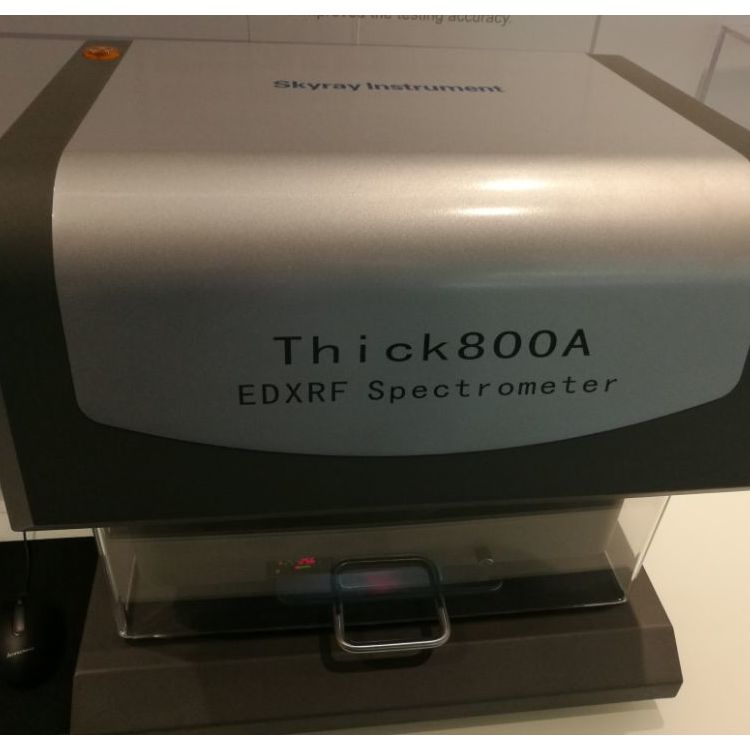
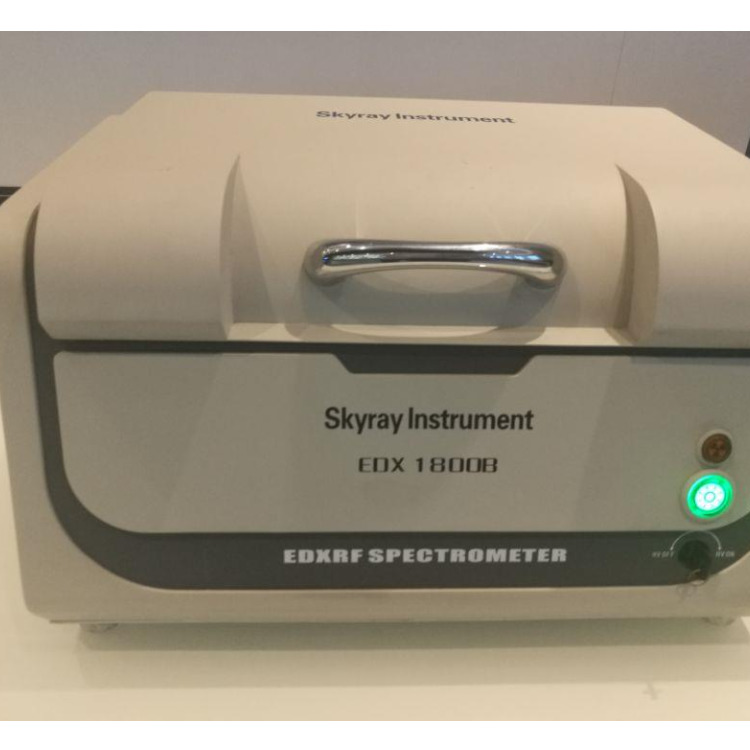
More accurate testing results are the unwavering pursuit of the Tianrui team, who also always keep in mind providing service to our clients. The newly developed ROHS2.0 analytical series embodies this philosophy. It not only inherits the five key features of Tianrui's EDX series—accuracy, speed, non-destructiveness, intuitiveness, and environmental friendliness—but also employs the cutting-edge X-SDD technology for analytical instruments, reducing testing time to just 1 second. Additionally, the EDX spectrometer uses a precise positioning system from Tianrui's patented products, enabling image联动 control and multi-point continuous testing. The newly added electrically operated sample chamber makes operation more convenient, and the newly designed automatic sample platform ensures accurate testing. The ROHS2.0 tester is available in two models: an X-ray fluorescence spectrometer and a gas chromatography-mass spectrometry analysis system.
1528677417355262.jpg
Performance Advantages
Fast—results in 1 second
Utilizing the cutting-edge ultra-fast detector technology - (X-SDD) with a resolution up to 125eV
Advantages: Large detection area (up to 25mm²), high information intake within a unit of time, high counting rate with good resolution, higher detection efficiency, stronger signal-to-noise ratio, and lower detection limit.
Utilize cutting-edge digital multi-pass technology
Advantages: Significantly enhances output efficiency, achieving ultra-high counting rates, ensuring the collection of effective counting rates up to 1,000 Wcps.
Utilizing high-power X-ray tubes and advanced collimation filtration systems
Advantages: Enhanced efficiency激发
Optical shutter system
Advantages: Sample exchange without shutdown of high pressure, improving testing efficiency and accuracy.
Precise positioning system
Ultra-high-definition industrial camera, for clearer display of test points
Multiple testing
2D Fully Automatic Sample Platform - Achieves image联动 control, multi-point continuous testing
Ultra-small sample testing - capable of measuring down to 0.2 millimeters
8 straighteners, 4 types of filter wheels for quick switching, selectable for different samples
Collimators can be as small as 0.2mm, enabling precise focusing and detection for ultra-small samples.
Humanized design
Safer: X-ray interlocked safety device – photoelectric interlock interacts with the interlock mechanism; instrument housing interlocked with the high-voltage enabling terminal
Faster: More points for testing, test where you click
Appointment Warm-up: The instrument can start testing on a timer according to the set time.
Scheduled Startup and Preheating Function: Customers can schedule the startup time of the instrument, which will also preheat the instrument and automatically detect and calibrate its status; simultaneously, scheduled shutdown can be implemented.
Power off with audio-visual alert
Technical Specifications
Measurement Element Range: Sulfur (S) to Uranium (U)
Measurement Time: 1s or more
Detection Limit: Analytical detection limit up to 2ppm, thinness testable down to 0.005μm
Concentration Range: 2ppm to 99.9%
Stability: 0.02
Pipe Pressure: 5~50 KV
Conduit Current: ≤1000uA
Detector: X-SDD Detector, resolution up to 125eV
Collimator: Automatic switching between 8 collimators
Filter Sheets: 4 types of filter sheet switching
Sample Observation: High-definition Industrial Camera
Ambient Humidity: ≤70%
Ambient Temperature: 15℃~30℃
Power: AC 220V ±5V (recommended to configure an AC purifying and voltage-stabilizing power supply)
RoHS is a mandatory standard established by the European Union legislation, officially titled "The Directive on the Restriction of the Use of Certain Hazardous Substances in Electrical and Electronic Equipment" (Restriction of Hazardous Substances). It was enforced as of July 1, 2006, primarily aimed at regulating the material and process standards for electronic and electrical products. Its purpose is to eliminate six substances—lead, mercury, cadmium, hexavalent chromium, polybrominated biphenyls, and polybrominated diphenyl ethers—from electrical and electronic devices, with a particular emphasis on lead content not exceeding 0.1%. The main substances tested under RoHS requirements are as follows in the table:
Restricted Materials
"Method for Testing Harmful Substances in Electronic Information Products" (hereinafter referred to as "the Testing Method," standard SJ/T 11365-2006) specifies the testing methods for harmful elements as required by RoHS. Among them, X-ray fluorescence spectroscopy (XRF) is established as a rapid and convenient screening method. XRF can be used to test standard samples of lead (Pb), mercury (Hg), cadmium (Cd), chromium (Cr), and bromine (Br). However, the results obtained based on the principle of XRF only represent the content of elements, meaning that if the screening test detects the content of chromium (Cr) or bromine (Br), even if it exceeds the standard, it does not necessarily indicate that the harmful substances (Cr VI) or flame retardants (PBB and PBDE) are in excess. This test result (indicating presence) is only a necessary but not a sufficient condition for the presence of harmful substances. This is why there are no limit values for non-compliance with these two harmful substances in the limit table.
RoHS Applicable Industries
Major Home Appliances:
Large refrigeration equipment, refrigerators, freezers, and other large appliances for food refrigeration, preservation, and storage.
Section II: Small Home Appliances
Vacuum cleaners, carpet sweepers, other cleaning equipment, tools for sewing, knitting, and other textile processing.
Section 3: Information and Communication Equipment
Data processors, personal computers, printers, copying equipment, electrical and electronic typewriters, desktop and pocket calculators, etc.
Section 4: Consumer Products
Radio, television, video recorder, tape recorder, high-fidelity tape recorder, amplifier, musical instruments, other recording or sound, image products or equipment.
V. Lighting Equipment:
Fluorescent lighting fixtures (excluding household lighting equipment), straight fluorescent tubes, compact fluorescent lamps, high-intensity discharge lamps, etc.
Section 6: Electrical & Electronic Tools
Drills, saws, and sewing machines for wood, metal, or other materials, used for turning, milling, sanding, grinding, sawing, cutting, shearing, drilling, punching, folding, and bending.
Similar processing equipment