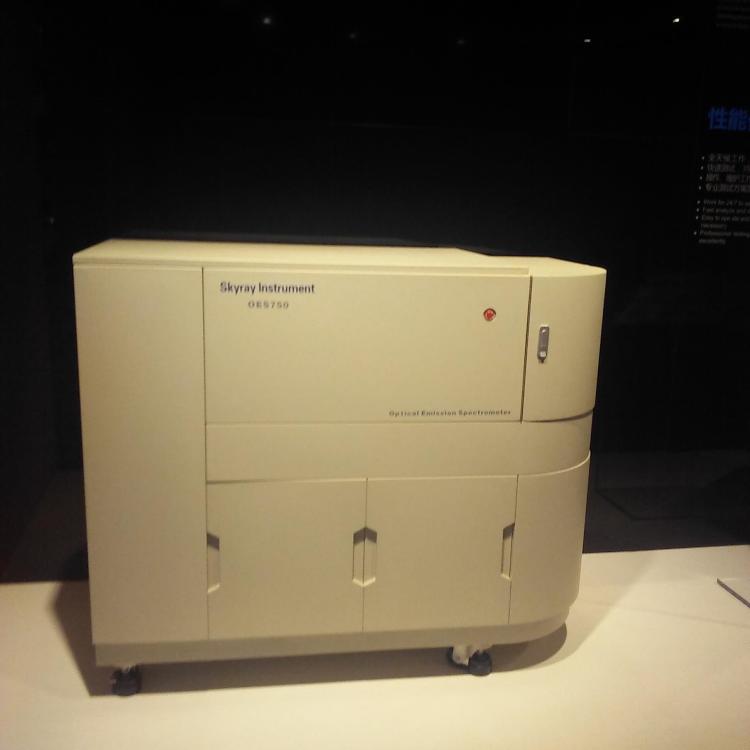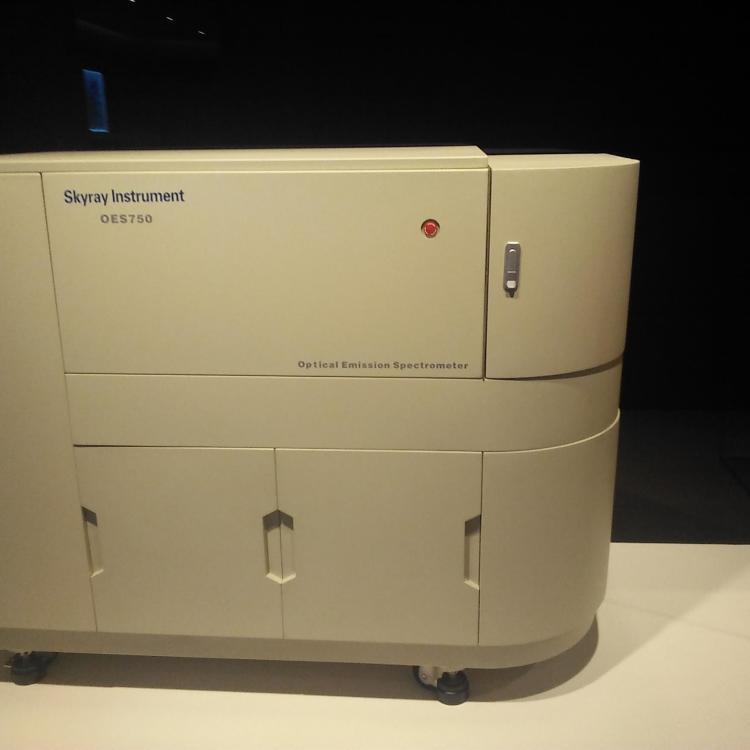










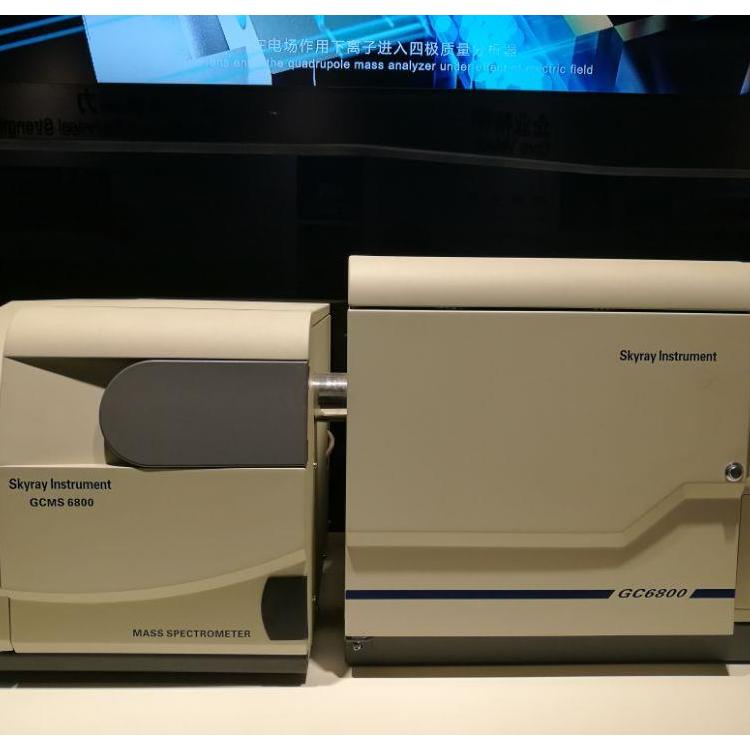
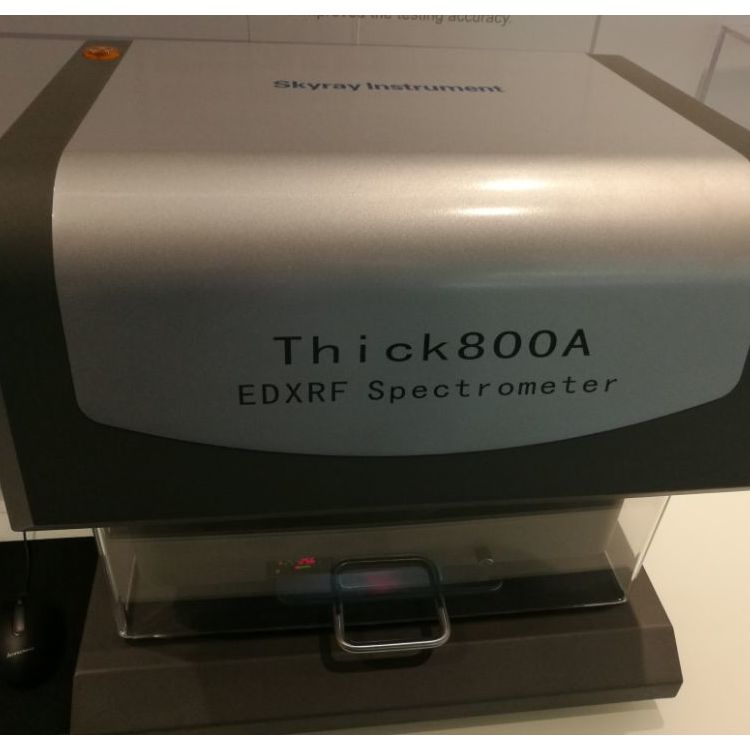
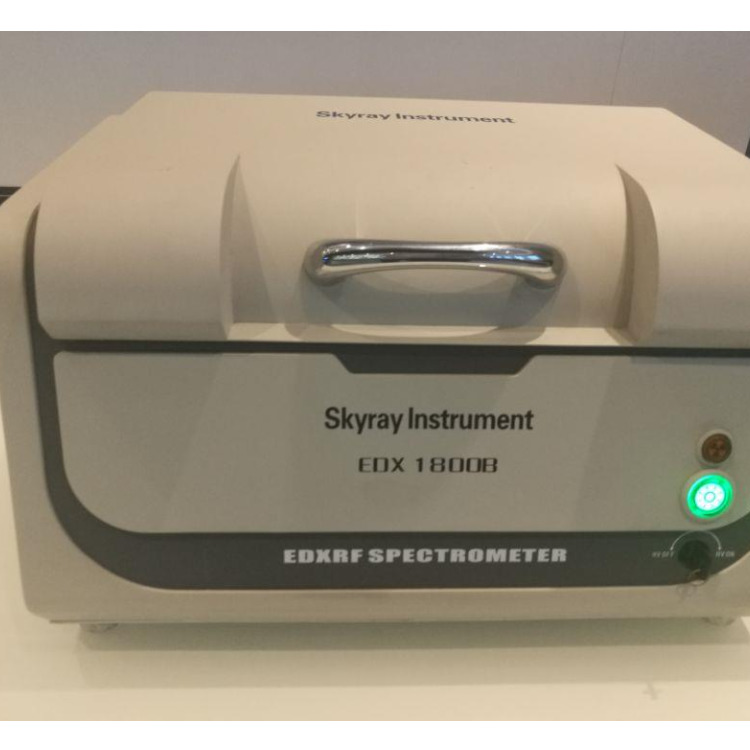
Atomic emission spectroscopy analysis determines the chemical composition of matter based on the spectral light emitted by atoms. Different substances are composed of atoms of different elements, and all atoms contain a tightly structured atomic nucleus surrounded by constantly moving electrons. Each electron resides at a specific energy level with a certain amount of energy. Normally, atoms are in a stable state, with their energy being minimal, a state known as the ground state. However, when atoms are acted upon by energy (such as thermal or electrical energy), they gain energy through collisions with high-speed gaseous particles and electrons, causing the outer electrons to jump from the ground state to higher energy levels. Atoms in this state are called excited states. The energy required for an electron to jump from the ground state to the excited state is called the excitation potential. When the applied energy is sufficient, the electrons in the atom break free from the nucleus's binding force, turning the atom into an ion, a process known as ionization. The energy required for an atom to lose an electron and become an ion is called the first ionization potential. The outer electrons in ions can also be excited, with the required energy being the excitation potential of the corresponding ion. Atoms in an excited state are highly unstable and quickly transition to the ground state or other lower energy levels in a very short time.
Emission spectrum analysis calculates the content of the measured atom or molecule based on the intensity of the characteristic spectral lines emitted in the excited state.
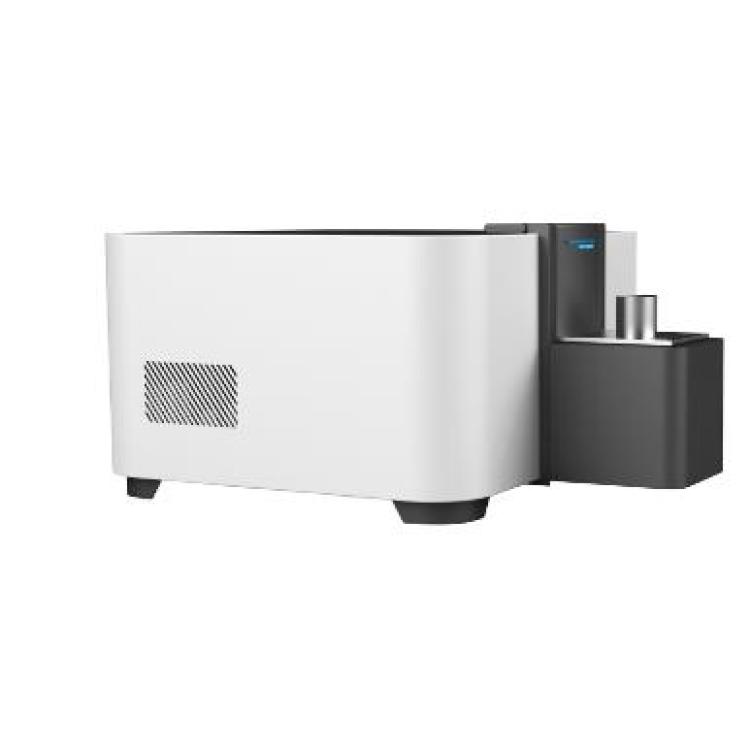
Near-Infrared Spectrometer Product Introduction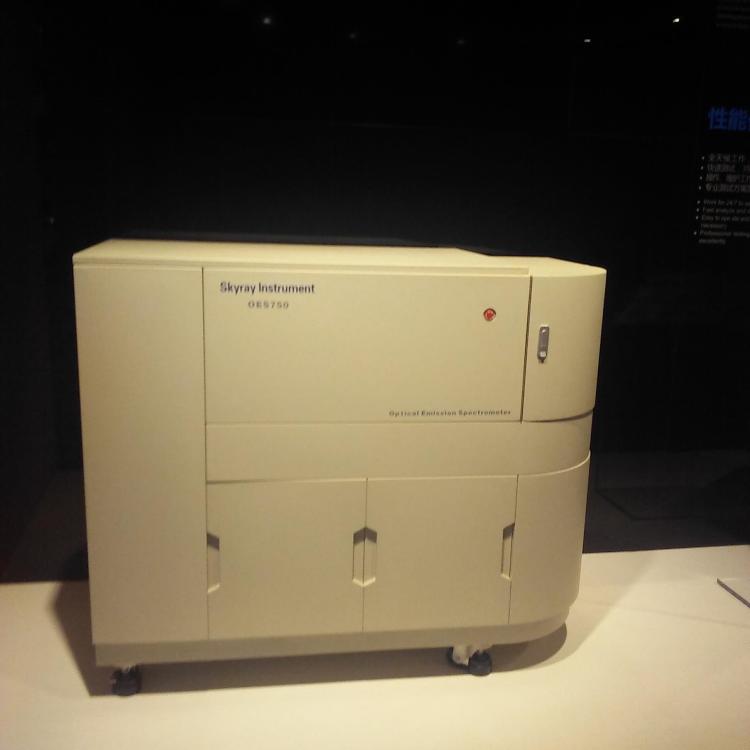
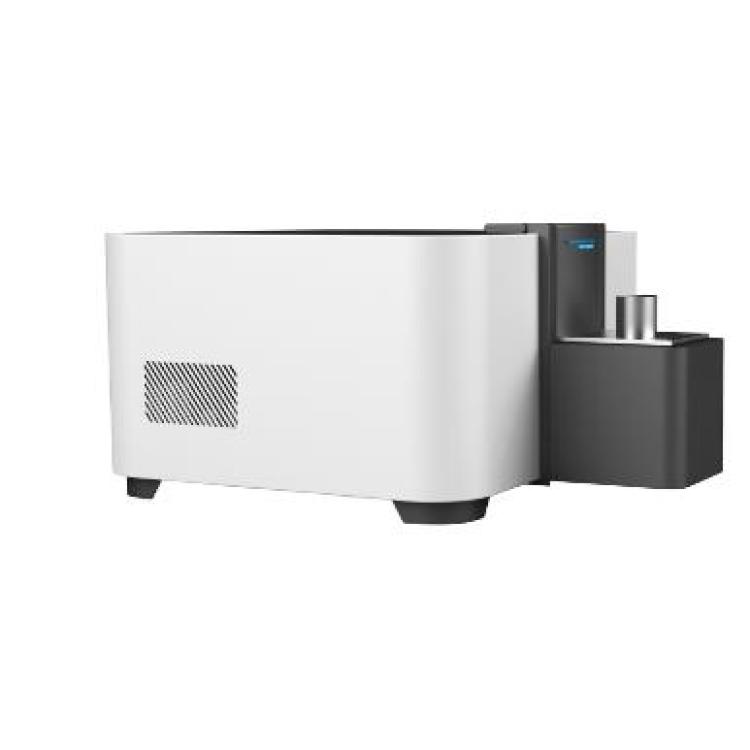
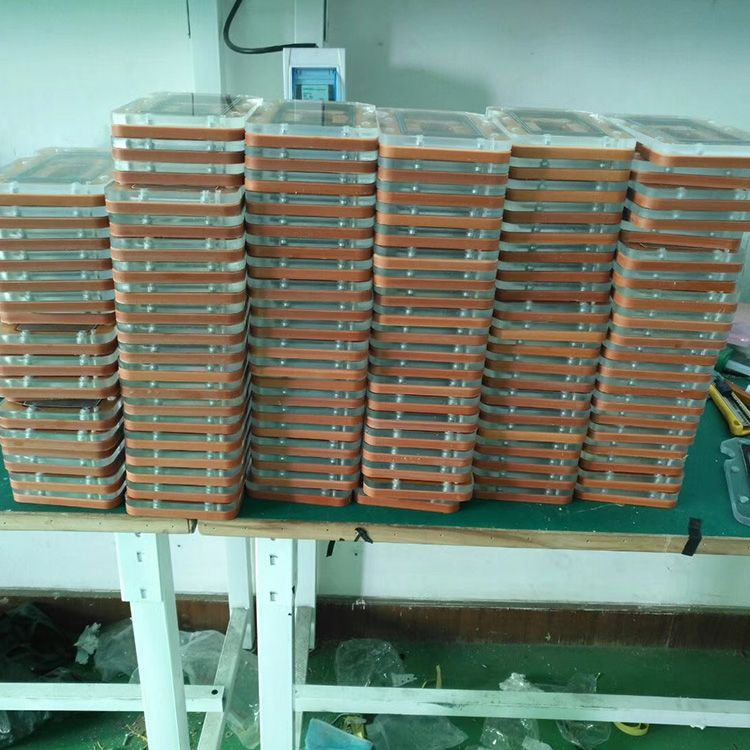
The near-infrared (NIR) spectrometer employs an optical design integrating holographic digital gratings and a high-sensitivity indium gallium arsenide (InGaAs) detector (TEC refrigerated and temperature-controlled) for analysis, based on diffuse reflection techniques, with a wavelength range of 1000-2500nm. It allows for non-destructive and rapid detection of certain physical and chemical components in solid particles, sheets, and powders through an external computer and RIMP software. The complete NIR spectrometer system is user-friendly, requiring only the placement of the sample disc on the platform, followed by a measurement click, for the instrument to automatically complete the analysis. The NIR spectrometer is widely used in feed production, oil and grain processing, grain procurement, and breeding research.
Near-Infrared Spectrometer Product Features
Easy to operate, no special training required, no sample pre-processing needed, and no damage to samples.
Fast analysis speed, capable of detecting multiple indicators simultaneously within one minute, such as moisture, fat, protein, fiber, ash, and more.
Suitable for various sample forms such as granules, flakes, and powders, with simple and convenient sample packaging.
Utilizing advanced grating scan spectral technology and InGaAs detectors, ensuring instrument stability and improved signal-to-noise ratio.
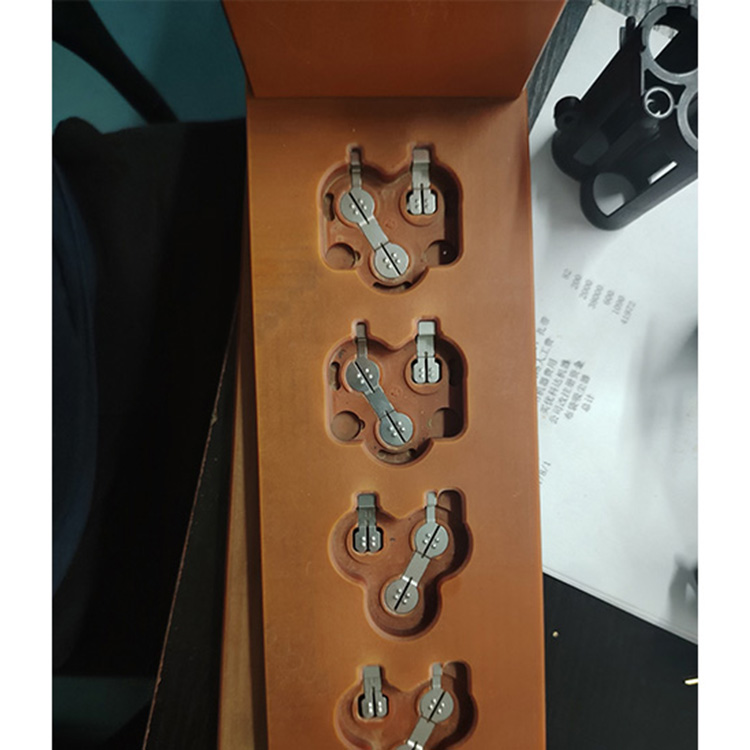
Rotary sample disc measuring method enhances the representativeness of uneven samples and improves the accuracy of measurement results.
The instrument is built with standard substances, featuring automatic diagnosis and fault alert functions.
The light source features an auto-alignment module design, eliminating the need for adjustment and allowing for easy replacement of the light source.
Multiple instruments can effectively pass on the model.
All-in-one professional software with a full Chinese interface, simple operation, and integration of instrument operation, modeling, and data processing.
Supports network connectivity for convenient daily maintenance and model upgrade services.
Rotary Sample Plate Design—Enhanced Inspection, Easy and Quick Light Source Replacement
Application Fields
Feed Industry, Oil Processing, Grain Trading, Breeding Research
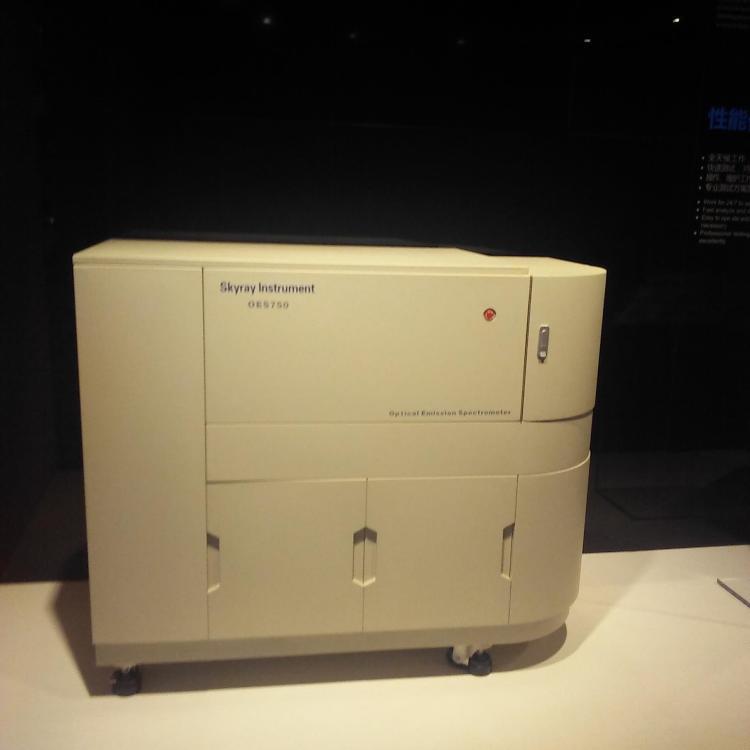
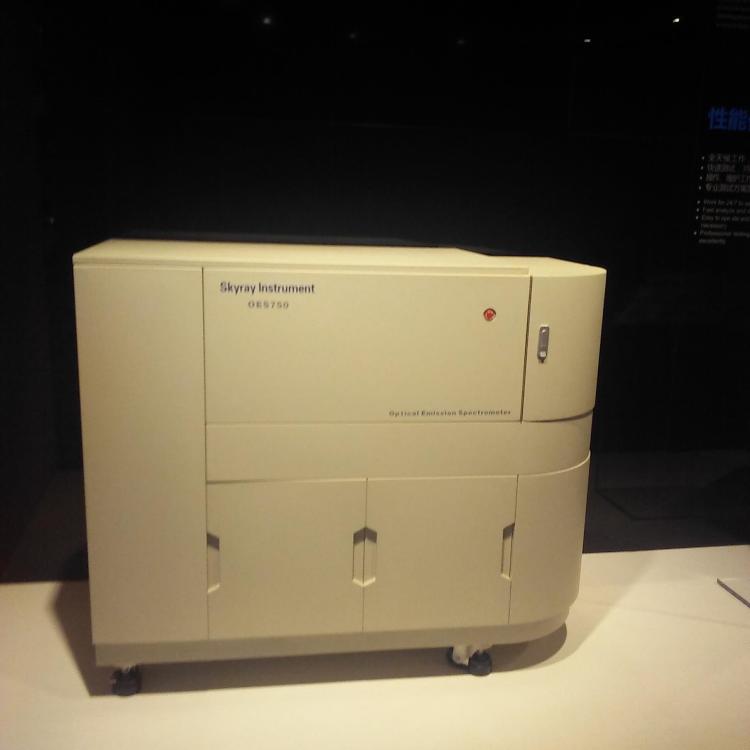
The Optical Multi-Channel Analyzer (OMA) is a novel spectral analysis instrument that has emerged over the past decade, utilizing photon detectors (CCD) and computer control. It combines functions such as data collection, processing, and storage into one unit. OMA eliminates the need for darkroom processing and subsequent繁琐 procedures, revolutionizing traditional spectroscopic techniques. It significantly improves working conditions and efficiency: Analyzing spectra with OMA is accurate, quick, convenient, and highly sensitive, with a fast response time and high spectral resolution. Measurement results can be immediately read from the display screen or output by a printer or plotter. It is widely used in almost all spectral measurement, analysis, and research, particularly suitable for detecting weak and transient signals.