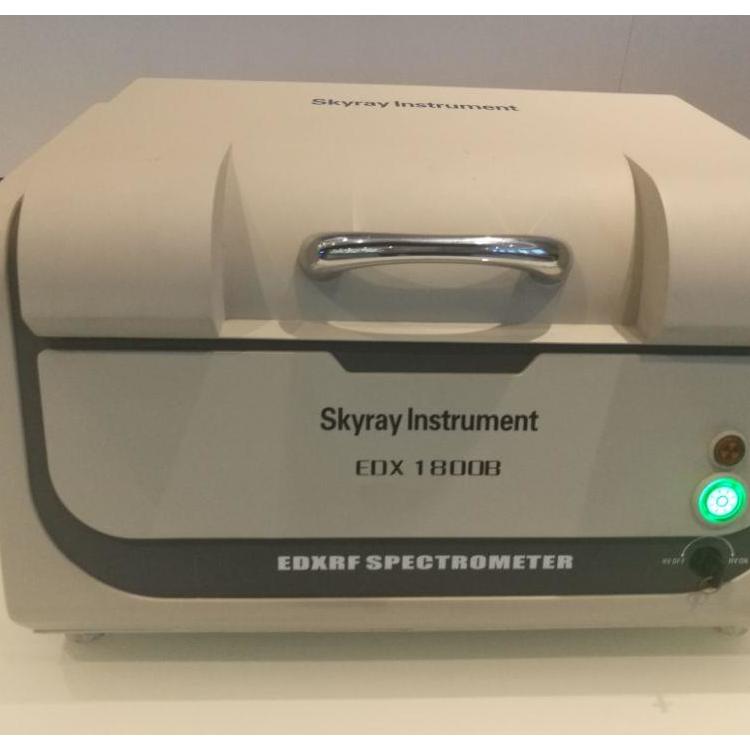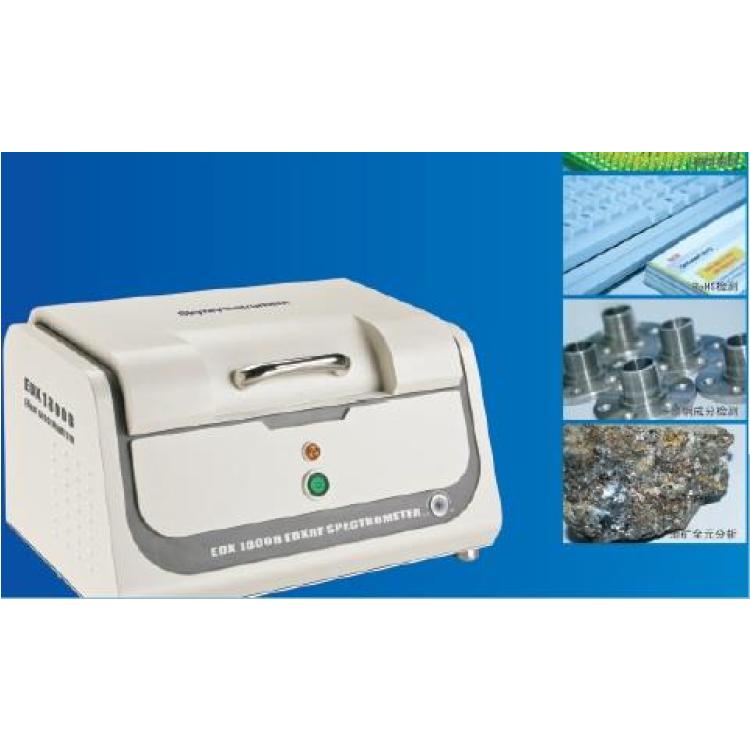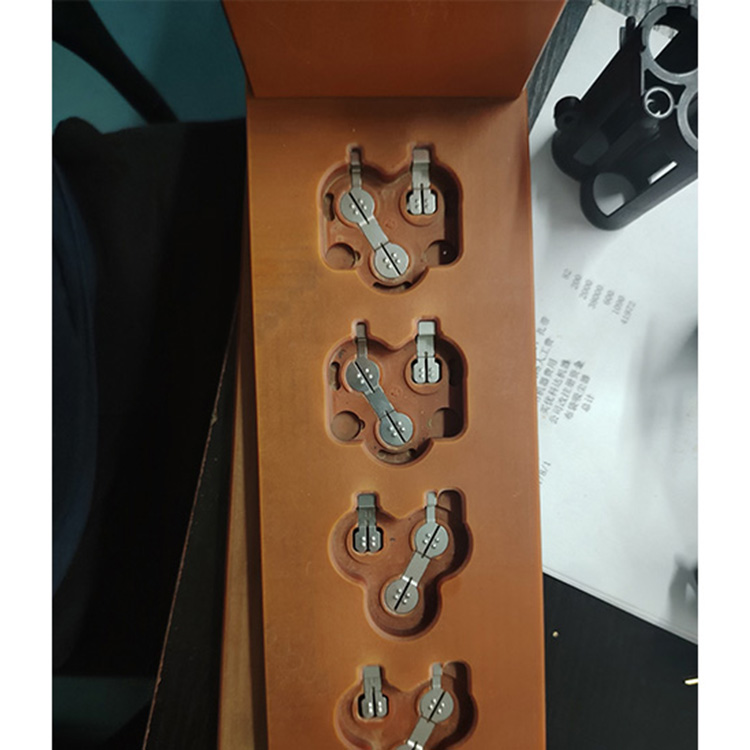


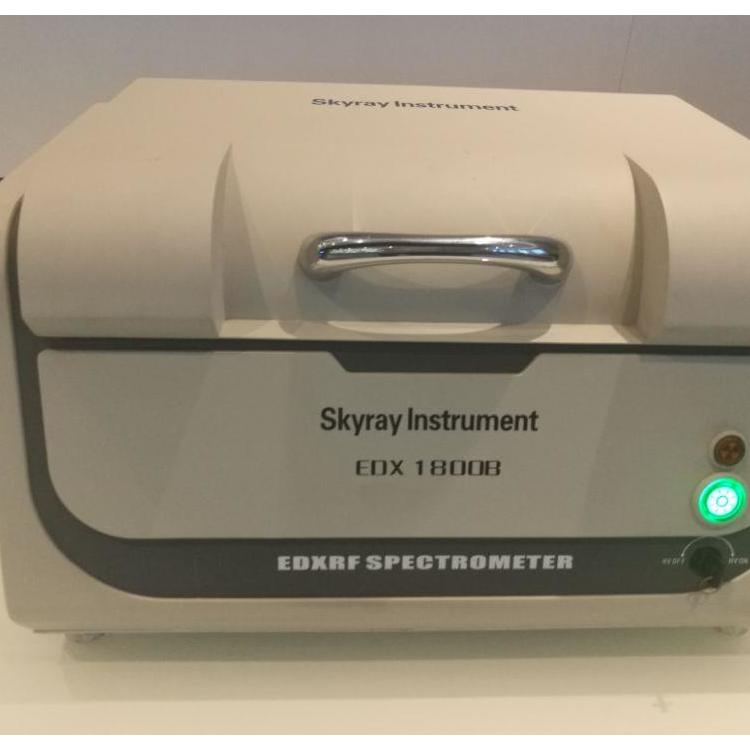
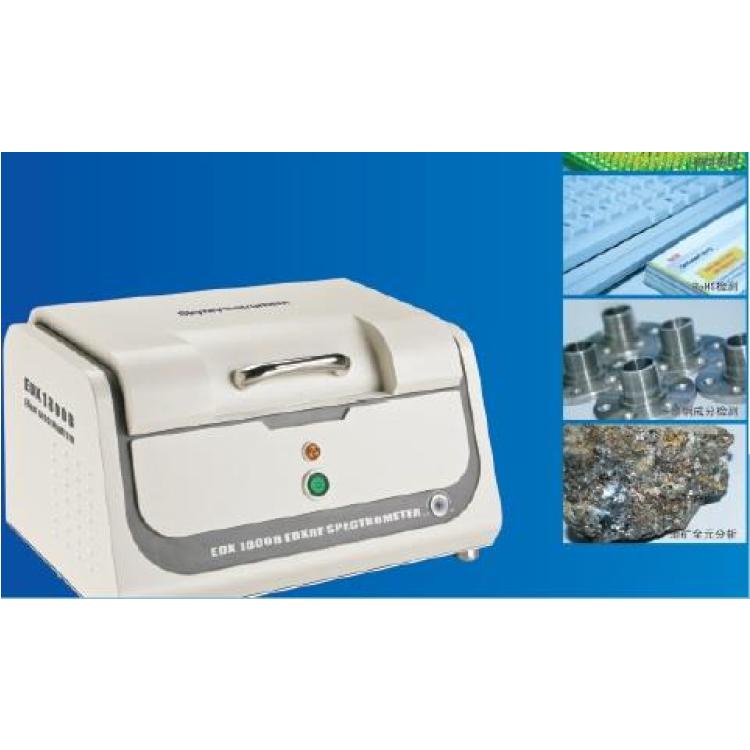
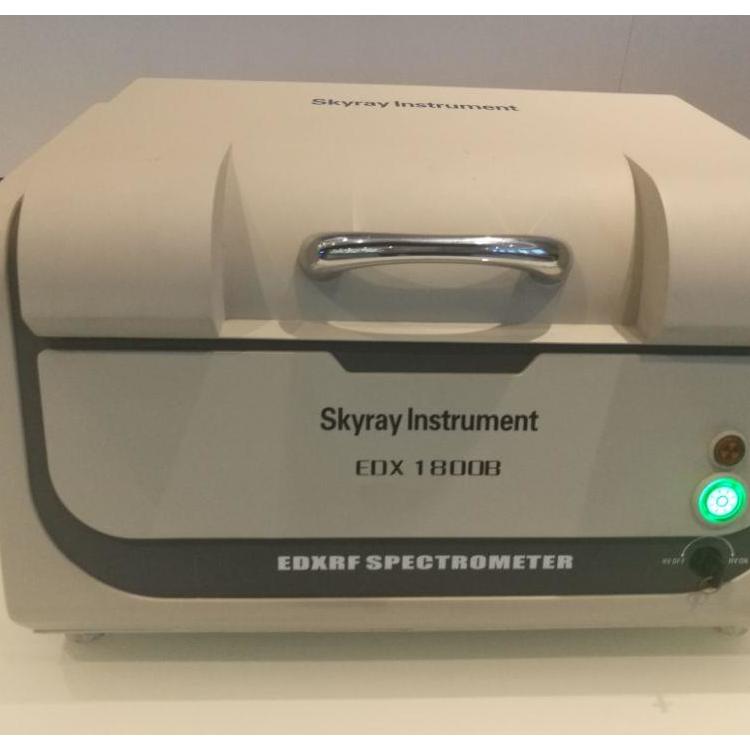







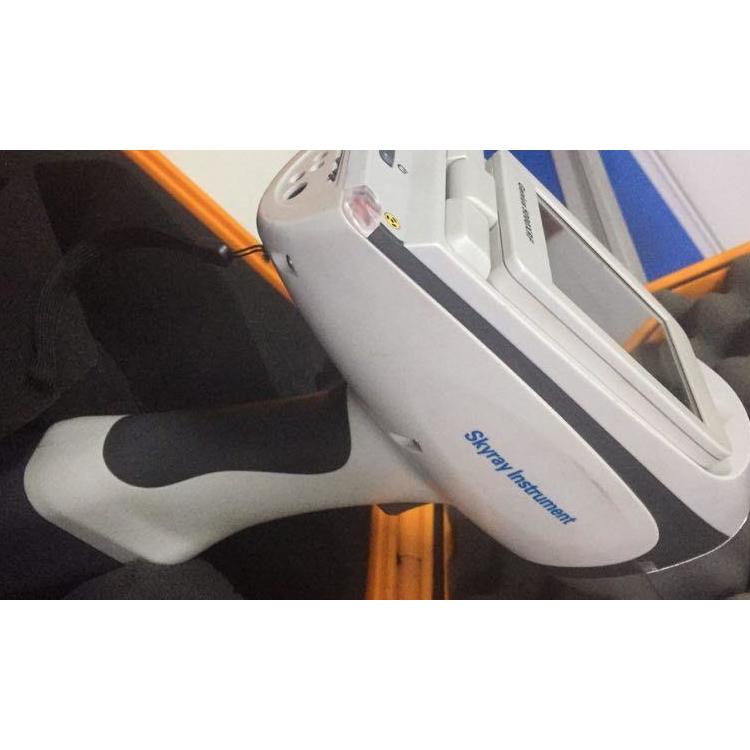
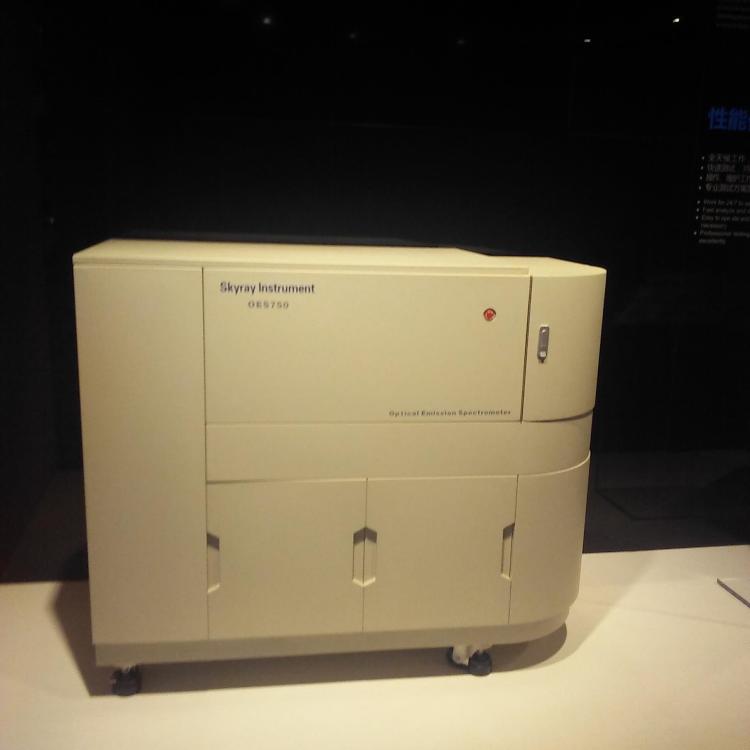
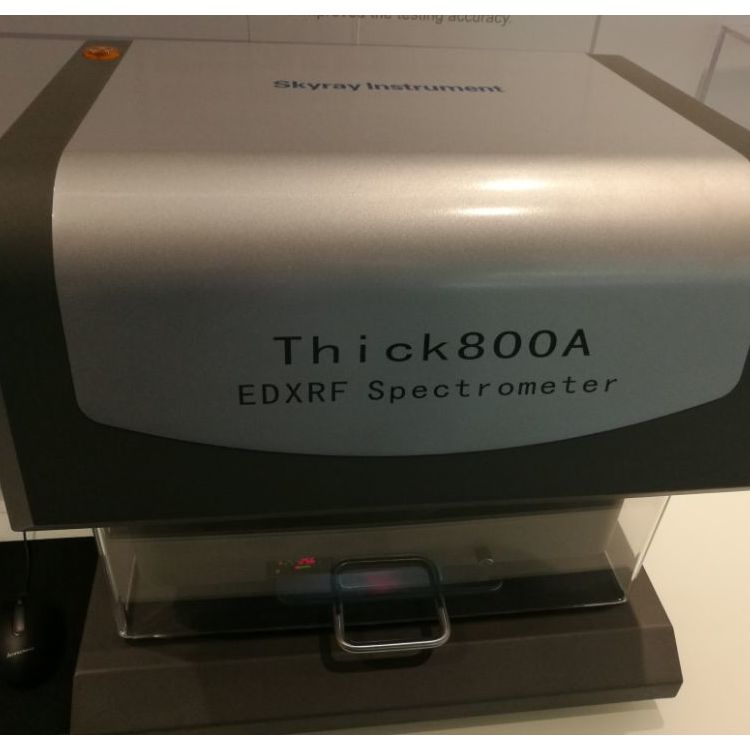
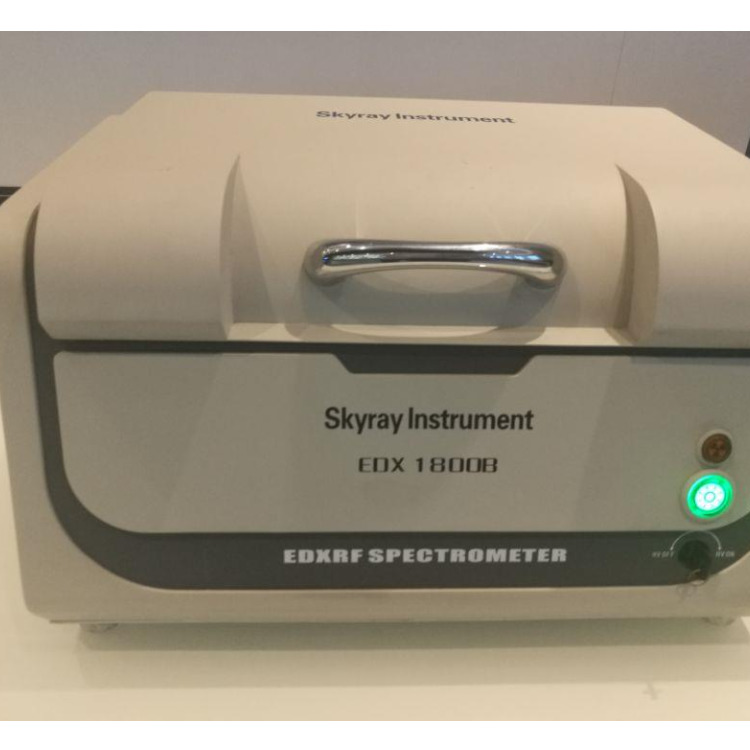
Following the implementation of the EU Toy Directive, the Tianrui XRF series has quickly become a powerful guarantee for toy manufacturers in toy safety testing. The Tianrui new-generation ROHS environmental test instrument with harmful element analyzer is more user-friendly and widely applicable. It can be used for material production of electronic components and parts; for third-party assessment of electronic component and raw material suppliers; for testing and verification of packaging materials; for harmful substance testing and verification of various batteries; as well as testing of various toys, stationery, children's products, and gifts; for unobstructed, unrestricted space testing of large-volume components; for precise positioning of delicate parts to eliminate interference; and for non-destructive testing of valuable items.
RoHS Industry Applications
Electronics and Electrical Appliances Manufacturing
Waste Electronic and Electrical Equipment Recycling
Machinery manufacturing and processing
Toy manufacturing
Packaging Material Production
Entry and Exit Inspection and Quarantine
......
Advantages in Instrument Application Fields
Analytical Elements: Analyze 9 major heavy metal elements
Sex: Harmful Element Analysis Software, featuring intelligent one-click testing and intelligent judgment functions
Super-size Sample Testing
When the sample is too large and cannot be cut for sampling, standard desktop instruments are unable to effectively test for harmful elements like ROHS. In such cases, the ROHS environmental test instrument can truly shine, allowing direct testing on the surface, offering greater convenience and speed, and significantly enhancing testing efficiency.
Toy sample testing
Toy samples are diverse, with a substantial volume of testing required. Repeated sampling leads to extended laboratory testing times. Utilizing an ROHS environmental testing instrument allows for on-site testing, significantly reducing the production cycle and saving production time.
Packaging Material Testing
Toy packaging materials have larger dimensions, a variety of styles, and more ink on the outer layer. Standard desktop computers cannot quickly conduct tests. The ROHS environmental test instrument allows for random selection of testing points, making operations faster and more flexible.
Waste Electronic and Electrical Equipment Recycling
For the recycling and utilization industry of waste electronic and electrical products, the ROHS environmental test instrument can conduct on-site testing and rapid classification of a large amount of electronic waste.
Technical Specifications:
Element analysis range from sulfur (S) to uranium (U)
Analytical detection limits can reach 1 ppm
Analysis content is typically 1ppm to 99.99ppm.
Any number of selectable analysis and identification models
Mutual matrix effect correction model
Multivariate Nonlinear Regression Program
Temperature range: 15℃ to 30℃
Power: AC 220V ±5V, recommended to use an AC purifying and voltage stabilizing power supply
Energy Resolution: 160 ± 5 eV
Dimensions: 550×416×333mm
Sample cavity size: 460×298×98mm
Weight: 45 Kg
Standard Configuration
Sample Platform
Electro-cooled Si-PIN Detector
Inspect electronic circuits
High and low voltage power sources
High-power X-ray tube
Computers and inkjet printers
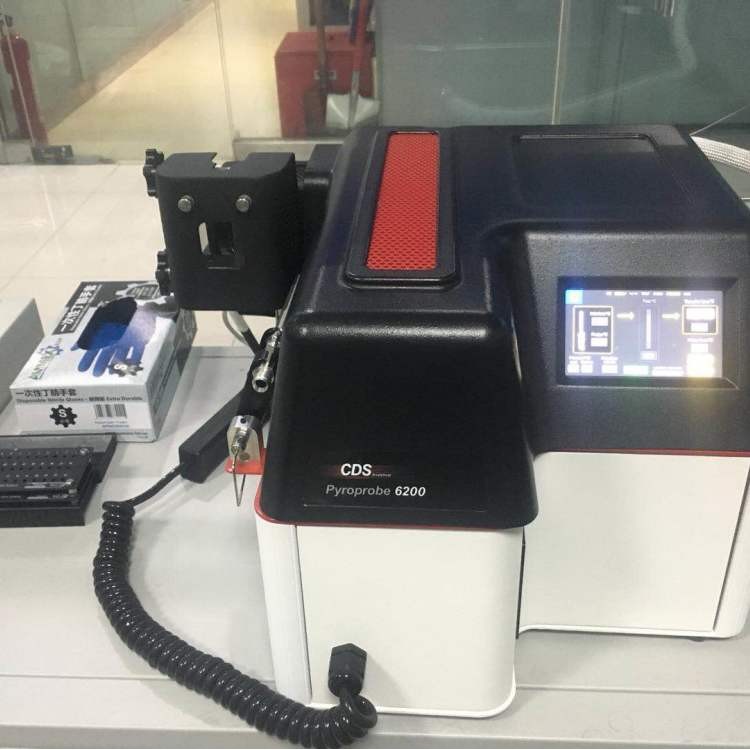
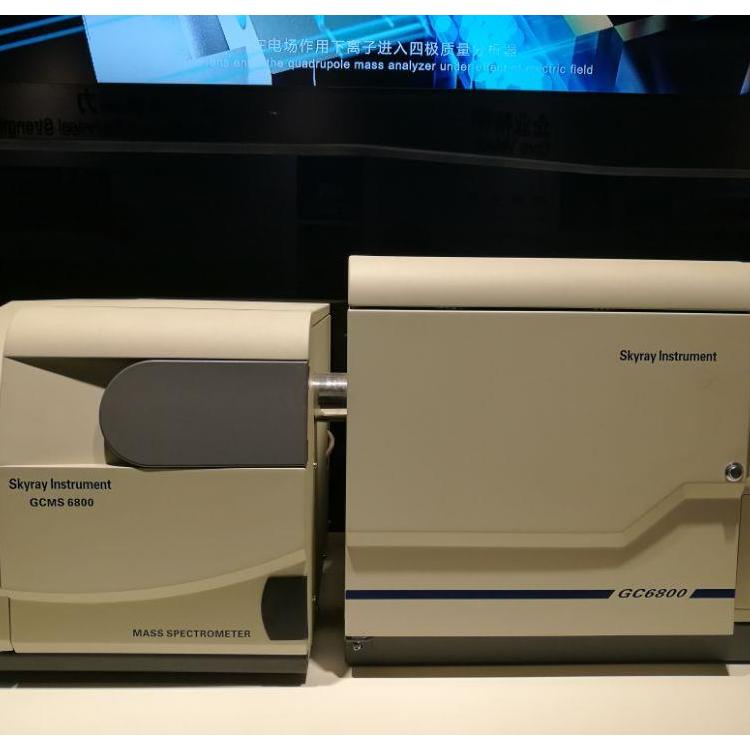
The GC-MS 6800 is a top-performing, cost-effective ROHS2.0 environmental testing instrument for gas chromatography-mass spectrometry, meticulously crafted by Tianrui Instruments. It boasts multiple patents, with features such as rapid analysis, accurate qualitative and quantitative results, and simple software operation. The instrument is easy to maintain and clean, suitable for long-term and stable use by corporate and laboratory users. The GC-MS 6800 is used for detecting ROHS2.0 organic substances, characterized by low detection limits, strong qualitative capabilities, and accurate quantification. It can be widely applied in the RoHS industry for the detection of various organic substances such as polybrominated compounds, polybrominated ethers, hexabromocyclododecane, phthalates, and polycyclic aromatic hydrocarbons.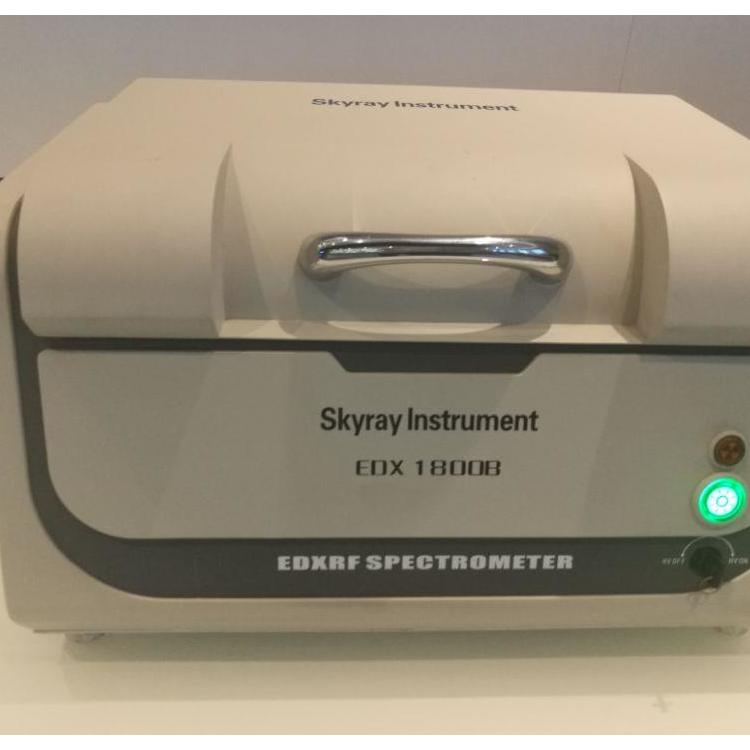
Performance Advantages
International-grade Quality: Core components are consistent with international mainstream products, ensuring that the GC-MS 6800 boasts the same performance and quality as foreign instruments.
Meet More Demands: Tianrui Instruments offers a variety of high-performance accessories to meet the diverse needs of different fields and customers.
Human-Centric Design: The whole machine's human-centric design facilitates operation and makes daily maintenance easier.
Higher ionization efficiency: Entire machine modular design, with the use of Tianrui's new ion source, achieving higher ionization efficiency and significantly improving the overall sensitivity of the machine.
ChemStation Chromatography Workstation: Realization, Fast, Multi-functional Instrument Control, Data Acquisition, Data Processing
Exceptional cost-performance ratio: Tianrui delivers greater value to customers while meeting all application requirements.
Scientific Solutions: Tianrui Instruments' powerful application R&D center provides customers with customized application analysis solutions, ensuring a tailored comfortable experience.
Cost of consumables: Filaments and other consumables and accessories, while enjoying the performance, customers can also save a considerable amount of expenses on instrument maintenance.
Comprehensive After-Sales Service: Tianrui Instruments responds swiftly to customer needs and offers round-the-clock technical support.
Technical Advantages
Hardware
Our GC system, featuring electronic flow control (EFC) and electronic pressure control (EPC)
EI filament, high electron emission efficiency, up to 300μA
Single quadrupole mass spectrometer with pre-quadrupole, effectively reducing the contamination of the quadrupole rod during sample testing.
Electromultipliers with high-energy conversion dynodes offering enhanced sensitivity
Imported mechanical pumps and pump assemblies provide superior vacuum systems, ensuring high stability and reliability of the system.
Equipped with full vacuum gauge, real-time monitoring of vacuum conditions
A comprehensive protection system ensures the safety of critical components in the instrument during abnormal conditions, thereby extending the instrument's lifespan.
Our RF power source digital compensation technology enables high sensitivity and resolution for mass spectrometry peaks across the entire mass range.
Software
Workstation software can simultaneously control a gas chromatograph, an automatic sampler, and a mass spectrometer, achieving data collection and transmission via a high-speed network card.
Supports Full Scan (FULL SCAN) and Selective Ion Scan (SIM) modes
Achieves full scan and SIM scan; supports manual and automatic tuning; displays total ion current and mass spectrum in real-time; rapidly extracts ions and full scan spectra
Data processing software can automatically search for target compounds based on the mass spectrum of the sample in the NIST2011 library, and display the search results. The search results show each compound's details.
Retained time for the actual measurement, structural patterns, and standard spectra; confirm the standard abundance ratios between ions and the measured abundance ratios for users to accurately identify and quantitatively analyze.
Instrumentation configuration
GC Technical Specifications
Inlet temperature: 450°C, any temperature point is controllable
Pressure Control Range: 0~100 psi, Control Accuracy: 0.002 psi
Pressure Control Mode: Electronic Pressure Control, supporting Constant Pressure and Constant Flow
Diversion Mode: Diversion and non-diversion inlet, diversion ratio 1000:1
Column temperature box operating temperature: Room temperature +4℃ to 450℃
Column oven heating rate: 120°C/min (column oven)
Platform Heating: 7th Stage, 8th Platform Program Heating
AutomatedSampler: Optional
MS Technical Specifications
Ionization Energy (EI Source): 5eV to 250eV (adjustable)
Quality Range: 1.5~1000 amu
Resolution: Unit Mass Resolution
Ion Source Temperature: 100-350°C
Filament Current Emission: 0~350 uA
Gas Quality Interface Temperature: 450℃
Quality Axial Stability: ±0.10 amu/48 hrs
Sensitivity: Full scan, 1 pg of octafluoronaphthalene (OFN) at m/z 272 amu with signal-to-noise ratio (S/N) ≥ 30:1 (RMS)
Scanning Rate: amu/s
Vacuum System: Turbomolecular Pump (67 L/s)
Detector: Electron Multiplier with High-Energy Dynode (HED)