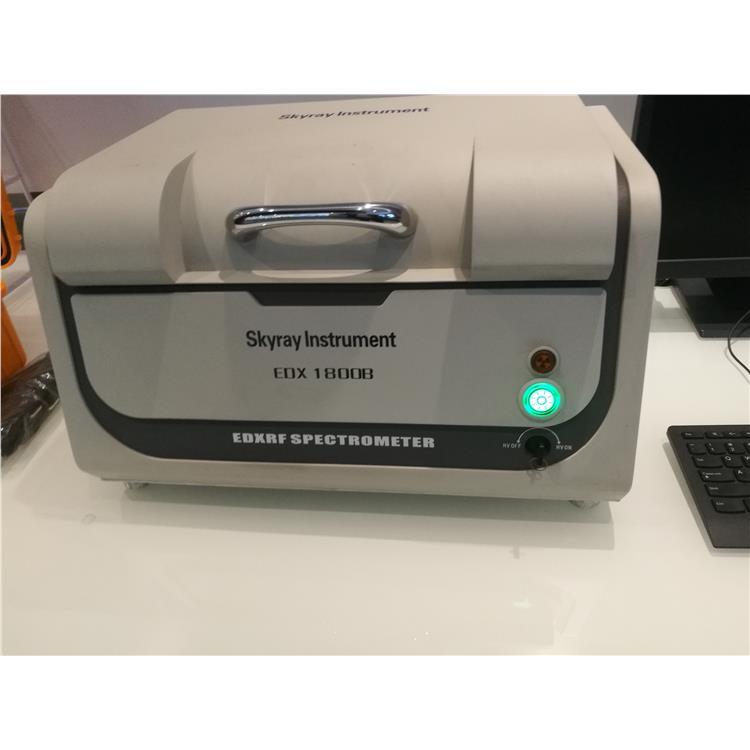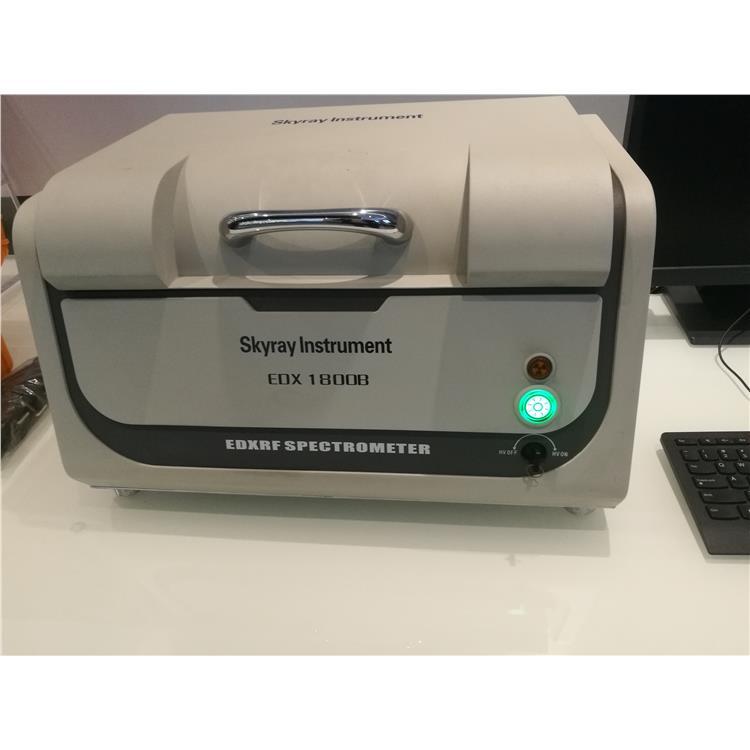

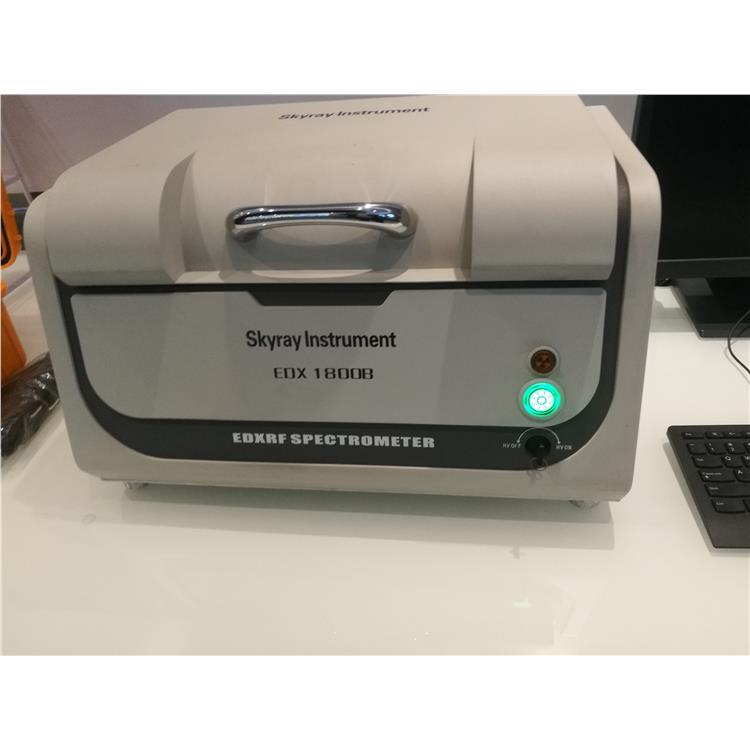

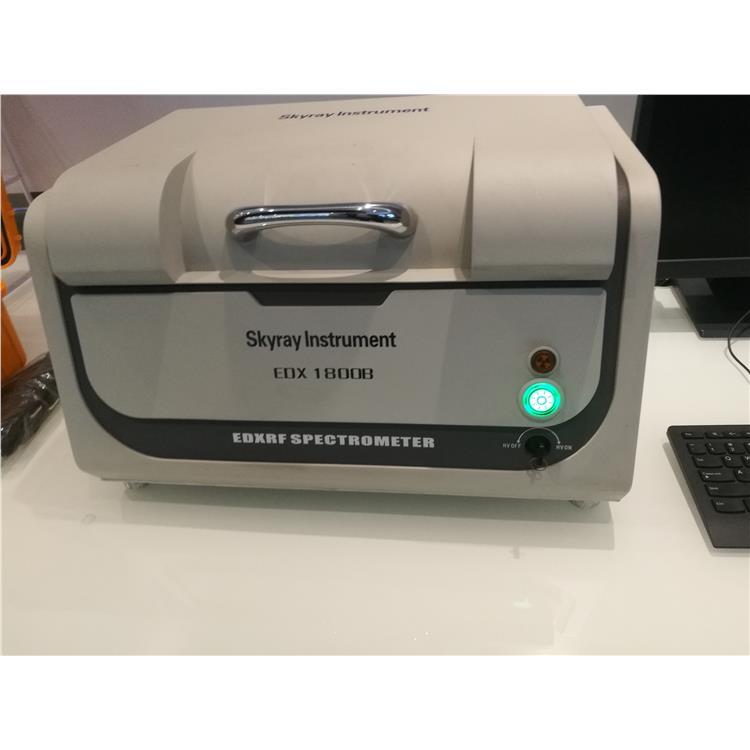
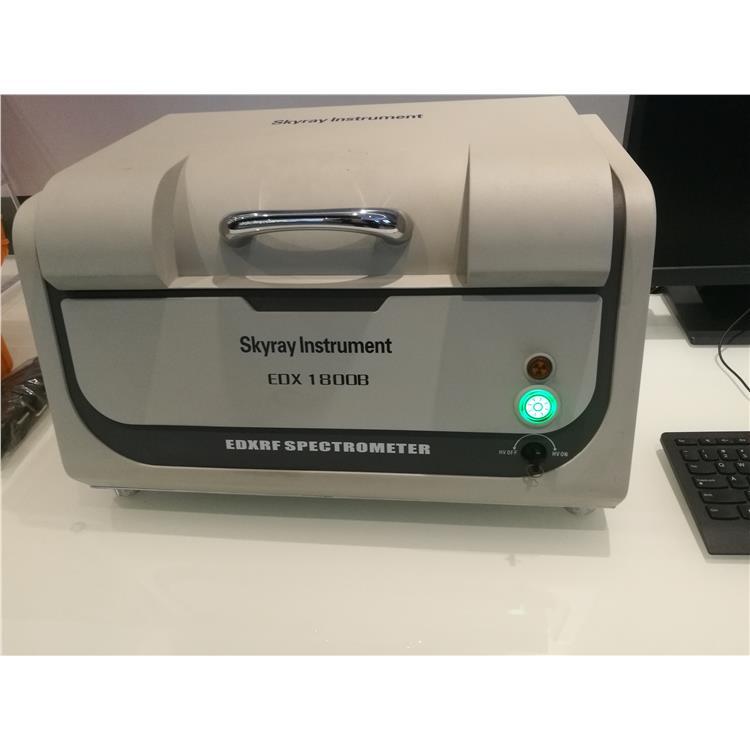
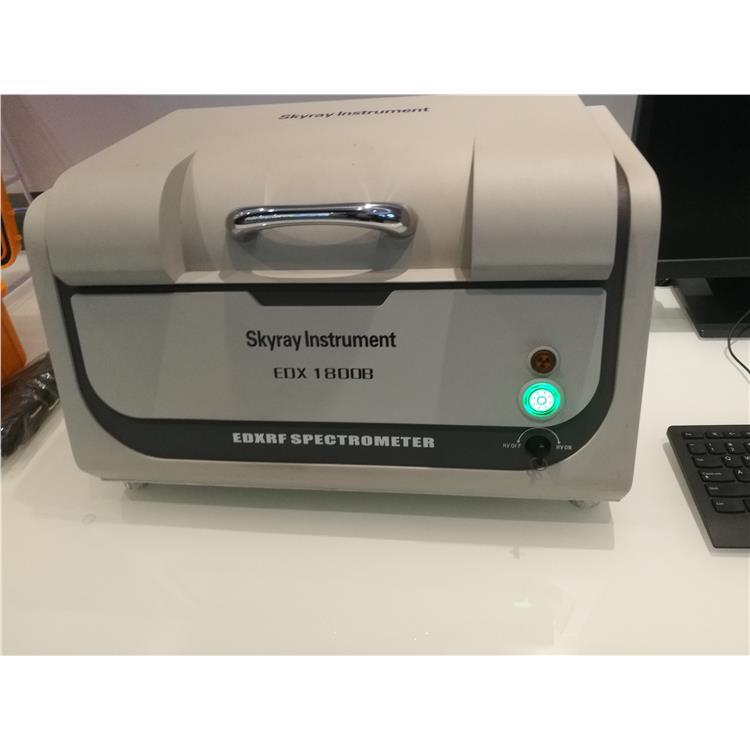









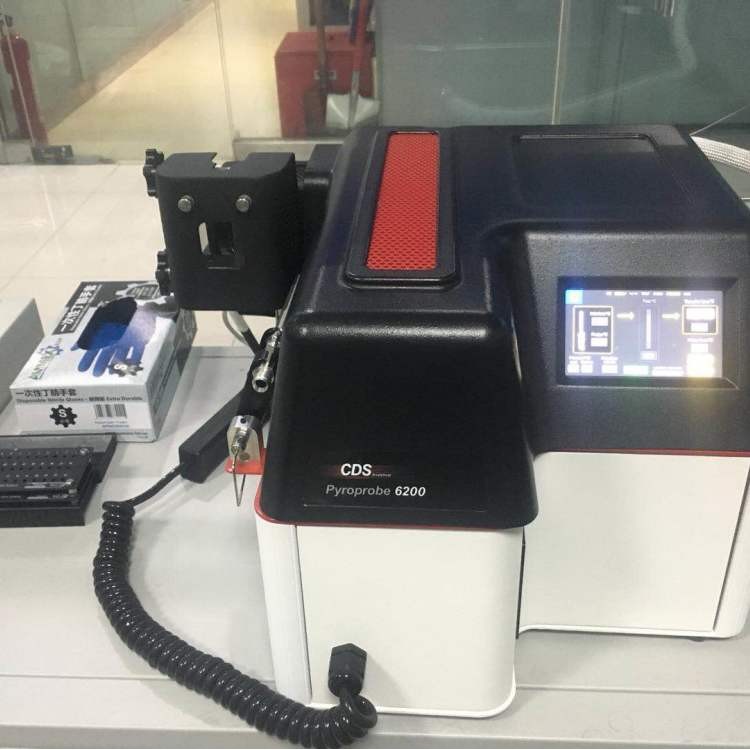
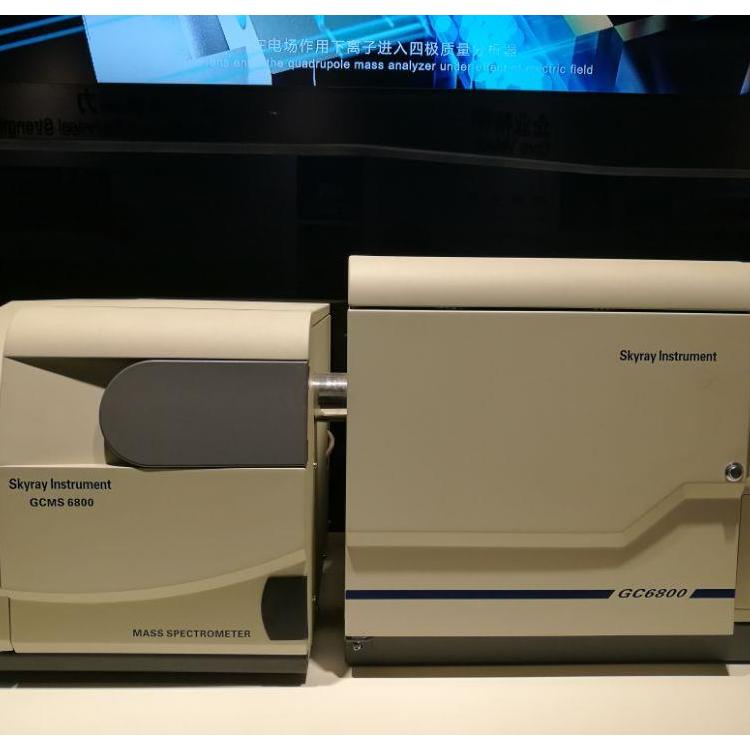
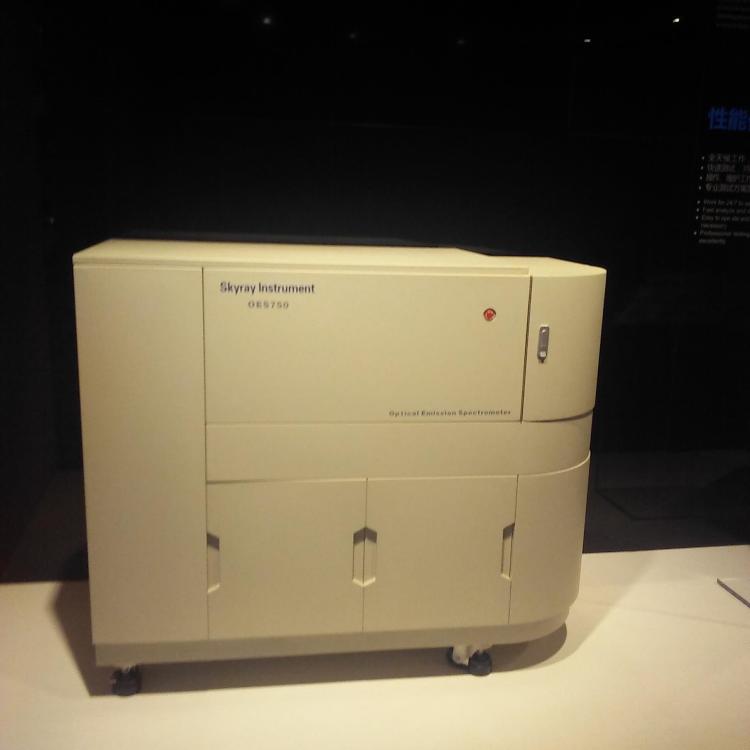
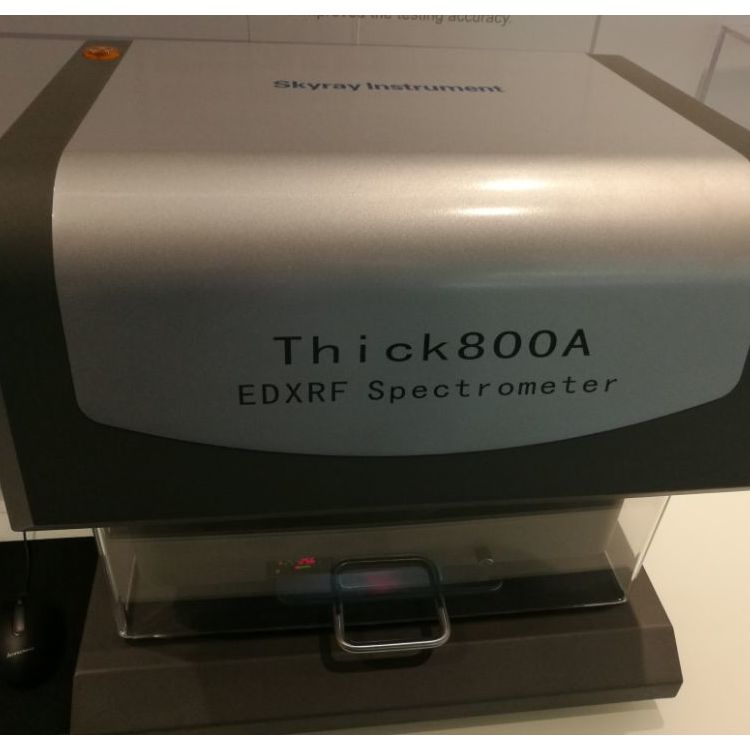
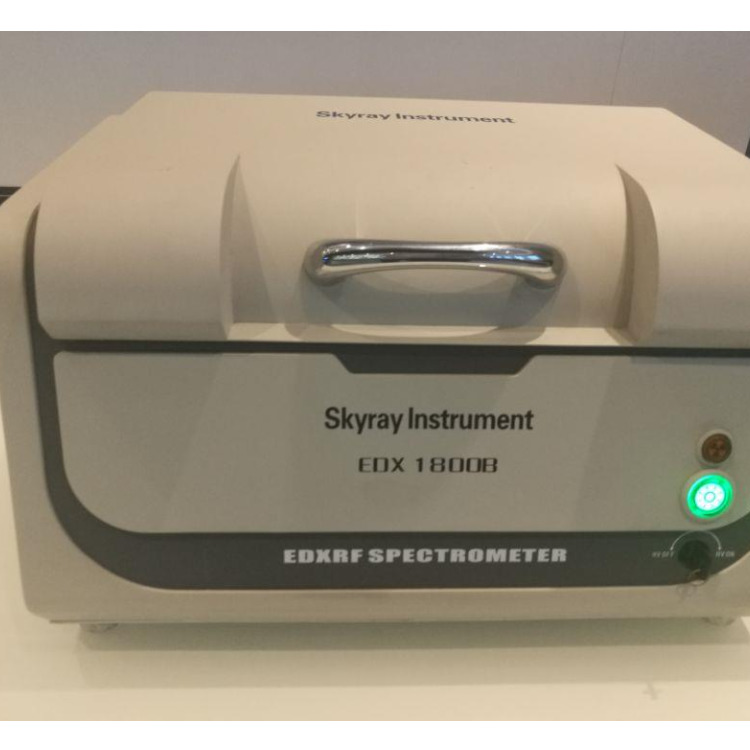
Tianrui Instruments' detailed technical specifications for the edx1800b product, including parameters and performance configurations. For inquiries about the EDX1800b product quote and description, please contact the Sales Department of Jiangsu Tianrui Instruments Co., Ltd. The one-touch design XRF testing instrument is widely used for testing and analyzing harmful substance content in compliance with the RoHS directive. Its characteristic of no need for chemical pretreatment makes it suitable for factory analysis efficiency and simplifies testing procedures.
Application Fields
Rapid Waste Detection
Geological and Alloy (copper, stainless steel, etc.) Composition Analysis
Thickness measurement of metal coatings, determination of electroplating solution and coating content
Gold, platinum, silver and other precious metals, as well as the content of various ornaments detection
Primarily used in the solid waste industry, precious metal processing, and decorative processing; banking, jewelry sales, and testing institutions; electroplating industry
Instrumentation configuration
Sample Platform
Signal-to-Noise Ratio Amplifier
SDD Detector
Inspection of Electronic Circuits
High and low voltage power sources
High-power X-ray tube
Computers and inkjet printers
Product Advantages
1. Sample analysis is non-destructive and rapid, capable of quickly analyzing unknown samples.
2. Portable testing can be conducted with a small XRF device.
3. Under the condition of ensuring the completeness of the working curve and pre-treatment of the samples, the test results exhibit good repeatability and high accuracy.
4. Multiple elements can be tested simultaneously and results can be obtained; over 20 elements can be tested in one go.
5. Suitable for internal process control during production, featuring online testing, rapid speed, and quick response production lines.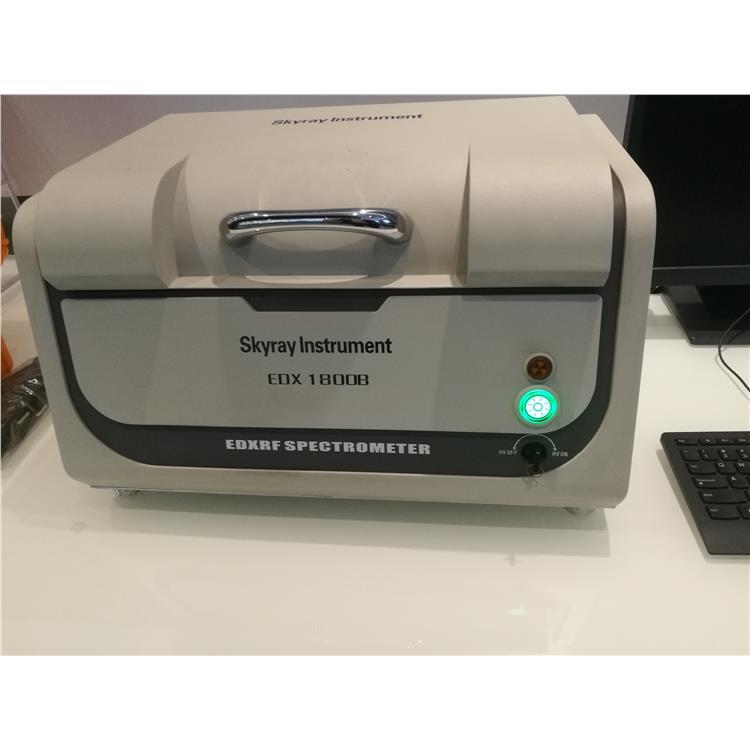
A fluorescence spectrometer is a shorter-wavelength electromagnetic, typically referring to photons with an energy range of 0.1^-100 keV. The interaction of a desktop X-ray fluorescence spectrometer with matter mainly involves fluorescence, absorption, and scattering. An X-ray fluorescence spectrometer produces characteristic X-rays from the constituent elements of a material, and by analyzing the X-ray fluorescence emitted from the sample, one can determine the elemental composition of the sample and obtain qualitative and quantitative information about the material's composition.
The generation and characteristics of the feature desktop X-ray fluorescence spectrometer: When a high-energy electron beam illuminates a sample, the incident high-energy electrons are decelerated by the electrons in the sample. This negative acceleration of the charged particle generates a broadband continuous X-ray spectrum, commonly referred to as continuous or bremsstrahlung. On the other hand, when chemical elements are exposed to high-energy photons or particles, such as when inner electrons are excited, characteristic X-rays are emitted during the transition of outer electrons. Characteristic X-rays form a discrete spectrum. If the excitation source is X-rays, the X-rays produced are called secondary X-rays or X-ray fluorescence. Characteristic X-rays illustrate the process of generating the characteristic X-ray spectrometer.
The RoHS analyzer is an X-ray fluorescence spectrometer that integrates the Halogen Directive, RoHS Directive, and Heavy Metal Directive. It offers excellent detection limits and accuracy for elements like lead, mercury, cadmium, and barium. The X-ray fluorescence spectrometer determines element content based on the intensity of characteristic X-rays of each element. In recent years, X-ray fluorescence analysis has expanded its application range across various industries and has become widely used in fields such as metallurgy, geology, non-ferrous metals, construction materials, commodity inspection, environmental protection, and health. It is particularly prevalent in RoHS testing. Most analytical elements can be analyzed using this instrument, which can handle samples such as solids, powders, melt beads, and liquids, with an analysis range from Be to U. It also features fast analysis speed, wide measurement range, and minimal interference.
Basic Terminology Knowledge for ROHS Detectors
Precision
Defined as the mean of multiple determinations of the same sample, m, and the difference between each determination, mi. In other words, precision is synonymous with reproducibility (Reproducibility or Repeatability). The precision of X-ray fluorescence analysis is related to the duration of measurement; the longer the measurement time, the higher the precision.
2. Repeated
Defined as the relative standard deviation of consecutive tests on the same sample, with eleven or twenty-one tests performed.
3. Accuracy
Defined as the deviation of each measured value (mi) from the true value (t). Therefore, if precision is poor, accuracy is also necessarily poor. Conversely, accuracy can be very low while precision is sometimes quite high. This is because there may be systematic errors present. To ensure reliability, both precision and accuracy need to be high.
4. Tolerance
The error in X-ray fluorescence analysis is often difficult to calculate, so, typically, the error caused by statistical fluctuations is considered as the measurement error.
5. Detection Limit
The element concentration at which the peak intensity exceeds three times the standard deviation of the background intensity is called the detection limit (or detection limit). At this point, the confidence level (degree of reliability) of the measured concentration is 99.87%. To determine the detection limit, it is generally necessary to measure with samples of lower concentration. The detection limit varies depending on the type of sample (matrix) used.
6. Counting Statistics Error
In the measurement of radioactive materials, assuming the stability of the instrument and the mechanical linearity are ensured, the errors generated by the instrument's mechanics can be negligible, but the counting statistical error cannot. The X-ray intensity is obtained by counting the photons converted into pulses after being incident on the counter. Therefore, the count values inherently have statistical errors. The distribution of the measured X-ray count values (N) is a random event, with the standard deviation calculated from N. N is referred to as the statistical error. The longer the time, the smaller the relative deviation, meaning higher precision.