













I. Equipment Introduction
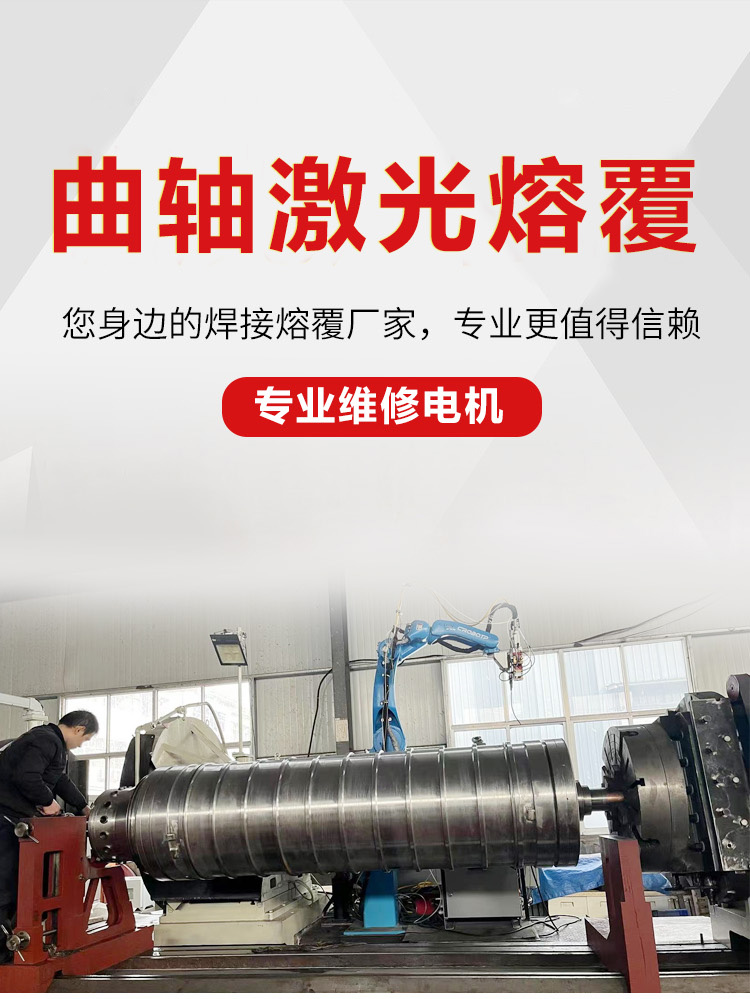
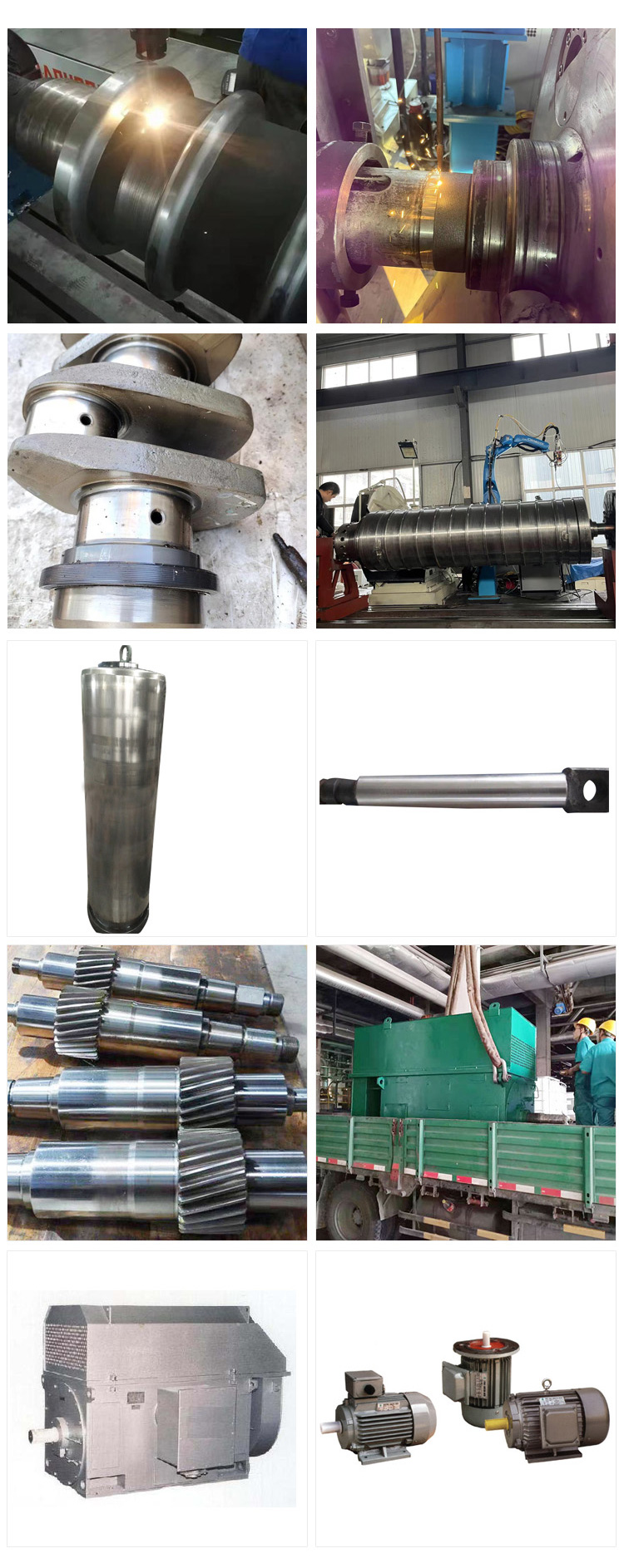
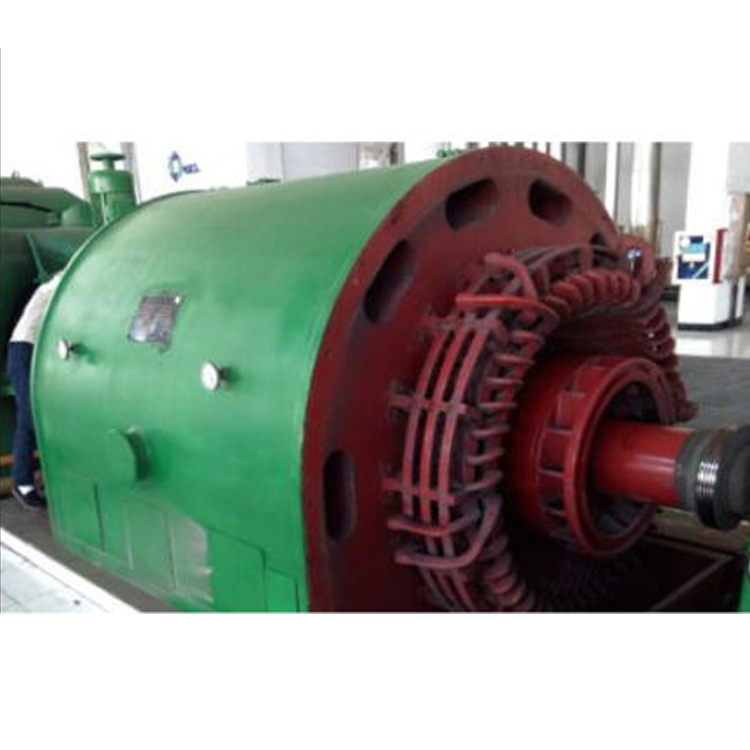
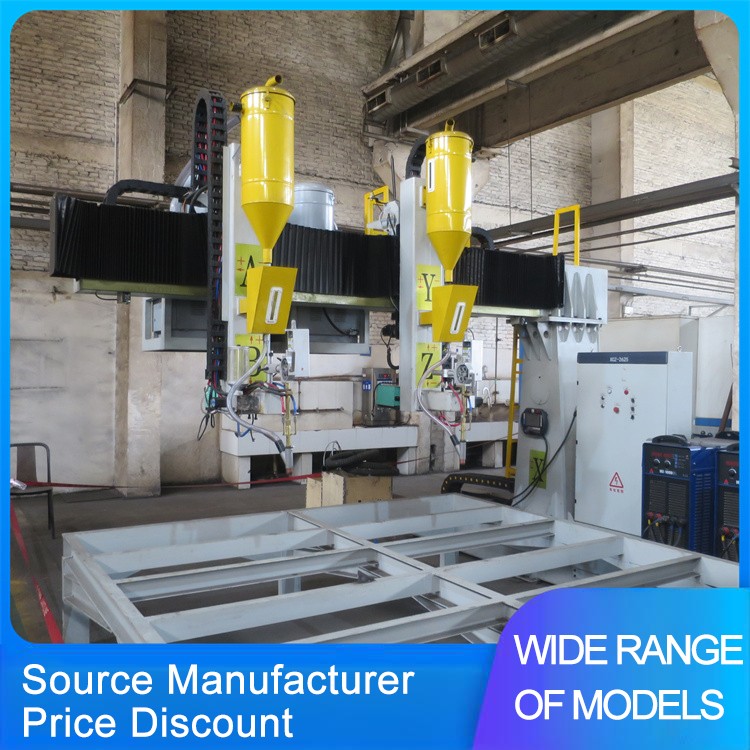
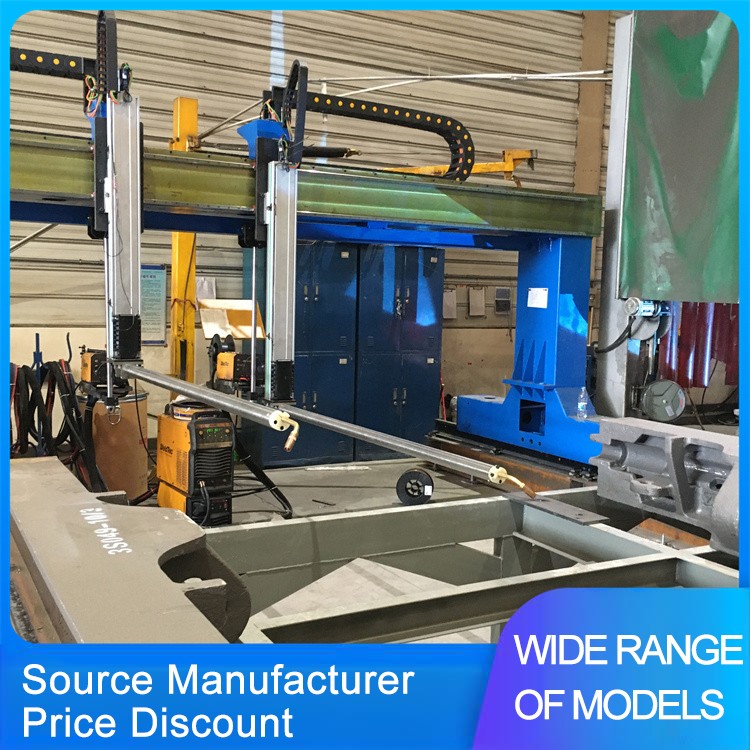
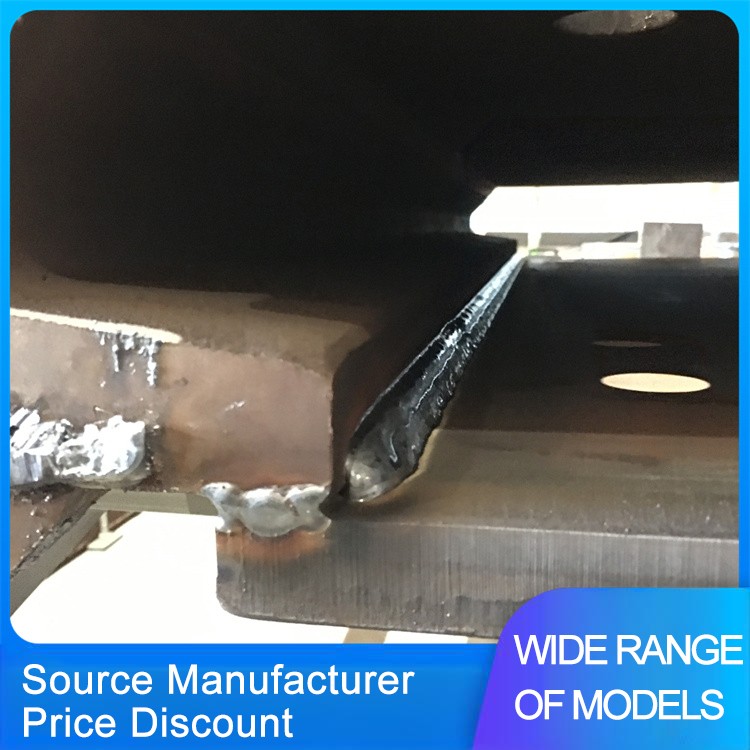
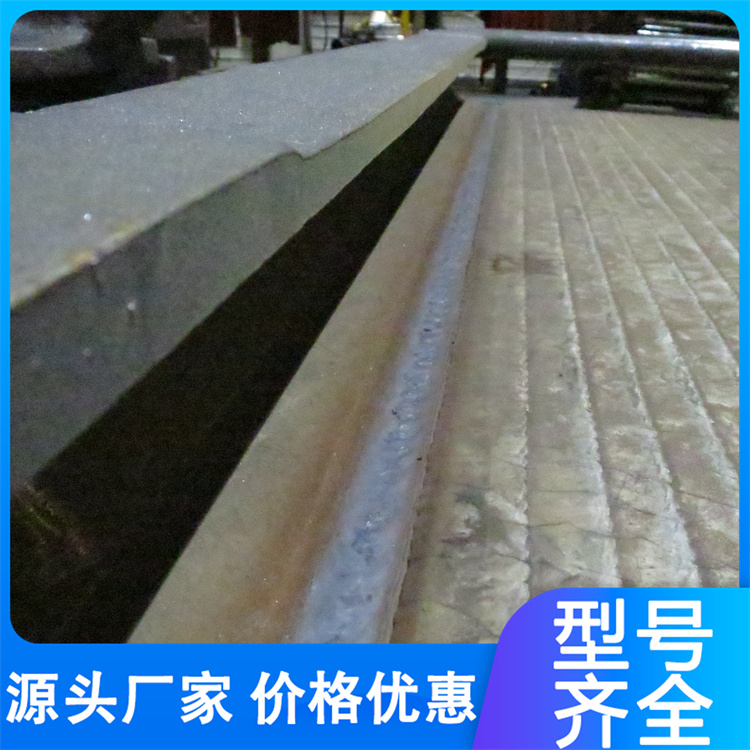
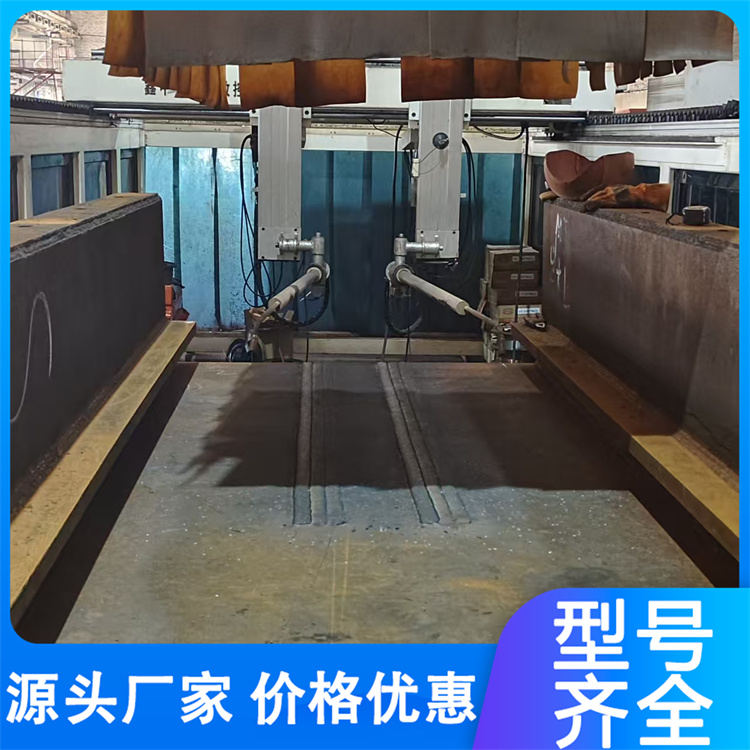
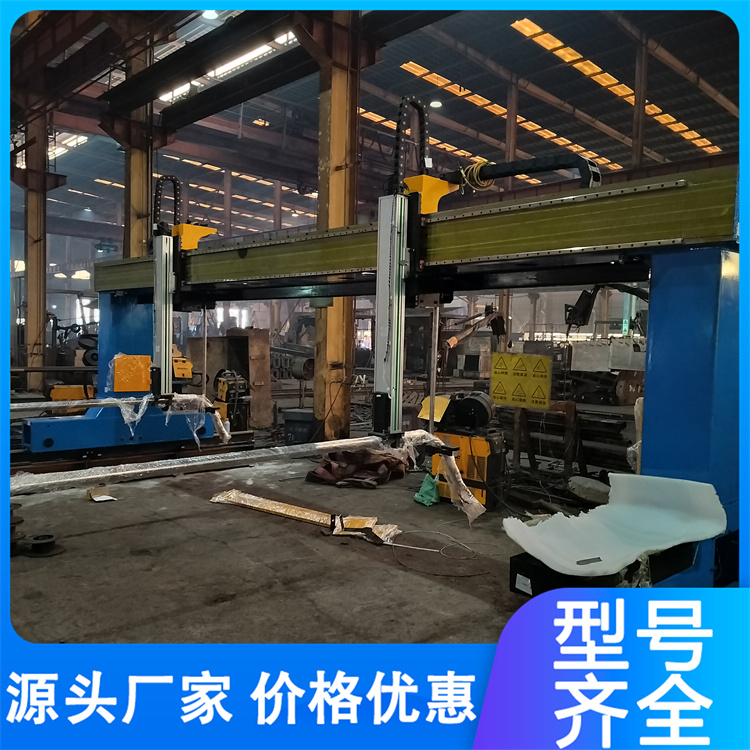
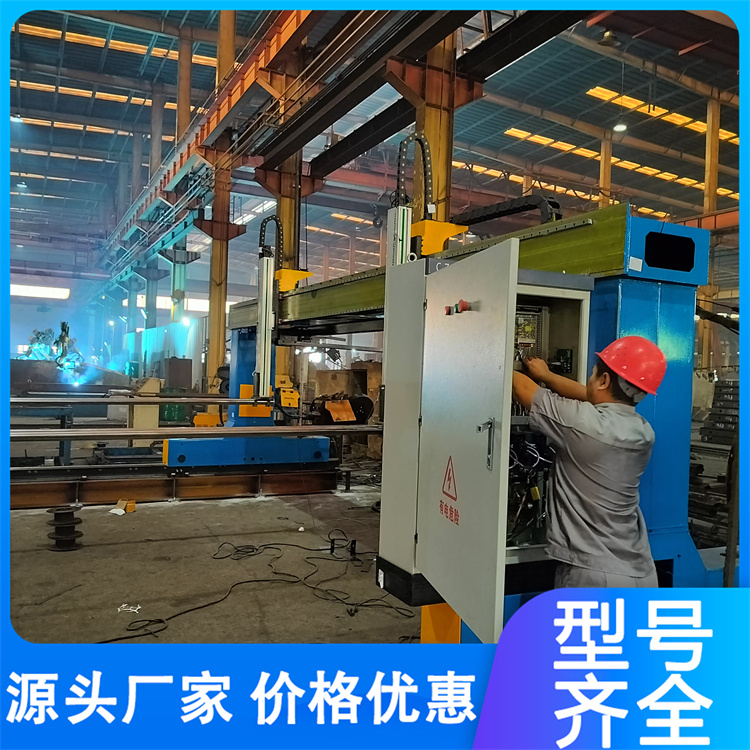
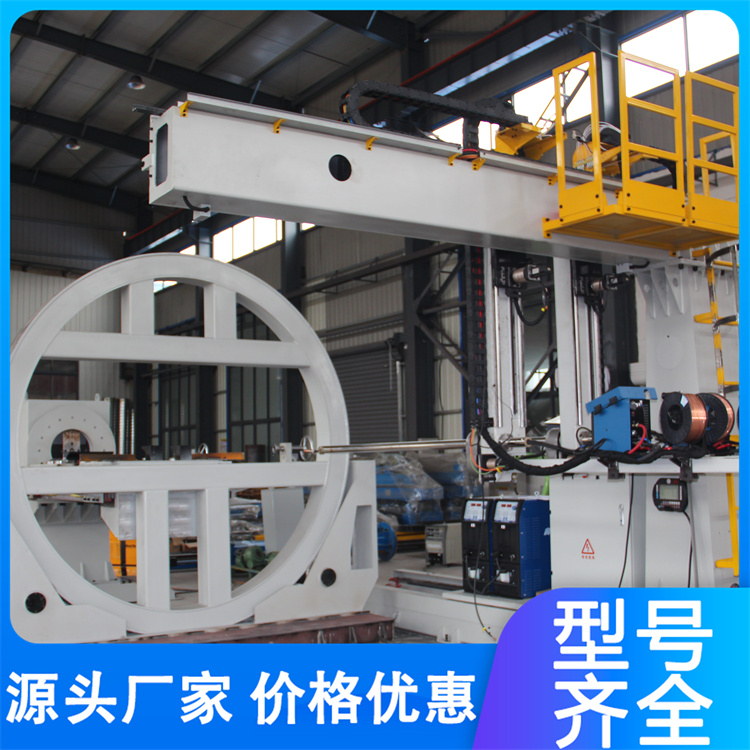
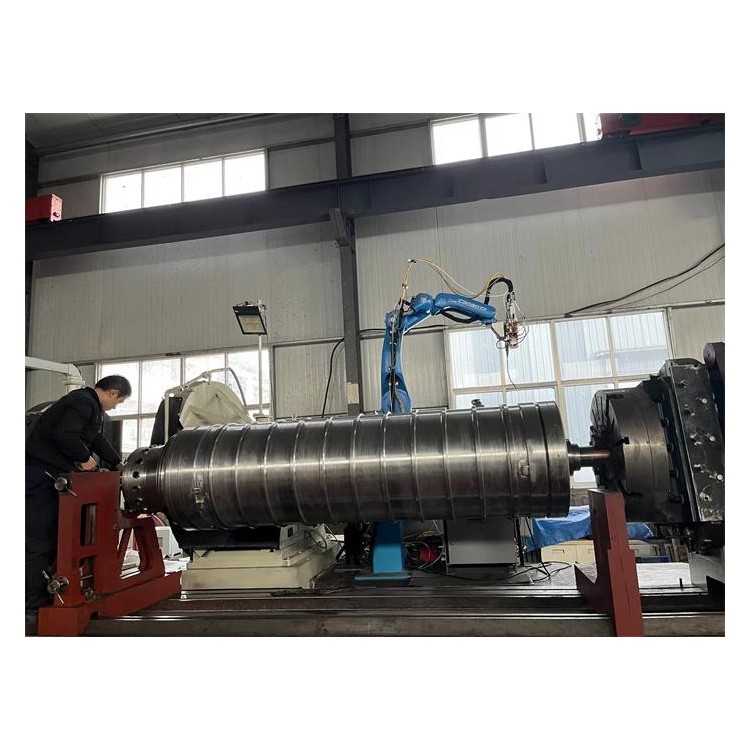
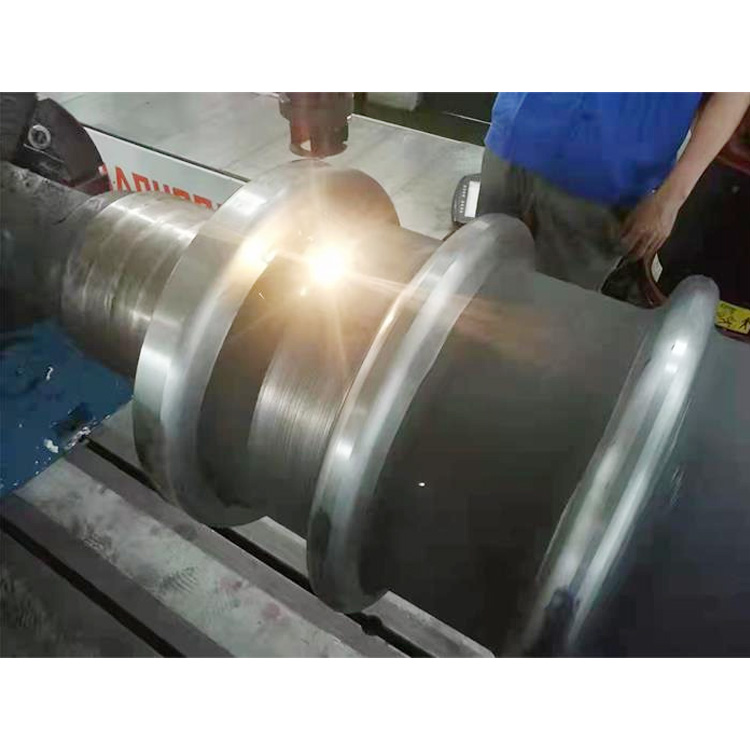
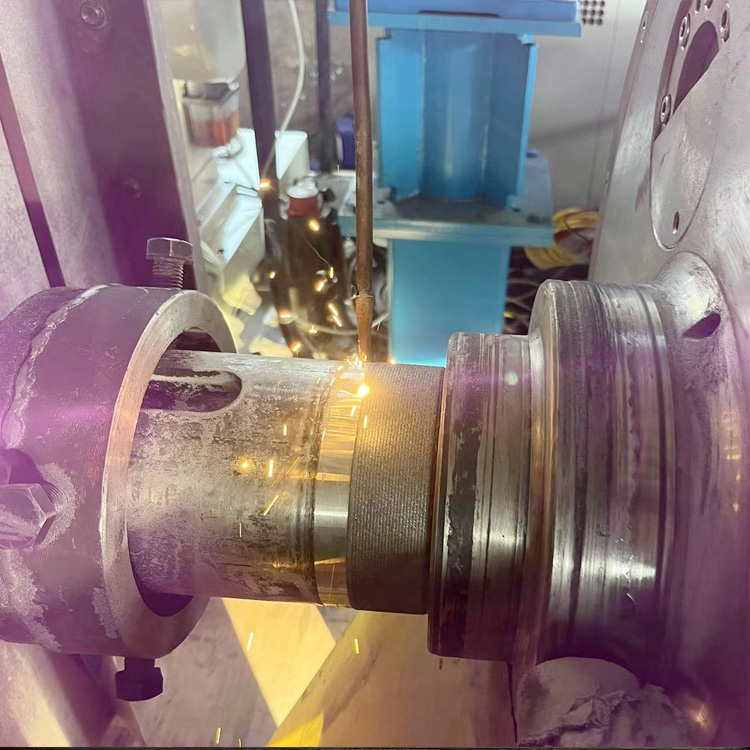
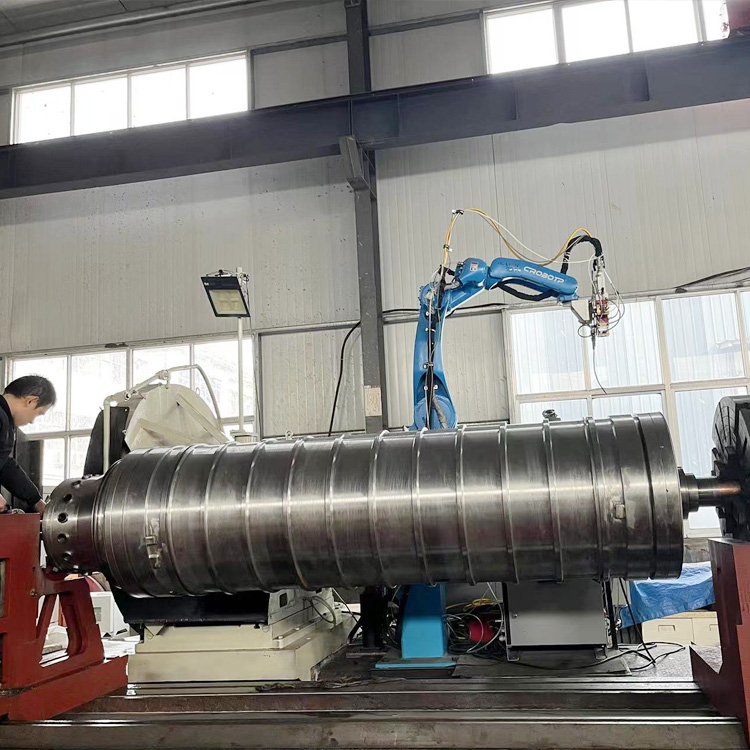
The laser cladding equipment consists of a high-power fiber laser/fiber-coupled semiconductor laser, industrial robot, and multi-axis coordinated flexible laser processing system with a control system. It is used for manufacturing processes such as laser cladding, laser quenching, and laser alloying. It features high energy density, excellent controllability, easy automation, high metallurgical quality of manufactured parts, and minimal thermal impact on the base material. It can enhance and extend the service life of mechanical components and has been widely applied in key industries such as machinery, molds, metallurgy, power, petrochemicals, light industry, and shipping.
Application Scope
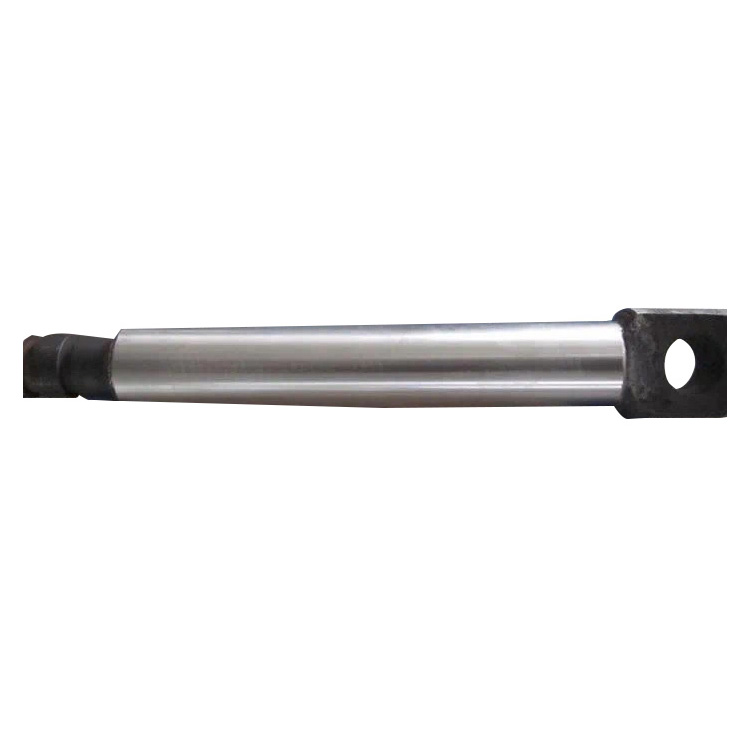
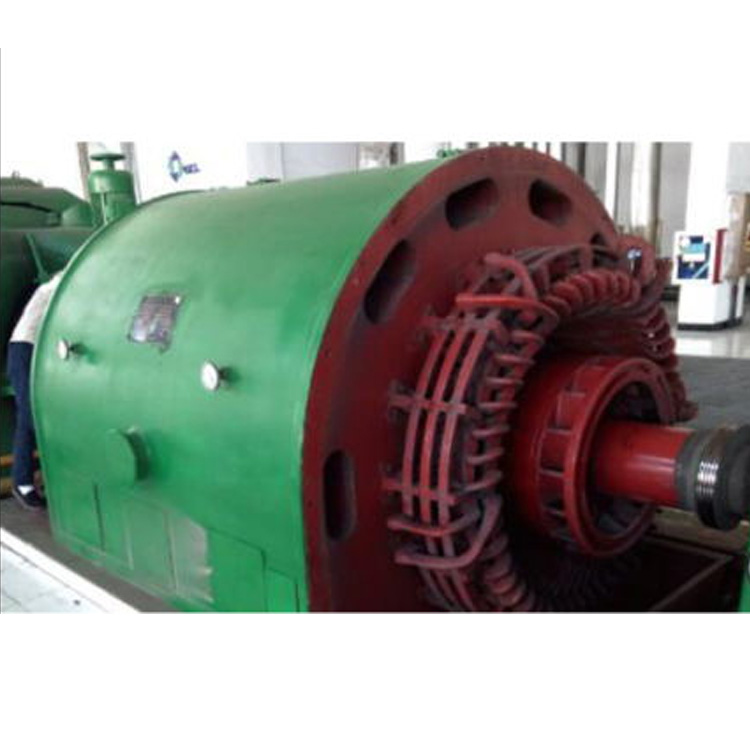
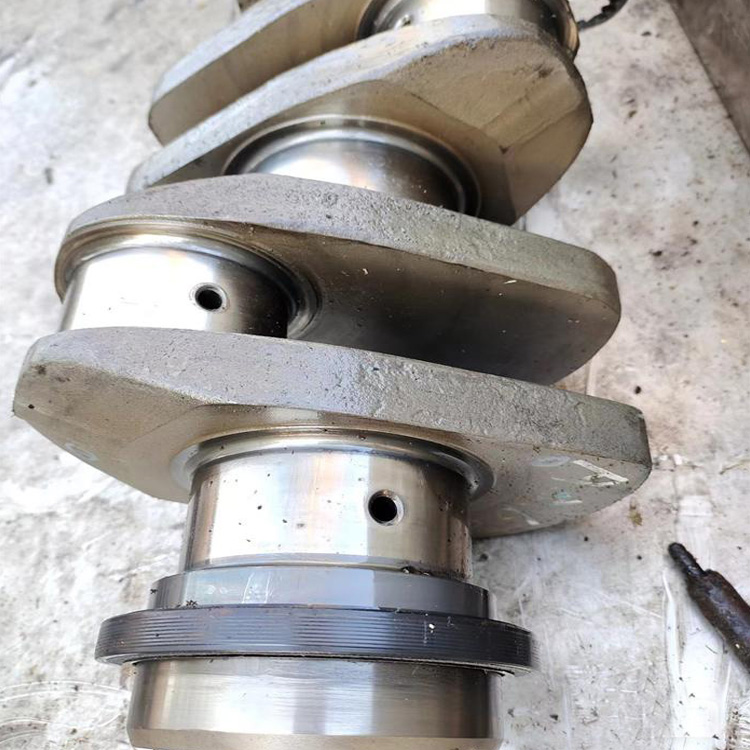
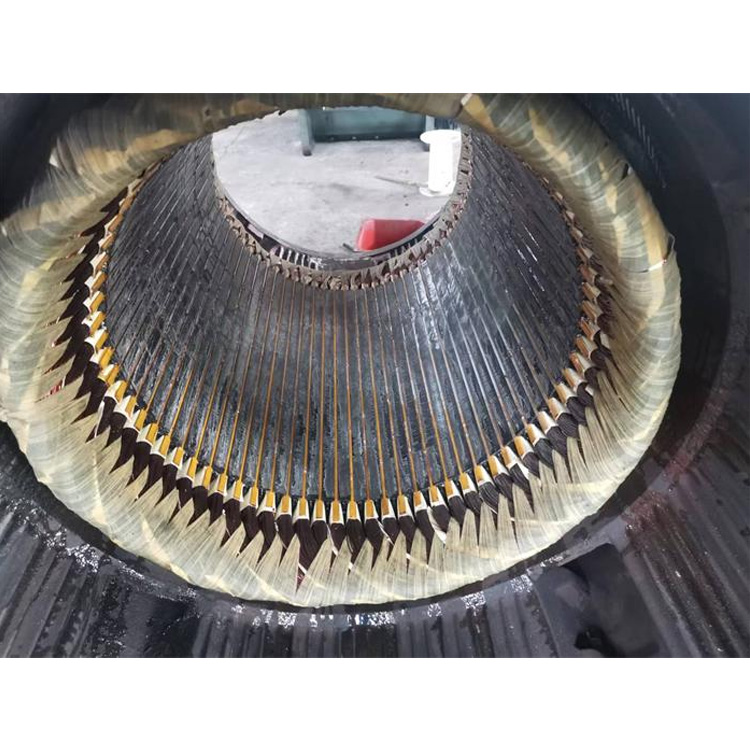
Laser cladding remanufacturing technology is applied to the repair of diesel engine crankshafts, petrochemical plant air compressors, metallurgical rolling mill rolls, drawing rolls, mill frames, and more, as well as in the oil industry for oil pump bodies, main shafts, compressor rotor shafts, and others, all achieving favorable results.
Develop laser cladding equipment and materials tailored to the application needs of different industry clients, enabling the processing of non-standard parts. Starting from the technical requirements for local repairs of large and complex components and surface strengthening of regular components, we offer integrated solutions for equipment, materials, and processes to enhance processing efficiency and reduce production costs.
Equipment Component Repair Details
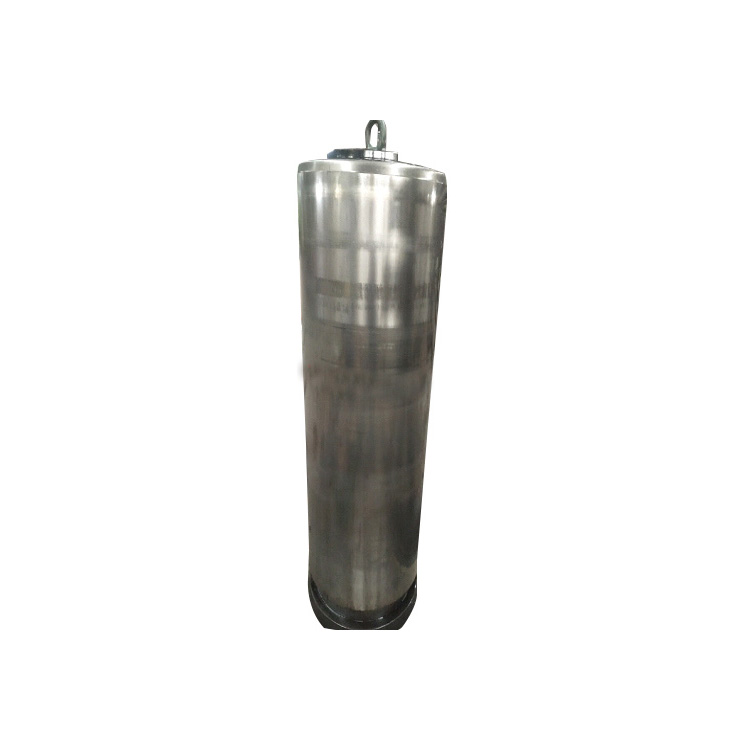
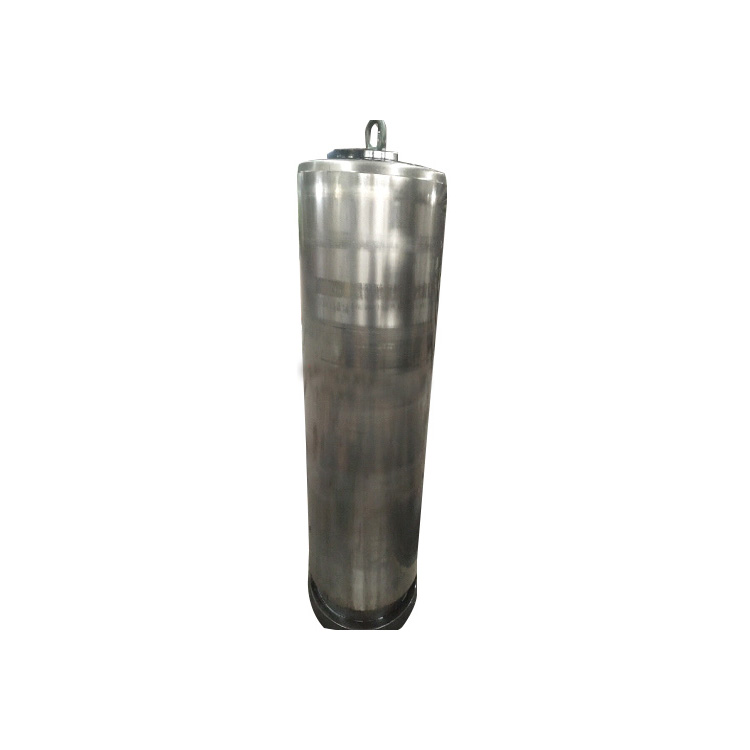
Hydraulic support pillars are critical equipment in coal mining machinery, operating long-term in acidic and alkaline corrosive mediums, where the pillar surface endures corrosion, abrasion, and impact. In recent years, pillar remanufacturing and repair techniques often employed electroplating processes, but the repaired pillars had a shorter service life, fewer repairable times, and environmental pollution issues. Below, we introduce the use of laser cladding technology to replace the original electroplating for pillar repair.
Laser Cladding Technology Principle Laser cladding is a surface hardening technique. It involves placing alloy powder with different fillers on the surface of the base material, using a laser as a heat source to rapidly melt the alloy powder, forming a coating with excellent properties on the base material surface. This achieves the purpose of strengthening the workpiece surface. The laser cladding coating is metallurgically bonded to the base material, with high bonding strength; the powder composition of the cladding layer can be flexibly selected according to the operating conditions. Additionally, the cladding layer has a certain thickness, which can repair damaged surfaces, allowing the repaired workpiece to meet the technical standards of new parts.
Hydraulic support column repair process: Surface turning → Pre-welding surface inspection → Coating preparation → Coating turning → Coating polishing.
Surface turning involves turning the surface of the column to be repaired, removing the corrosion pit defects.
2. Prior to cladding, surface flaw detection is necessary to ensure that the cladding layer is free of cracks. Flaw detection on the surface of the支柱 to be repaired was conducted using a surface flaw detector, no cracks were found. The surface of the pillar was cleaned to meet the cladding standards.
3. Coating preparation via lateral or coaxial synchronous powder feeding, using a gravity or pneumatic powder feeding system. Depending on the surface condition of the workpiece, conventional laser cladding or high-speed cladding is employed to achieve an appropriate thickness of laser cladding layer on the base material surface.
4. Turn the cladding layer to machine the laser cladding coating, leaving allowance for the next polishing process according to standard workpiece dimensions.
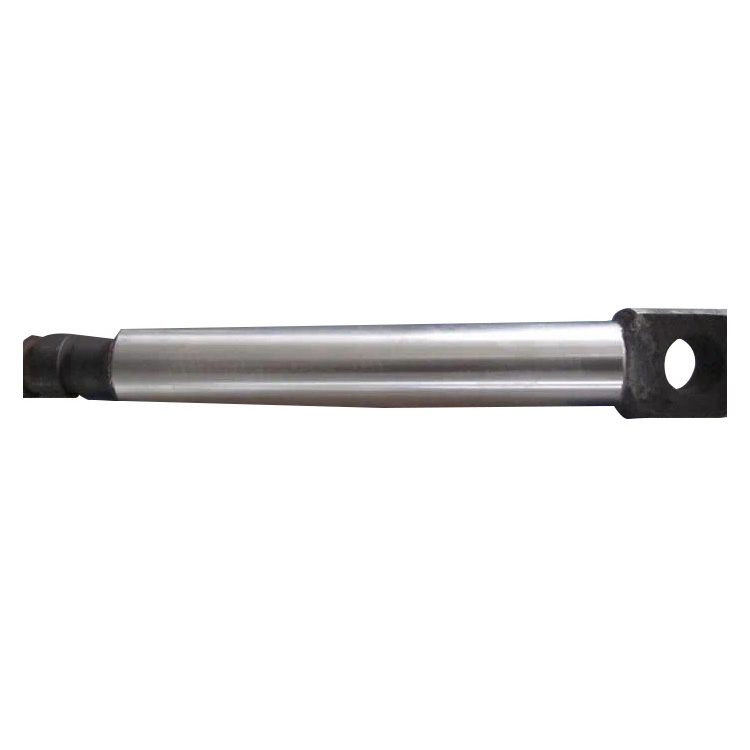
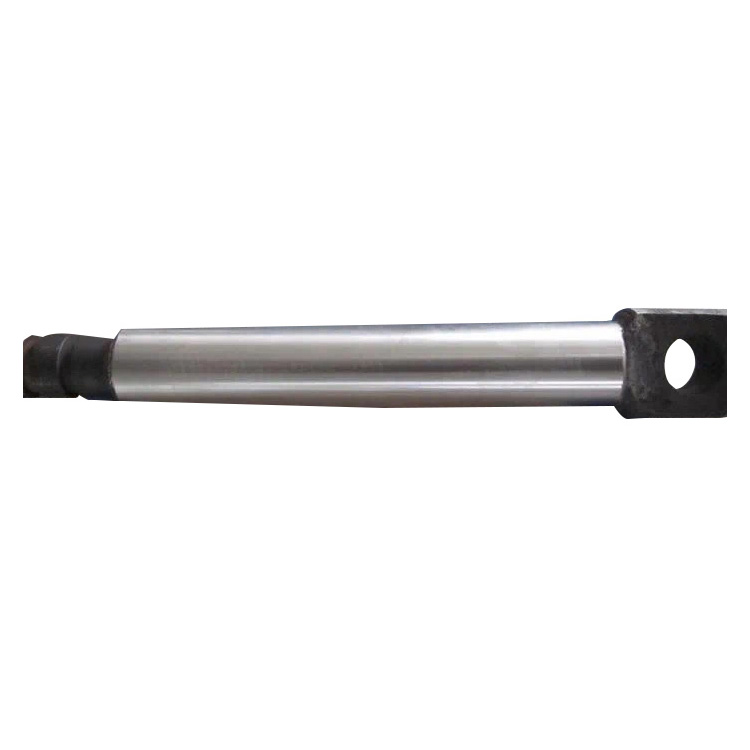
5. After the cladding layer is finished with grinding, polishing, and turning, the workpiece is then subjected to polishing to meet the technical requirements for the standard workpiece in terms of dimensions and surface roughness. The hydraulic support pillar after polishing