
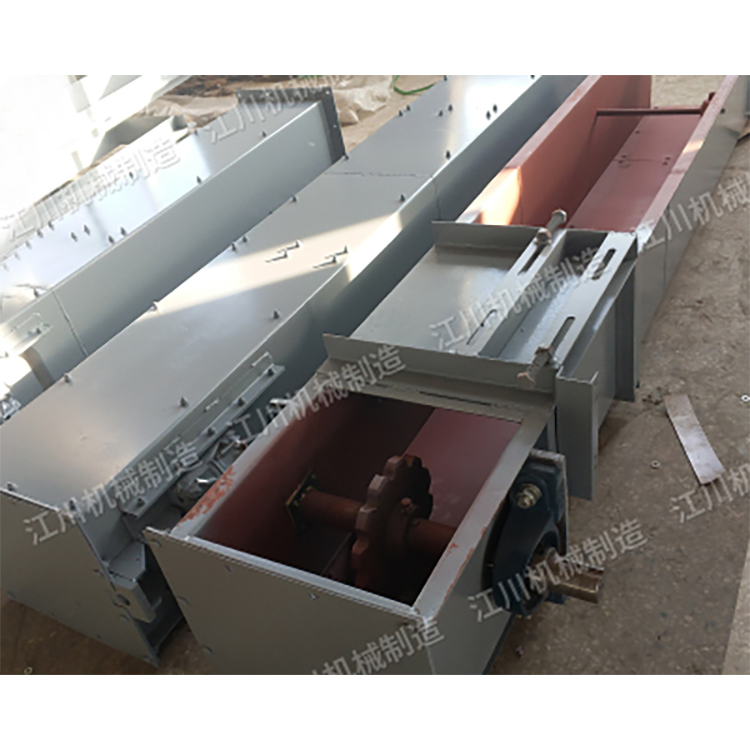







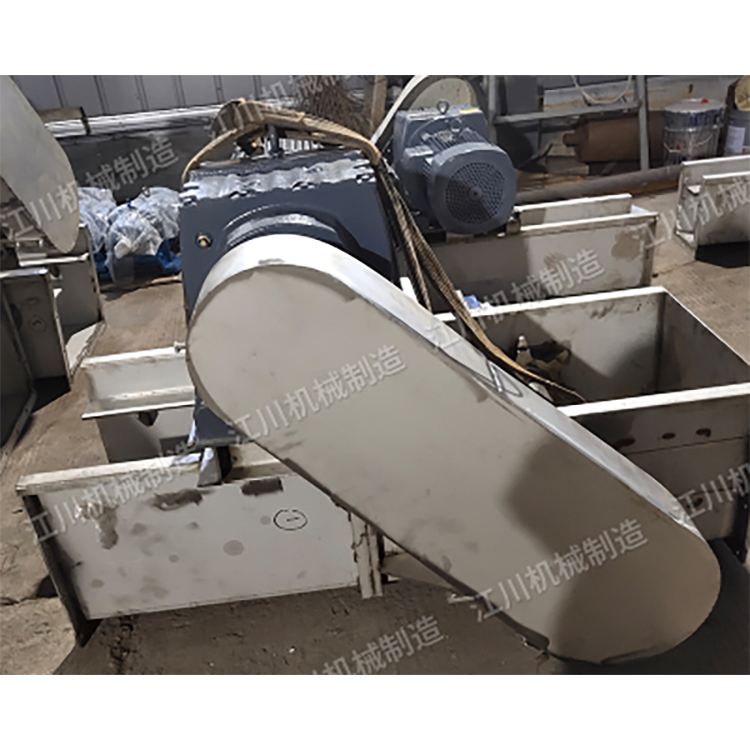



A scraper conveyor is a mechanical equipment used for transporting powdery or granular materials such as water, sand, coal gangue, slag, etc. It boasts high conveying efficiency, low energy consumption, and stable and reliable operation, making it widely used in industries such as mining, metallurgy, and chemical engineering. This article will provide a detailed introduction to the structure, working principle, advantages and disadvantages, and application fields of the scraper conveyor.
Section 1: Structure of the Screw Conveyer
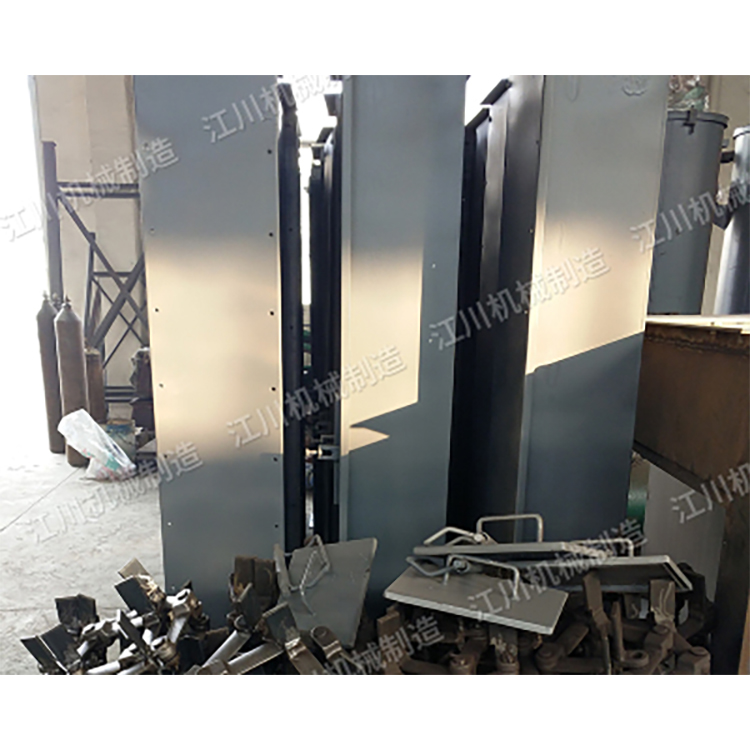
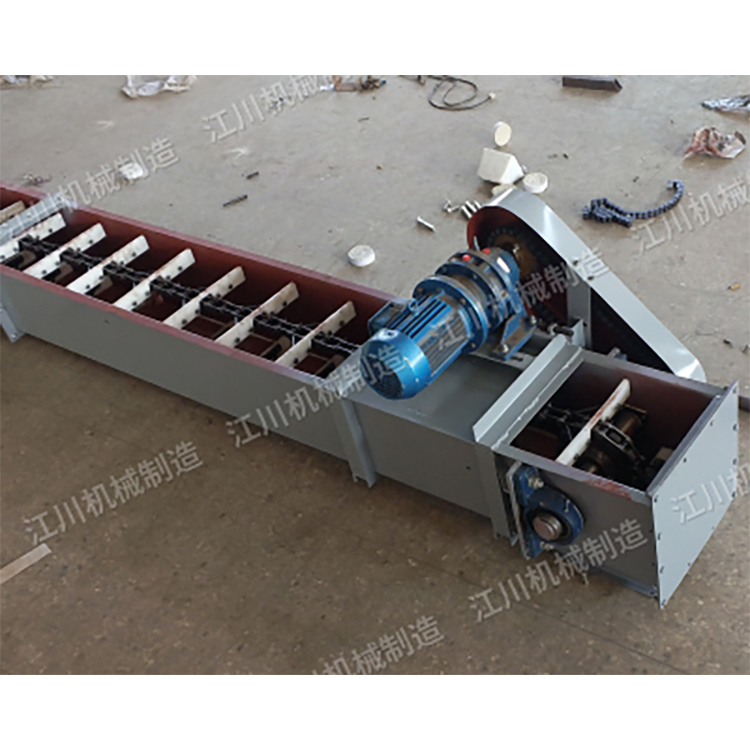
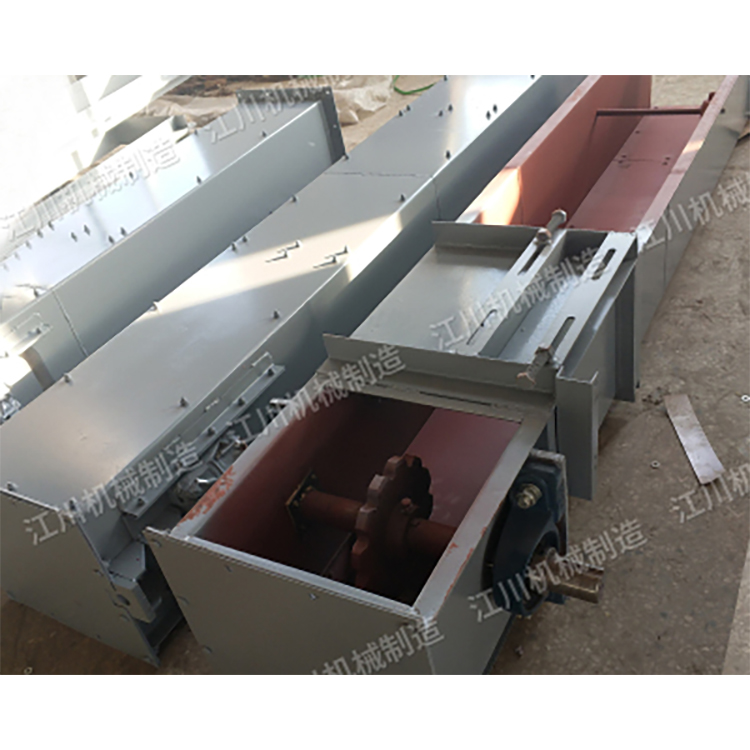
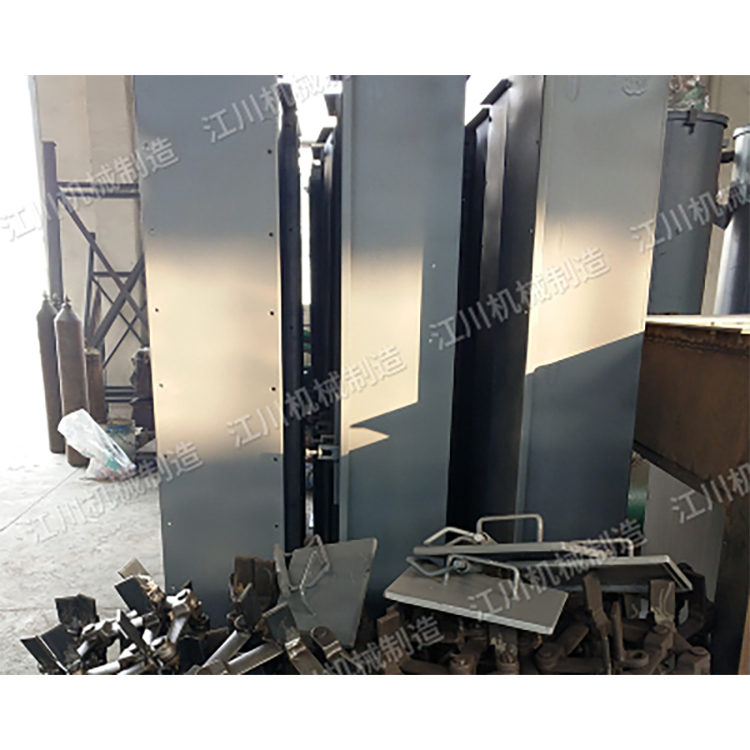
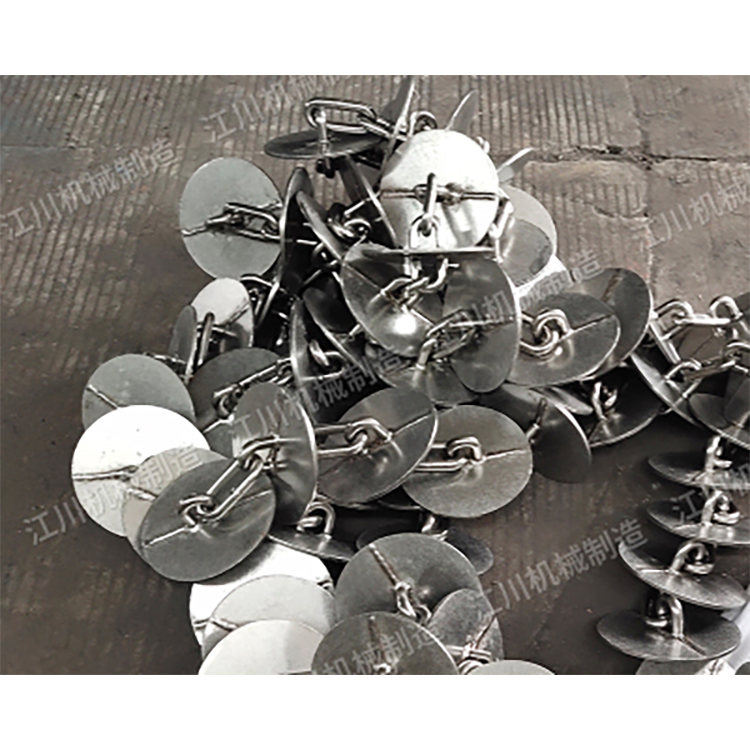
Screw conveyors are primarily composed of the frame, conveyor chain plates, scraper blades, and power unit. The frame serves as the skeleton of the conveyor, typically made of steel plates welded together, providing ample rigidity and strength to withstand the impact forces and torque generated during material conveying. The conveyor chain plates are fixed to the frame and consist of several identical plate chains. The appropriate chain plates are selected based on the properties of the material being conveyed and the working conditions.
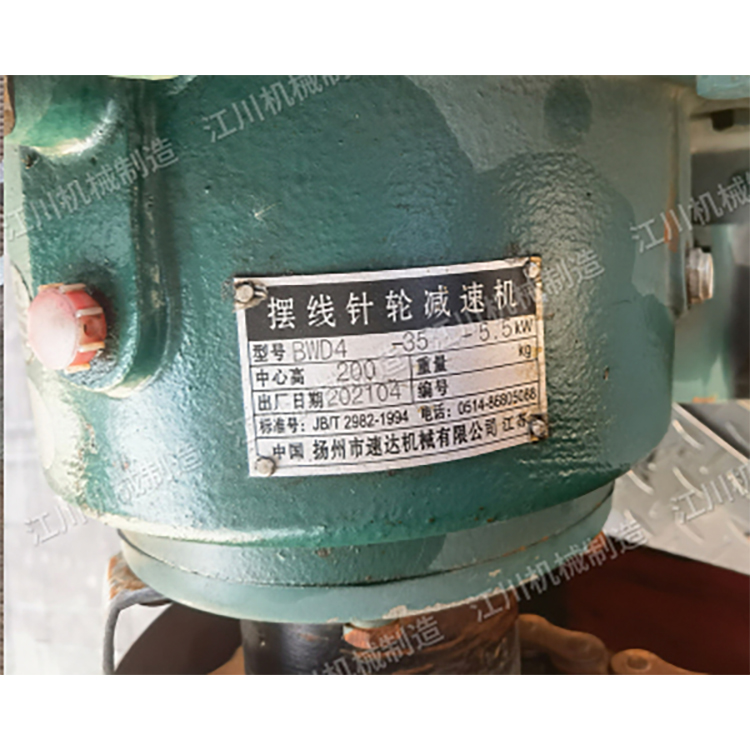
The scraper is a fixed scraper assembly on the chain plate, which transfers materials from the feed end to the discharge end of the conveyor by the cooperation between the scraper and the chain plate. The power unit typically employs an electric motor to drive the sprocket, which in turn drives the chain and chain plate for conveying. Sometimes, a hydraulic drive method is also used.
Section II: Working Principle of the Screw Conveyor
The working principle of the scraper conveyor is to continuously transport materials in the direction of the conveyor by utilizing the movement of the chain plate and scraper. Specifically, the motor drives the sprocket to rotate through a transmission device, which then moves the chain and chain plate. Materials enter the scraper conveyor through the feed opening, are lifted by the chain plate and scraper, and move forward in the direction of the conveyor. Finally, they are pushed to the discharge end by the scraper at the discharge opening, completing the entire conveying process.
Section 3: Advantages and Disadvantages of Auger Conveyors
Screw conveyors possess the following advantages:
High conveying efficiency: The scraper conveyor can convey materials as required with high efficiency, suitable for large-scale material transportation.
2. Low energy consumption: The scraper conveyor has a low power consumption, making it energy-efficient and capable of reducing energy waste.
3. Smooth and Reliable Operation: The scraper conveyor's transmission system utilizes sprockets and chains, featuring a simple structure, stable operation, and reliable performance, reducing the failure rate.
4. Versatile: The scraper conveyor is suitable for transporting various types of materials, including powdery, granular, wet, and dry substances.
However, scraper conveyors also have some drawbacks:
High maintenance costs: After long-term operation, the chain and scraper of the scraper conveyor are prone to wear, requiring regular replacement, which increases maintenance costs.
2. Large Floor Space Requirement: The scraper conveyor is a relatively large piece of equipment, requiring a significant amount of space and high site requirements.
Four. Application Fields of the Screw Conveyer
Screw conveyors are widely used in industries such as mining, metallurgy, and chemical engineering. The following are some specific application areas:
1. Coal Mine: Scraper conveyors are used for coal transportation in coal mines, conveying ore from the mining area to coal processing equipment or storage locations.
2. Metallurgical Industry: Sliding plate conveyors are used for raw material transportation in the metallurgical industry, conveying materials from storage warehouses to refining equipment or processing stages.
3. Chemical Industry: Screw conveyors are used for raw material and finished product transportation in the chemical industry, enhancing production efficiency and material handling quality.
4. Water Treatment: Scraper conveyors are suitable for water treatment projects, transporting wastewater and sludge to treatment units for processing and filtration.