









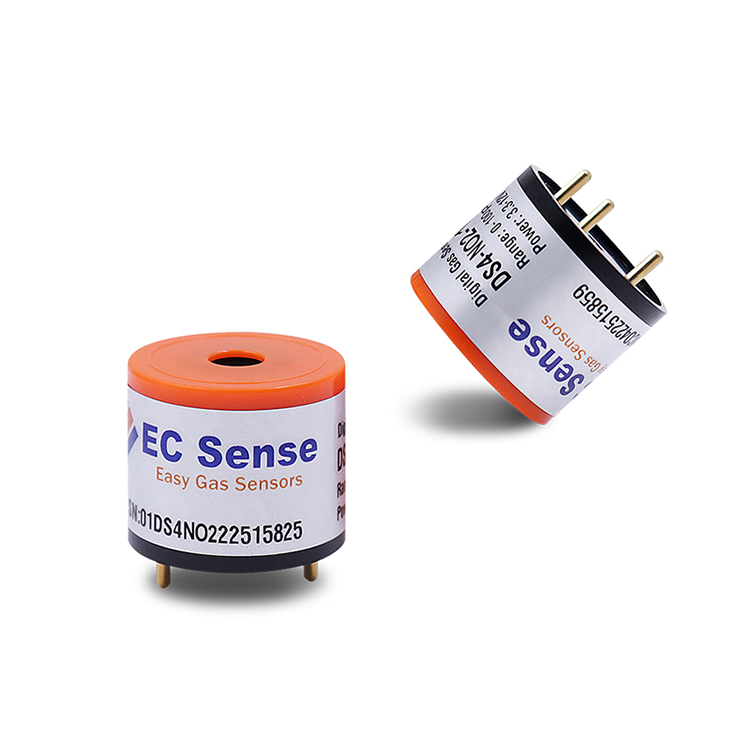
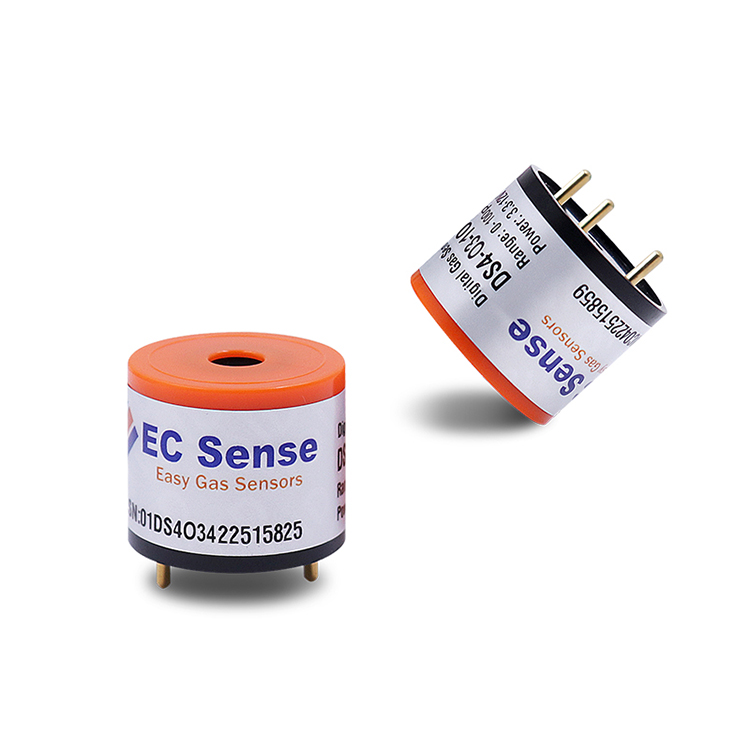
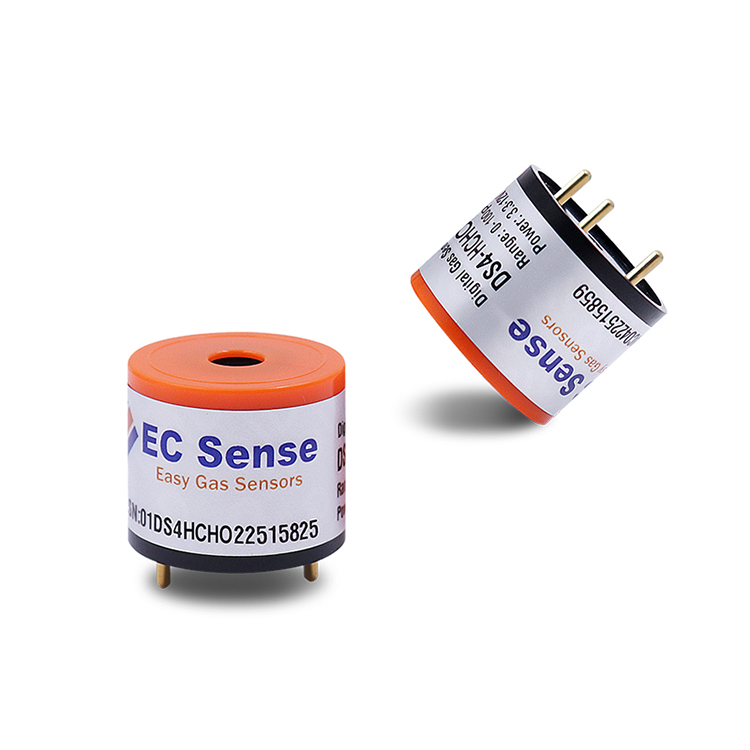
Product Overview
Rapid Solution for Gas Monitoring
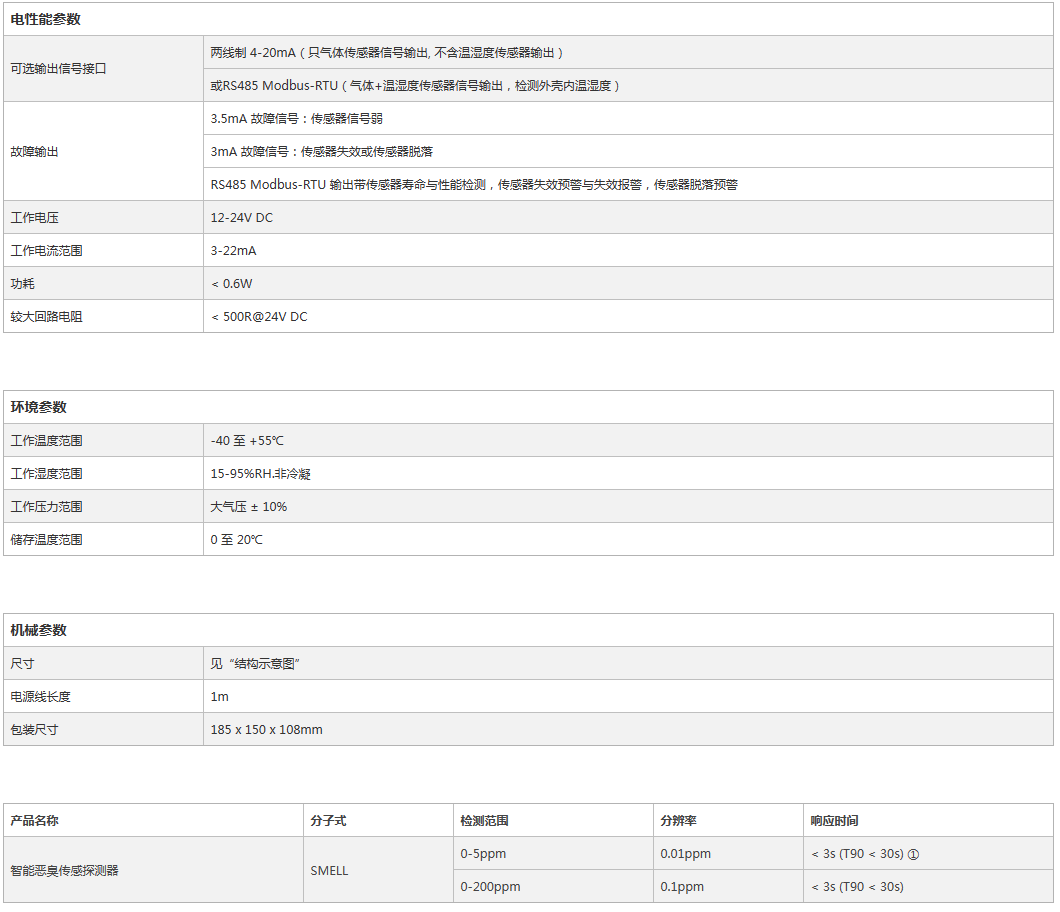
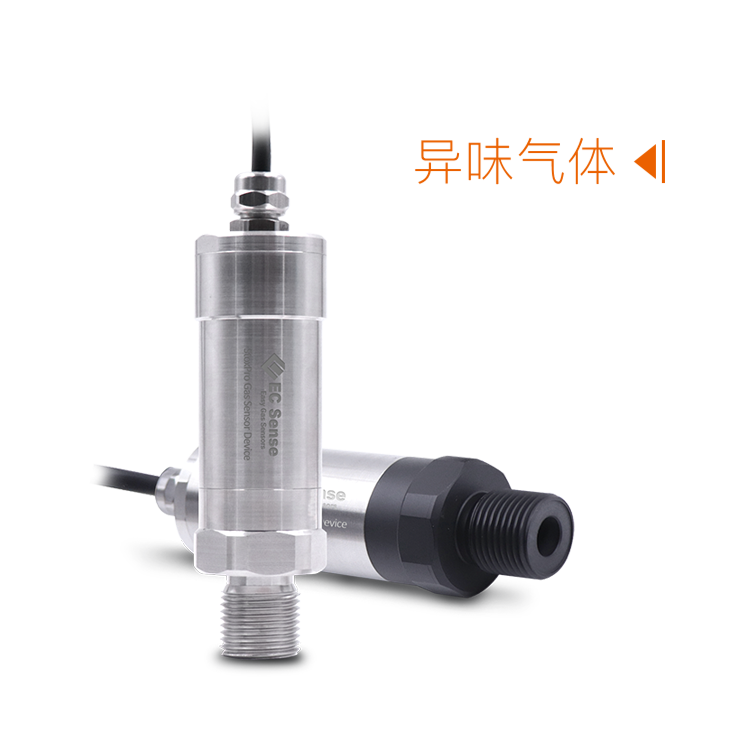
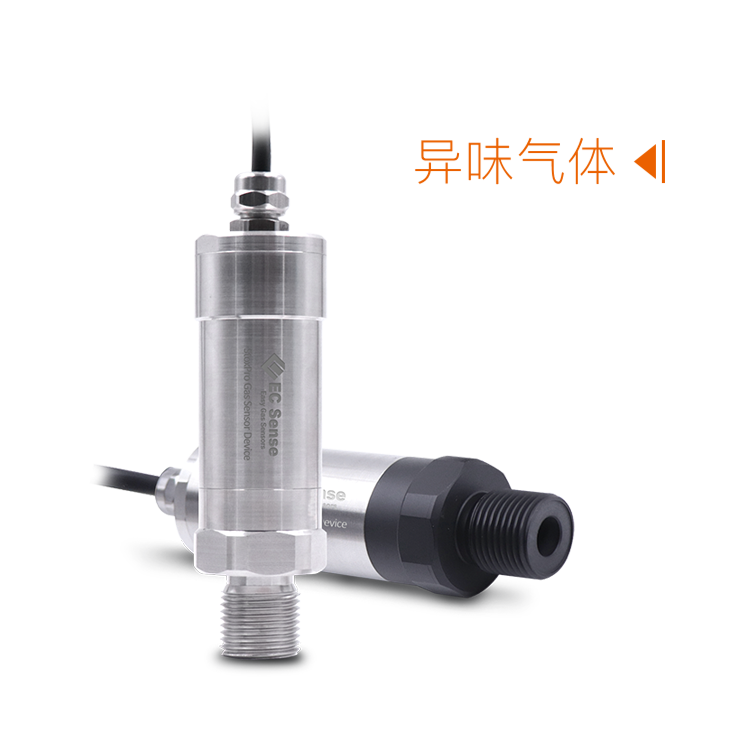
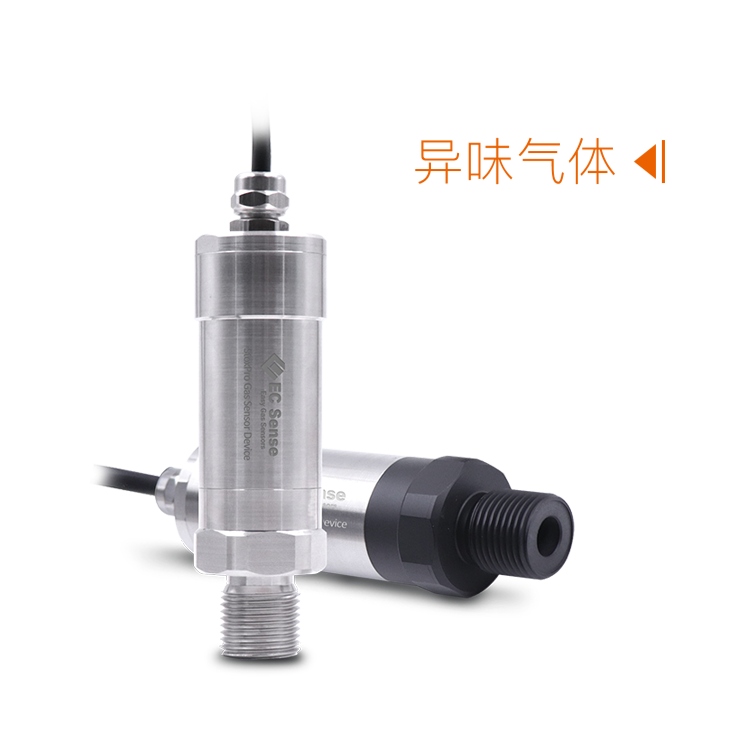
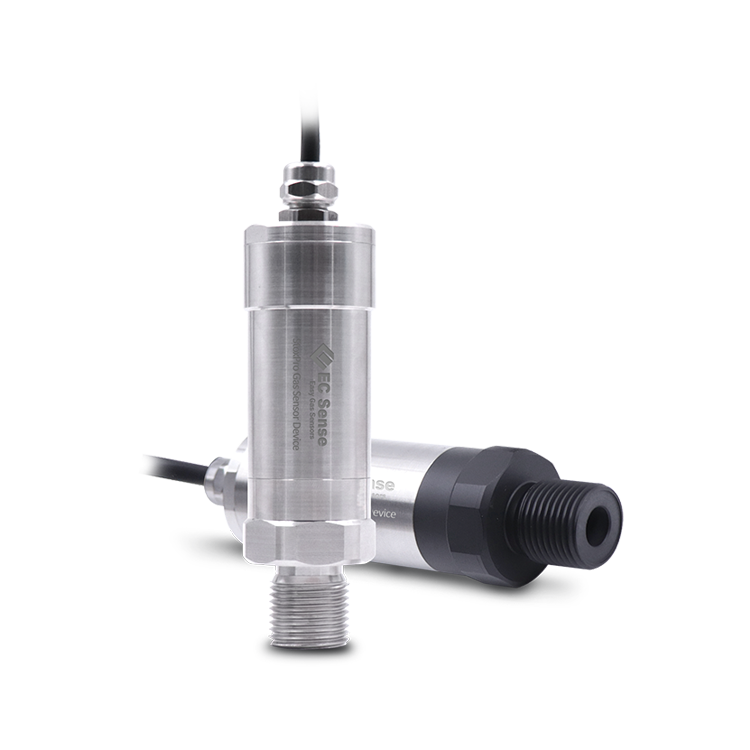
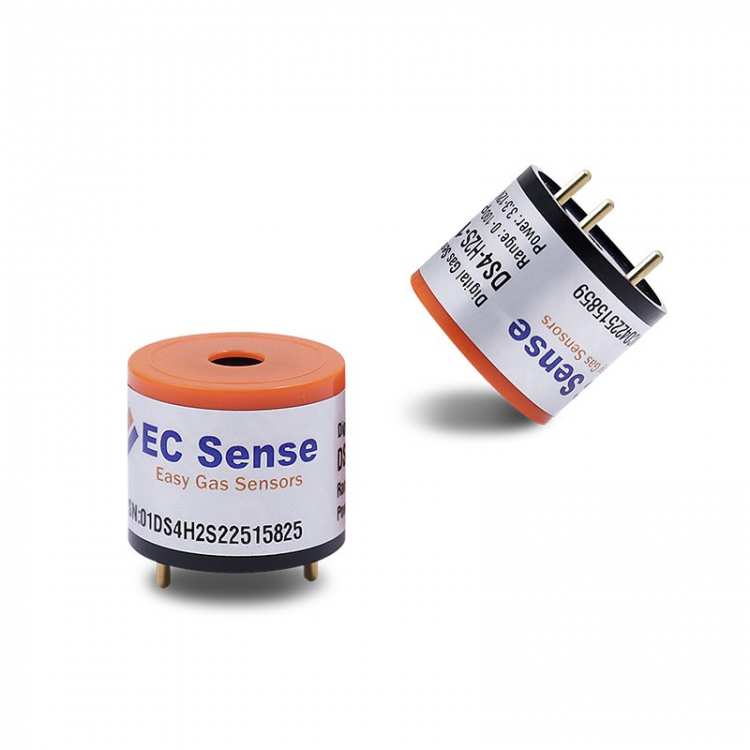
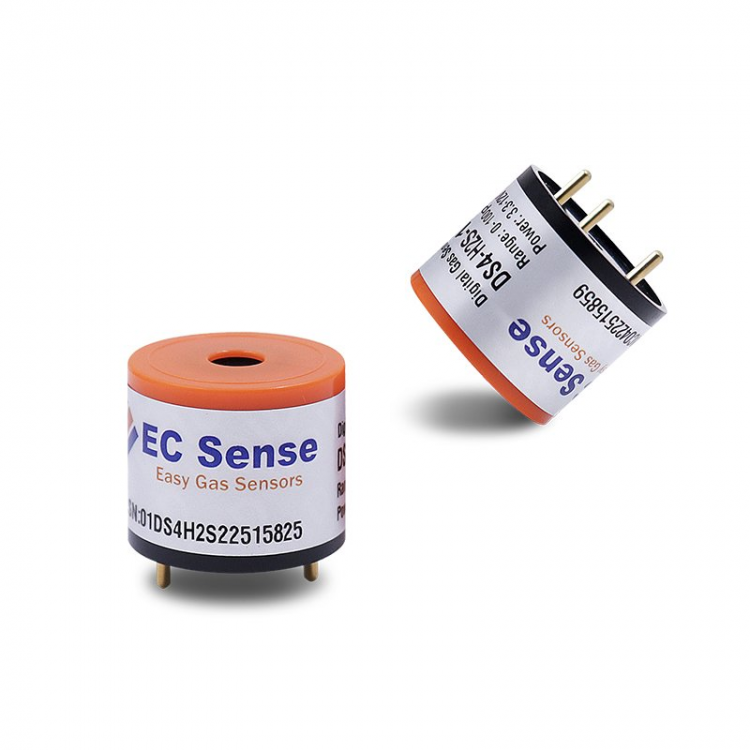
The StoxPro by Germany's EC Sense is an intelligent gas sensor detector, offering both two-wire 4-20mA and RS485 Modbus-RTU signals.
Choose communication via 4-20mA or RS485 signals as needed. Utilize high-reliability solid polymer electrochemical gas detection technology with intelligent algorithm design.
Combining gas and humidity temperature monitoring in a modular integrated design to cater to industrial safety monitoring needs.
The sensor probe is suitable for gas detection in both indoor and outdoor environments, while also monitoring the temperature and humidity inside the Stox housing, providing users with real-time dynamic data of the measured environment.
Due to the close correlation between the chemical properties and the motion state of gases with temperature and humidity, the performance of the sensors is also closely related to the temperature and humidity conditions.
The design provides professional data basis for users' analysis and interpretation of measurement results. Features RS485 output with temperature and humidity signal.
The intelligent gas sensor evaluates both performance and lifespan, regularly outputting the lifespan and performance indicators of the sensor whether or not the measured gas is present, and promptly issuing warning signals.
This feature serves as the data basis for the fundamental judgment and analysis of intelligent product design, endowing the product with safety and reliability.
Users can obtain information prompts on whether the sensor is operating normally, failed, requiring maintenance, or replacement by outputting signals or RS485 commands.
Each StoxPro gas sensor detector undergoes professional gas calibration, ready for direct use by the user. Calibration information is stored in the flash chip.
For users in need of secondary calibration, calibration can be performed through EC Sense's calibration software by outputting via RS485 or directly calibrating the 4-20mA signal.
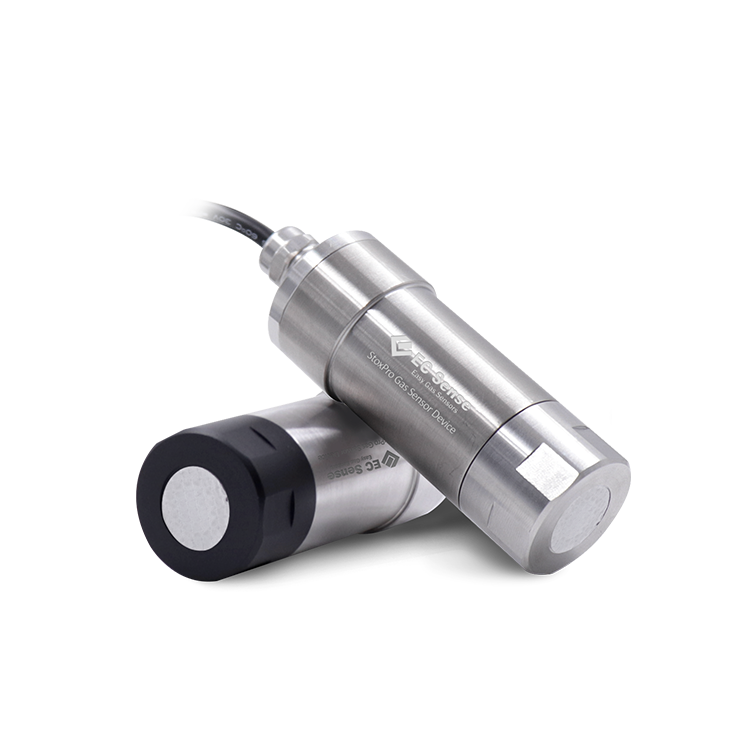
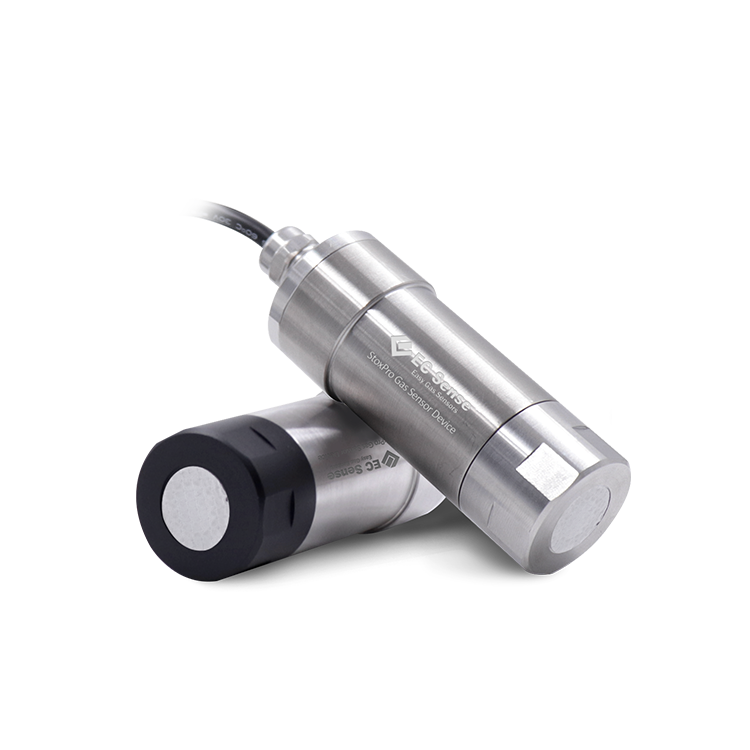
StoxPro's front cover features three different structural designs: diffused, flow, and threaded. The diffused design is suitable for detecting gases in open spaces.
Gas contacts the sensor through natural diffusion and convection.
Flow-type is suitable for gases being actively drawn to the sensor by a gas sampling pump, or for gases in the environment being at positive pressure (or with flow rate) that reach the sensor through movement.
Threaded for detecting gas concentrations in sealed spaces and featuring threaded or flanged installation methods.
The StoxPro series gas sensor detectors utilize standard 4-20mA or RS485 Modbus-RTU industrial signal protocols.
Easier to quickly build your own monitoring instruments and systems, or connect to display instruments, DCS, PLC, and other systems.
Testing Principle
The intelligent sensor detector is a durable product that converts the original weak current signal of the sensor into a standard 4-20mA or RS485 Modbus-RTU output through digital circuitry.
Solid-state polymer electrochemical sensing technology represents a revolutionary innovation in the field of electrochemical detection. This technology, based on the principle of electrochemical catalytic reactions, detects the electrochemical reaction output signals of different gases.
Accurately measure gas concentration through a sensor that consists of three catalytic electrodes, solid electrolyte, and gas diffusion holes. Gas reaches the working electrodes of the sensor via the diffusion holes.
Electrochemical oxidation-reduction reactions occur on the porous microsurface of the electrode, the solid electrolyte conducts electron transfer, outputs a current signal, and the magnitude of the current signal can represent the gas concentration.
Structural illustration

Key Technical Parameters
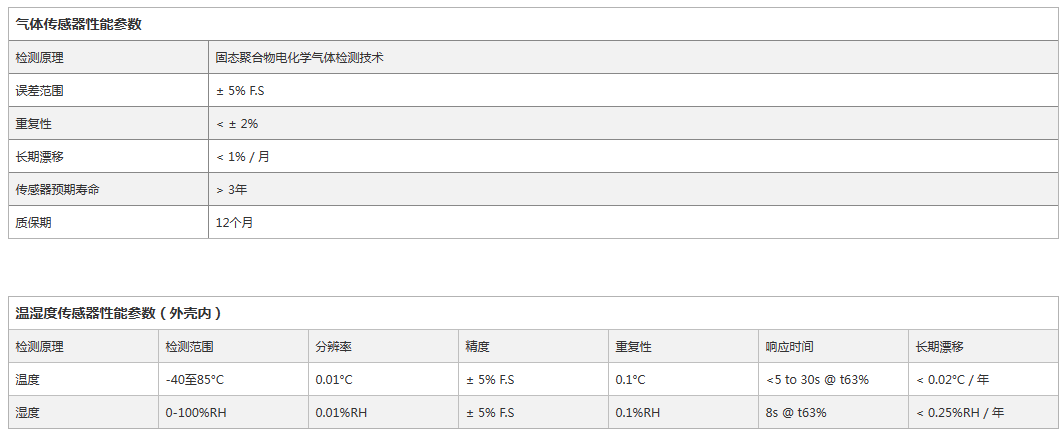
Note: The temperature and humidity sensor is located inside the StoxPro housing, primarily used for internal environment measurement within the housing. If temperature parameters are required for external environment measurement, please calibrate the measured values.
The environment gas cannot be exchanged with the gas inside the shell, therefore.
Humidity is only used for measurement inside the housing.