








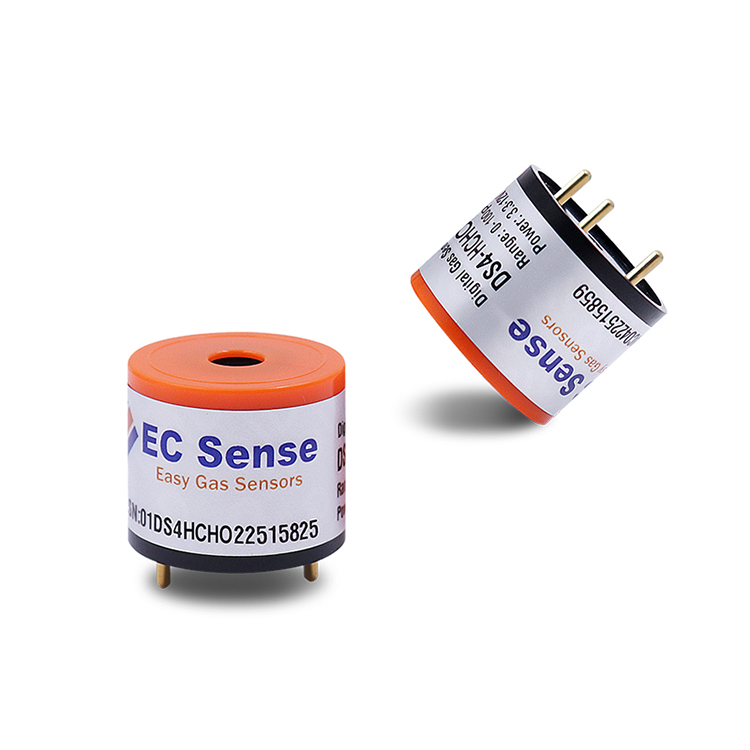
Product Overview
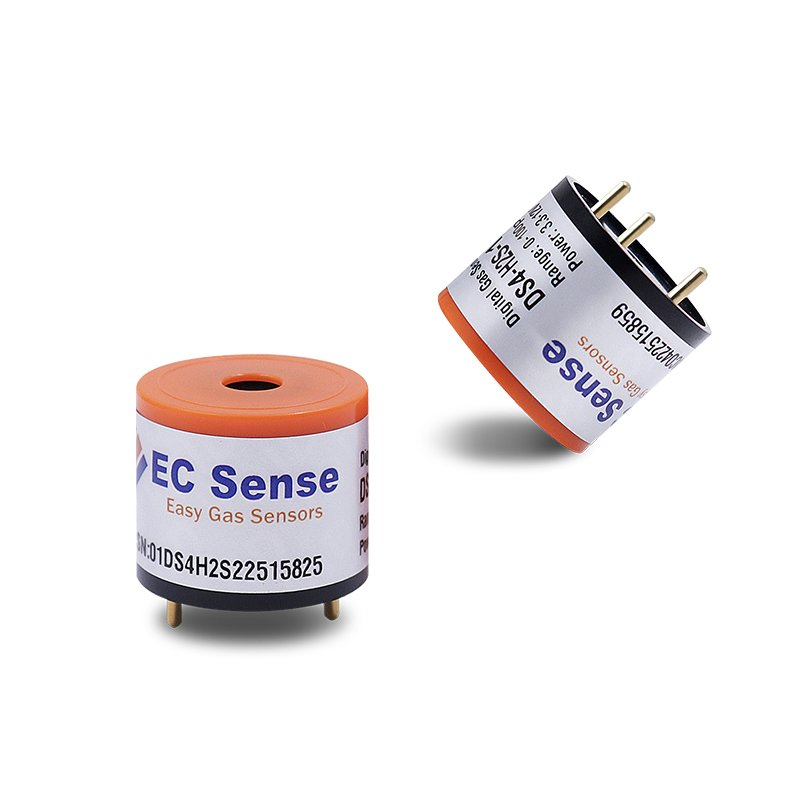
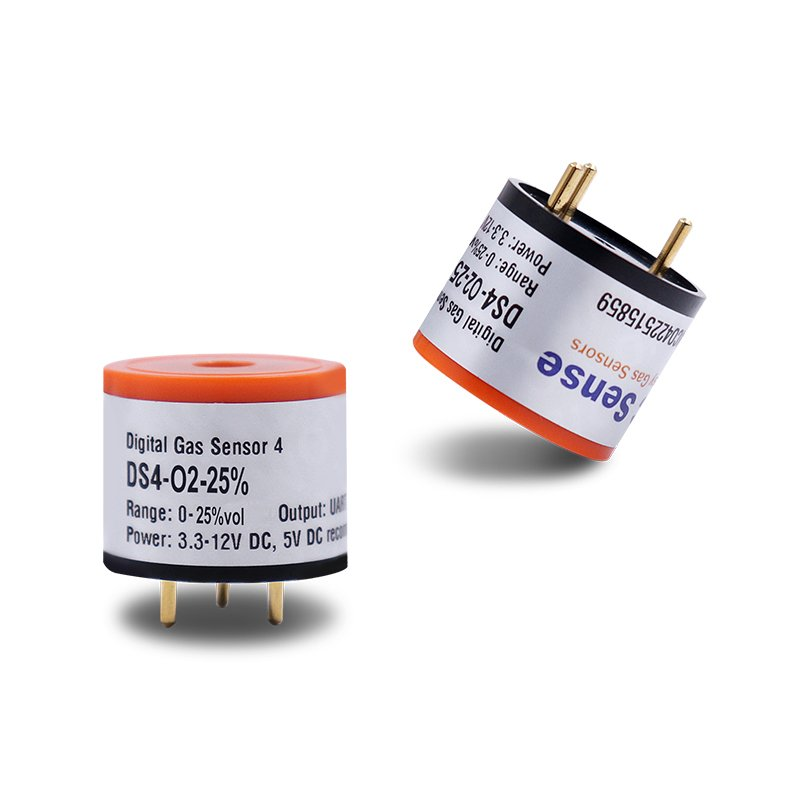
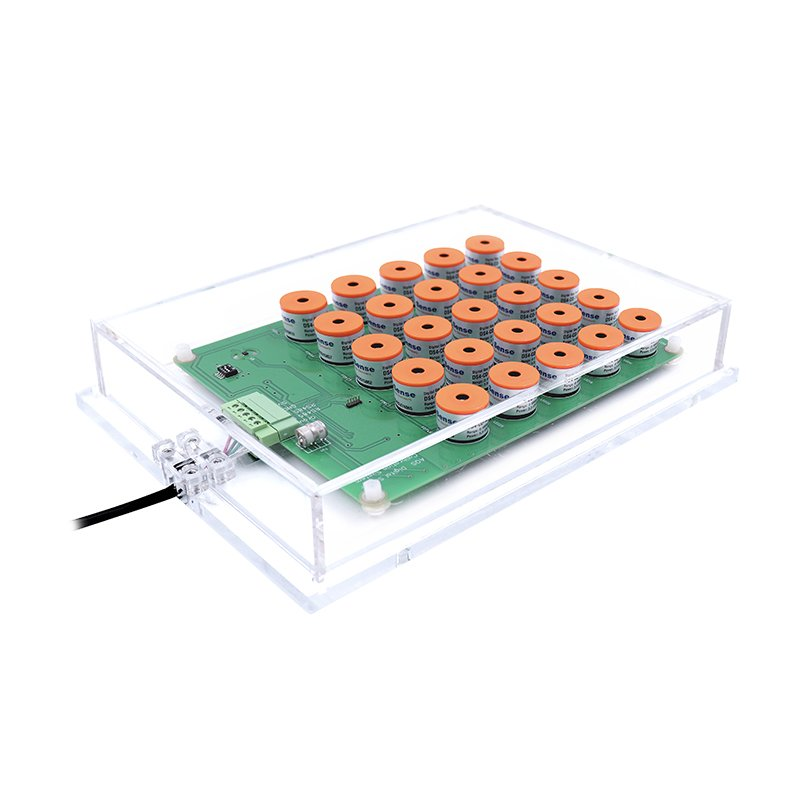
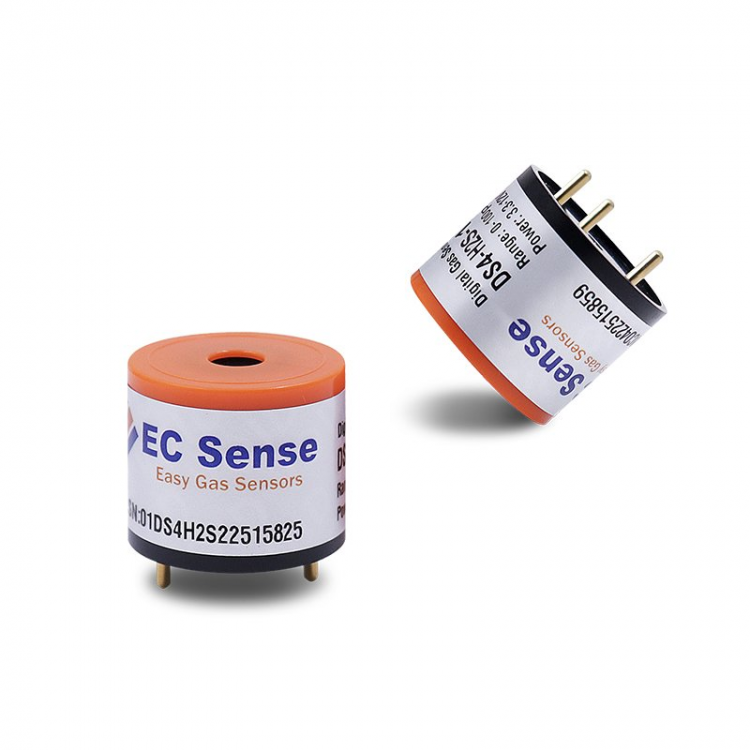
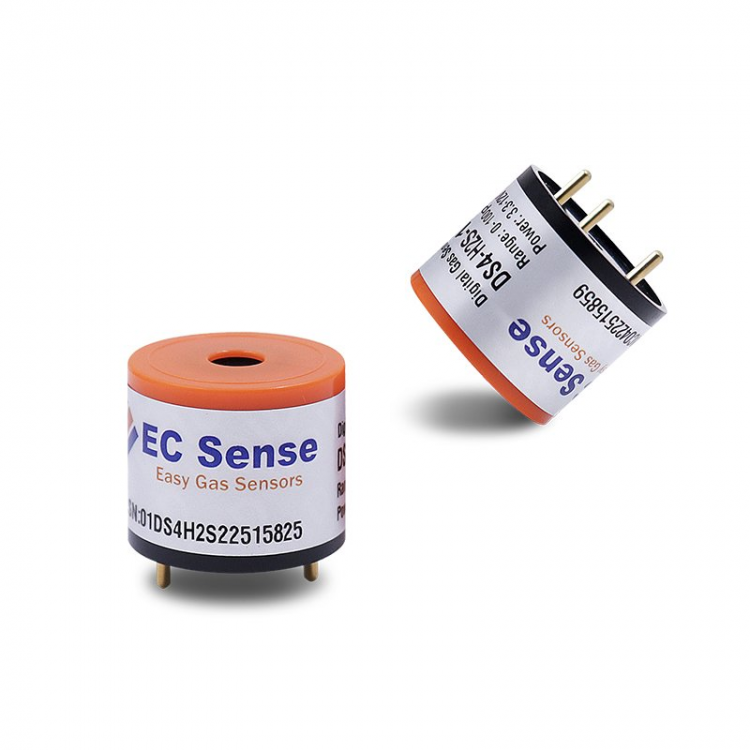
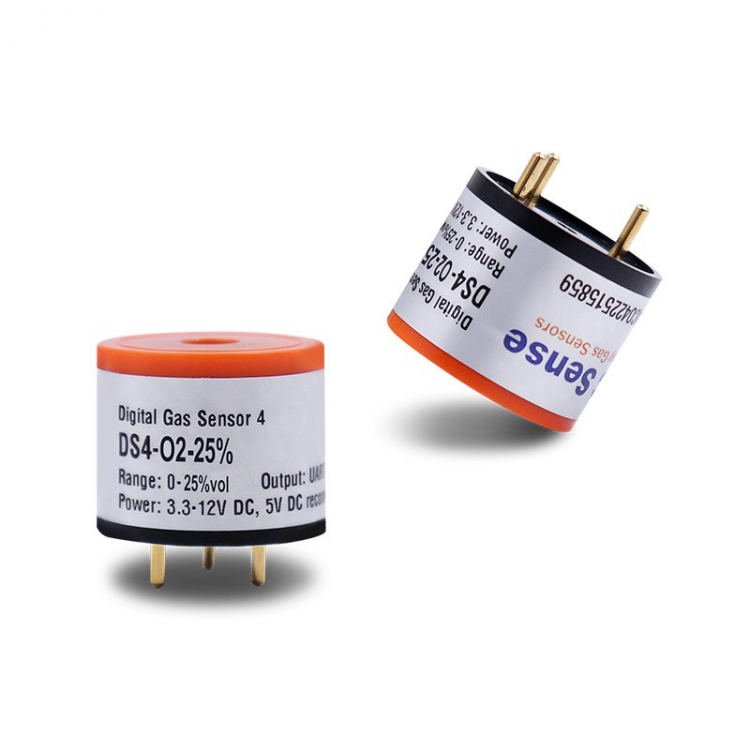
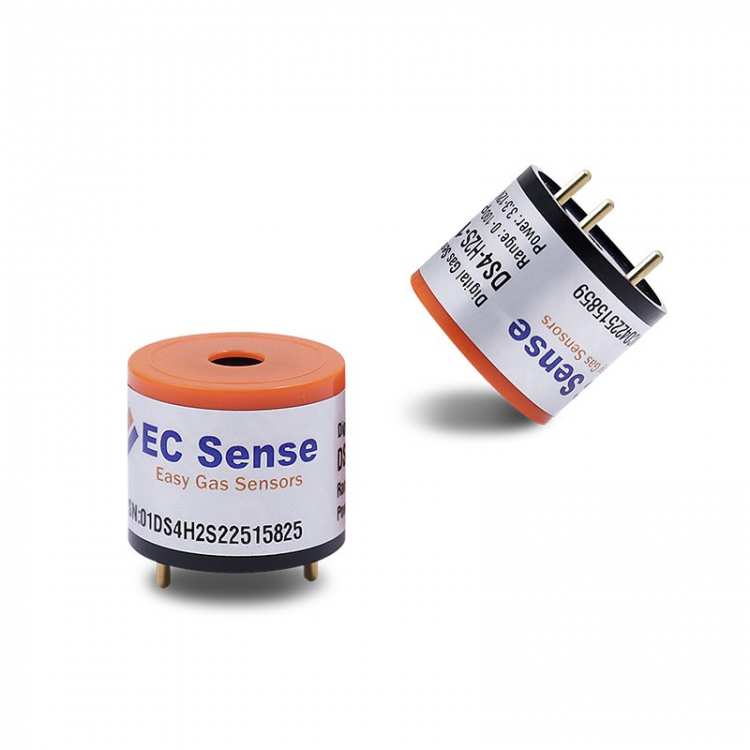
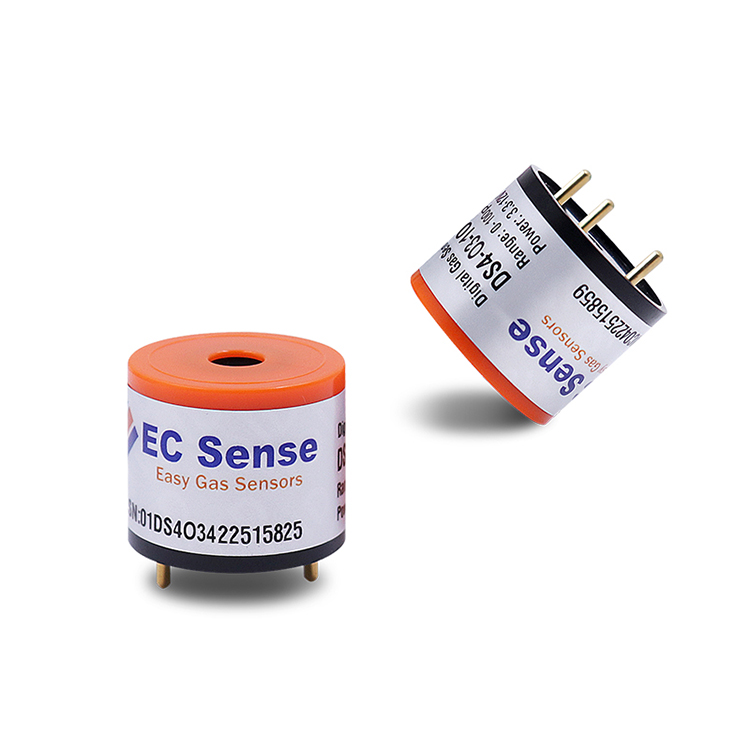
The DS4 intelligent oxygen sensor from Germany's EC Sense utilizes reliable printed solid-state polymer electrochemical sensor technology, making it an industrial-grade intelligent gas sensor.
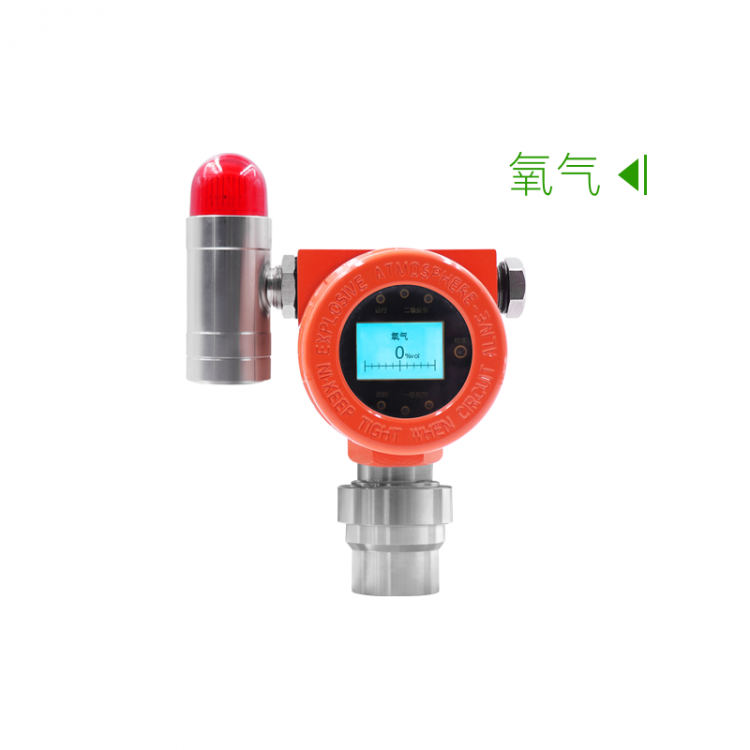
Compact structure with a small footprint, featuring a high-performance microprocessor, a high-precision analog-to-digital converter, and intelligent algorithm design, easily integrates into the Internet of Things and other monitoring systems.
Widely used in industrial, commercial, residential, and medical fields.
Product Features
Standard Industrial Dimensions
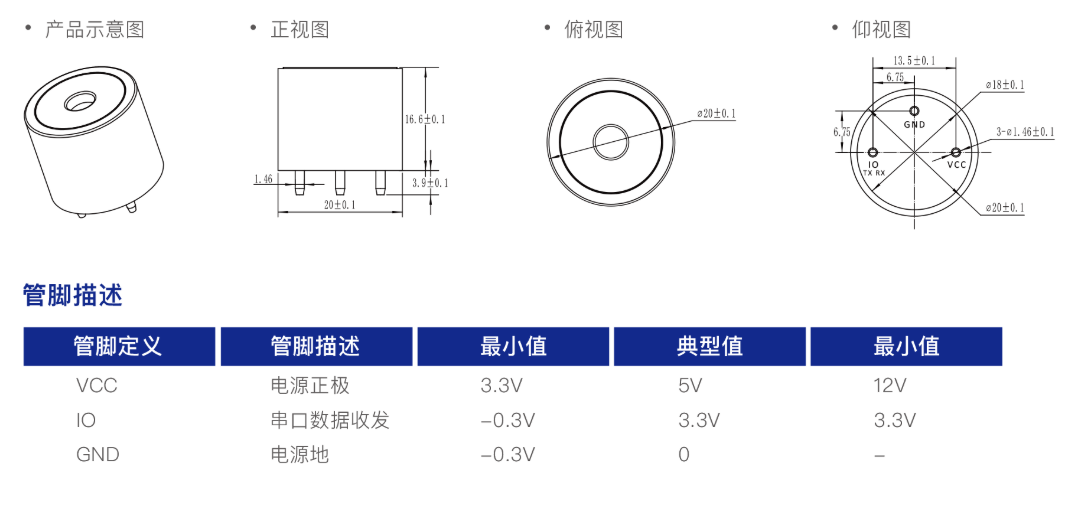
Standard industrial 4 series dimensions, 20 x 16.6mm cylindrical housing, allowing for easy iteration design of new products, suitable for fixed gas detectors and portable detection instruments.
Saved on the cost of housing design due to new product upgrades. Standard three-terminal pin size (VCC_positive power, GND_negative power, IO_data transmission/reception).
Service Life and Performance Testing
Intelligent gas sensor performance and lifespan self-check, performing regular self-assessments of lifespan and performance metrics, whether or not there is a measured gas present, and outputting warning signals.
Prompt for sensor maintenance or replacement of the sensor. This feature provides a reliable basis for the design of intelligent instruments, enabling gas detection instruments to have safety and reliability.
Achieve remote maintenance. Users can obtain fault information such as normal operation, weak performance, failure, or detachment of sensors through commands.
Early warning of sensor anomalies provided to users, enhancing security measures.
Factory Pre-Calibration
Each DS4 intelligent gas sensor undergoes professional gas calibration at the factory, with calibration data stored internally within the product's chip, allowing users to use it directly.
No need for further ventilation calibration. The factory calibration uses a diffused gas calibration and a simulated environmental climate calibration method that is closer to the actual application environment at the user's site.
Enhanced the accuracy of data from gas detection instruments using diffusion measurement (when the gas detection instruments use pump suction measurement, a secondary calibration is required based on the design parameters of the instrument system).
No preheating required
Intelligent hardware design maintains the gas sensor in an operational state even without power supply, ensuring immediate gas monitoring upon powering on at any time and place.
In both IoT applications and battery-powered devices, there's no need to worry about long preheating wait times and slow data retrieval in energy-saving and low-power design.
User-Defined Encryption Code Feature
Users can customize their own user codes for identification on the meter. When inserting other types, the meter can automatically verify if the user code is correct.
For incorrect user codes, the instrument can display an error message, reminding the user to insert the correct sensor.
Low-power sleep mode feature
The sensor features a sleep mode, allowing users to customize sleep and wake-up modes, suitable for low-power battery or IoT applications.
Self-identifying function
DS4 sensor outputs identity information, such as gas type, detection range, etc., facilitating the design of self-identification functions for greater flexibility.
Simple and easy-to-use UART digital output
The DS4 sensor utilizes UART 3.3V output signals in a half-duplex single bus mode, directly providing the gas concentration values without the need for complicated communication protocols.
Make secondary development application design flexible, simple, and quick.
Convenient maintenance
Plug and Play, with hot-pluggable capability, open calibration protocols, support for secondary offline calibration during after-sales service, and one-touch factory reset design.
Plug and play with offline calibration; eliminates the need to bring hazardous gases into the detection environment for instrument aeration calibration, thus avoiding safety risks and contamination of the on-site environment.
Make maintenance safer, easier, and simpler.
Structural diagram
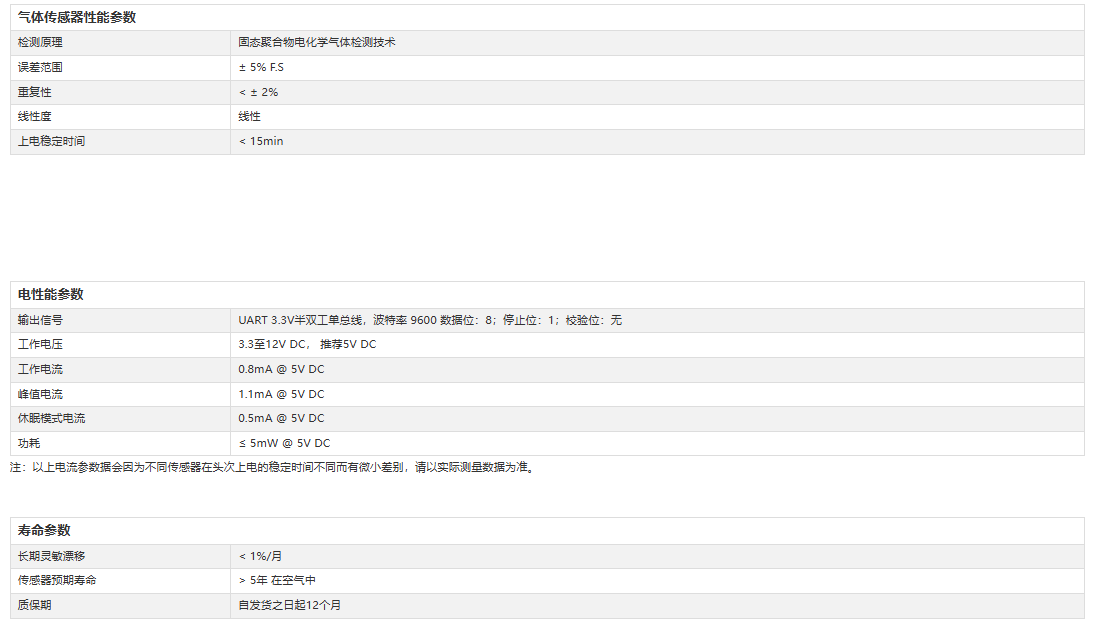
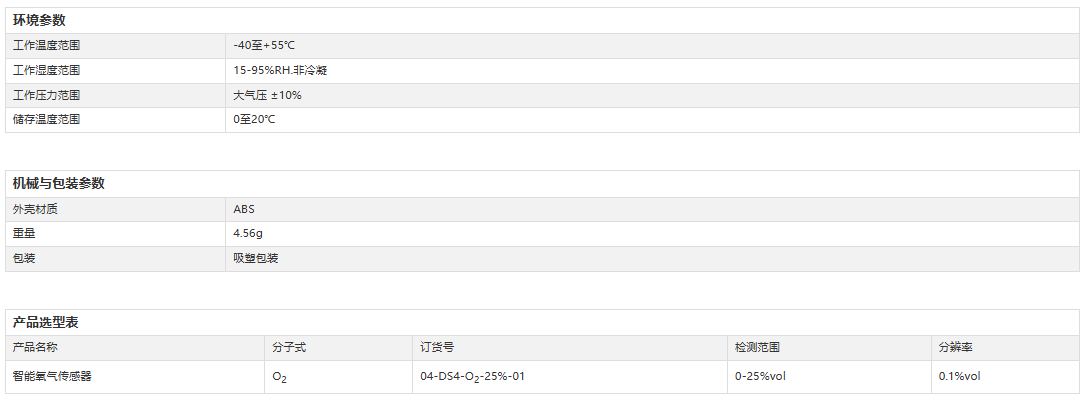
Technical Specifications