







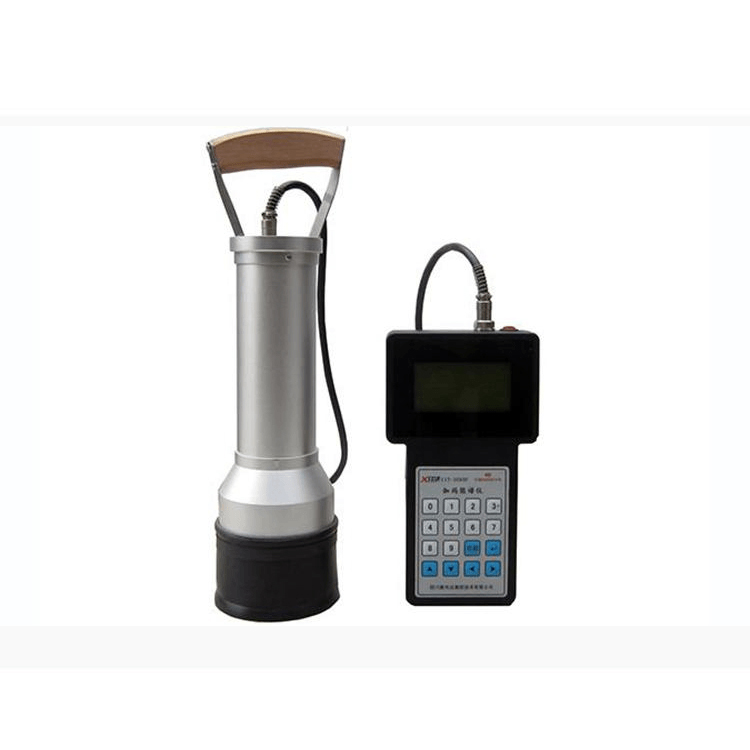
I. Overview
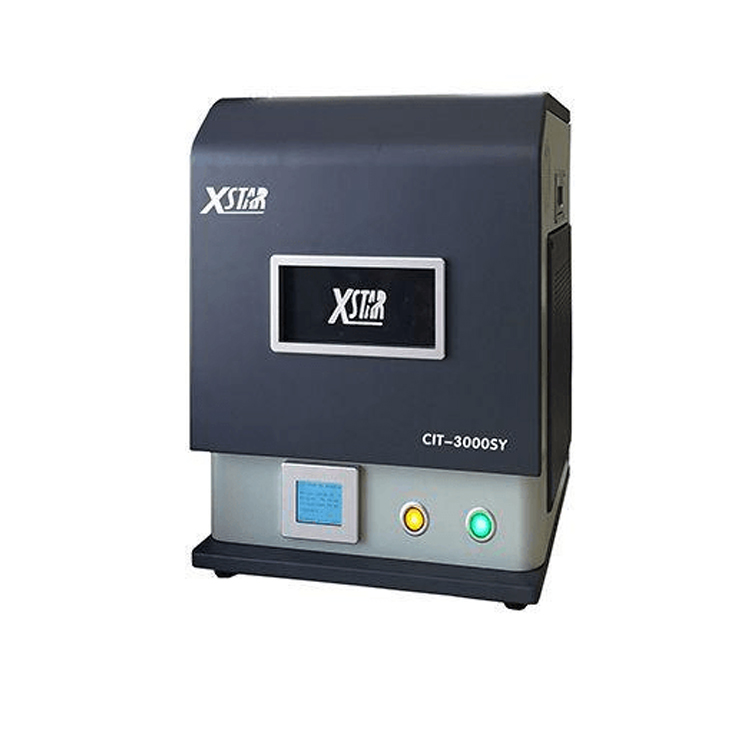
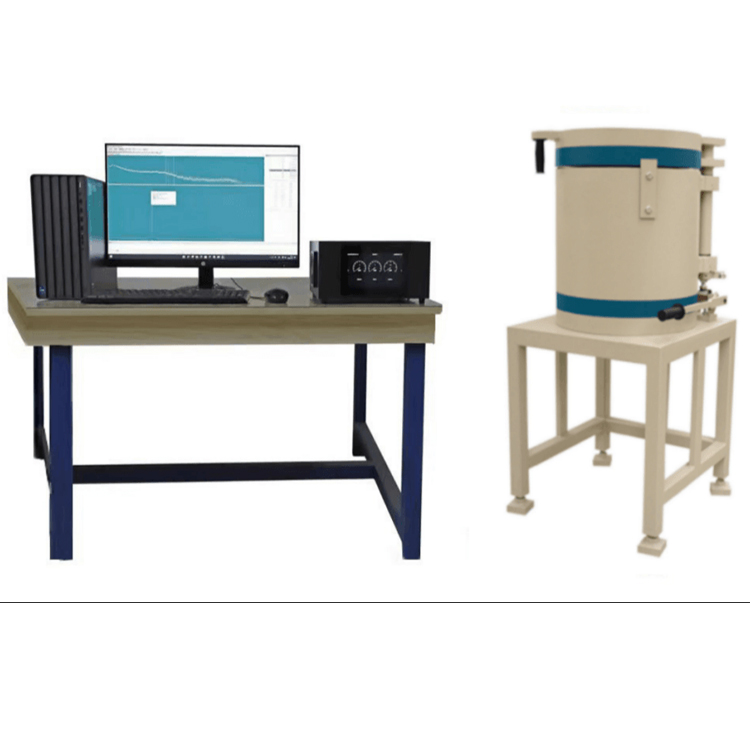
In oil drilling operations, accurately obtaining lithological data is a crucial task in logging, serving as the foundation for timely establishment of stratigraphic profiles, precise evaluation of reservoir properties, and accurate prediction of the lithology of lower strata. It is also essential for guiding the normal operation of drilling production. Traditional logging of lithology primarily relies on human visual observation or optical instruments, resulting in qualitative descriptive data. Due to the presence of numerous human factors, the lithological identification and feature description of the same sample can vary greatly. These non-standard, qualitative, and descriptive data are not conducive to cross-sectional or regional comparative analysis and have limited reliability, increasingly failing to meet the needs of complex oil and gas reservoir exploration and development. At the same time, the development of many new drilling technologies and processes often results in fine rock屑, sometimes in a dust-like state, making lithological identification methods based on observation more difficult to meet field demands. With the advancement of drilling technology, a method is needed to accurately and quantitatively solve the problem of fine rock屑 lithological identification. X-ray Fluorescence (XRF) analysis technology, using X-rays to照射 samples and produce characteristic X-ray fluorescence, can quantitatively analyze the content of elements in rock屑 through fluorescence spectral analysis, meeting the quantitative requirements of geological logging and effectively solving the identification problem of fine rock屑. Consequently, Sichuan Xinxianda Measurement and Control Technology Co., Ltd., based on the actual production conditions of petroleum geological logging, in accordance with the JC/1085-2008 standard, has produced the CIT-3000SY petroleum X-ray fluorescence element logging instrument. This instrument integrates the latest electronic technology, computer technology, and nuclear analytical methods, featuring high microcomputerization, user-friendly human-machine interface, high analysis accuracy, and employing multiple patented technologies. It is a new technical equipment for solving the above challenges in petroleum geological logging. Analyzed elements include Mg, Al, Si, P, S, Cl, K, Ca, Ba, Ti, Mn, Fe, Pb, As, Sr, and more. It can directly calculate and display the content of the measured sample's lithology after measurement.
Section II: Measurement Principle
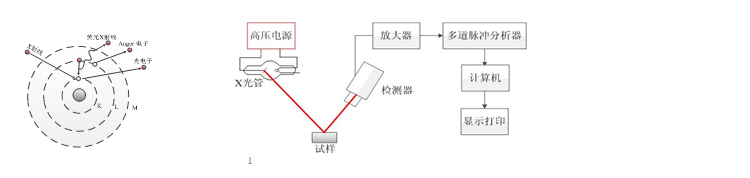
X-ray generators emit X-rays that interact with the atoms of the sample, ejecting inner shell electrons. When outer electrons fill the inner shell, they emit X-rays with the inherent energy of the atom, known as characteristic X-rays (X fluorescence). After being excited, the characteristic X-ray energies emitted by atoms of different elements during de-excitation are distinct, such as iron's characteristic X-ray (FeKα) energy of 6.4 KeV and copper's characteristic X-ray (CuKα) energy of 8.0 KeV, etc. This allows for qualitative analysis. Under certain conditions, the intensity of characteristic X-rays is proportional to the element content (grade), enabling quantitative analysis.
III. Technical Specifications
Instrument Function Overview: Accurate, rapid analysis, and data processing of rock debris elemental content. Specific technical specifications include: - SDD semiconductor detector counting with American aerospace technology, paired with dedicated digital pulse processing technology, energy resolution >80eV (55Fe); - Energy measurement range: 1-40KeV; - Reproducibility: >65% >97% (N for peak area); - High voltage: 0V-50kV; - Tube current: 1μA-500μA; - Vacuum pump rated power: 550W; - Instrument rated power: 200W; - Detection time: 120S-600S (time adjustable according to sample); - Vacuum level in 10 seconds: 10-2Pa, high vacuum region: 10-1-10-5Pa; - Instrument weight: 70Kg; - Elemental content analysis range: 1ppm-%; - Reproducibility: <0.1%; - Stability: <0.05%; - Radiation dose: <25μsv/h.
IV. Technical Features
Utilizing X-ray tube to excite samples, automatically selecting excitation conditions for enhanced analytical results; Imported electro-optical semiconductor detector; Vacuum environment measurement increases the excitation efficiency and measurement range for light elements; The system can automatically identify spectral lines, conveniently understanding the composition of the sample; 2048-channel multi-channel spectrometer for real-time measurement display, performing precise X-ray analysis on the sample; Achieves rapid, non-destructive, and accurate elemental analysis in one go; Automatic calibration ensures long-term stability of the instrument; Real-time video image monitoring allows for observation of the measurement status at any time; Powder sample detection with simple sample preparation; Overall design is rational, performance is stable, and operation is reliable; Full Chinese Windows application software with simple operation; Analytical elements: Mg, Al, Si, P, S, Cl, K, Ca, Ba, Ti, Mn, Fe, Pb, As, Sr, etc.; The similarity between the measured sample and the standard lithology can be calculated and measured through the software.
V. Application Scenario
The CIT-3000SY model of Petroleum Rock屑 X-ray Fluorescence Elemental Logging Instrument is currently in use at companies such as Zhongyuan Logging, Mianyang Logging, Chuanqing Institute of Geotechnical Research, Tarim Oilfield, Liaohe Oilfield, Jianghan Oilfield, and Shenka Logging. The CIT-3000SY is a high-resolution energy-dispersive X-ray fluorescence spectrometer domestically. It boasts stable performance and high reliability, offering a wide range of measurable elements. It provides reliable data for quantitative interpretation and evaluation of lithology and stratigraphy. Over 50 sets of the Petroleum Rock屑 X-ray Fluorescence Elemental Logging Instruments have already been supplied to various logging units.
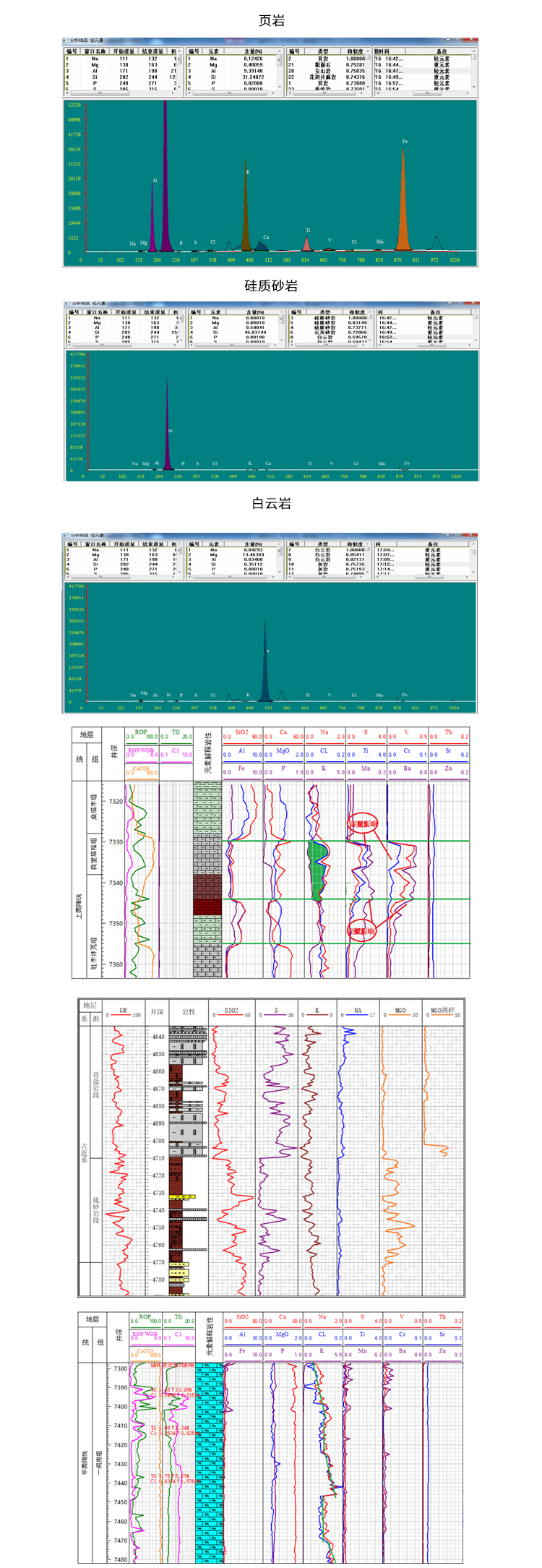
Measured spectral line