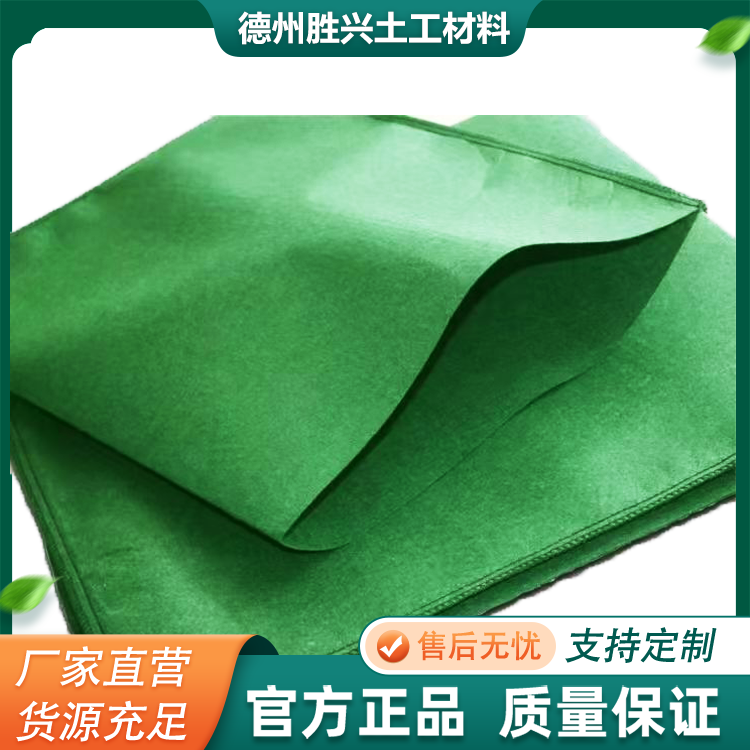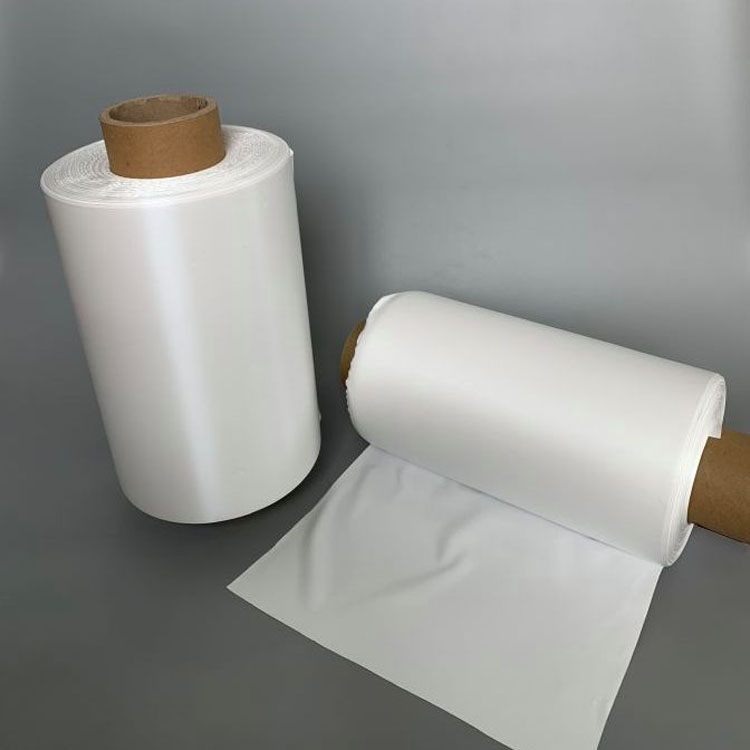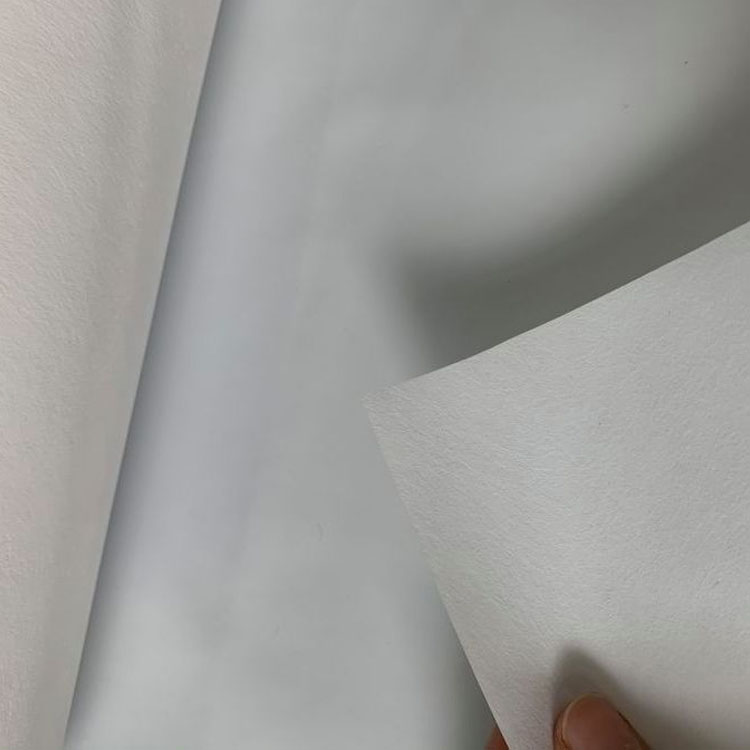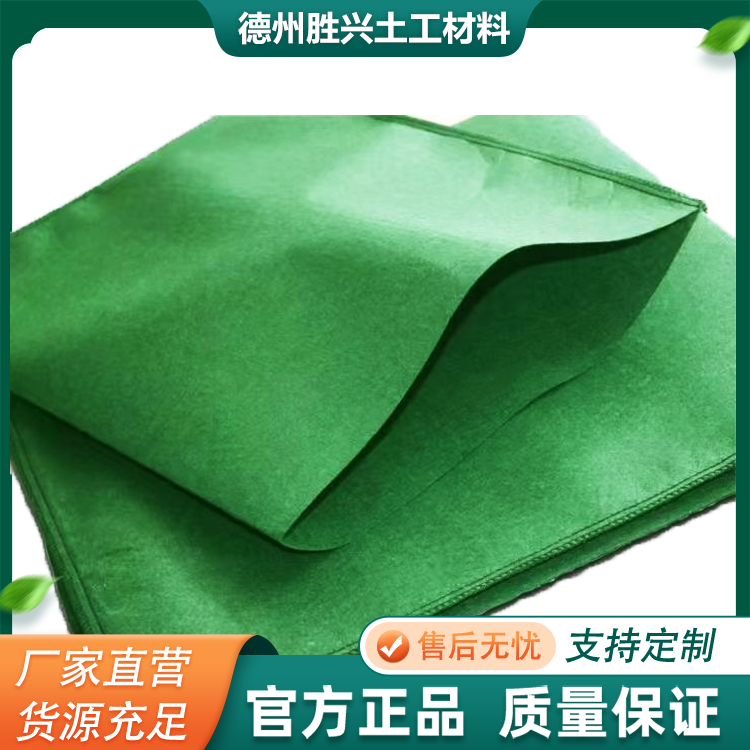

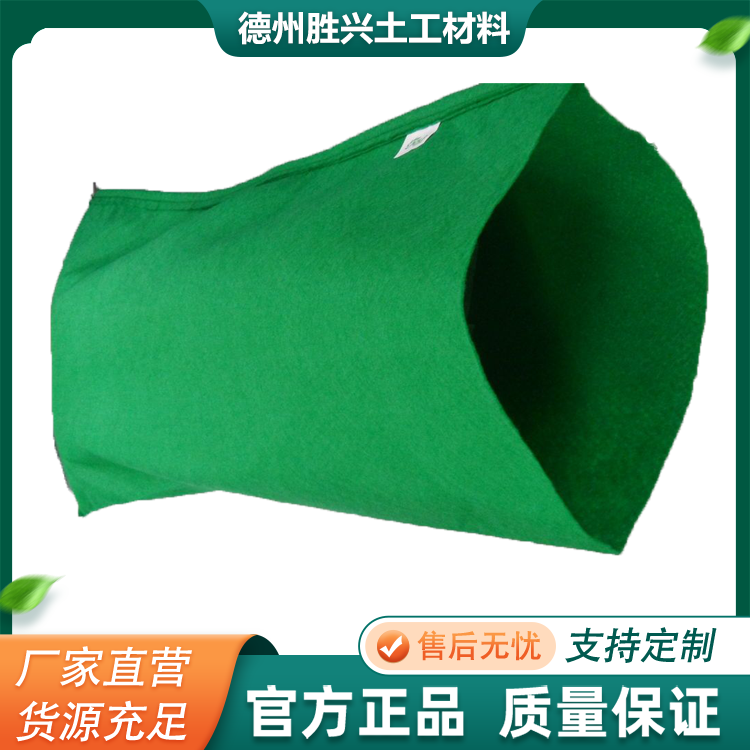
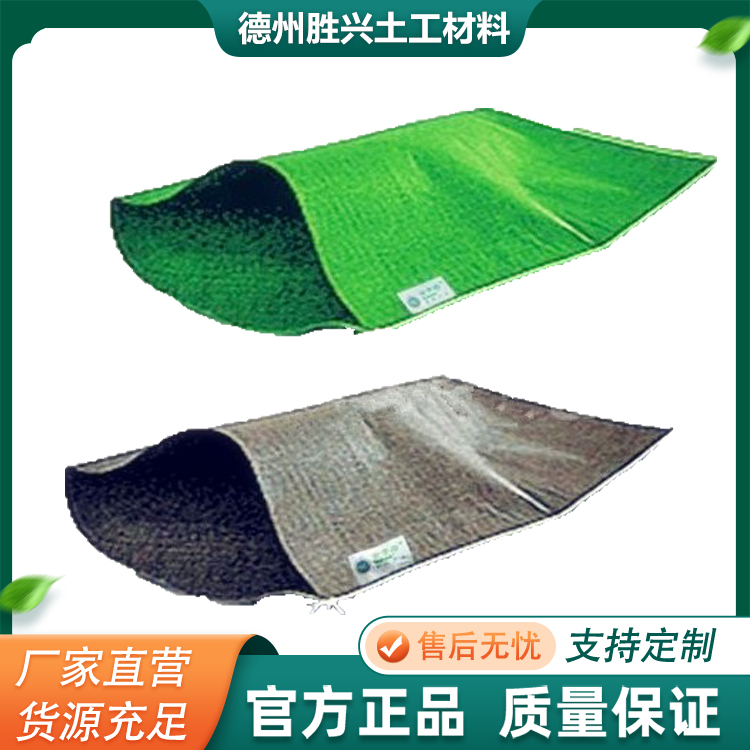







Eco-bags feature UV resistance, aging resistance, non-flammability, and non-spreading cuts.
Ecological bags are a high-strength, UV-resistant, freeze-thaw-resistant, and acid-base-resistant eco-synthetic material, representing a new type of high-tech special material. They offer high strength UV resistance, acid-base resistance, corrosion resistance, and freeze-thaw resistance, remaining non-degradable for over 50 years, truly achieving zero pollution. These bags are moisture-resistant, do not absorb water, and the water will not damage the bags, nor will they deform. They are not soluble in polluted liquids, making them an excellent tool for ecological maintenance and highly applicable. The raw materials of ecological bags do not absorb water, so when moisture is present, the bags will not be damaged, and they will not deform, nor will they dissolve in polluted liquids. They are resistant to chemical corrosion (PH): General research and testing indicate that ecological bags have strong resistance to a certain concentration of acidic and alkaline chemicals, making them suitable for most solid and severely polluted sites. They are resistant to biological degradation and animal damage: The special formula material used in ecological bags does not support, absorb, or assist in the growth of fungi, and does not decay, mildew, or degrade. They are not digested by insects or related animals and will not become food for rodents, termites, beetles, shellfish, silverfish moths, and others. High-temperature resistance of polymeric materials: Ecological bags can withstand temperatures up to 150 degrees Celsius without melting. In slope engineering, this new material can completely replace stones, concrete, and other materials, significantly reducing engineering costs. After construction, the slope has a surface that can be covered with vegetation, achieving the effect of greening the excavation surface and creating a natural ecological slope. They have the function of allowing water to pass through but not soil, making the slope highly permeable and providing strong protection and stability against soil erosion, partial mud (soil) landslides, and slope collapses.