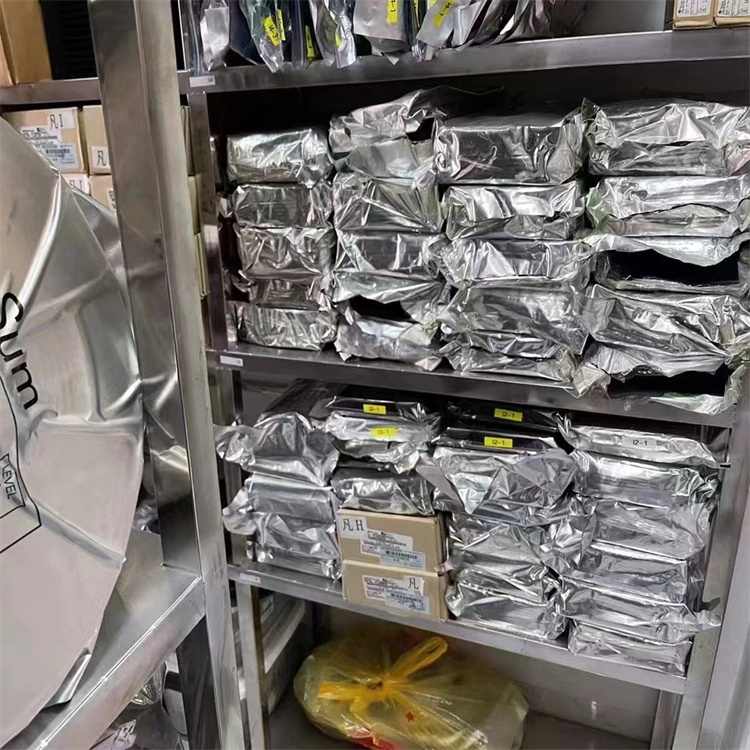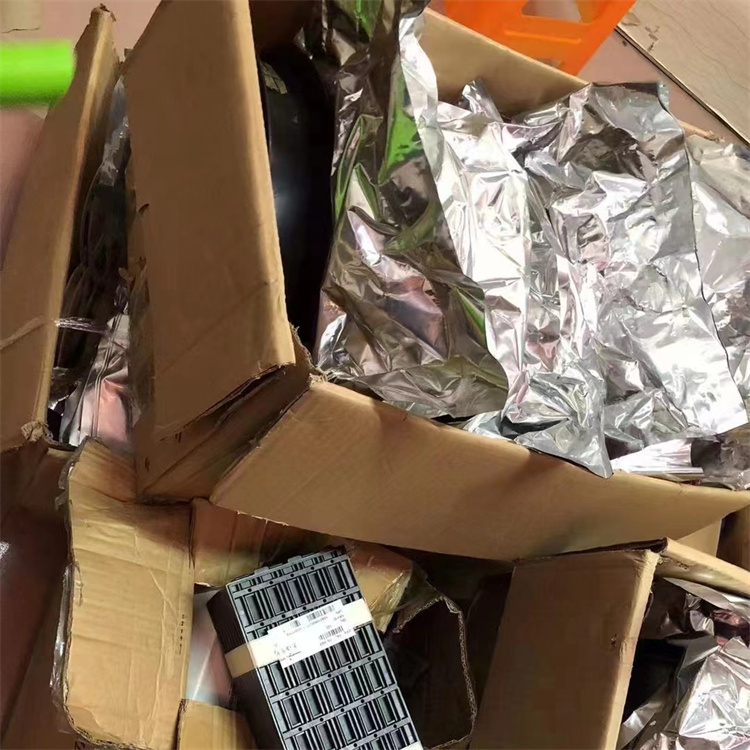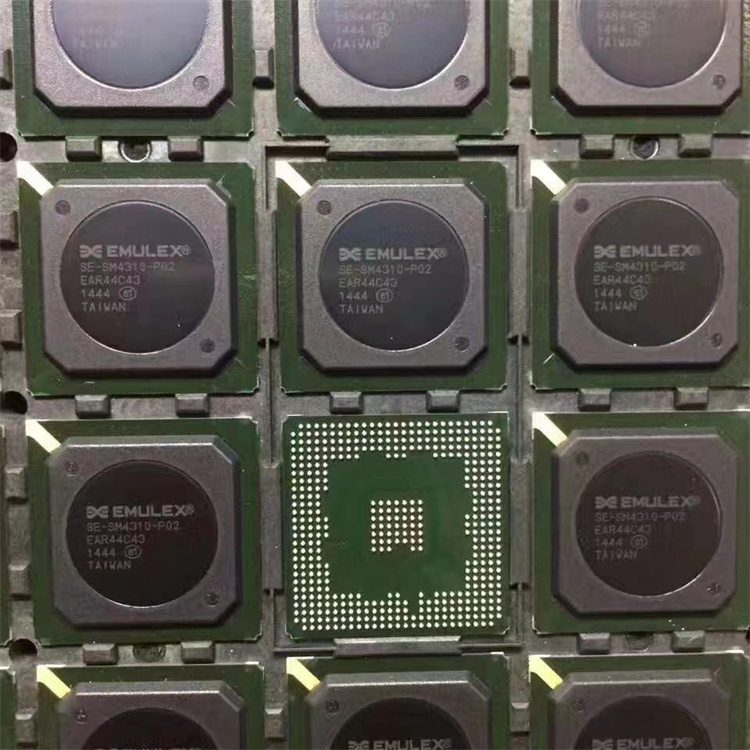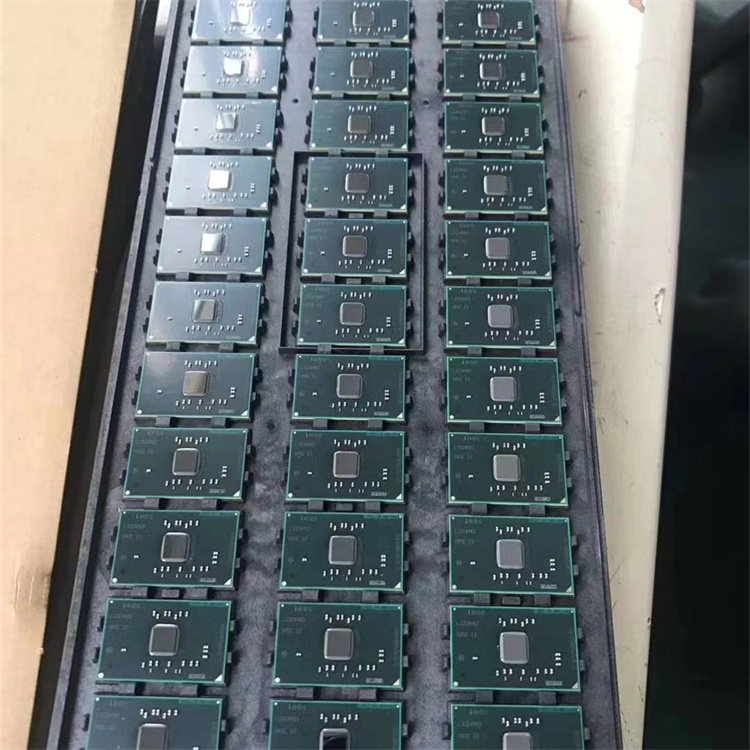

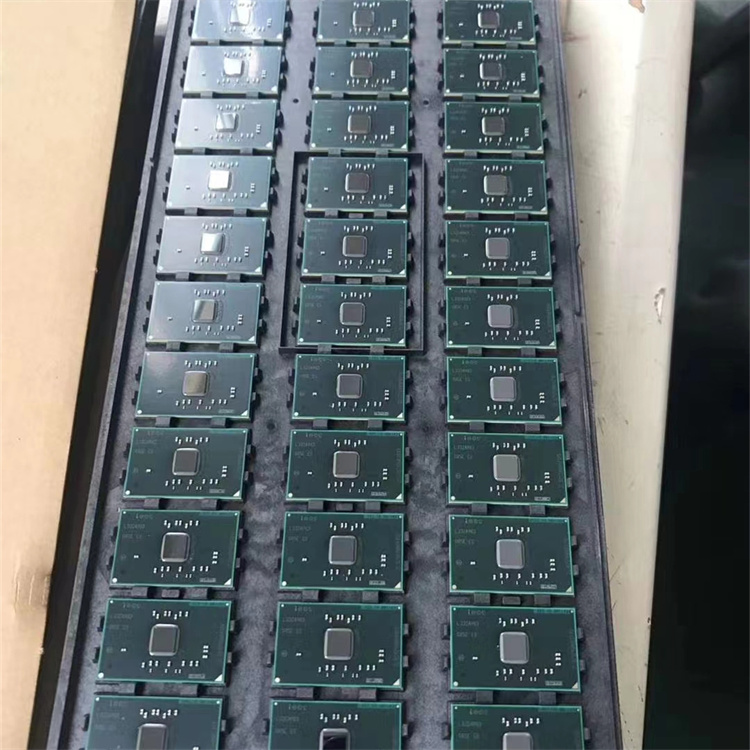
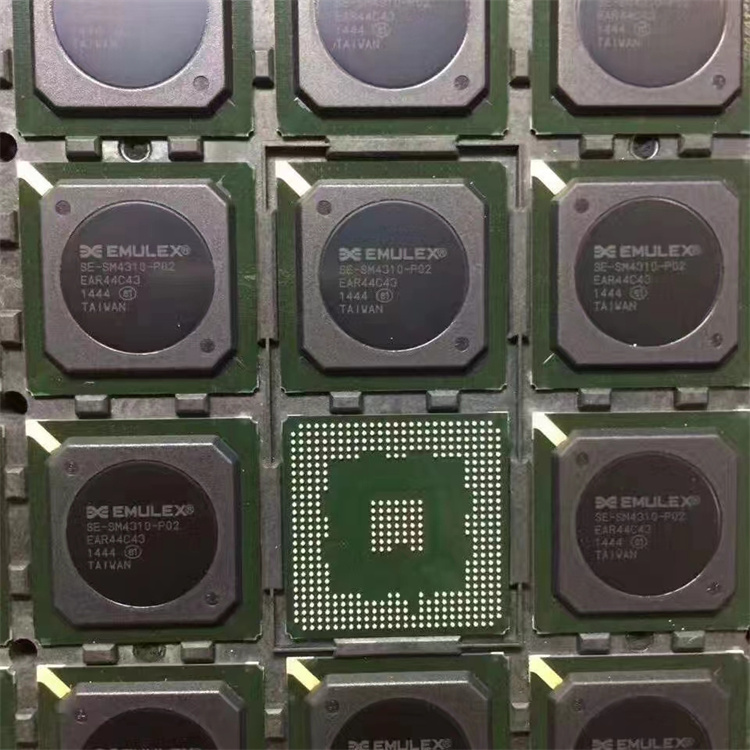










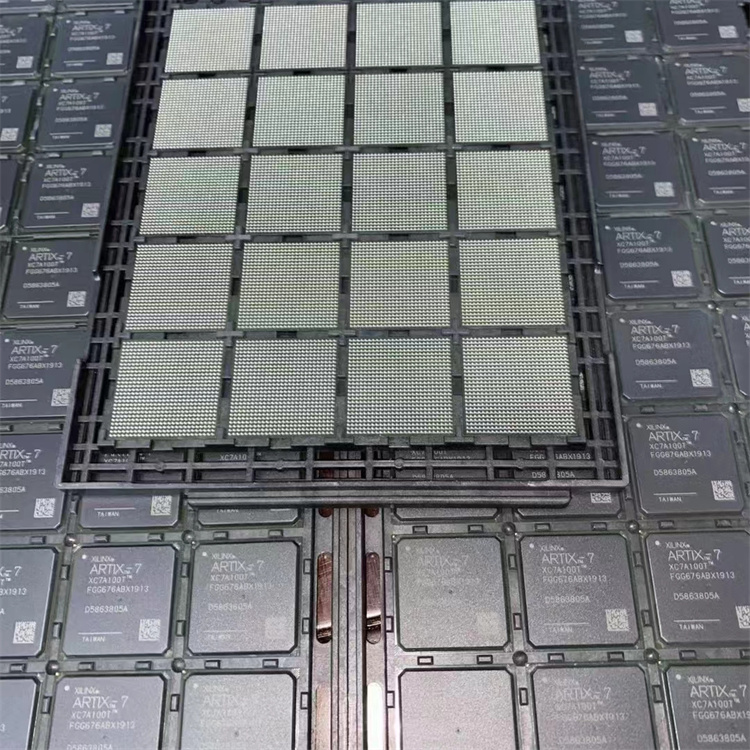
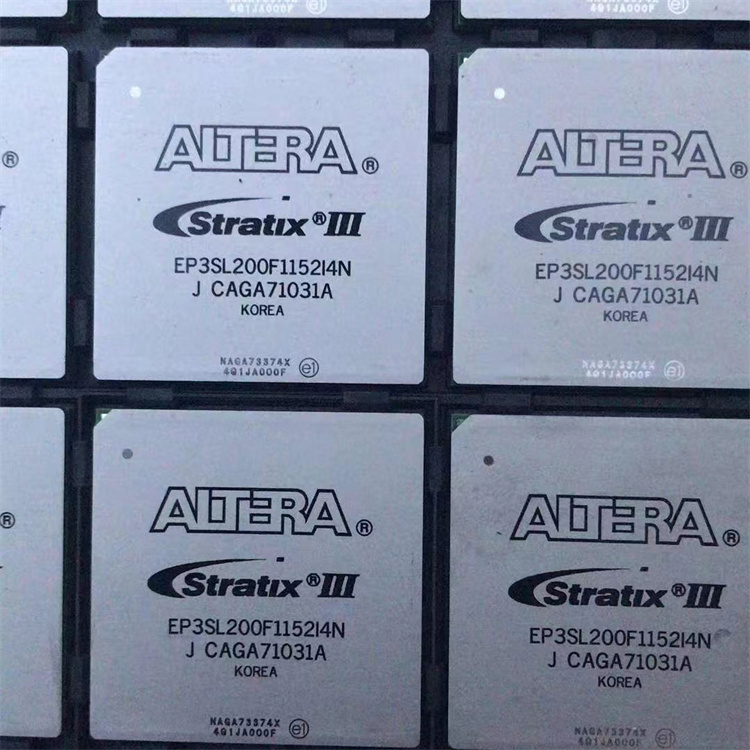
Electronic waste recycling primarily refers to a series of activities involving the collection, sorting, processing, and reuse of discarded electronic products, components, and waste. The following is a detailed analysis of electronic waste recycling:
The Significance of Electronic Waste Recycling:
Resource Conservation: Many valuable metals and other materials are contained in electronic materials, which can conserve a significant amount of natural resources through recycling and reuse.
Environmental Protection: Improper disposal of electronic waste can cause severe environmental pollution. Recycling and processing can reduce the harm to the environment.
Economic Benefits: Electronic material recycling generates economic benefits, providing job opportunities for the recycling industry and related supply chains, while also enhancing corporate competitiveness.
II. Process for Electronic Materials Recycling
Recycling Trigger and Collection: Consumers or enterprises dispose of obsolete electronic products or materials into recycling channels, such as recycling stations or companies, due to equipment upgrades, inventory clearance, and other reasons. Recycling companies or institutions collect discarded electronic products or materials through on-site collection or setting up collection points.
Assessment of Types and Quality: Recycling companies identify the collected electronic materials, confirming their types, brands, models, and quantities, and evaluate their quality conditions.
Assessment Value: Based on market conditions and the actual status of electronic materials, recycling companies will conduct an assessment to determine a reasonable recycling price.
Procedure Handling: For electronic materials involving special situations like customs seizure or returning to port, the recycling company must communicate with relevant departments, complete the necessary procedures, and ensure the recycling process is legal and compliant.
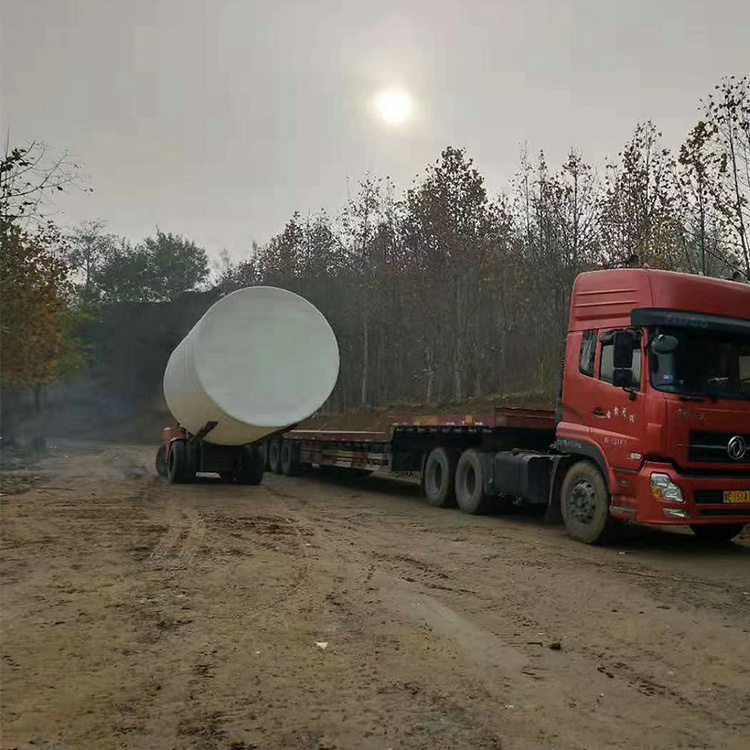
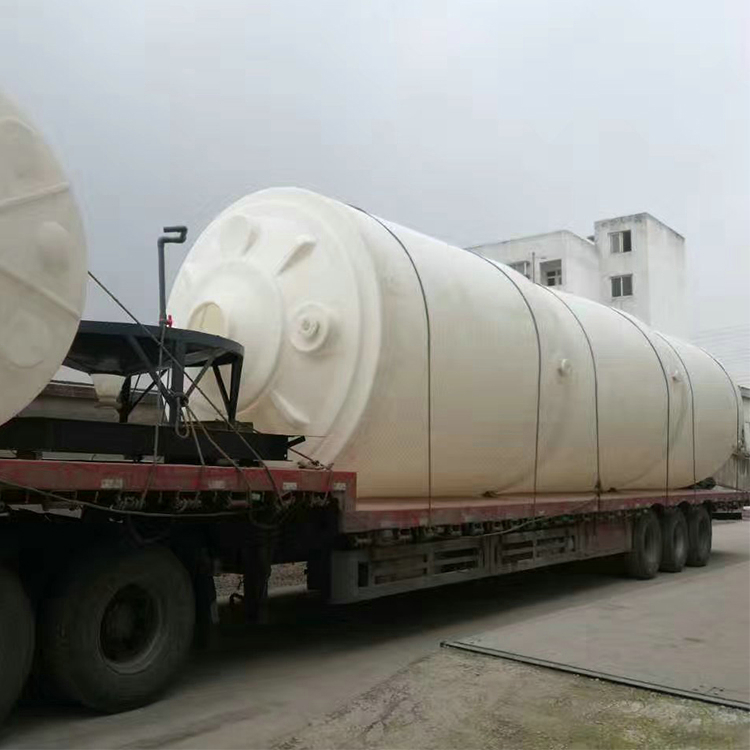
Safe Transportation: The recycling company arranges transportation to transport electronic materials from collection points to recycling facilities. During transportation, ensure the safety and stability of the electronic materials to prevent secondary contamination or damage.
Categorization Processing: Upon arrival at the recycling facility, the recycling company will categorize the electronic materials. Different processing methods are adopted based on the types and qualities of the materials.
Disassembly and Decomposition: Technicians dismantle discarded electronic products, separating various components and materials such as batteries, circuit boards, and plastic casings.
Resource Recovery: We carry out resource recovery on the dismantled parts and materials. For instance, harmful substances from batteries are treated separately, while metal elements and valuable metals (such as gold, silver, copper, etc.) are recycled for reuse.
Hazardous Waste Treatment: For electronic materials that cannot be reused, recycling companies will carry out hazardous waste treatment to ensure no environmental pollution.
Record Process: Recycling companies meticulously document the entire recycling process, encompassing collection, identification, assessment, transportation, sorting and processing, disassembly, resource recovery, and无害化处理.