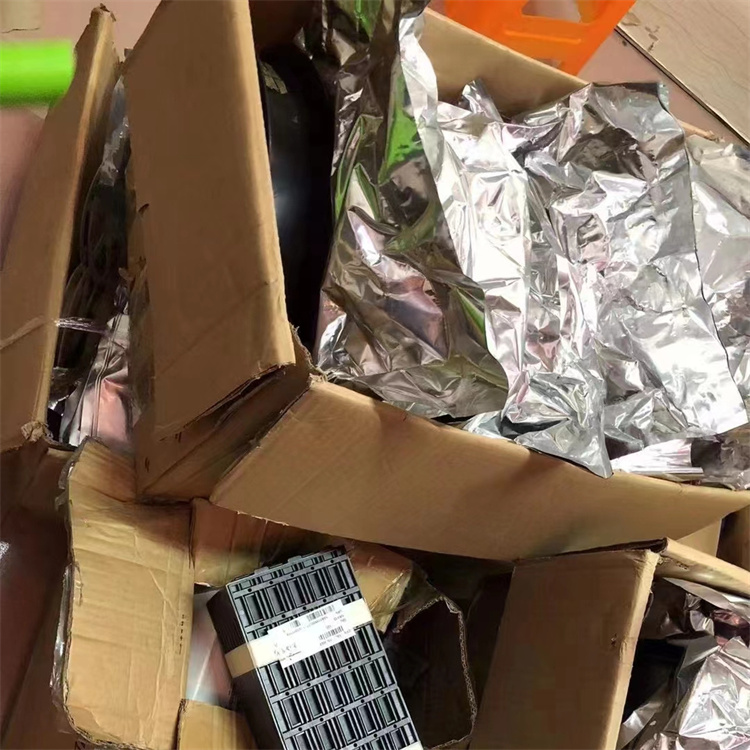







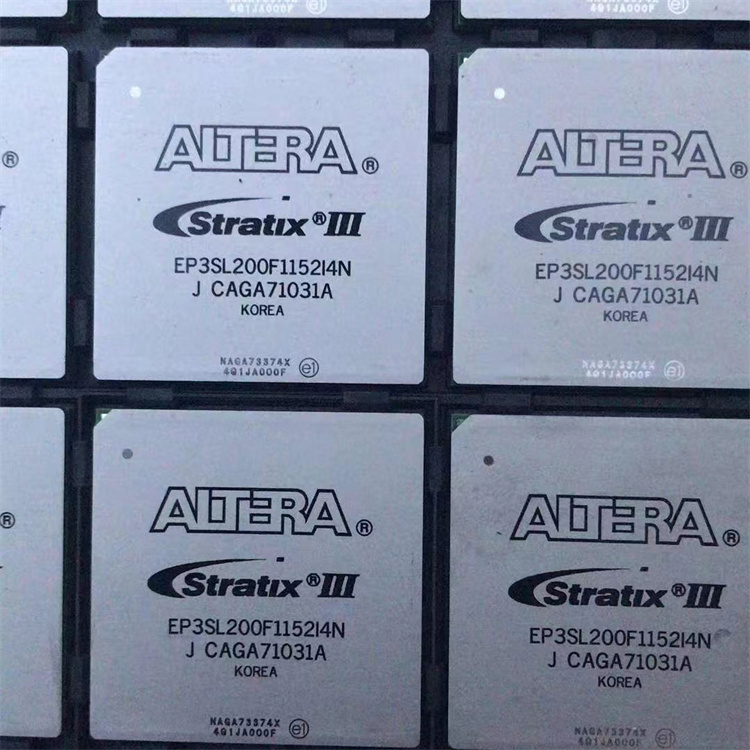
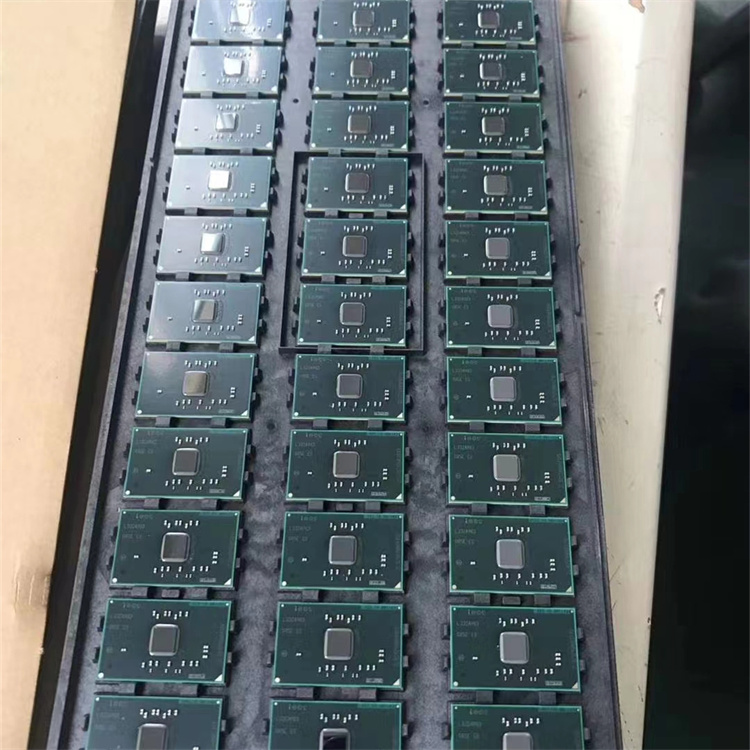
IGBT (Insulated Gate Bipolar Transistor) module recycling is a crucial environmental initiative, encompassing the collection, sorting, disassembly, and reuse of obsolete IGBT modules. Below is a detailed analysis of IGBT module recycling:
The Importance of IGBT Module Recycling
Resource Conservation: IGBT modules contain various valuable materials such as silicon, copper, aluminum, and rare metals. Recycling these modules allows for the extraction of these materials, achieving resource reuse, and avoiding waste.
Environmental Protection: IGBT modules may use harmful chemicals during production. Improper disposal or handling can lead to environmental pollution. Professional recycling and treatment can effectively reduce the harm of these harmful substances to the environment.
Economic benefits: Repaired or reused IGBT modules can reduce production costs and create new economic value.
II. Process for IGBT Module Recycling
Information Collection & Evaluation: Communicate with recyclers, factories, or companies to gather details on the specific model, quantity, and condition of their IGBT modules to be recycled, and conduct a preliminary assessment to determine the recycling value.
Logistics Transportation: Once the agreement is reached, the recycling company will arrange a professional logistics team to pick up the goods at the doorstep, ensuring safety and stability throughout the transportation process.
Inspection and Categorization: Upon arrival at the recycling center, the recycled IGBT modules undergo rigorous inspection and categorization, distinguishing between those that are repairable, disassemblable, and those that require scrapping.
Repair and Remanufacturing: Professional repair and testing will be conducted for repairable IGBT modules to restore their operational functionality; for modules that cannot be directly repaired, remanufacturing or downgrading for use will be considered.
Environmental Decommissioning: For IGBT modules that can no longer be reused, an eco-friendly decommissioning process will be employed to extract valuable materials such as precious metals and plastics for resource utilization.
III. Challenges and Opportunities in the Recycling of IGBT Modules
Challenge:
A wide variety of IGBT modules exist, with differences in structure and materials among different models and manufacturers, which increases the difficulty of recycling.
Some IGBT modules contain hazardous substances, improper handling may cause secondary pollution to the environment.
The IGBT module recycling market is unregulated, with some illegal disassembly and disposal practices in existence.
Opportunity:
With technological advancements, the recycling and processing technology and equipment for IGBT modules have continuously improved, enhancing recycling efficiency and resource utilization.
The emphasis on environmental protection is continually increasing, with a series of policies being implemented to support the development of IGBT module recycling industry.
The increased public awareness of environmental protection has also spurred the development of the IGBT module recycling industry.