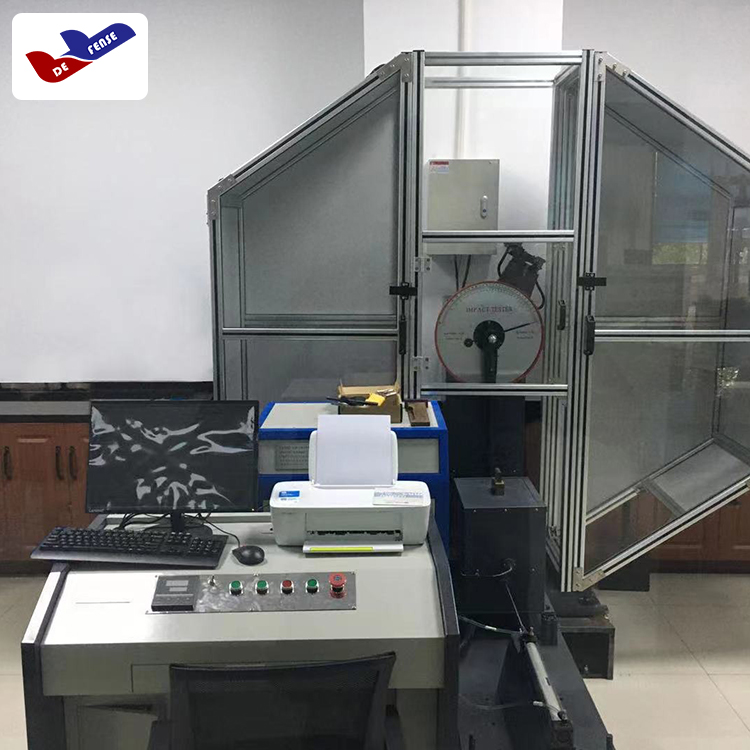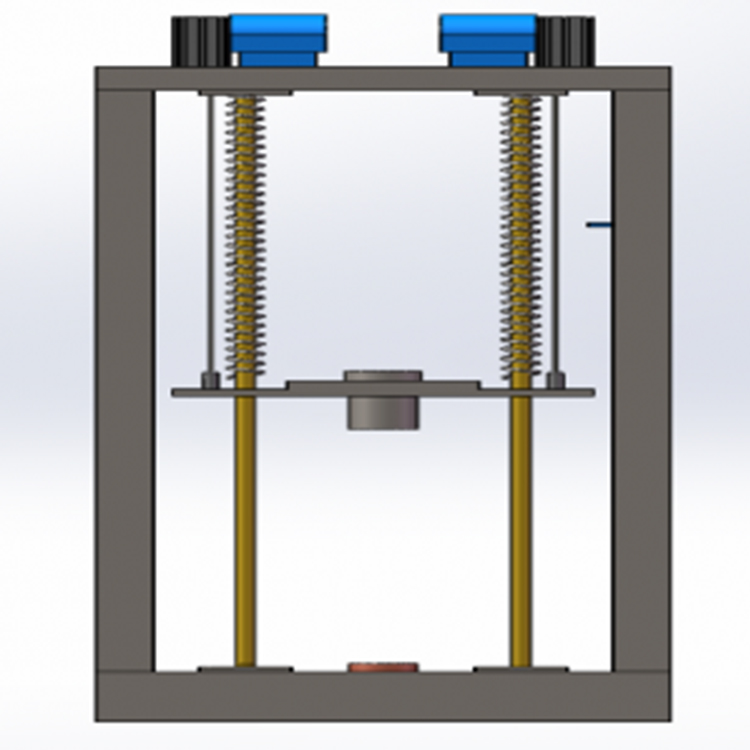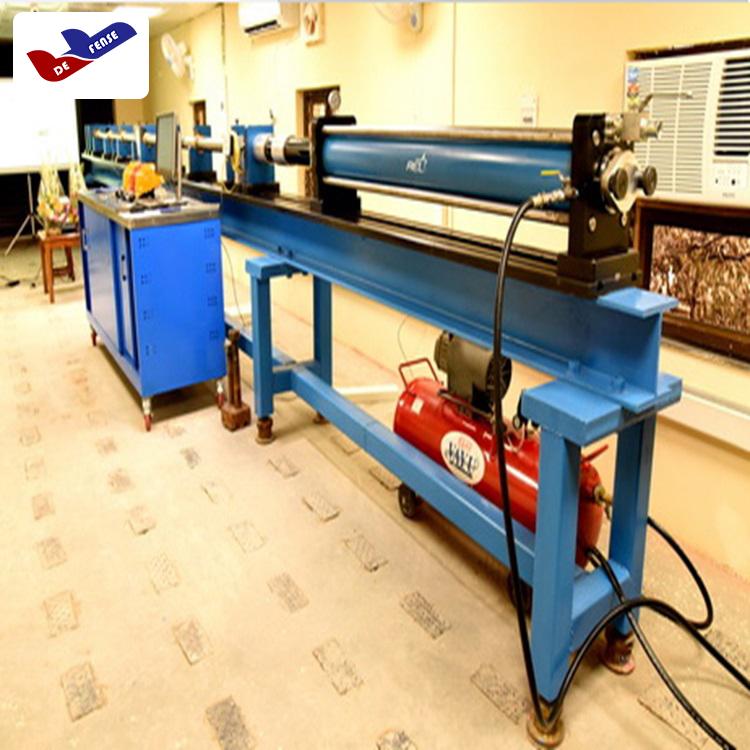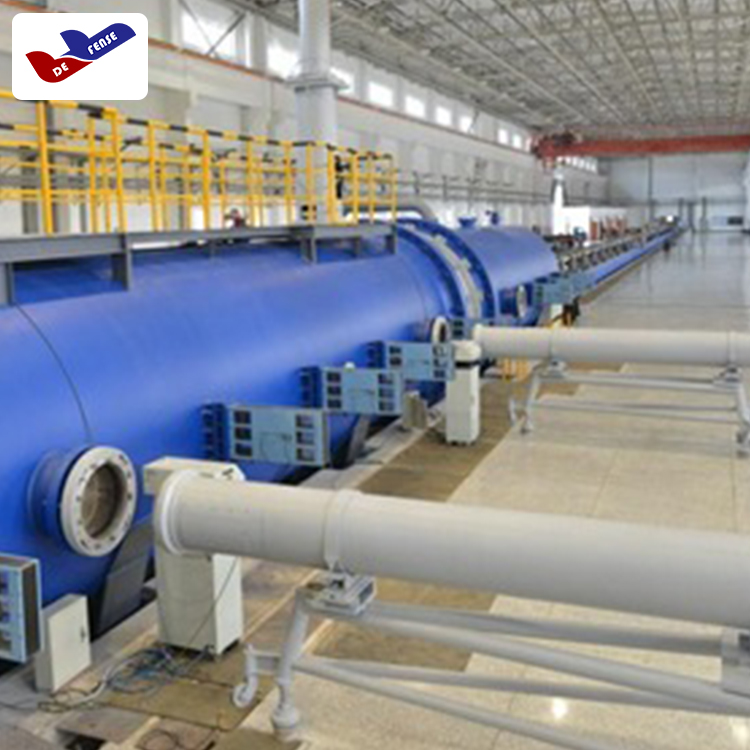




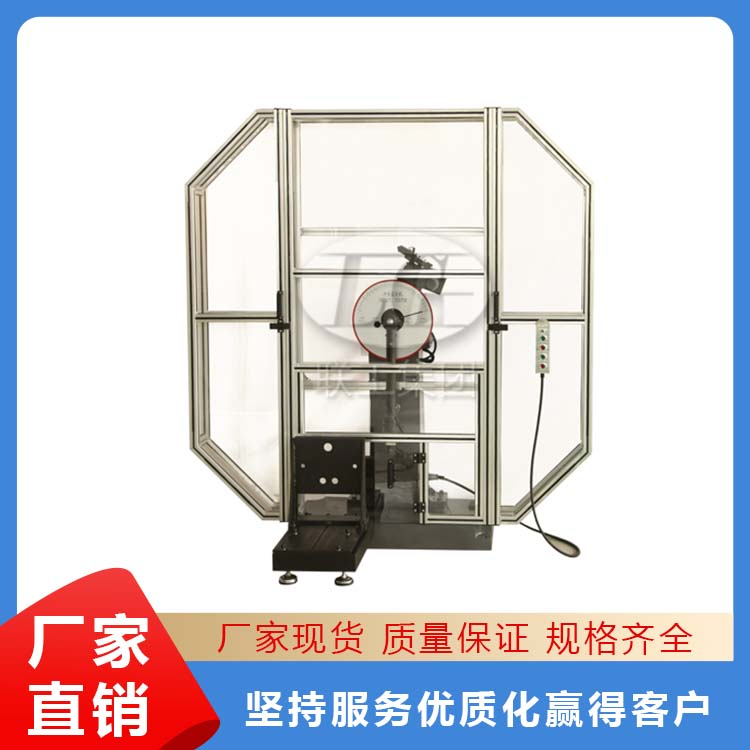
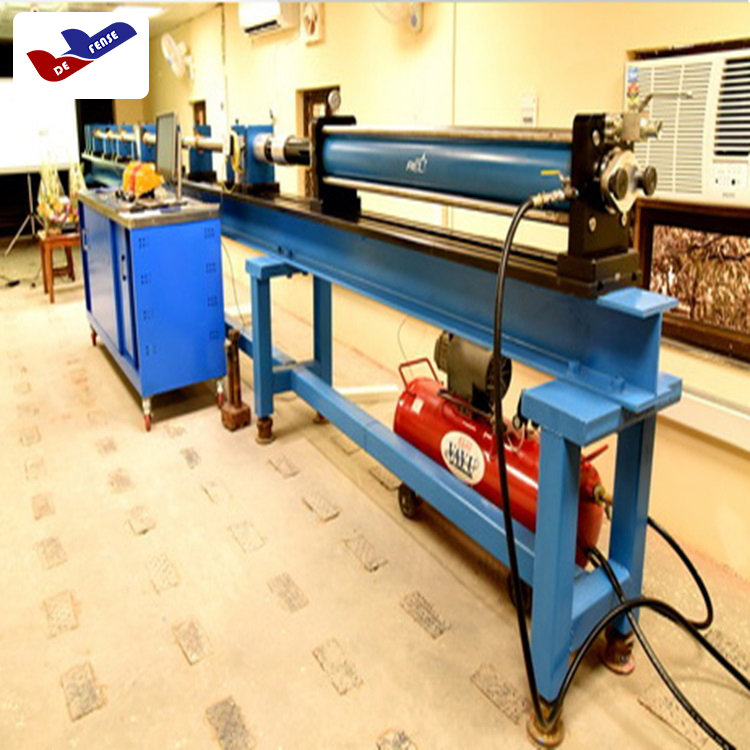
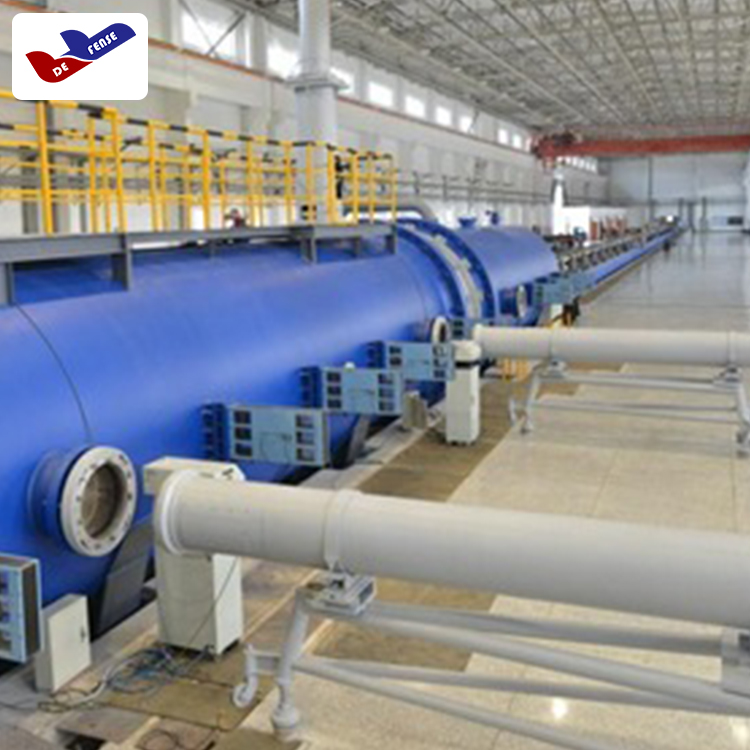






The working principle and key components of the lightweight pneumatic cannon, including the gas-driven system, impact test bench, and measurement and recording system, ensure the accuracy and safety of the impact tests. Our lightweight pneumatic cannon equipment provides precise high-speed collision test solutions for material science, engineering design, and safety assessment.
I. Basic Information
Our shock tester primarily tests the acceleration sensor's resistance to wide pulse high overload and the peripheral circuit's resistance to high overload. The purpose of the shock test is to verify the workability of the specimen under certain shock loads, providing a basis for improving system reliability. Depending on the focus of the test and different structures, shock test devices can be categorized into many types, mainly including shock test machines, Hopkinson bar setups, Makhnovskiy hammers, light gas guns, gunpowder cannons, hydrogen-oxygen combustion cannons, and electromagnetic guns.
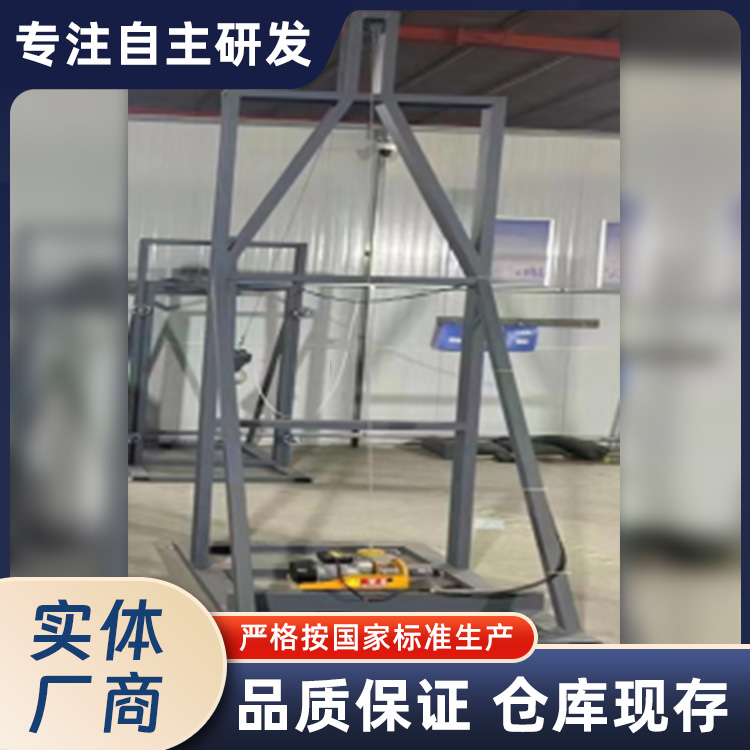
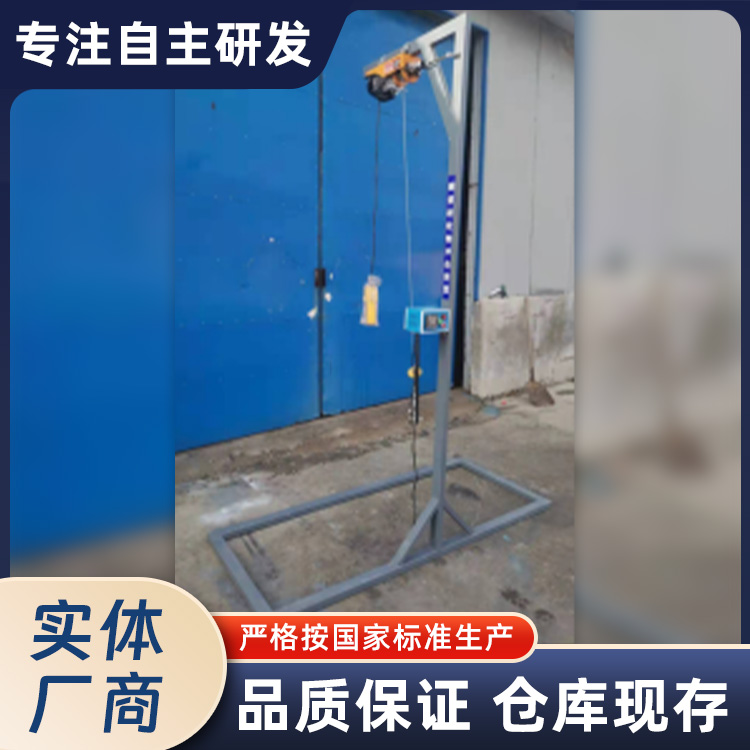
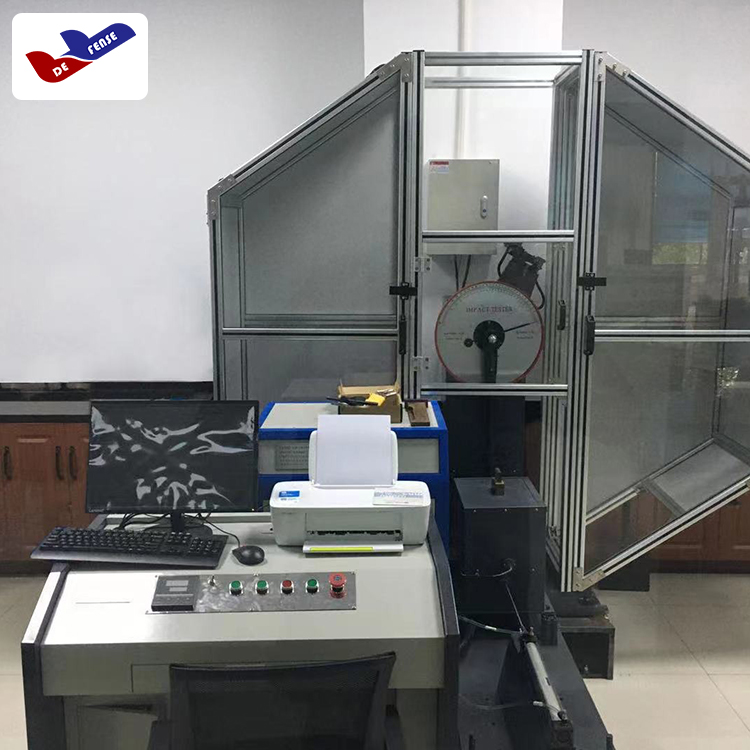
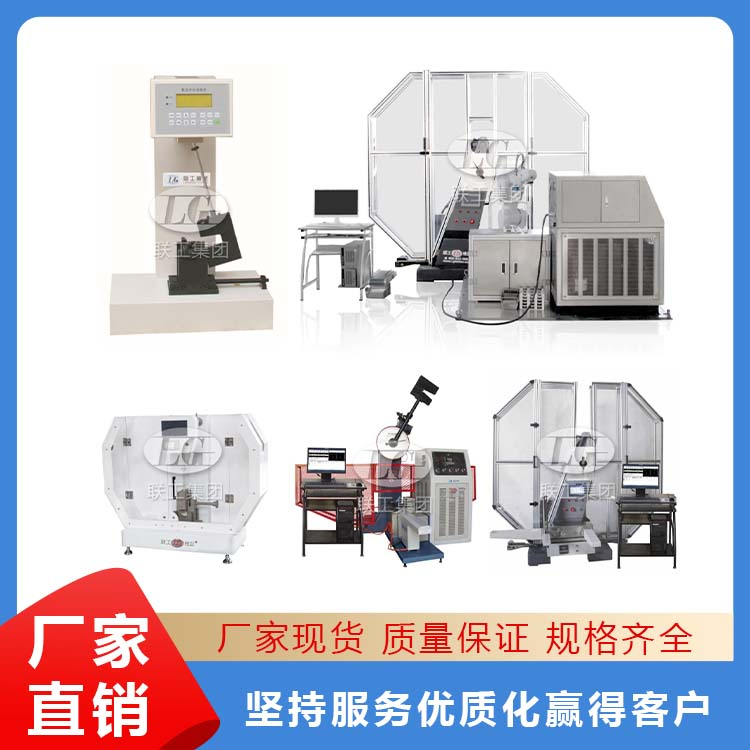
Our impact testing machines include light gas gun accelerated impact testing and calibration equipment, light gas gun impact and verification testing machines, cannon testing and calibration devices, Hopkinson bar calibration equipment, and drop hammer testing and calibration machines.
The Light Gas Gun can calibrate sensors and module products, capable of generating overloads up to 20g with high peak values, and pulse widths are typically narrow, ranging from tens of microseconds to milliseconds. Second and third-level Light Gas Guns can produce even higher overload peak values and wider pulse widths.
The Hopkinson rod can calibrate sensors, generating acceleration peak values of tens of thousands to two hundred thousand g, with loading pulses typically ranging from tens to hundreds of microseconds.
The Marshall hammer can calibrate sensors, generating acceleration pulse amplitudes below 50,000g, with pulse widths typically in the picosecond range.
The shock test bench can calibrate sensors and module products, generating acceleration pulse amplitudes below 50,000g, with pulse widths generally reaching the millisecond level.
High explosive cannons, hydrogen-oxygen combustion cannons, and electromagnetic cannons can be produced as large-scale modular products, generating acceleration pulse amplitudes below 30,000g. The general pulse width can reach several tens of milliseconds. When the test piece velocity is too high, the recovery issue becomes prominent. Our company offers shock forces generated by light gas cannons (see Light Gas Cannon webpage), Hopkinson bars (see Hopkinson Bar page), and explosive cannons (hydrogen-oxygen combustion cannons) (see Soft Recovery webpage), with a general pulse width reaching several tens of milliseconds.