







High Fescue Seed Rate per Square Foot
I. Suitable Plant Resources
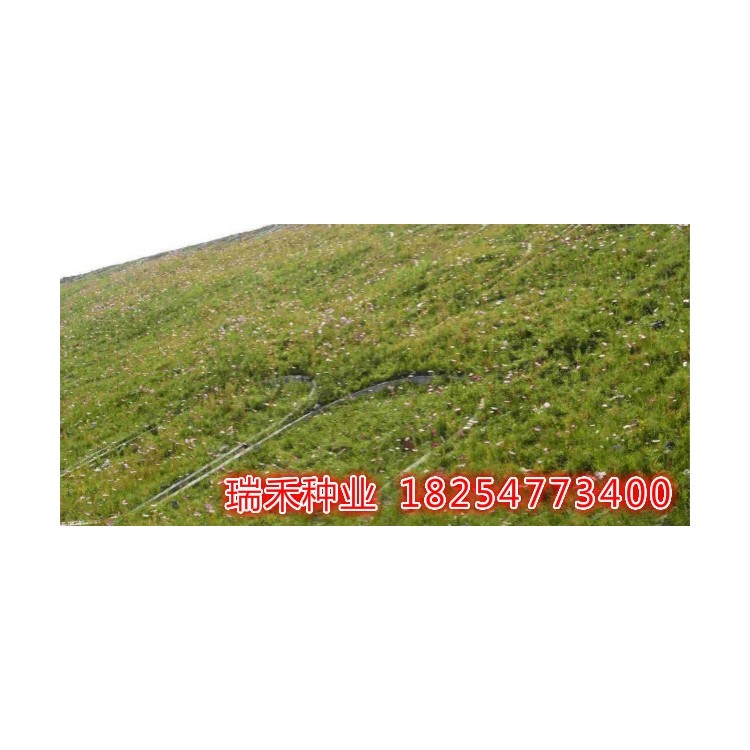
There are numerous plant resources for slope stabilization, with grasses being the most common choice. However, compared to woody plants, herbaceous plants have shallower root systems and are less effective in slope protection. Therefore, shrubs are now increasingly being used for slope stabilization.
1. Herbaceous Plants: Most herbaceous plants suitable for slope protection belong to the Gramineae and Leguminosae families. Gramineae typically grow quickly, have large roots, and provide good slope protection, but require more fertilization. In contrast, Leguminosae grow slower in the seedling stage but are more tolerant of poor soil conditions due to their nitrogen-fixing ability and can withstand more extensive management. They also have brighter flower colors and offer a better landscape effect during flowering.
Grasses can be categorized into warm-season and cool-season types based on their adaptability to seasonal temperature changes. Cool-season grasses are more frost-tolerant but have poor heat and drought resistance. With proper management, they can remain evergreen in transition zones between cold and warm seasons. Warm-season grasses are more heat and drought-tolerant but less frost-resistant, surviving winter through underground stems or creeping stems, resulting in poorer winter aesthetics. However, their maintenance is less intensive compared to cool-season grasses.
In cool-season grasses, commonly used Poaceae species include tall fescue, perennial ryegrass, fine fescue, smooth brome, and early spring grass. Popular Leguminous species include white clover, red clover, bird's foot trefoil, vetch, and variable crown vetch. In warm-season grasses, common Poaceae species include Bermuda (kikuyu), Manila, Zoysia, St. Augustine, switchgrass, hair grass, bristle grass, and buffalograss. Common Leguminous species include葛藤.
Additionally, grass flowers are also used in slope protection, offering a more attractive landscape effect than lawn grass.
2. Shrubs - Currently, the application of shrubs is limited, mainly including Hongzhuihua (Salvadora persica), Ningtiao (Caragana korshinskii), Sha Jie (Hippophae rhamnoides), and Huzizi (Lespedeza bicolor).
II. Selection of Slope Vegetation 1. Choose plants suitable for the local climate conditions
Selecting plants suitable for local growth is a crucial step. When choosing greenery materials, temperature is the primary consideration. High temperatures determine whether plants can safely survive the summer, while low temperatures determine if they can safely endure the winter. Therefore, in the south, warm-season plants such as St. Augustine grass, Bermuda grass, and Zoysia are suitable. In the north, cold-season plants like tall fescue, perennial ryegrass, and white clover are appropriate. In the transition zone between cold and hot climates, warm-season grasses are suitable, but their winter landscape effect is not ideal. Thus, one can opt for cold-season grasses like tall fescue and white clover, especially when a longer green period is required.
Additionally, local wild plant resources are often a good choice, as they are the result of long-term evolution in the local climate and soil environment, well-suited to the local conditions. Our country boasts abundant plant resources, but there is still little work done in this area. Commonly used plants include reed grass, wild peas, and purple wisteria, etc.
Fine Fescue Seed Application Rate Per Square Foot