











Section 1:Product Introduction
1Basalt Fiber Introduction
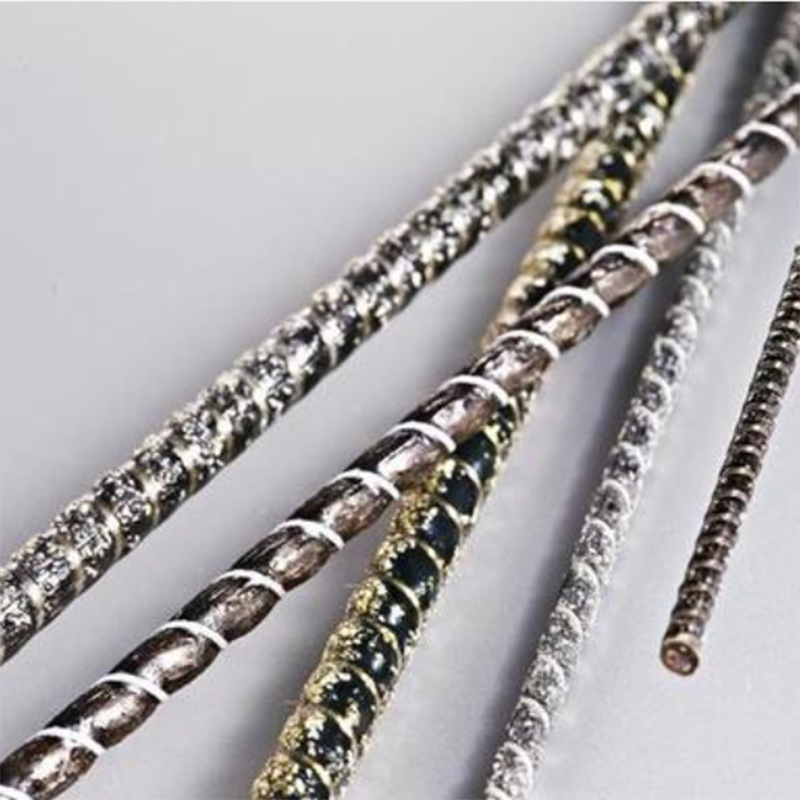
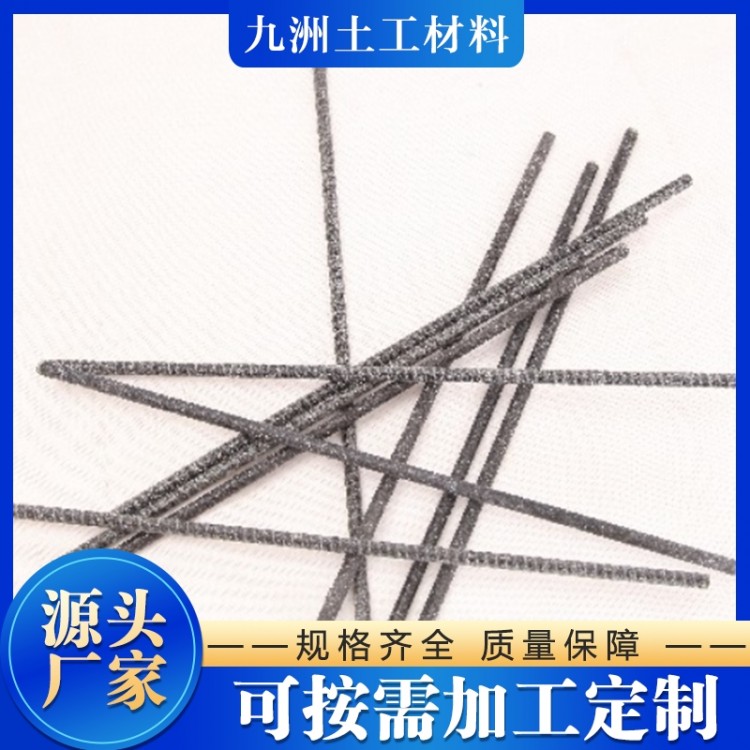
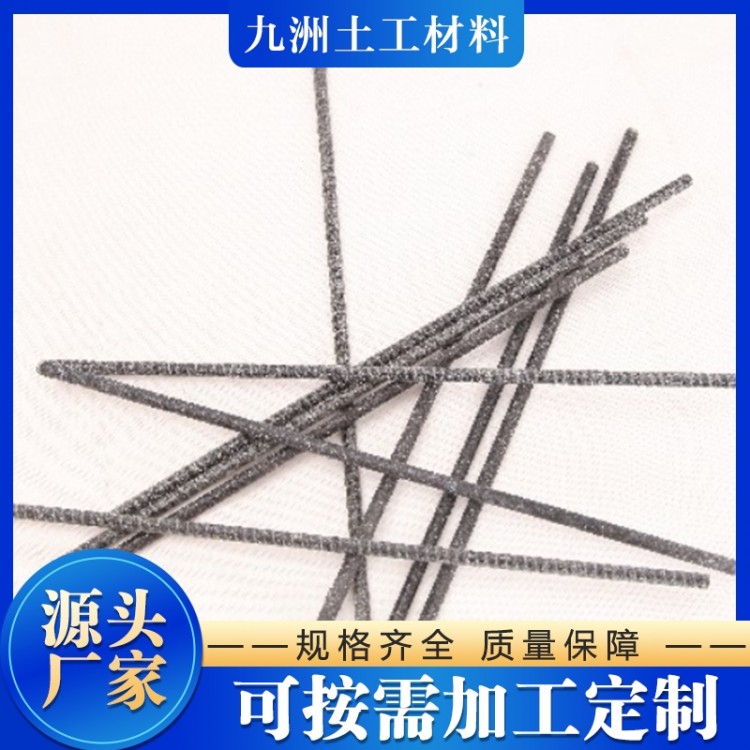
Basalt continuous fiber materials are renowned as“21Century新材料”Using basalt ore as raw material, the ore is crushed and then added to the furnace.1450℃~1500After melting at °C, the uniform molten material is first drawn through a drawing die to form coarse fibers, which are then drawn by a drawing machine into various specifications of continuous fibers. Subsequently, different sizing agents are applied for sizing treatment based on the subsequent use, and the fibers are processed into the final product.
Finished Product.
Compared to other high-performance fibers such as glass fiber, carbon fiber, and aramid, basalt fiber not only boasts excellent mechanical properties but also features numerous superior functionalities, such as excellent high-temperature resistance.-260~700Operates continuously within the °C range; resistant to acids and alkalis, with strong UV resistance, low moisture absorption, and superior environmental endurance; excellent insulation properties, high-temperature filtration, and radiation resistance, etc. Therefore,Basalt fiber is a low-cost substitute for carbon fiber, ranking as the fourth-largest high-tech fiber after carbon fiber, aramid, and ultra-high molecular weight polyethylene fiber.
(1Excellent mechanical properties:
The tensile strength of basalt fiber is3000~4900Mpa, larger tow carbon fiber, aramidPBIFibers, steel fibers, boron fibers, and alumina fibers all require high quality.SGlass fiber is comparable. However, its tensile elongation at break is greater than that of carbon fiber, and the finished product's impact resistance is superior to carbon fiber.Comparison of Mechanical Properties of Various Fiber Materials
Performance | Basalt fiber | Polypropylene Fiber | SGlass Fiber | Aramid | Carbon Fiber |
Tensile StrengthMPa) | 3000~4800 | 410-800 | 4020~4650 | 2900~3400 | 2500~6000 |
Modulus of ElasticityGPa) | 95~110 | 4.2~6.0 | 88~91 | 70~140 | 230~600 |
Tensile elongation at break%) | 1.5~3.2 | 4.7 | 5.3 | 2.8~3.6 | 1.5~2.0 |
(2Outstanding chemical stability:
Basalt fiber is resistant to corrosion from acids, alkalis, and water. Basalt fiber containsK2O、MgOAndTiO2Components play a crucial role in enhancing the fiber's chemical resistance and waterproof properties. Basalt fiber in saturated...Ca(OH)2The solution exhibits excellent durability in alkaline mediums such as cement, maintaining high stability.
Basalt fiber andEComparison of the Chemical Stability of Glass Fiber
Medium Type | Boil in various media3Quality loss within hours%) | |
Basalt fiber | EGlass Fiber | |
H2O(Water) | 1.6 | 6.2 |
2N NaOHSodium hydroxide | 2.8 | 6.0 |
2N HCLAcid | 2.2 | 38.9 |
(3Outstanding physical properties:
Basalt fiber has excellent temperature resistance, with a usage temperature range of:-260~700℃ (Softening Point:960°F), while glass fiber is-60~450Basalt fiber is used in400At ℃, its tensile strength can be maintained.85%Carbon fiber has poor oxidizability.300℃ Gas is produced; Aramid zuiHigh operating temperature is only250℃。
Basalt fiber boasts excellent dielectric properties, with a volume resistivity that is notably high.EGlass fiber is one order of magnitude higher.
Comparison of Physical Properties of Various Fiber Materials
Performance | Basalt fiber | EGlass Fiber | Aramid | Carbon Fiber |
Densityg/cm3) | 2.6~2.8 | 2.54 | 1.45 | 1.78 |
Operating TemperatureoC) | -260~700 | -60~450 | Highest250 | Highest2000 |
Thermal Conductivity Coefficientw/m·k) | 0.031~0.038 | 0.034~0.040 | 0.04~0.13 | 5~185 |
Volume Resistanceohm·M) | 1×10¹² | 1×10¹¹ | 3×10¹³ | 2×10⁻⁵ |
Absorption Coefficient%) | 0.9~0.99 | 0.8~0.93 |
(4)、Natural compatibility with silicate:
Basalt fiber is directly drawn from natural volcanic rock, with its density, composition, and specific gravity comparable to cement. It also possesses natural alkali resistance, excellent dispersion when mixed with cement and concrete, strong bonding, and consistent coefficient of thermal expansion.
II. Transportation
Transport vehicles and storage areas should have rain and moisture protection. Loading and unloading should not damage packaging or cause collisions.
Avoid direct sunlight and rainwater immersion.
Section 3: Storage
Store in a well-ventilated, cool, and dry warehouse, avoid direct sunlight, and keep away from light and heat sources.
Prohibited from being stacked with chemical corrosive materials.
From the date of production, the shelf life is 18 months.
Section 4: Applicable Fields:
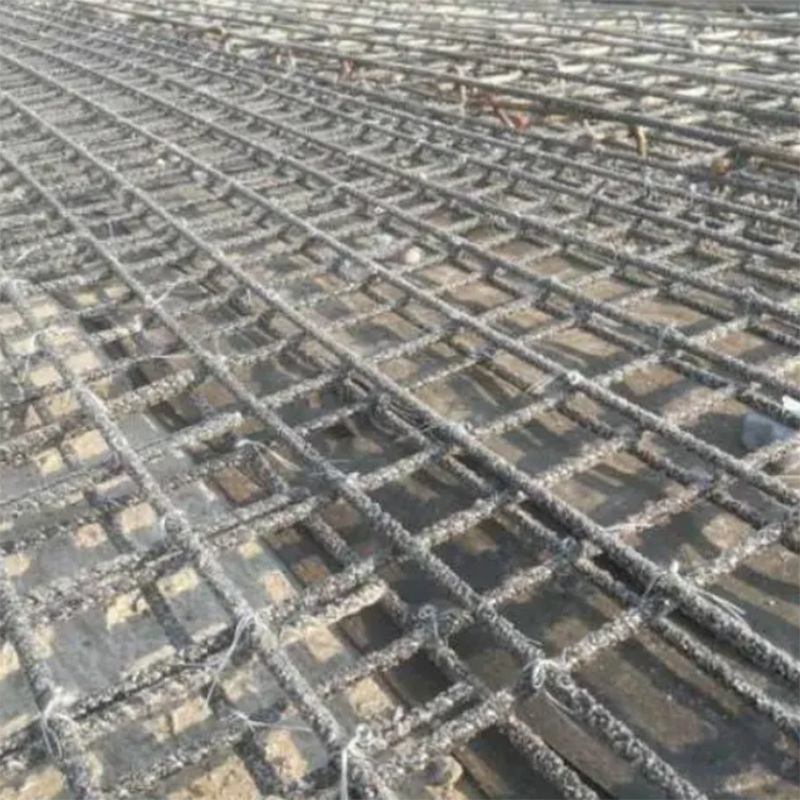
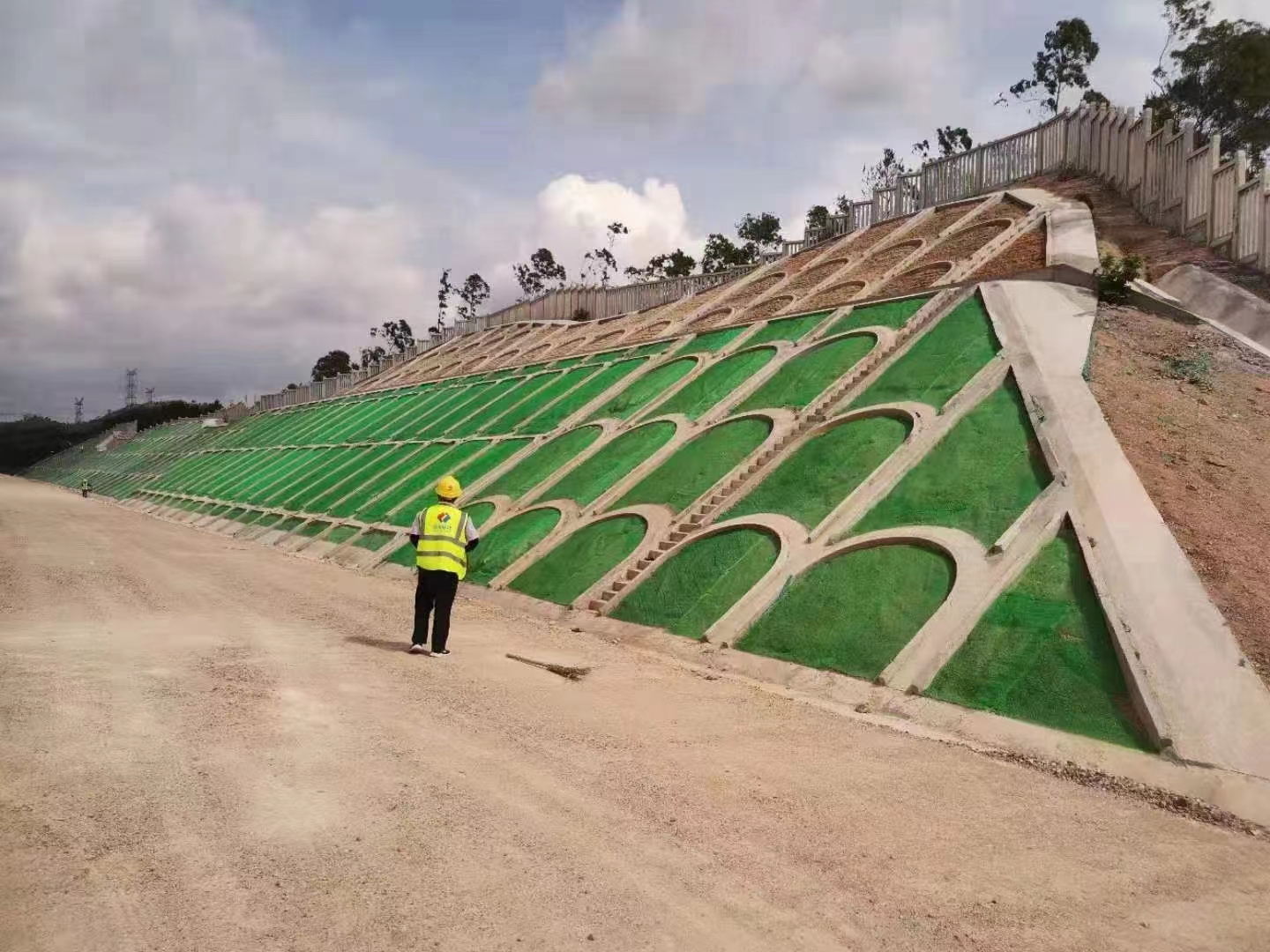
Road and bridge construction, airport runway, dam projects, etc., concrete used in
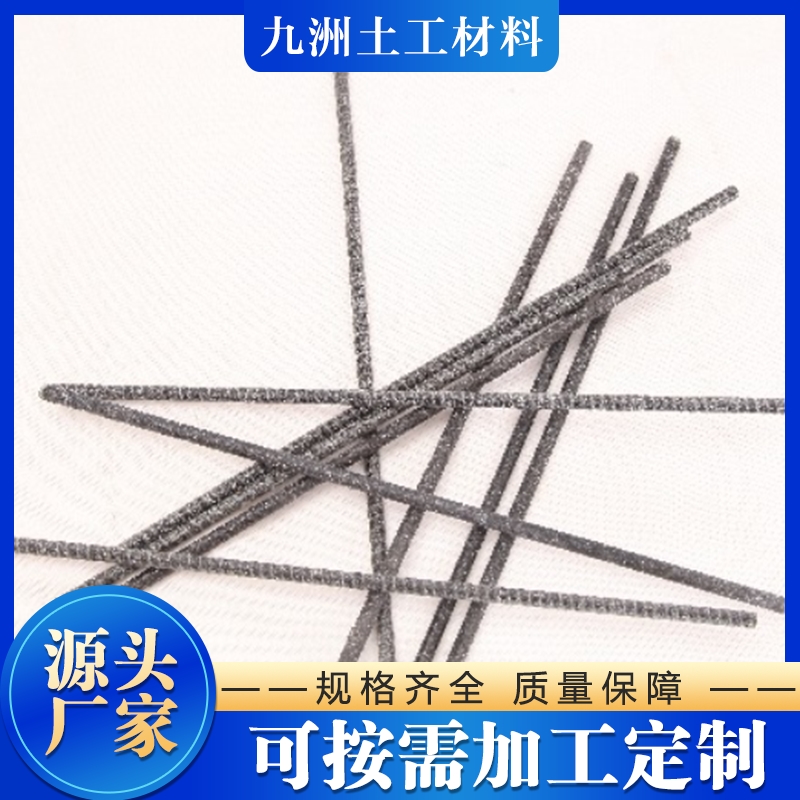
Basalt fiber short-cut yarn is suitable for dense asphalt concrete mixtures.
Bitumen macadam aggregate mix
- Grade asphalt concrete
Fiberglass coatings and various asphalt concrete surfaces
Applicable to road paving, bridge paving, tunnel paving, flyover, and municipal road applications, etc.
V. Product Advantages:
For use in cement concrete:
Enhance the crack resistance of cement concrete/mortar.
Enhance the impermeability of cement concrete/mortar.
Enhance the durability of cement concrete/mortar.
Enhance engineering productivity and economic benefits.