













One, Product Introduction
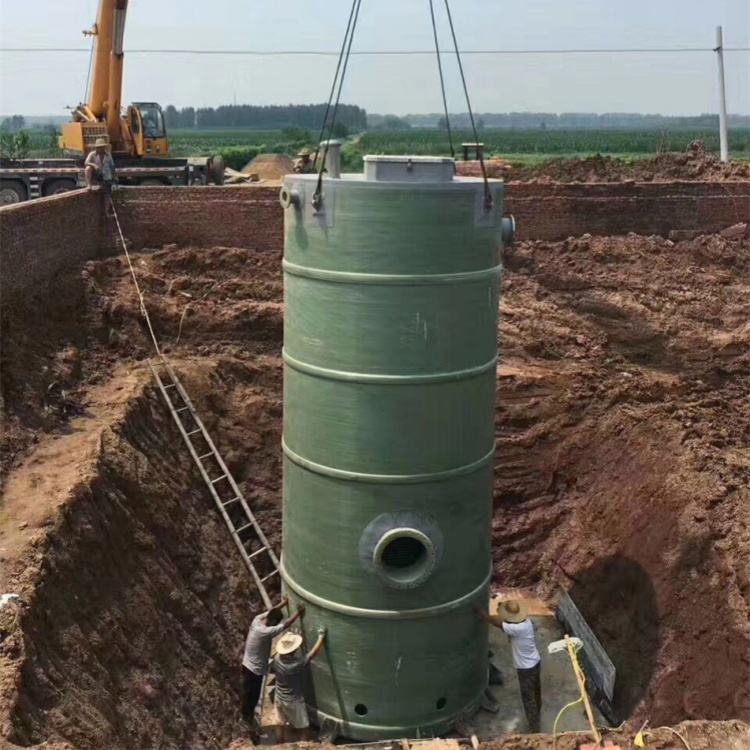
Integrated Rainwater Pumping Station, also known as an Integrated Pumping Station, Integrated Pre-fabricated Pumping Station, Integrated Lift Pumping Station, and Integrated Sewage Pumping Station, is buried underground for collecting rainwater and wastewater. It then undergoes mixing and other preliminary treatments before the treated wastewater is pressurized and lifted, and transported through pipelines to the wastewater treatment plant.
Integrated pump stations provide potential and pressure energy for water, addressing drainage, water supply, and water resource allocation issues under non-spontaneous flow conditions. As the mainstream option, traditional concrete pump stations are used in drainage systems. Over time, traditional pump stations have also revealed some insurmountable drawbacks during long-term operation, such as easy corrosion of pool walls, sedimentation of impurities in the pump pit, and low integration difficulty, making effective management and monitoring challenging.
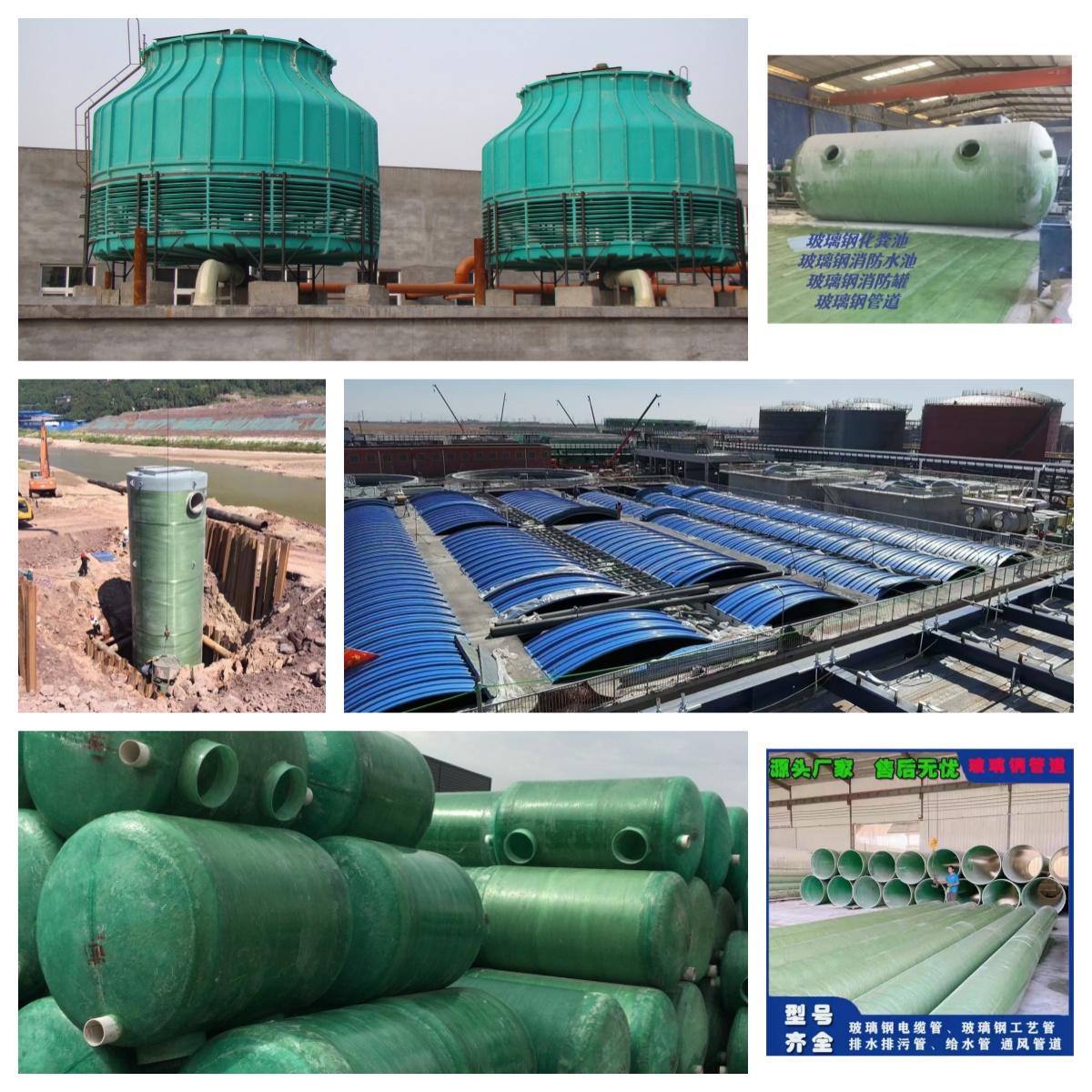
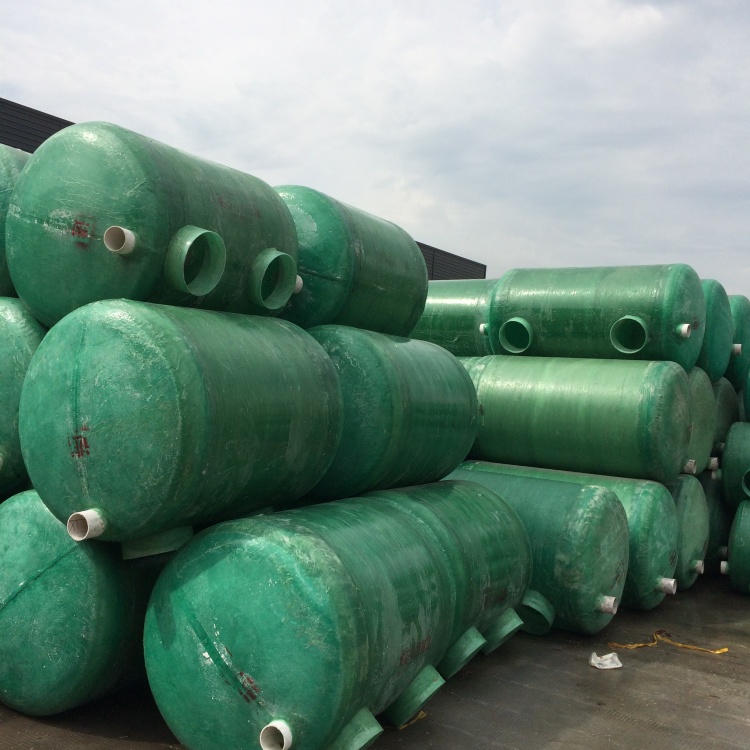
An integrated pumping station is a pre-fabricated, underground pumping station tailored to the specific requirements of the customer and assembled at the factory. Our company, PinYue Environmental Protection, is now capable of manufacturing a variety of material cylinders: fiberglass reinforced plastic integrated pumping stations, PPH integrated pumping stations, HMPP integrated pumping stations, underground pump and tank integrated fire pumping stations, etc. These are internally equipped with pumps, grates, pipelines, valves, instruments, control equipment, and maintenance facilities, ensuring a high degree of cost-effectiveness and operational reliability of the system. With numerous successful operational cases, the integrated pumping station is widely used in urban flood prevention, rainwater and wastewater collection and treatment, and other fields.
Section II: Product Principle
The liquid level information from the pressure sensor or float ball is fed back to the control system, which then adjusts the pump's on/off operation based on pre-set operational parameters. When the liquid level reaches the set level for pump activation, the control system initiates the pump, thereby pumping wastewater from the pump station to the municipal sewage pipeline outlet. Should the wastewater pumping level fall below the set level, the system will shut down the pump. This continuous cycle ensures the smooth operation of the integrated pumping station.
Three, the primary function of the integrated pumping station:
1. Collect urban rainwater, river water, and lake water to prevent waterlogging caused by rising water levels, and then transport the water to water treatment plants, residential use, and agricultural irrigation for municipal water accumulation.
2. Collects wastewater directly discharged from municipal factories and residential areas, mixes it through格栅 and submersible pumps at the wastewater pumping station, ensuring pipeline clearance of sludge and other obstructions, and boosts water level for pressurized delivery to the wastewater treatment plant.
The wastewater treatment plant's function is to receive wastewater from the pumping station, then undergo filtration, disinfection, and other processes before being sent to the recycled water channel for industrial use and toilet flushing.
Four, integrated pumping station installation method
Based on varying operating conditions, different installation methods are adopted to greatly ensure the long service life and high efficiency of the integrated pump station. Under normal circumstances, it is recommended to use:
1. Installation of a fully integrated sub-surface wet well pump station, in addition to which, the following methods can be adopted:
External Valve Wet Well Pump Station
3. Separate Dry and Wet Pump Stations
4. With installation methods including pump stations with maintenance rooms
Customers can decide on the specific installation method for the integrated pumping station based on the design or the specific on-site usage situation.
Five, Main Application Environment
1. Collection and conveyance of wastewater from residential or rural communities
2. Municipal wastewater collection and conveyance from wastewater treatment plants
3. Collection and conveyance of rainwater from low-lying areas in urban districts
4. Construction and renovation of municipal sewage pipe networks
5. Renovation and Expansion of the Old Pump Station
6. Lake water circulation
Six, data required for pump station customization:
1. Pump Station Inflow Q (tons/day), with a significant variation coefficient
2. Quantity and head of required pumps, one for use and one for backup, or two for use and one for backup
3. Outdoor ground elevation H0 (meters), or relative elevation ±0.00 (meters) may also be used.
4. Outside pipe outlet bottom elevation H1 (meters), outside pipe outlet diameter DN
5. External outlet pipe elevation H2 (meters), external outlet pipe diameter DN
6. Selected grid type, basket grid or crushing grid
7. Type of electrical control box, outdoor weatherproof control cabinet or landscape management room
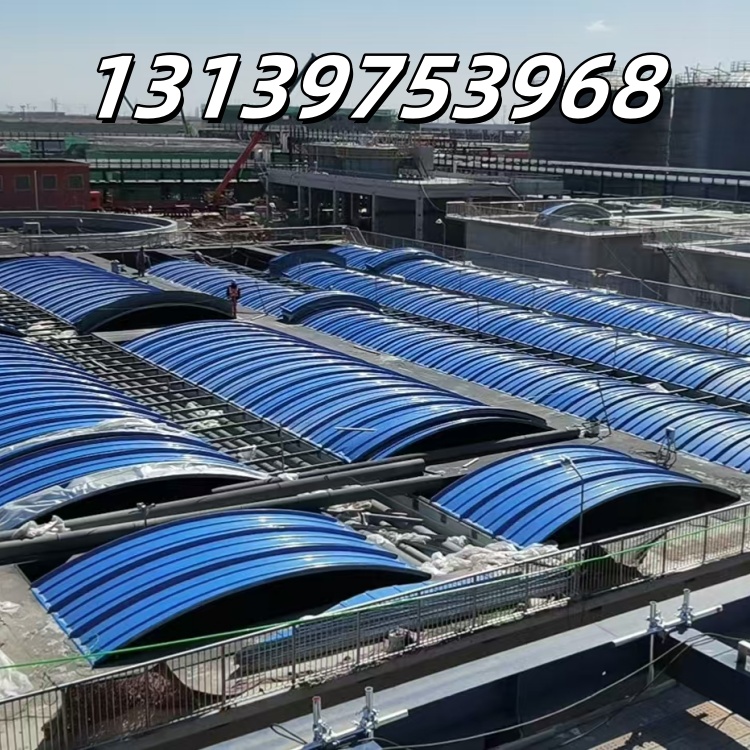
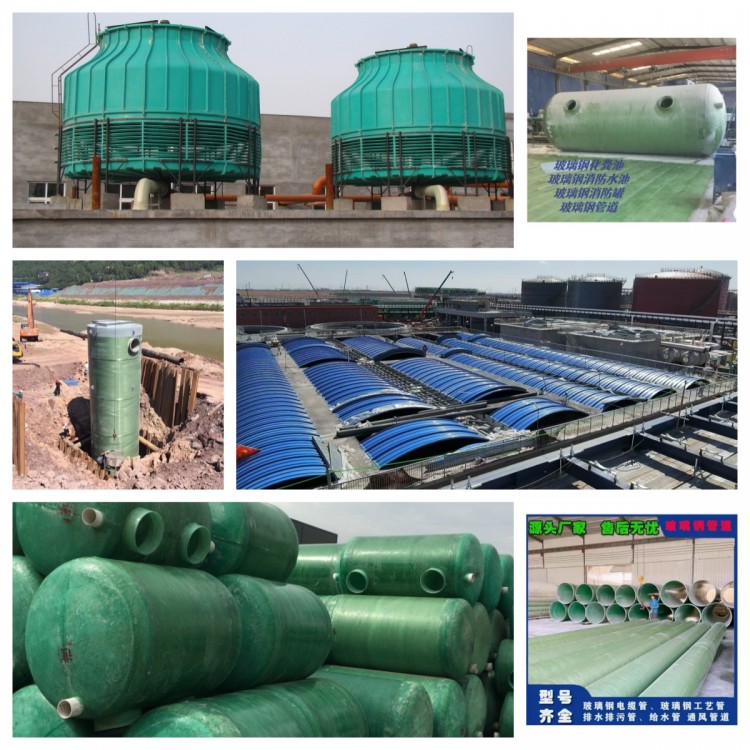
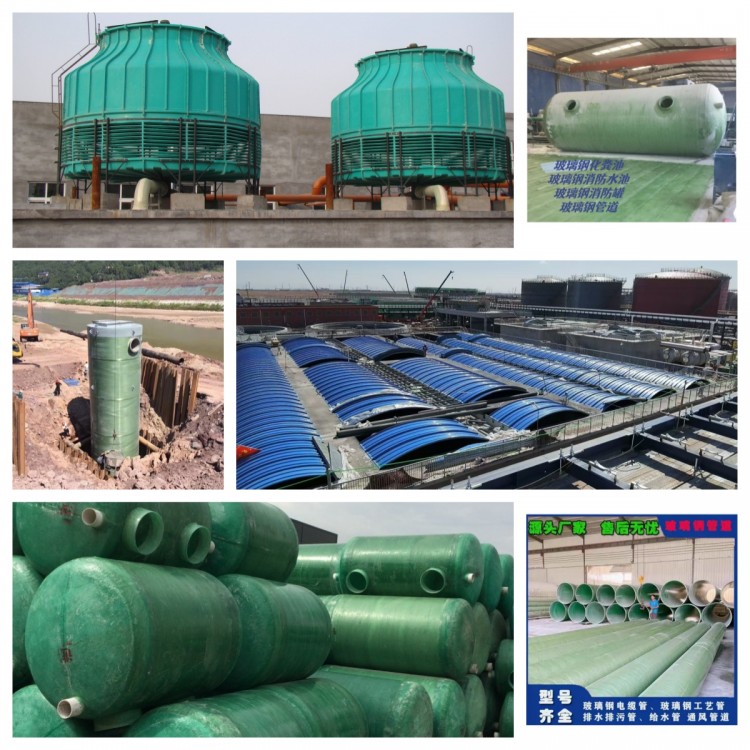
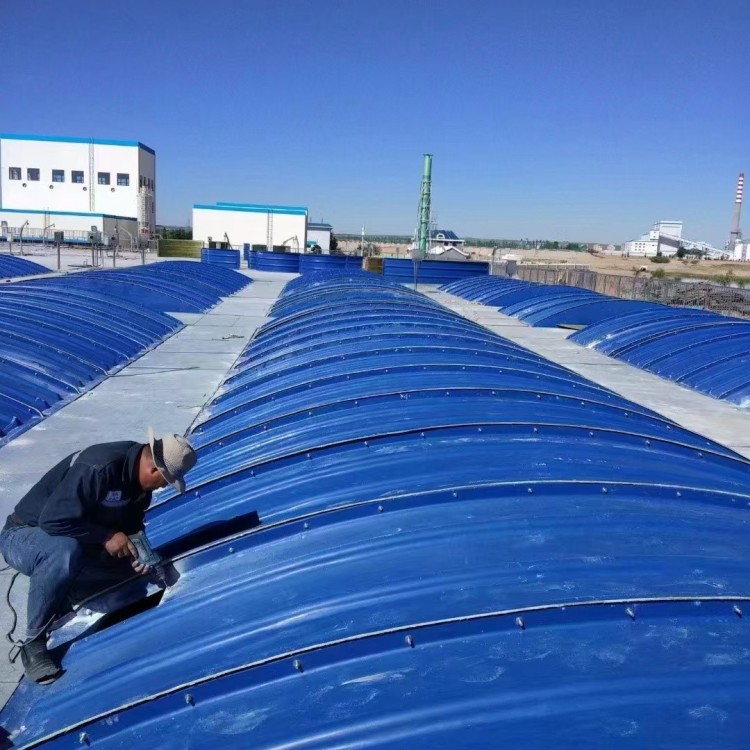
Our glass fiber reinforced plastic sewage pool covers offer superior corrosion resistance, lightweight strength, excellent design flexibility, easy installation, vibrant colors, attractive appearance, resistance to aging, and long service life.
1. Excellent corrosion resistance: This product is made of acid and alkali-resistant, corrosion-resistant resin as the basic material.
2. Enhanced fire-retardant properties: High-quality flame retardant can be added to the product according to customer requirements, ensuring superior fire resistance with an oxygen index greater than 26.
3. Lightweight and High-Strength, Easy to Install: This product weighs only 1/3 to 1/4 of steel products, has high curing degree, can bear heavy loads, and boasts high strength, suitable for large-span tanks. Additionally, the cover can be divided into several small pieces for easy transportation and installation.
4. Aesthetically Pleasing, Weather-Resistant: This product features an anti-aging, weather-resistant, and UV-resistant vinyl ester coating, ensuring a smooth, attractive appearance with vibrant colors and a lifespan of over 20 years.
5. Low operational and maintenance costs, easy to repair: This product boasts high corrosion resistance and aging resistance, eliminating the need for regular maintenance like metal products, significantly reducing costs. The canopy is equipped with an observation window and a service door at the end for easy access by workers, ensuring convenience without disrupting the normal operation of the equipment.
6. High design flexibility: Product sizes can be tailored to the specific conditions of the on-site pond, with shapes available in arched lids, round lids, flat lids, and more.
7. Color variety: We can produce products in various colors such as blue, green, yellow, and white, catering to customer needs and achieving the effect of beautifying the environment.
Cooling and heat dissipation
The primary function of a cooling tower is to dissipate waste heat carried by cooling water through methods such as evaporation, contact, and radiation, by exchanging heat between the water and air inside the tower. This transfers the waste heat to the air and disperses it into the atmosphere, thereby reducing the water temperature and creating a device that allows for the recyclable use of cooling water.
2. Ensure system operation
In industrial production or refrigeration and air conditioning, cooling towers dissipate waste heat by utilizing the contact between water and air through evaporation, ensuring the stable operation of the system.
3. Multi-domain Applications
Cooling towers are widely used in various fields, including air conditioning cooling systems, refrigeration series, injection molding, leather processing, foaming, power generation, steam turbines, aluminum profile processing, air compressors, and industrial water cooling.
4. Conclusion
Cooling towers are essential heat exchange equipment that dissipate waste heat through contact with water and air, ensuring the smooth operation of various systems and equipment. Their applications are extensive, covering nearly all industrial and air conditioning refrigeration fields.
The primary function is to produce steam through heat exchange by the contact of water and air flow, with steam evaporation carrying away heat. It dissipates excess heat generated in industrial processes or refrigeration air conditioning systems using principles such as evaporation cooling, convection, and radiant heat transfer to lower water temperature. Such equipment is typically cylindrical in shape, hence known as a cooling tower. The working principle of a cooling tower involves knowledge from various disciplines, including aerodynamics, thermodynamics, fluid mechanics, chemistry, biochemical engineering, materials science, static and dynamic structural mechanics, and processing technology. The structure of a cooling tower usually includes the tower body, water pan, motor, fan, and sprinkler system, etc. It uses a high-pressure pump to spray water to the top of the tower, which is evenly scattered after being filtered by a distributor. The fan's wind force then facilitates contact between air and water droplets, thereby removing heat and cooling the water. Cooling towers are widely used, primarily in manufacturing plants such as steel mills, textile factories, chemical plants, food factories, etc., to enhance production efficiency. Depending on the cooling method and principles, cooling towers can be categorized into various types such as natural ventilation cooling towers, low-noise cooling towers, industrial cooling towers, and open market cooling towers, with natural ventilation and industrial cooling towers being more common domestically. The maintenance and upkeep of cooling towers can be cumbersome and costly, so it's important to choose the appropriate type based on actual needs.
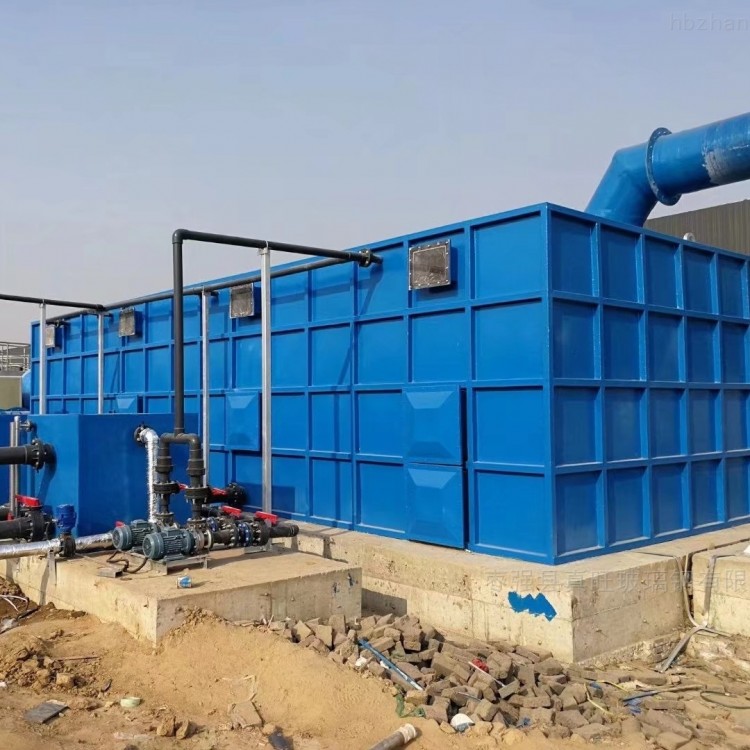
Malodorous gases are collected from the odor-eliminating structures and sent together with the main odor conveyance pipeline to the upper section of the biological washing stage. The atomizing nozzles fully atomize the water, which then mixes with the air flow, quickly reaching a saturated humidity state in the gas to be treated. Some of the malodorous molecules in the gas are absorbed by the washing liquid, creating favorable conditions for the stable operation of the biological filtration process.
After passing through the biological washing stage, the gas enters the biological filtration stage from bottom to top. As the gas moves upwards, the odor molecules in the gas pass through the packing layer, making thorough contact with the biofilm formed on the surface of the packing. The odor molecules are then oxidized and decomposed by microorganisms, converting them into carbon dioxide, water, minerals, and so on, thereby achieving the purpose of odor purification.
The treated gas, after passing through a biological filter, is discharged through a 15-meter exhaust pipe, meeting emission standards.
Process Principle and Features: The biological deodorization device is a widely researched, mature technology, and commonly used method for treating malodorous gases in practice. The treatment process involves the gas containing malodorous substances, which, after pre-treatment such as dust removal, humidification, or cooling, passes from the bottom to the top of the filter bed. As it filters through the layers, the malodorous substances are transferred from the gas phase to the water-microorganism mixed phase (biolayer), where they are decomposed by the metabolic actions of microorganisms attached to the filter material. This method primarily utilizes the biochemical action of microorganisms to decompose pollutants into harmless substances. Microorganisms use organic matter as the substrate for their growth and reproduction, converting large molecules or complex organic substances into simple inorganic substances like water and carbon dioxide through heterotrophic metabolism, and then oxidizing them. Simultaneously, through assimilation, they utilize the energy produced during heterotrophic metabolism to grow and reproduce, creating favorable conditions for enhancing their ability to process organic matter. The essence of pollutant removal is the absorption, metabolism, and utilization of organic matter by microorganisms. This process is a complex one, consisting of physical, chemical, physicochemical, and biochemical components. It can be simplified into the following expression:
Volatile organic compounds vary in composition, resulting in different decomposition products. Different types of microorganisms also yield diverse metabolic byproducts. For nitrogen-free organic substances like carboxylic acids and formaldehyde, their final products are carbon dioxide and water. For sulfur-containing malodorous components, under aerobic conditions, they are oxidized and decomposed into sulfate ions and sulfur. In the case of nitrogen-containing malodorous substances like amines, they release NH3 through ammonification, which can then be oxidized by nitrite bacteria into nitrite ions, and further oxidized by nitrate bacteria into nitrate ions.