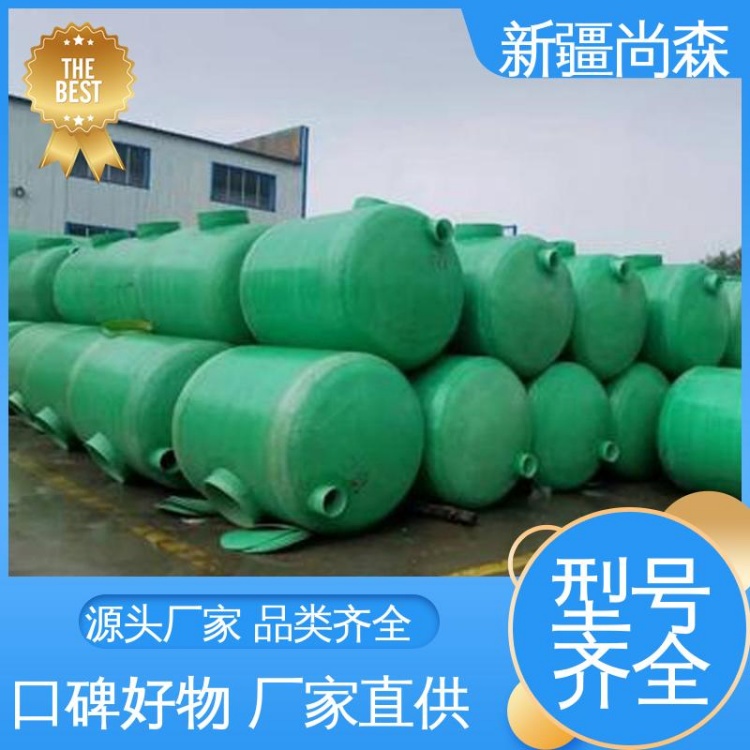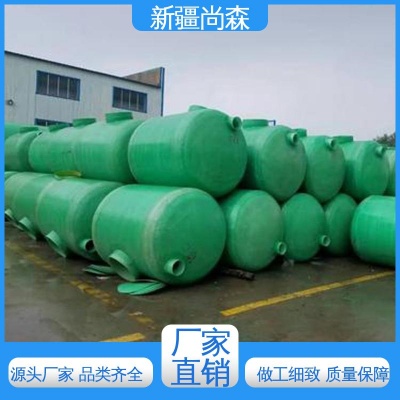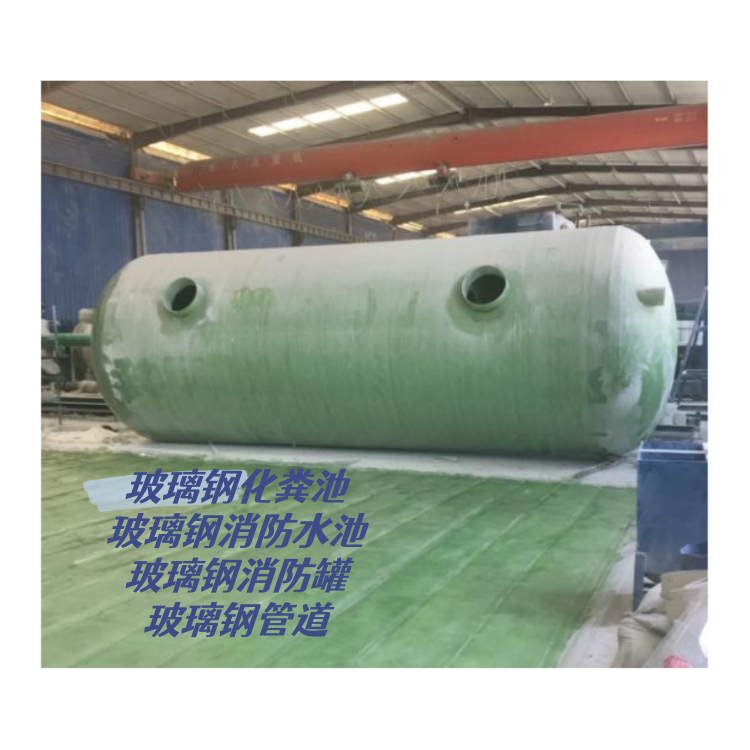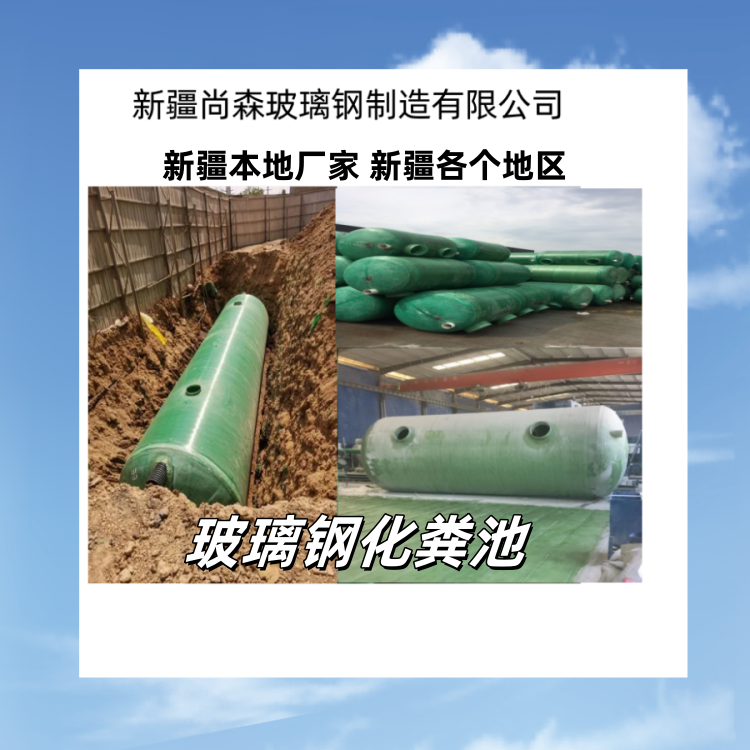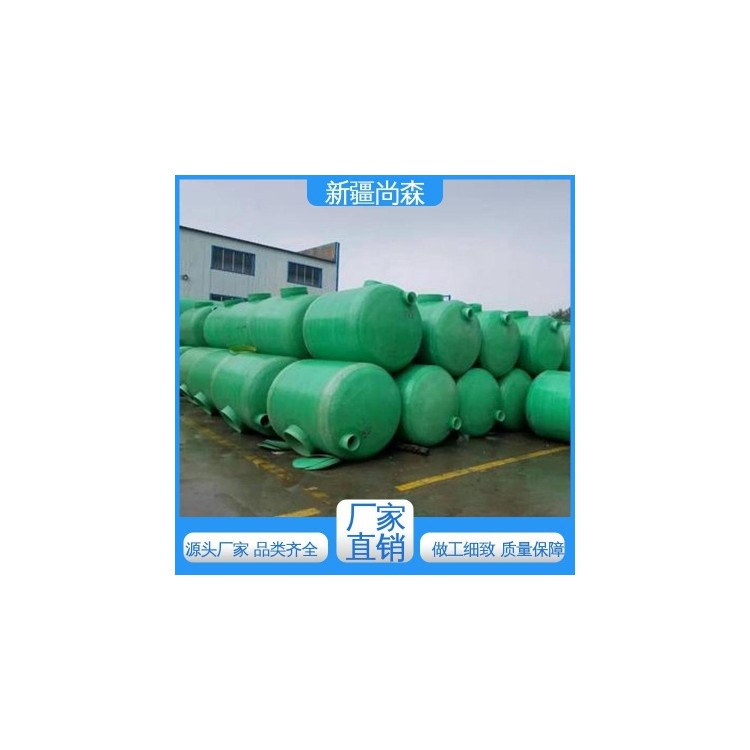

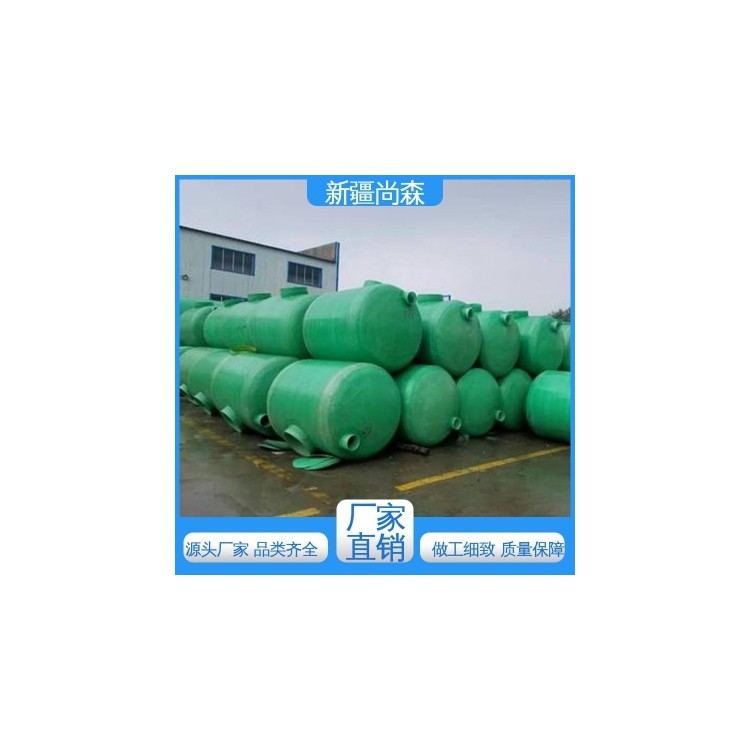
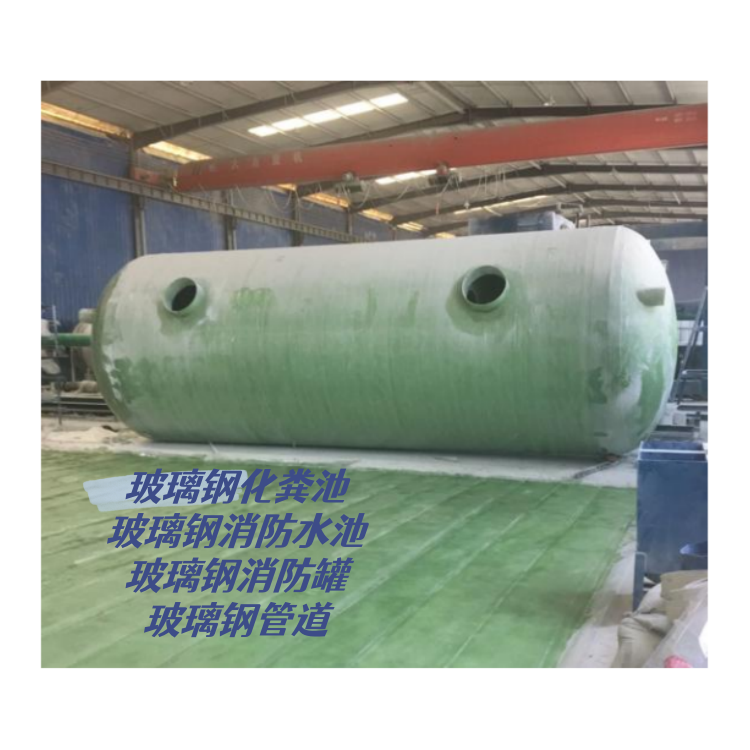
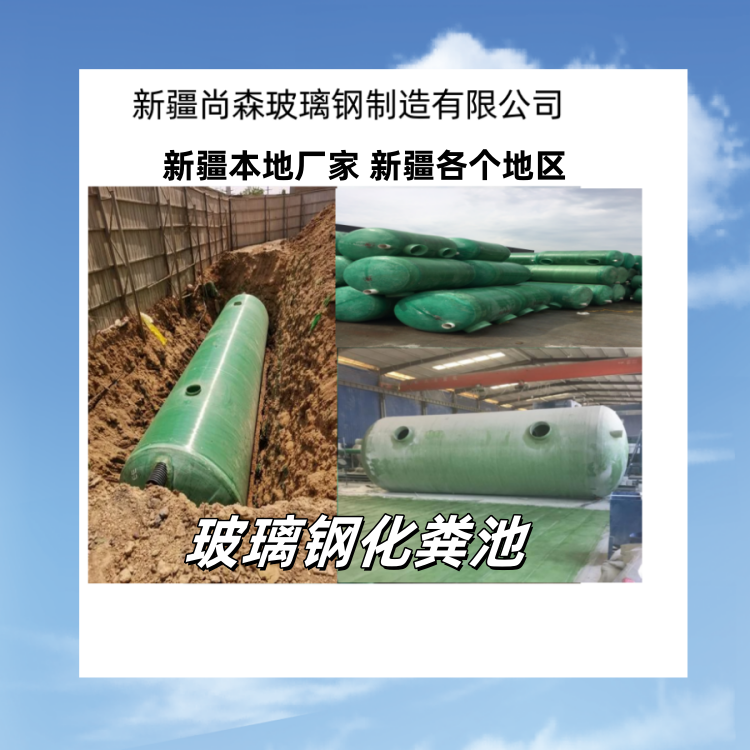













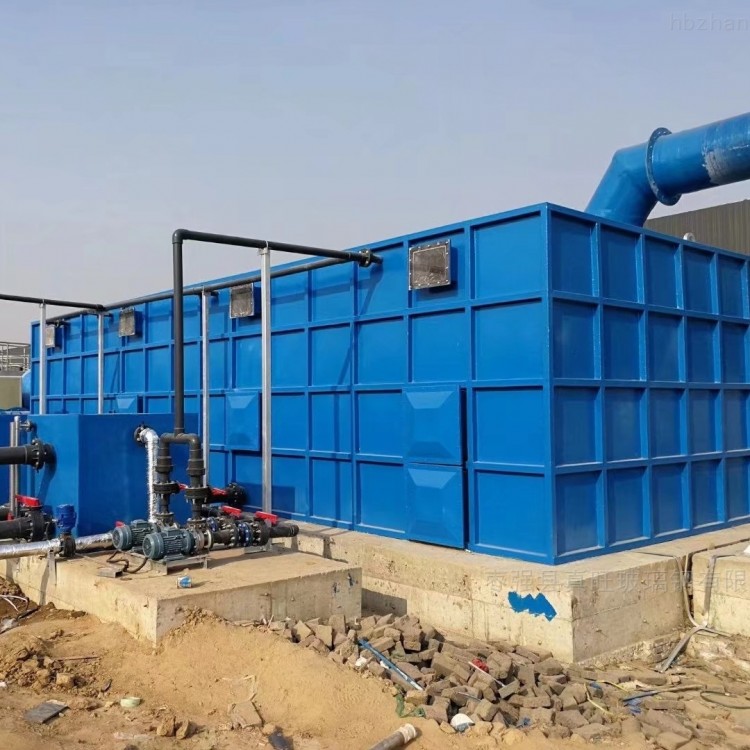
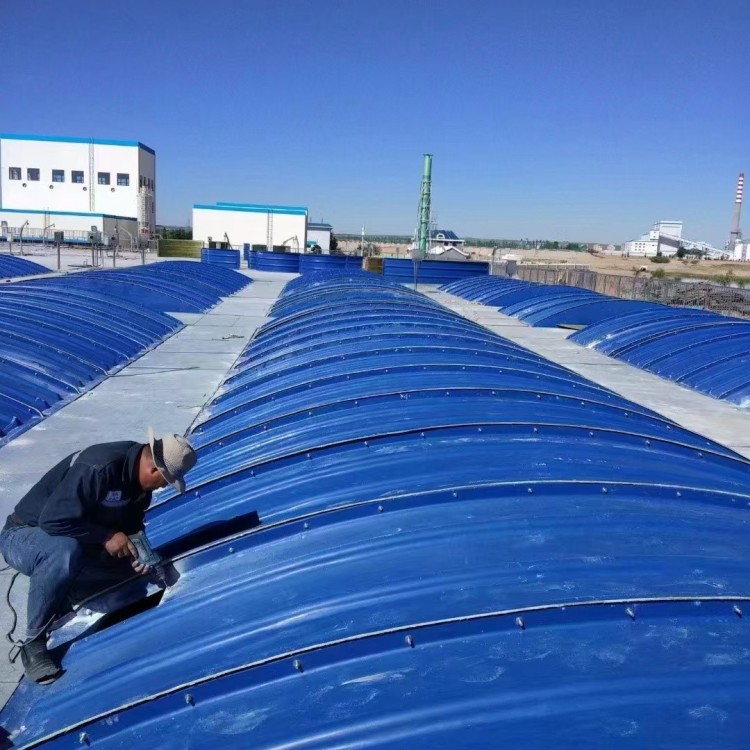
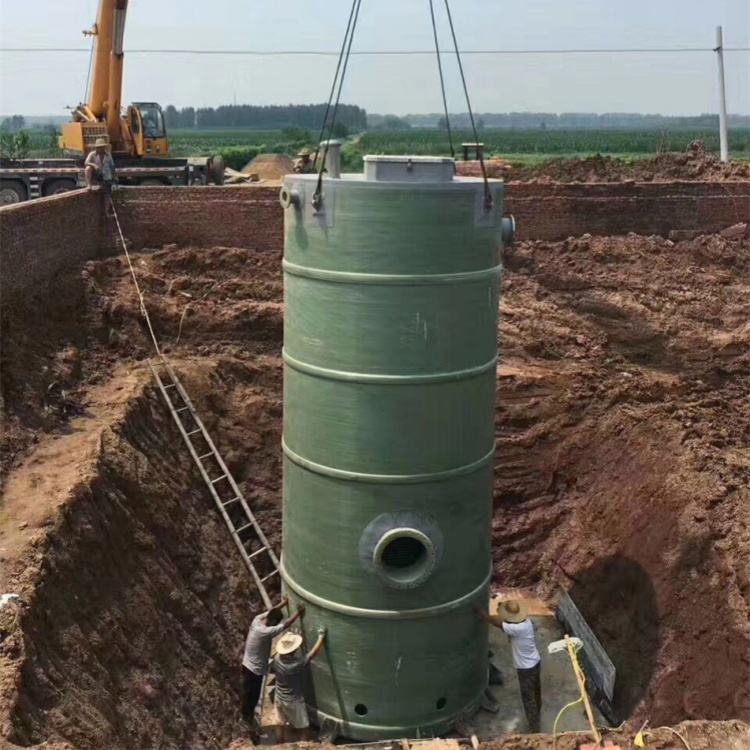
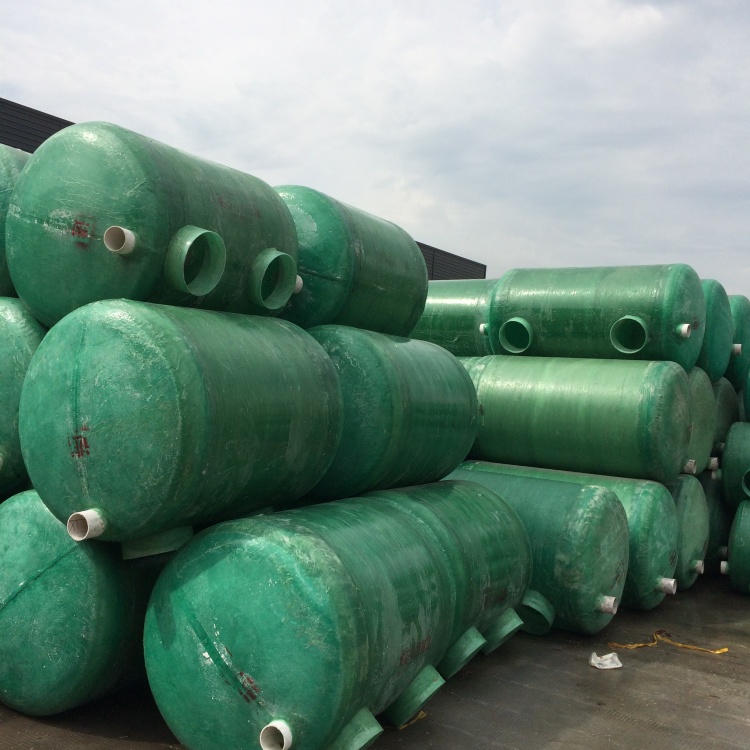
Glass-fiber Reinforced Plastic (GRP) septic tanks are equipment for treating domestic wastewater, primarily composed of synthetic resins and glass fiber reinforced materials. They boast light weight, high strength, excellent toughness, corrosion resistance, vibrant colors, and high luster. They are widely used in industries such as chemicals, petrochemicals, construction, textiles, aviation, maritime, transportation, electricity, metallurgy, machinery, food, papermaking, and environmental protection. GRP septic tanks occupy less land area, approximately 40% of the space of traditional septic tanks, making them particularly suitable for renovating sewage systems and installing septic tanks in old urban areas.
Fiberglass reinforced plastic fire reservoirs are equipment for the fire protection field, offering advantages such as high strength, short construction time, and quick installation. These units can be freely combined to form fire reservoirs or water tanks of various capacities, catering to different fire protection needs at various locations. For instance, the specifications of fiberglass fire water tanks range from 10 cubic meters to 200 cubic meters, and can be assembled into larger capacity fire protection facilities as required. These facilities undergo rigorous water filling tests before backfilling to ensure the quality of the construction, and small vehicles can travel through without any issues after backfilling.
Glass fiber fire water tanks are available in sizes ranging from 10 cubic meters to 200 cubic meters, and can be combined as needed to form larger fire-fighting facilities. These facilities undergo rigorous water filling tests before backfilling to ensure the quality of construction, and small vehicles can travel back and forth post-backfill without any issues.
Glass fiber reinforced plastic materials are used to manufacture the fire-resistant water tanks, which feature lightweight, corrosion-resistant, and durable properties.
Lightweight and durable: Compared to traditional steel water tanks, fiberglass material is lighter and easier to install and position.
Corrosion-resistant and durable: Resists various chemicals, extends the lifespan of water tanks, and eliminates the hassle of frequent replacement and maintenance.
High pressure resistance: The glass fiber material boasts excellent pressure resistance, capable of withstanding significant water pressure, ensuring that the water tank will not crack or leak during use.
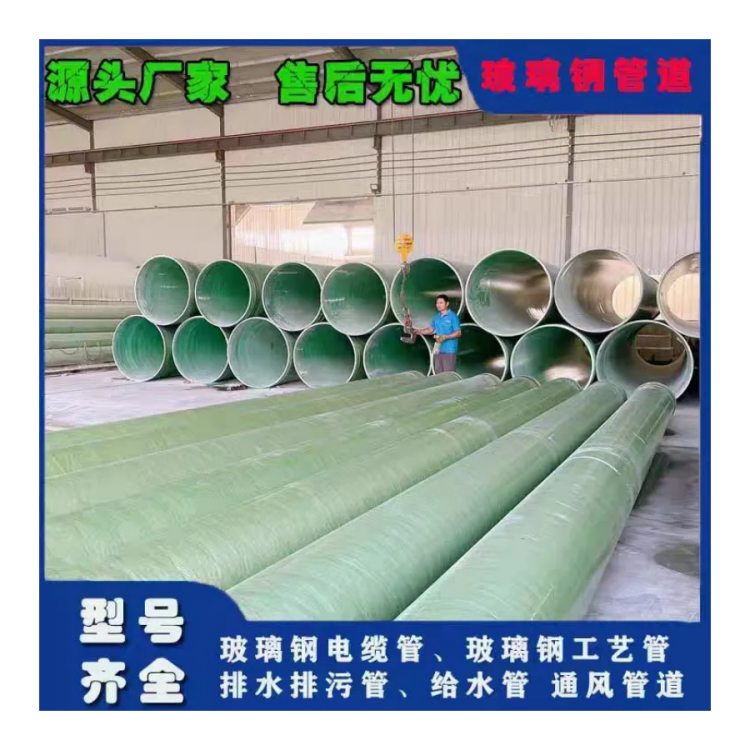
Fiberglass piping is a pipe made from reinforced plastic with glass fibers (also known as fiberglass), featuring various excellent performance characteristics and application areas.
Lightweight and High-Strength: Glass fiber pipes feature low density and light weight while maintaining high strength, making them easy for transportation and installation.
Corrosion-Resistant: Glass fiber pipes exhibit excellent chemical corrosion resistance, capable of withstanding erosion from acids, alkalis, salts, and various other corrosive mediums, suitable for a wide range of harsh environments.
Good thermal resistance: Glass fiber pipes exhibit excellent heat and cold resistance, maintaining stable performance over a wide temperature range.
Excellent wear resistance: It also has good wear resistance, can withstand abrasion, and prolong its service life.
Excellent Insulation Performance: Fiberglass piping boasts superior insulation properties, contributing to reduced energy waste.
Non-toxic and non-secondary pollution: The fiberglass pipeline is non-toxic and free from secondary pollution, meeting environmental protection requirements.
High installation efficiency: Fewer glass fiber pipe joints, easy and quick installation, enhancing construction efficiency.