














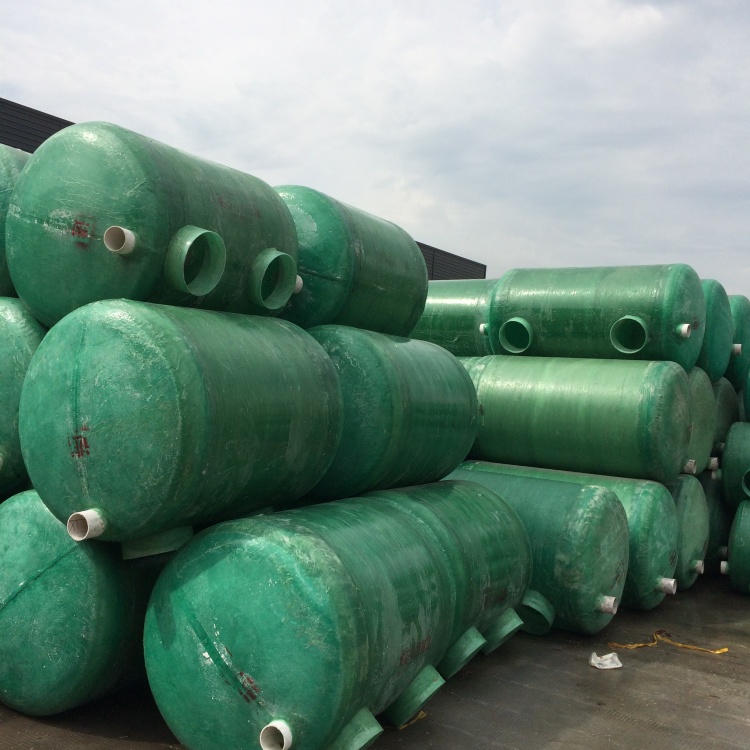
Product Introduction
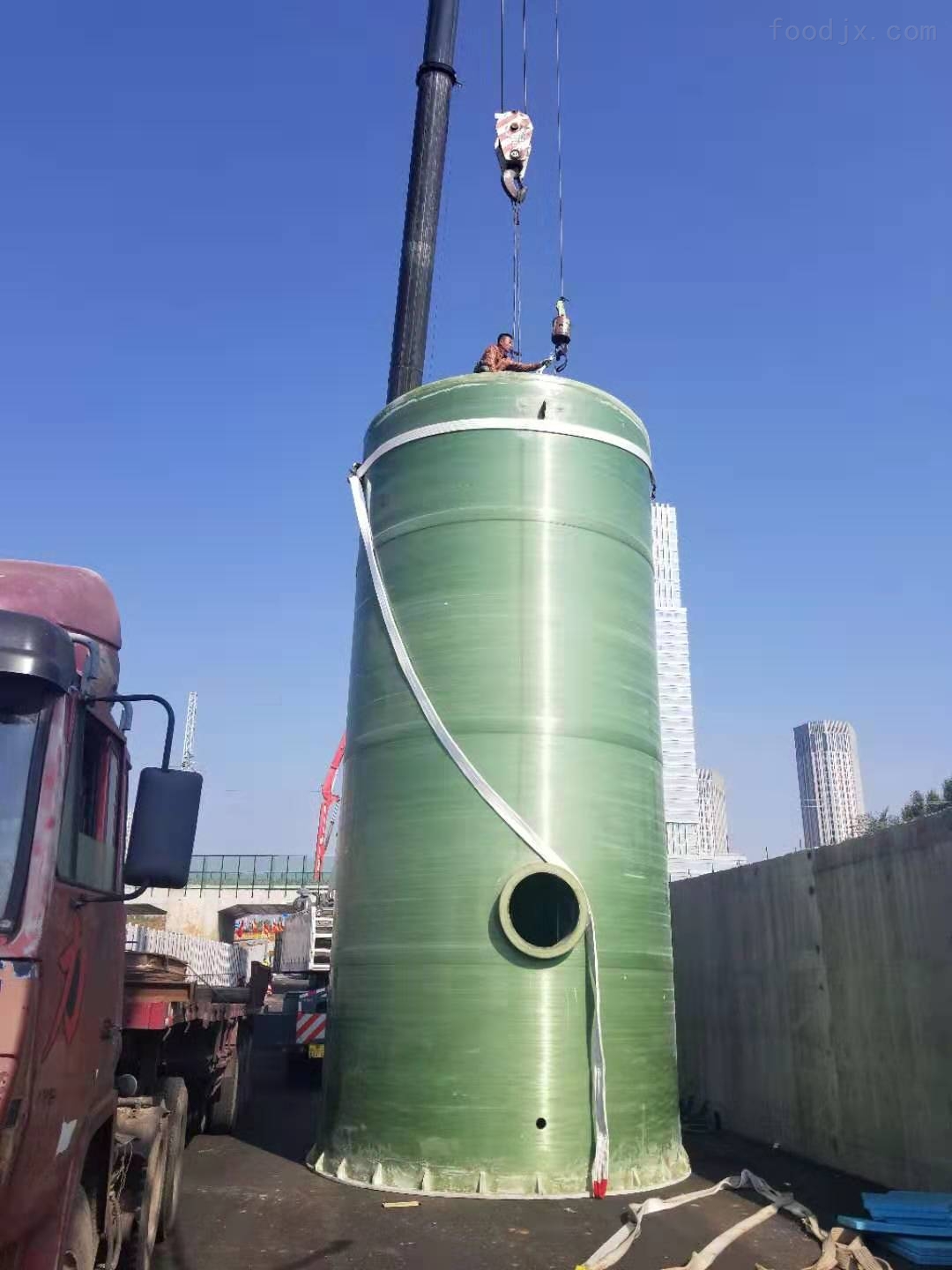
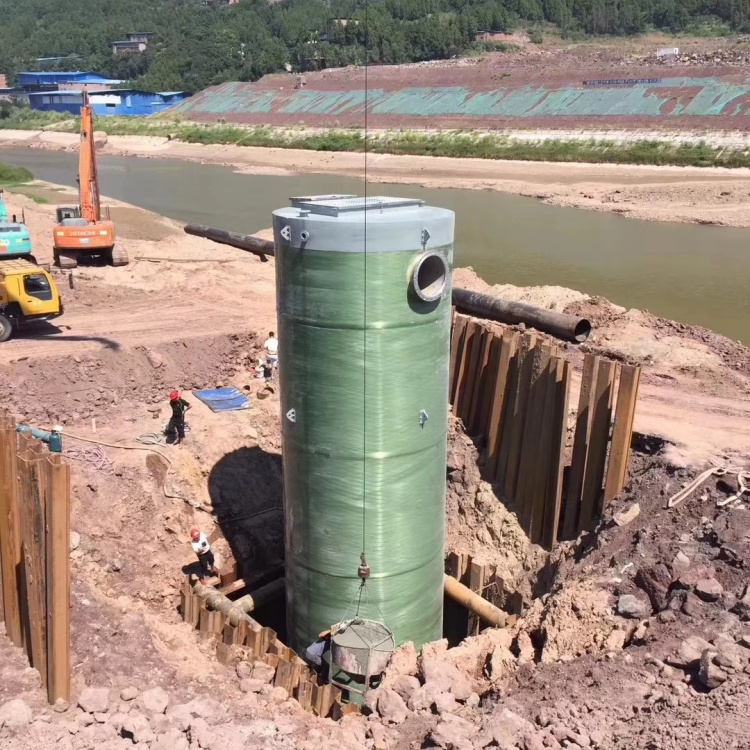
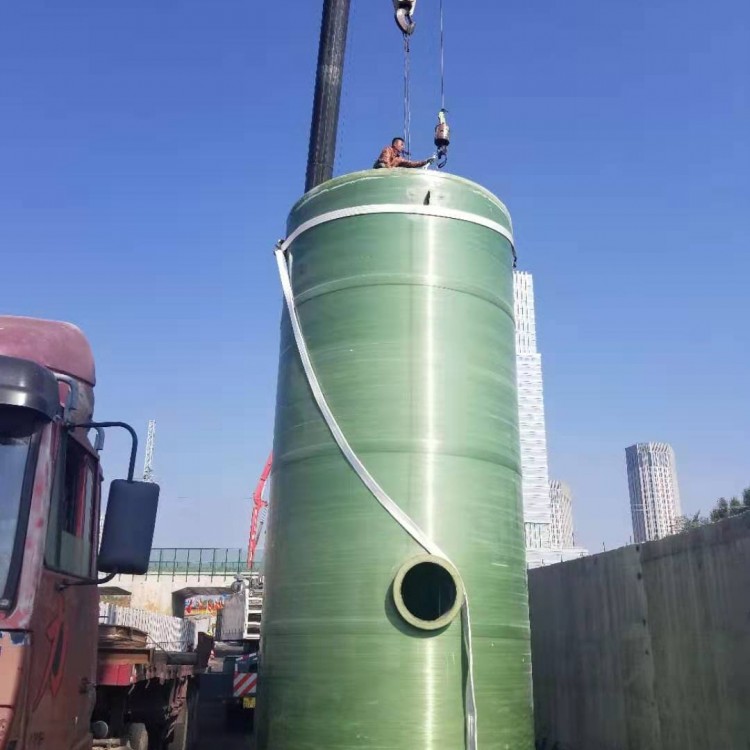
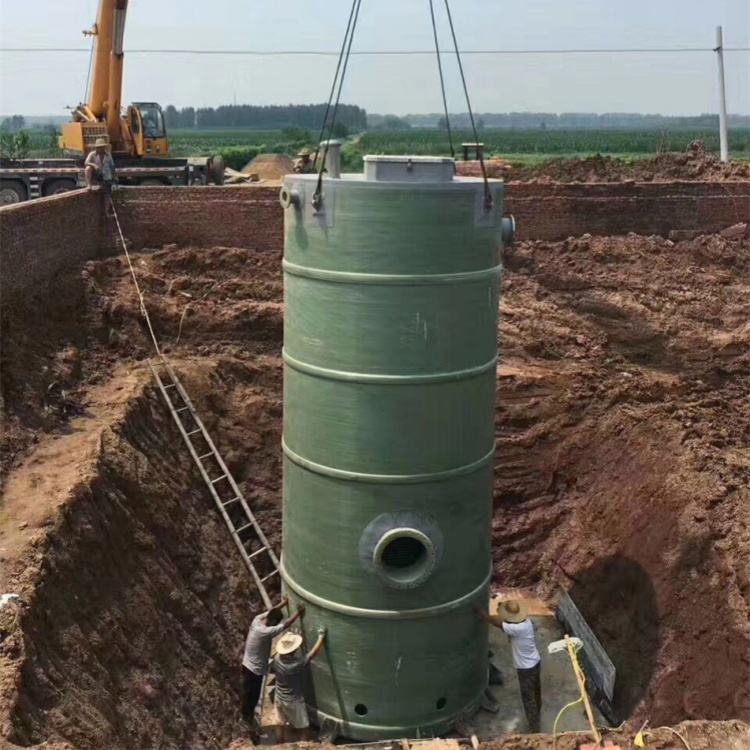
Integrated rainwater pump station, also known as integrated pumping station, prefabricated pump station, integrated lift pump station, and integrated sewage pump station, is an underground installation designed for collecting rainwater and wastewater. It performs preliminary mixing and treatment before pressurizing and lifting the treated wastewater through pipelines to the wastewater treatment plant.
Integrated pump stations provide potential and pressure energy for water, addressing issues such as drainage, water supply, and water resource allocation under non-spontaneous flow conditions. As the mainstream solution, traditional concrete pump stations are used in drainage systems. Over time, traditional pump stations have also revealed some drawbacks that are difficult to overcome, such as easy corrosion of pool walls, sedimentation of impurities in the pump pit, and low integration difficulty, making effective management and monitoring challenging.
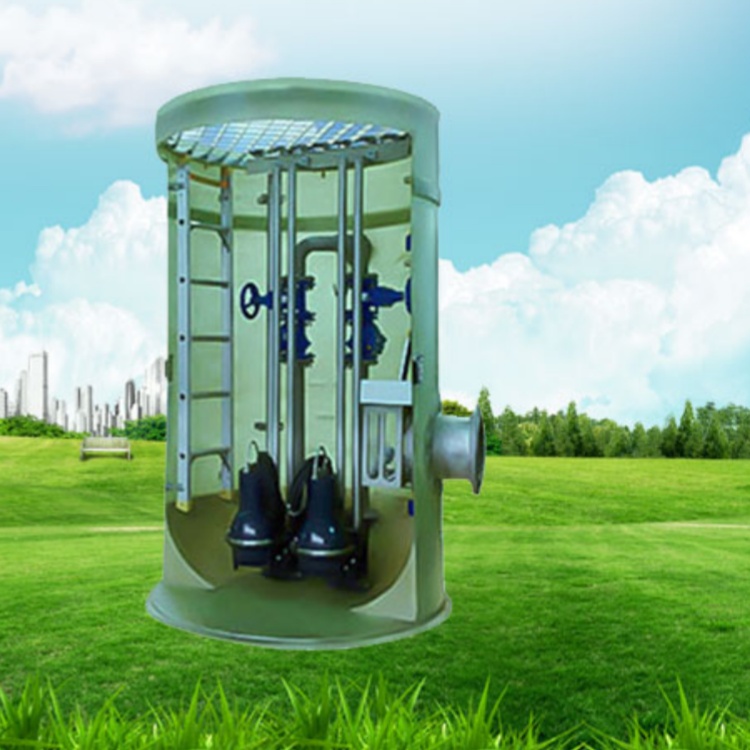
An integrated pumping station is a pre-fabricated, underground pumping station tailored to the specific requirements of the customer, fully assembled at the factory and then shipped after installation. Our company, PinYue Environmental Protection, can now produce a variety of material cylinders: fiberglass reinforced plastic integrated pumping stations, PPH integrated pumping stations, HMPP integrated pumping stations, underground box-pump integrated fire fighting pumping stations, etc. They are internally equipped with pumps, grates, pipelines, valves, instruments, control equipment, and maintenance facilities, ensuring a high degree of cost-effectiveness and operational reliability of the system. Whether it's for urban waterlogging prevention, rainwater and wastewater collection and treatment, or other fields, integrated pumping stations have numerous successful operational cases.
Section Two: Product Principle
The liquid level information from pressure sensors or float ball feedback to the control system is then used to adjust the pump operation based on the set parameters. When the liquid level reaches the set level for pump activation, the control system initiates the pump, allowing wastewater to be pumped out to the municipal sewage pipeline. If the wastewater pumping level falls below the set level, the system shuts down the pump. This continuous cycle ensures the smooth operation of the integrated pumping station.
Three, the primary function of the integrated pumping station:
1. Harvest city rainwater, river water, and lake water to prevent waterlogging due to rising water levels, and then transfer the water to public water supply plants, residential use, and agricultural irrigation.
2. Collects wastewater directly discharged from municipal factories and residential areas, then mixes it using格栅 and submersible pumps within the wastewater pumping station. This ensures the pipes are free of silt and obstructions, and boosts the water level for pressurized transport to the wastewater treatment plant.
The wastewater treatment plant's function is to receive sewage from the pumping stations, undergo filtration and disinfection processes, and then be delivered to the reclaimed water channel for industrial use and toilet flushing.
Four, integrated pump station installation method
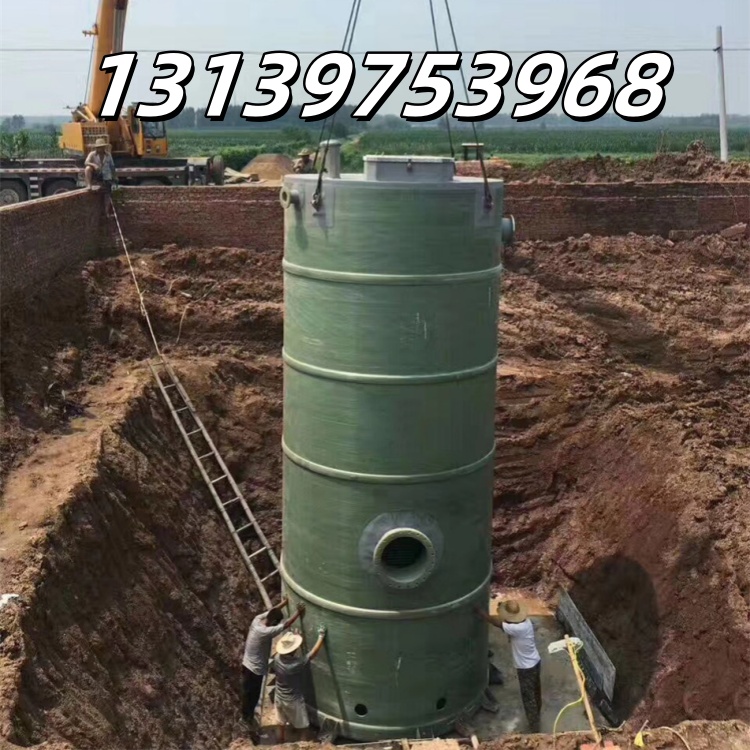
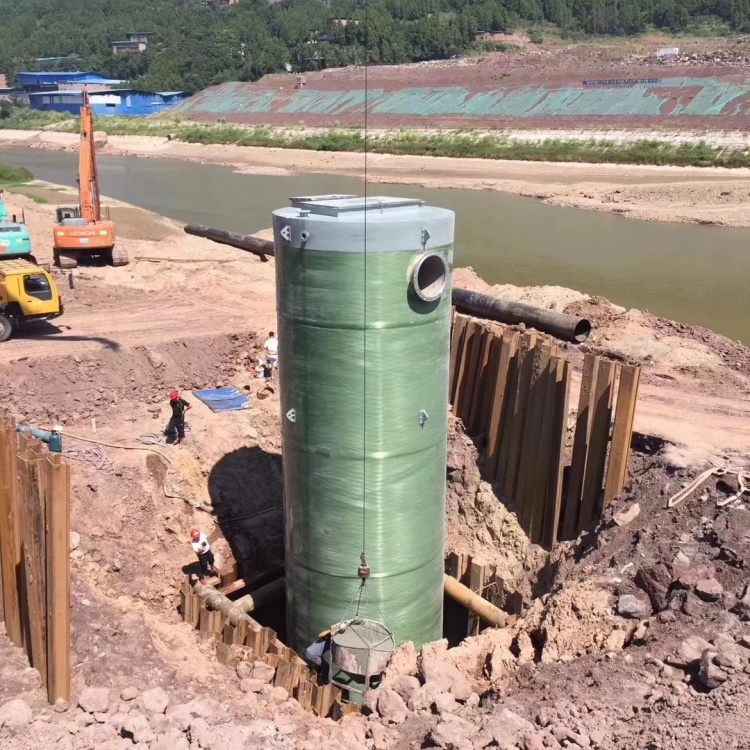
Based on varying operating conditions, different installation methods are adopted to ensure the long lifespan and high efficiency of the integrated pump station to a great extent. Under normal circumstances, it is recommended to use:
1. Full-inbuilt sub-surface wet well pump station installation method, in addition to which, the following can also be adopted:
External Valve Wet Well Pump Station
3. Separate dry and wet pump stations
4. Pump stations with maintenance rooms and other installation methods
Customers can decide on the specific installation method for the integrated pump station based on the design or the actual site usage.
Five, Main Application Environment
1. Collection and conveyance of wastewater from residential communities or rural areas
2. Wastewater collection and conveyance from urban sewage treatment plants
3. Collection and conveyance of rainwater from low-lying areas in urban districts
4. Construction and renovation of municipal sewage pipeline networks
5. Renovation and Expansion of the Old Pump Station
6. Lake water cycle
Six, data required for pump station customization:
1. Pump station inflow Q (tons/day), quite large when the variation coefficient
2. Quantity and head of required pumps, one for use and one for backup, or two for use and one for backup
3. Outdoor ground elevation H0 (meters), also available with relative elevation ±0.00 (meters)
4. External pipe inlet bottom elevation H1 (meters), external pipe inlet diameter DN
5. External outlet pipe height H2 (meters), external outlet pipe diameter DN
6. Selected grille type, basket grille or crushing grille
7. Type of electrical control box, outdoor weatherproof control cabinet or landscape management room