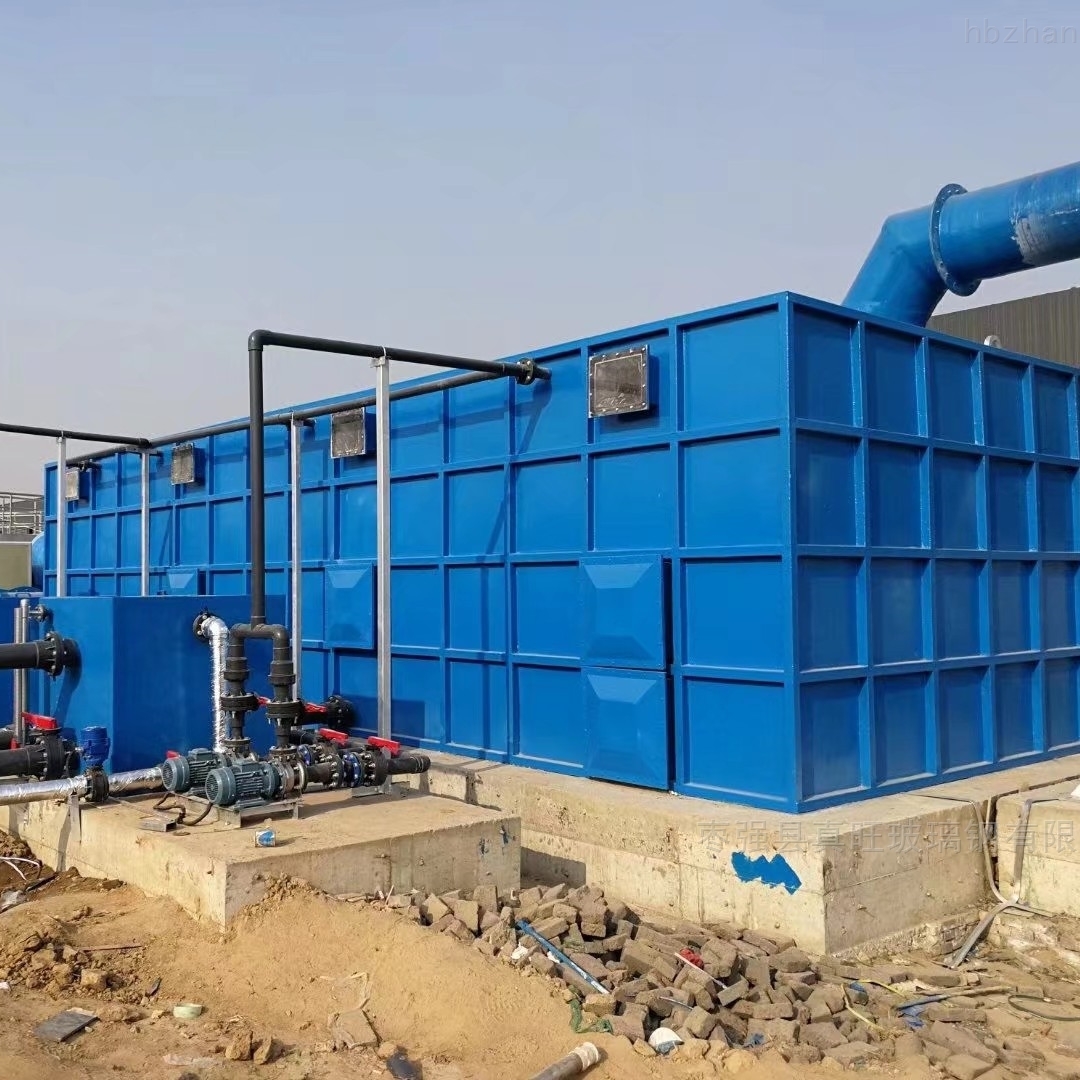

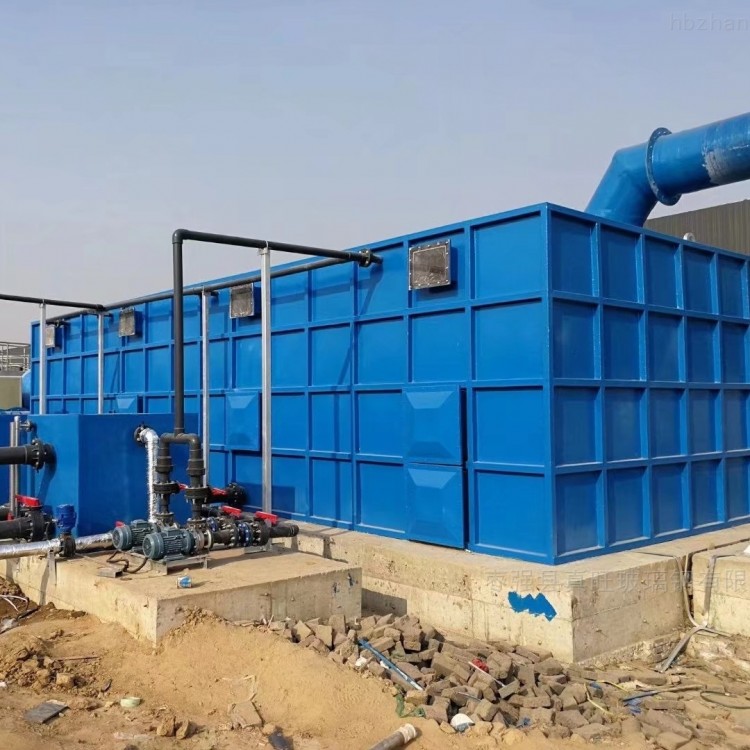













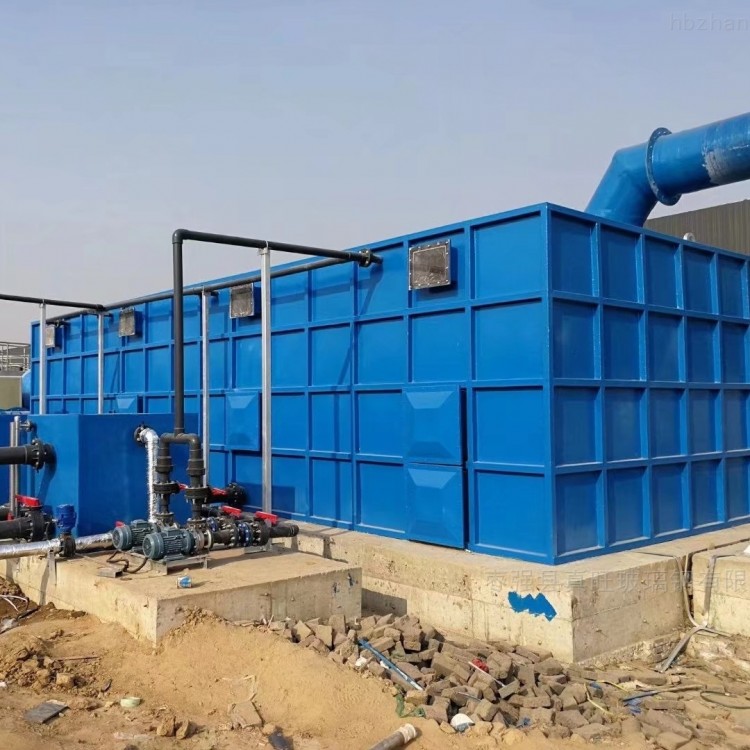
Offensive gases from the odour-eliminating structures are collected and sent together with the main odour transmission pipeline to the upper section of the biological washing stage. Atomizing nozzles fully atomize the water, mixing it with the air flow to quickly achieve a saturated humidity state in the gas to be treated. Some of the odorous molecules in the gas are absorbed by the washing liquid, creating favorable conditions for the stable operation of the biological filtration process.
After passing through the biological washing section, the gas enters the biological filtration section from bottom to top. As the gas moves upwards, the odor molecules in the gas pass through the packing layer and come into full contact with the biofilm formed on the surface of the packing. The microorganisms oxidize and decompose the odor molecules, converting them into carbon dioxide, water, minerals, and so on, thereby achieving the purpose of odor purification.
The treated gas, after passing through the biological filter unit, is discharged through a 15-meter exhaust pipeline, meeting emission standards.
Process Principle and Features: The biological deodorization device is a widely researched, mature technology, and a commonly used method for treating malodorous gases in practice. Its processing process involves the gas containing malodorous substances being pre-treated with dust removal, humidification, or cooling, and then passing through the filter bed from bottom to top. As it passes through the filter layer, the malodorous substances transfer from the gas phase to the water-microorganism mixed phase (biological layer), where they are decomposed by the metabolic action of microorganisms attached to the filter material. This method primarily utilizes the biochemical action of microorganisms to decompose pollutants into harmless substances. Microorganisms use organic matter as the matrix for their growth and reproduction, converting large molecules or complex organic substances into simple inorganic substances such as water and carbon dioxide through heterotrophic decomposition and then oxidative decomposition. Simultaneously, through assimilatory processes and utilizing the energy produced during the heterotrophic process, the biological bodies of microorganisms grow and reproduce, creating favorable conditions for further enhancing their ability to process organic substances. The essence of pollutant removal is the absorption, metabolism, and utilization of organic matter as nutrients by microorganisms. This process is a complex one, composed of physical, chemical, physicochemical, and biochemical components. It can be simplified into the following expression:
Volatile organic compounds vary in composition, resulting in different decomposition products. Different types of microorganisms produce distinct metabolic byproducts. For nitrogen-free organic substances like carboxylic acids and formaldehyde, the final products are carbon dioxide and water. For sulfur-containing malodorous components, under aerobic conditions, they are oxidized and decomposed into sulfate ions and sulfur. For nitrogen-containing malodorous substances like amines, they release NH3 through ammonification, which can be oxidized by nitrite bacteria into nitrite ions, and then further oxidized by nitrate bacteria into nitrate ions.
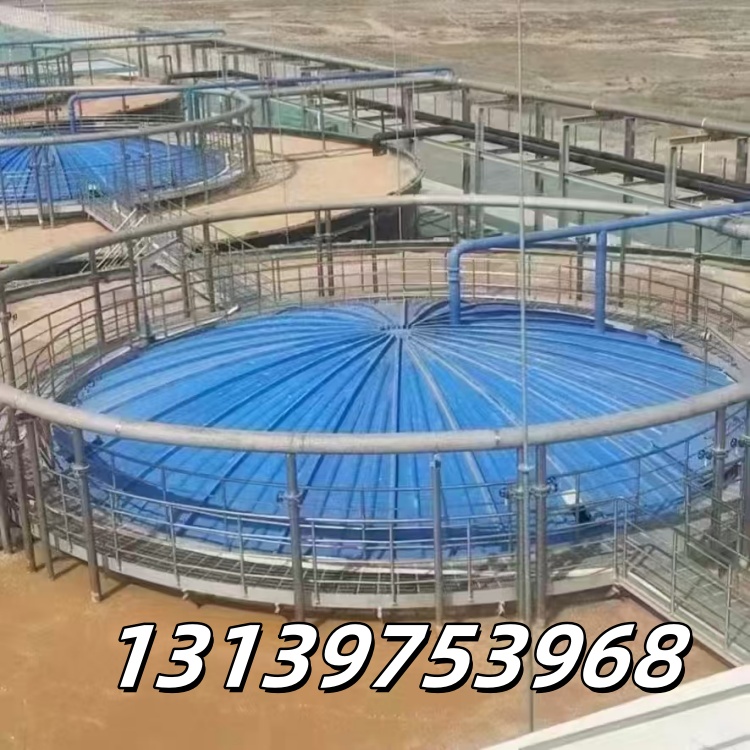
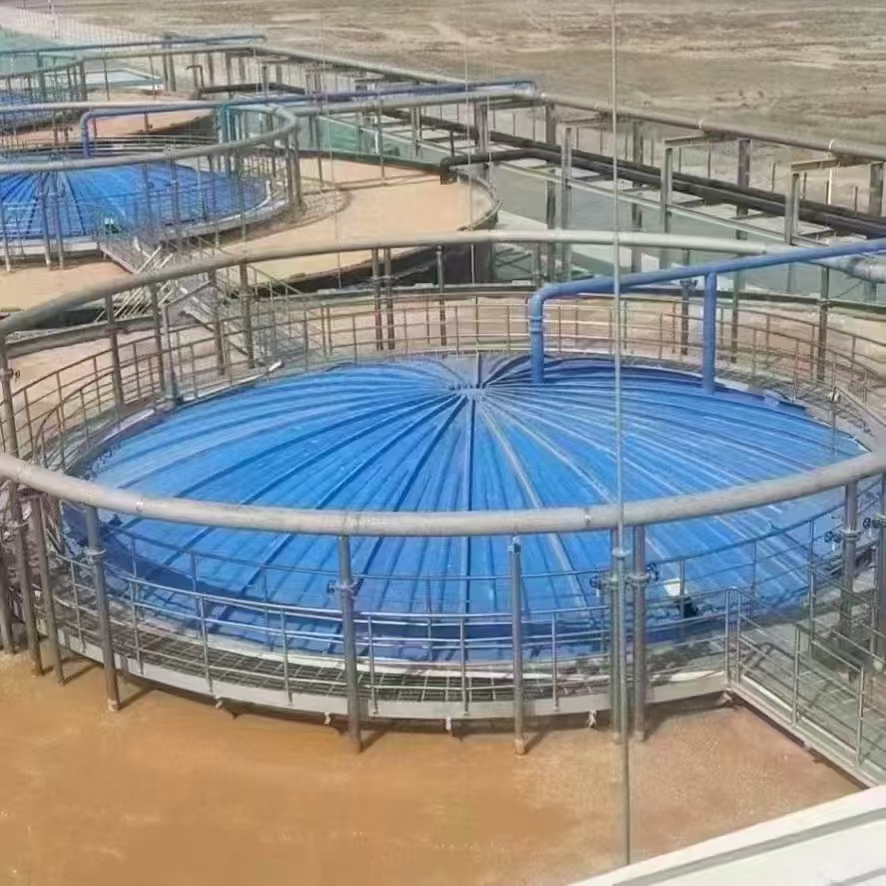
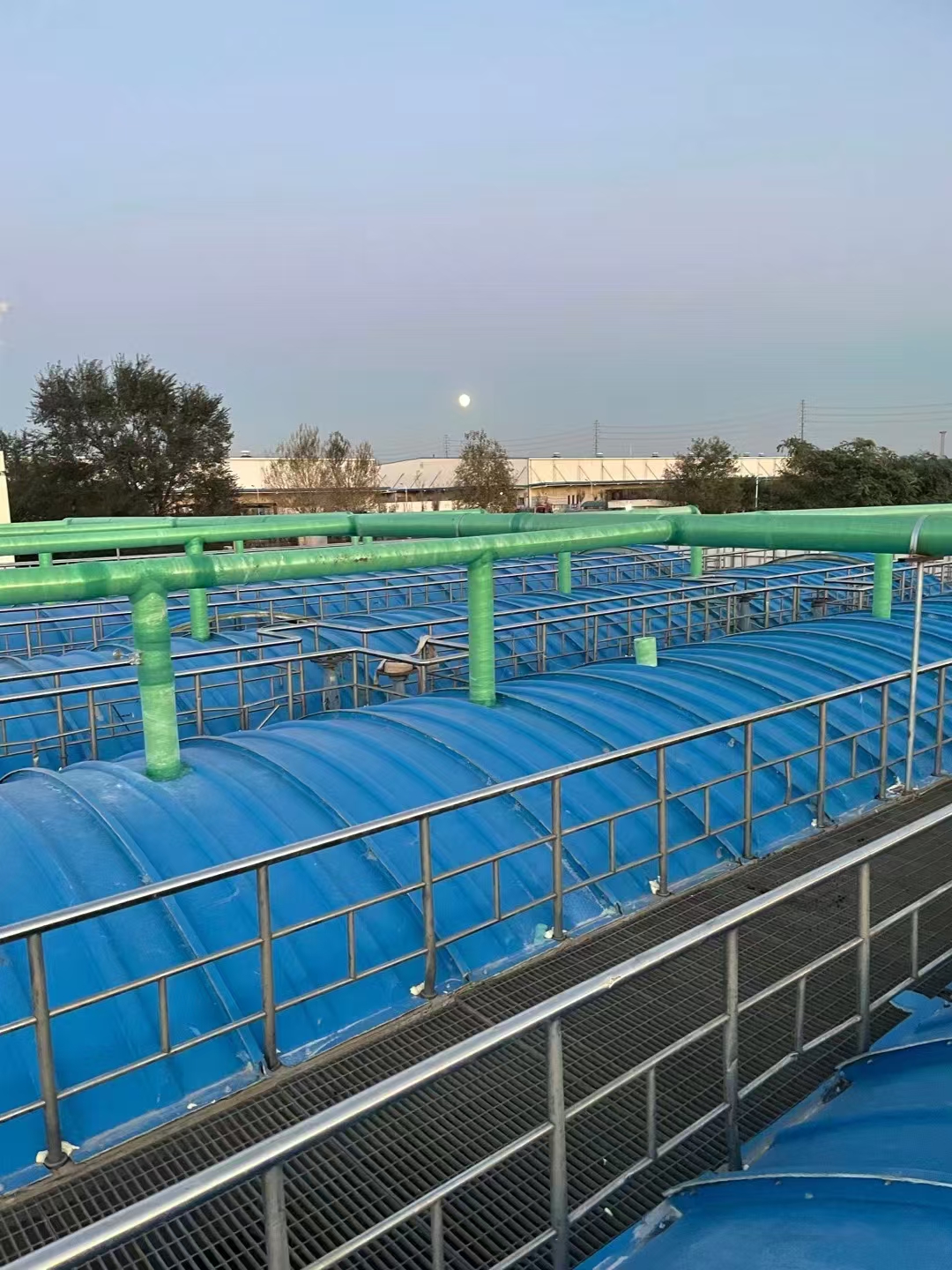
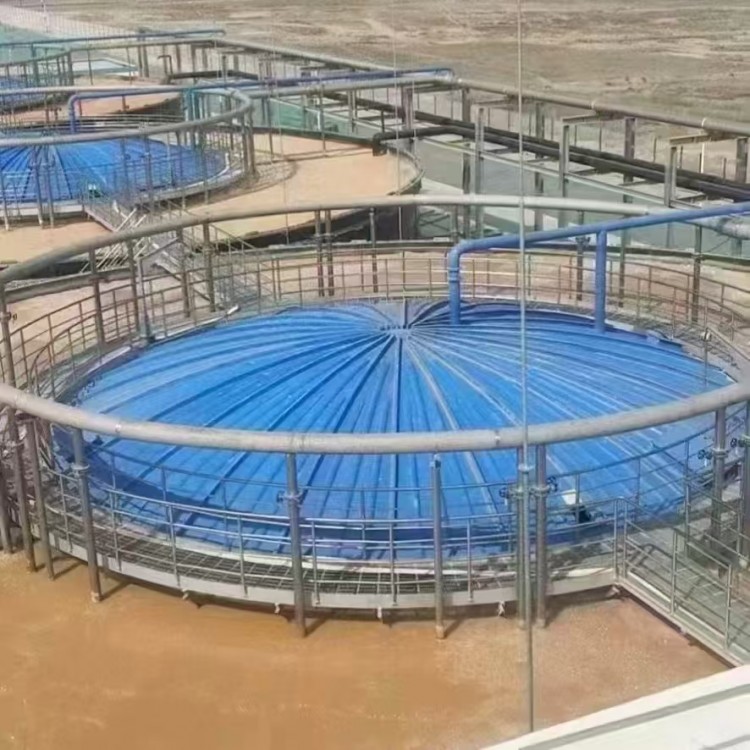
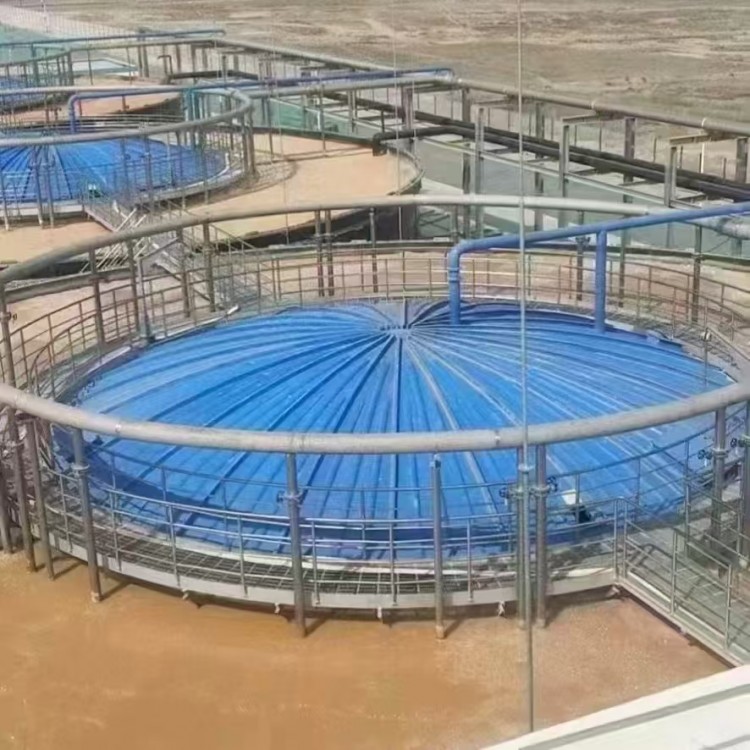
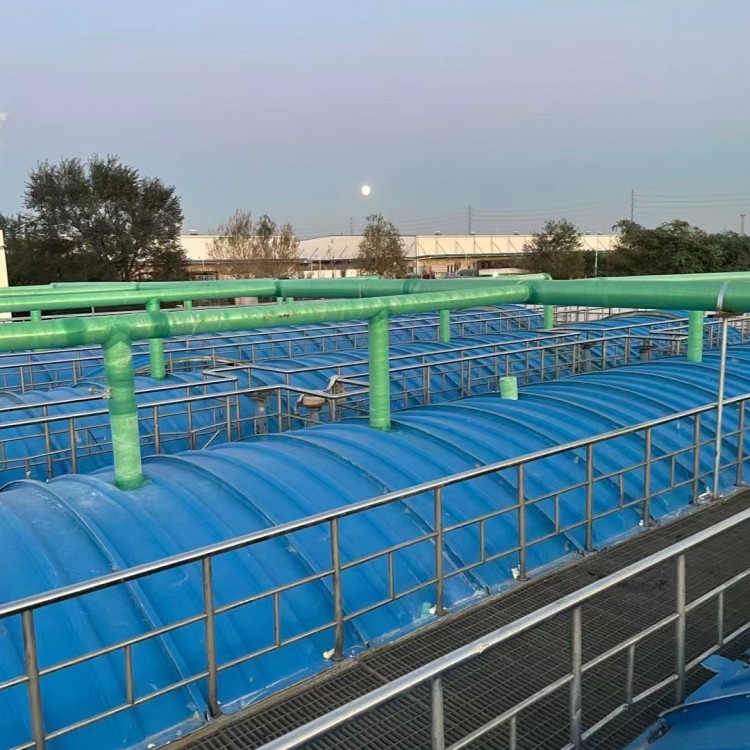
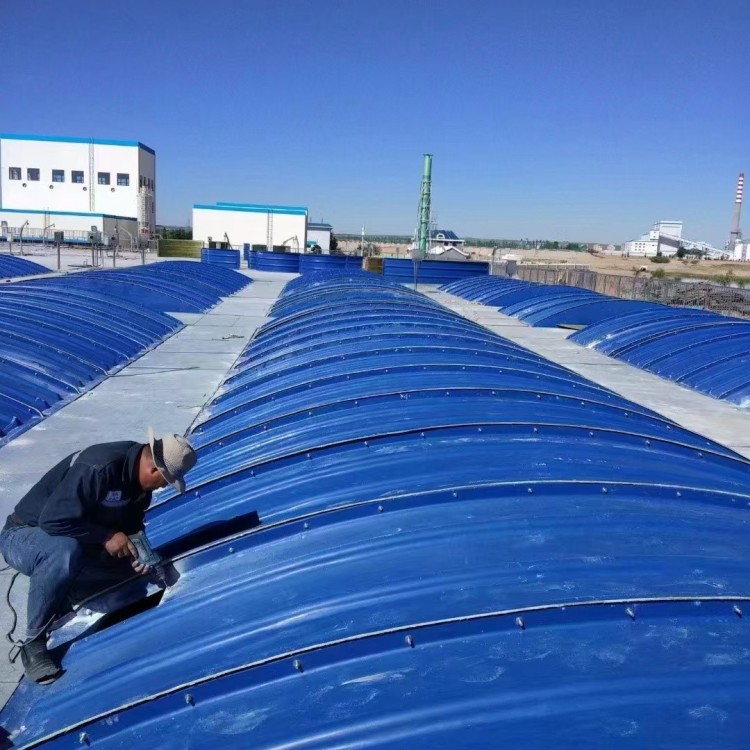
Our glass fiber reinforced plastic (GFRP) sewage pond covers offer numerous advantages, including strong corrosion resistance, lightweight yet high strength, excellent design flexibility, easy installation, vibrant colors, attractive appearance, resistance to aging, and a long service life.
1. Strong corrosion resistance: This product is made with a base material of acid and alkali-resistant, corrosion-resistant resin.
2. Excellent fire-retardant properties: High-quality flame-retardant agents can be added to the product according to customer requirements, ensuring superior fire resistance with an oxygen index greater than 26.
3. Lightweight and High-Strength, Easy to Install: This product has a density only 1/3 to 1/4 of steel products, high curing level, heavy load-bearing capacity, and high strength, suitable for large-span pools. Additionally, the cover can be divided into several small pieces for easy transportation and installation.
4. Aesthetically Pleasing and Weather-Resistant: This product features an anti-aging, weather-resistant, and UV-resistant coated resin finish, ensuring a smooth, attractive appearance with vibrant colors and a lifespan of over 20 years.
5. Low operation and maintenance costs, easy to repair: Due to the product's high corrosion resistance and aging resistance, it does not require regular maintenance like metal products, significantly reducing costs. The hood features an observation window and a service door at the end, facilitating worker maintenance without affecting the normal operation of the equipment.
6. Highly customizable: The product size and dimensions can be flexibly designed based on the specific conditions of the on-site pond, with shapes available in arched lids, round lids, flat lids, and more.
7. Color variety: We can produce products in various colors such as blue, green, yellow, and white, to meet customer demands and enhance environmental aesthetics.