













Heat dissipation and cooling
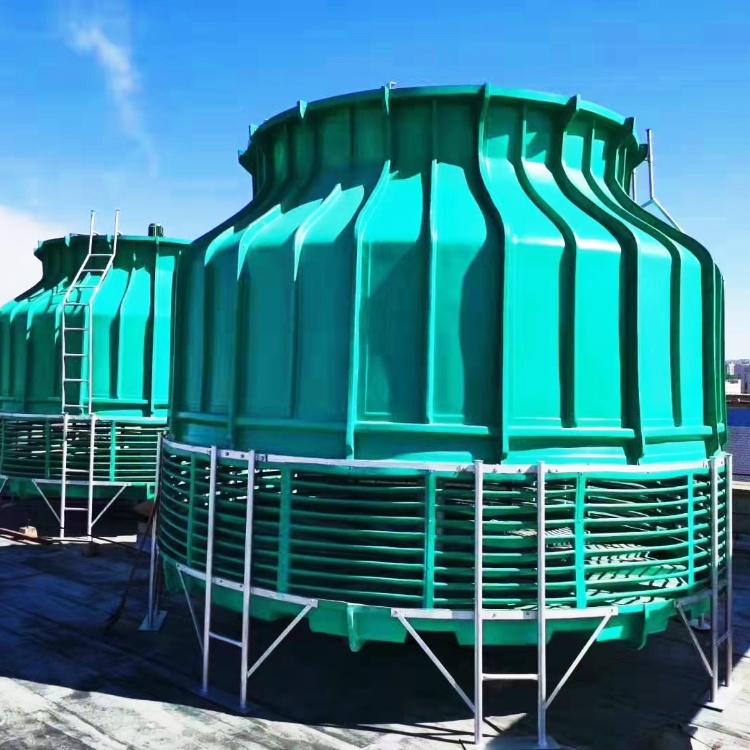
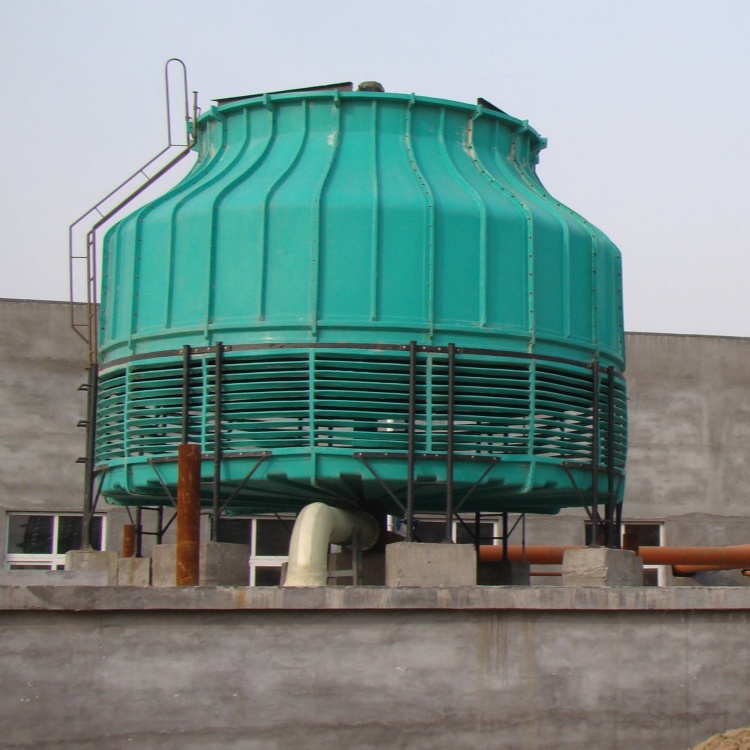
The primary function of a cooling tower is to transfer waste heat carried by cooling water through methods such as evaporation, contact, and radiation, by exchanging heat internally within the tower with air. This transfers the waste heat to the air and dissipates it into the atmosphere, thereby lowering the water temperature and creating a device for the recyclable use of cooling water.
2. Ensure system operation
In industrial production or refrigeration and air conditioning, cooling towers dissipate waste heat generated by utilizing the contact between water and air through evaporation, ensuring the stable operation of the system.
3. Multi-Disciplinary Applications
Cooling towers are widely used in various fields, including air conditioning cooling systems, refrigeration series, injection molding, leather processing, foaming, power generation, steam turbines, aluminum profile processing, air compressors, and industrial water cooling.
4. Conclusion
Cooling towers are essential heat exchange devices that dissipate waste heat through contact with water and air, ensuring the smooth operation of various systems and equipment. Their applications are extensive, covering nearly all industrial and air conditioning refrigeration fields.
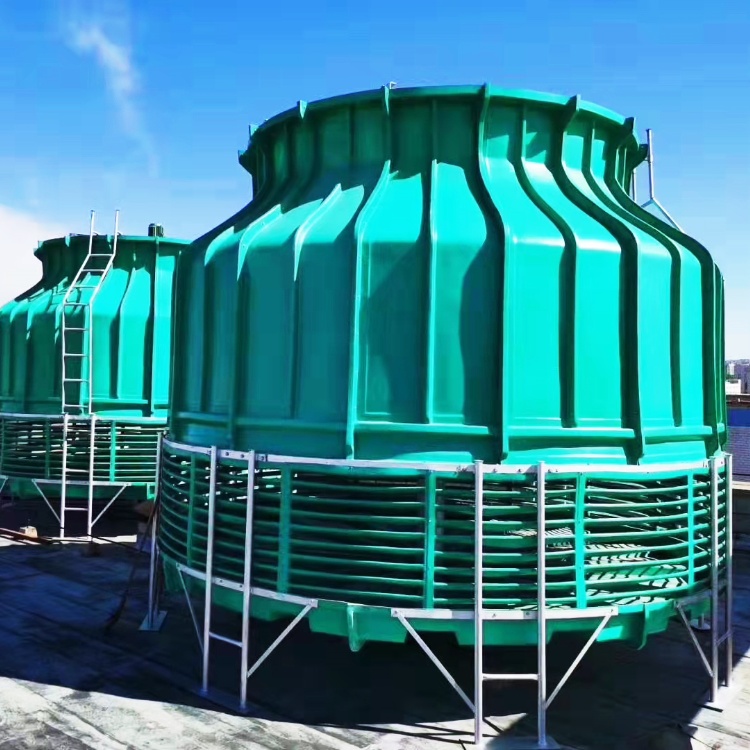
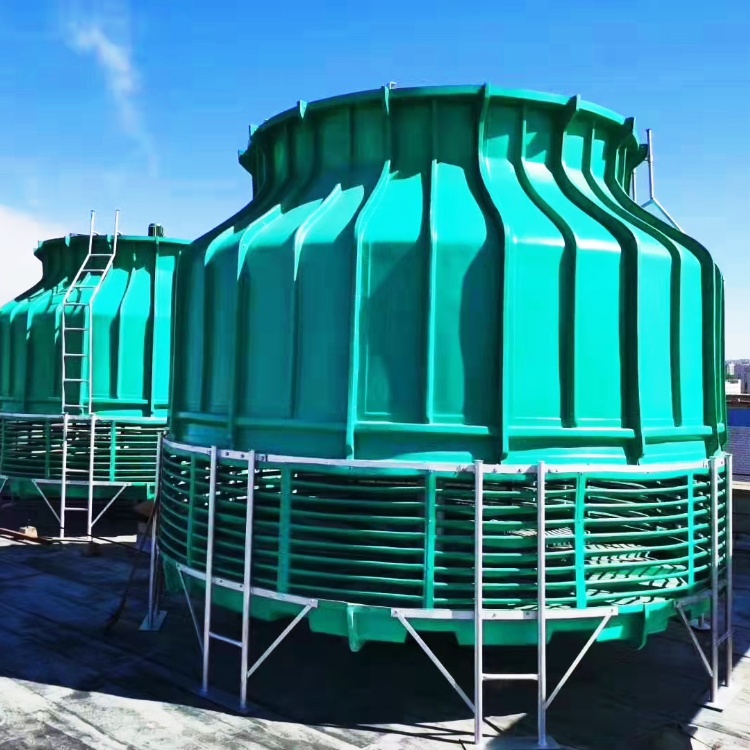
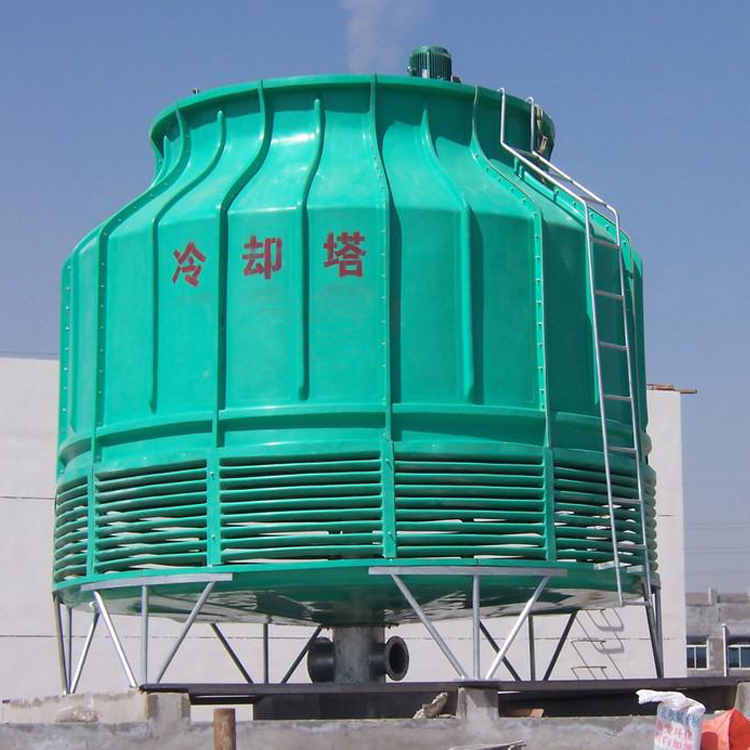
The primary function is to produce steam through heat exchange between water and air flow, with steam evaporation carrying away heat. It dissipates excess heat generated in industrial processes or refrigeration and air conditioning systems using principles like evaporation cooling, convection, and radiation, aiming to lower water temperature. Such equipment is typically barrel-shaped, hence referred to as a cooling tower. The working principle of a cooling tower involves knowledge from various disciplines such as aerodynamics, thermodynamics, fluid mechanics, chemistry, biochemical engineering, materials science, static and dynamic structural mechanics, and manufacturing technologies. The construction usually includes the tower body, water pan, motor, fan, and sprinkler system. Water is pumped to the top of the tower by a high-pressure pump, filtered through a distributor, and then evenly sprinkled down. The fan's wind facilitates contact between air and water droplets, thereby removing heat and cooling the water. Cooling towers are widely used in manufacturing facilities like steel mills, textile factories, chemical plants, and food factories to enhance production efficiency. Depending on the cooling method and principle, cooling towers can be categorized into natural ventilation, low-noise, industrial, and open-market types, with natural ventilation and industrial models being more common domestically. The maintenance and upkeep of cooling towers can be cumbersome and costly, so it's important to choose the right type based on actual needs.