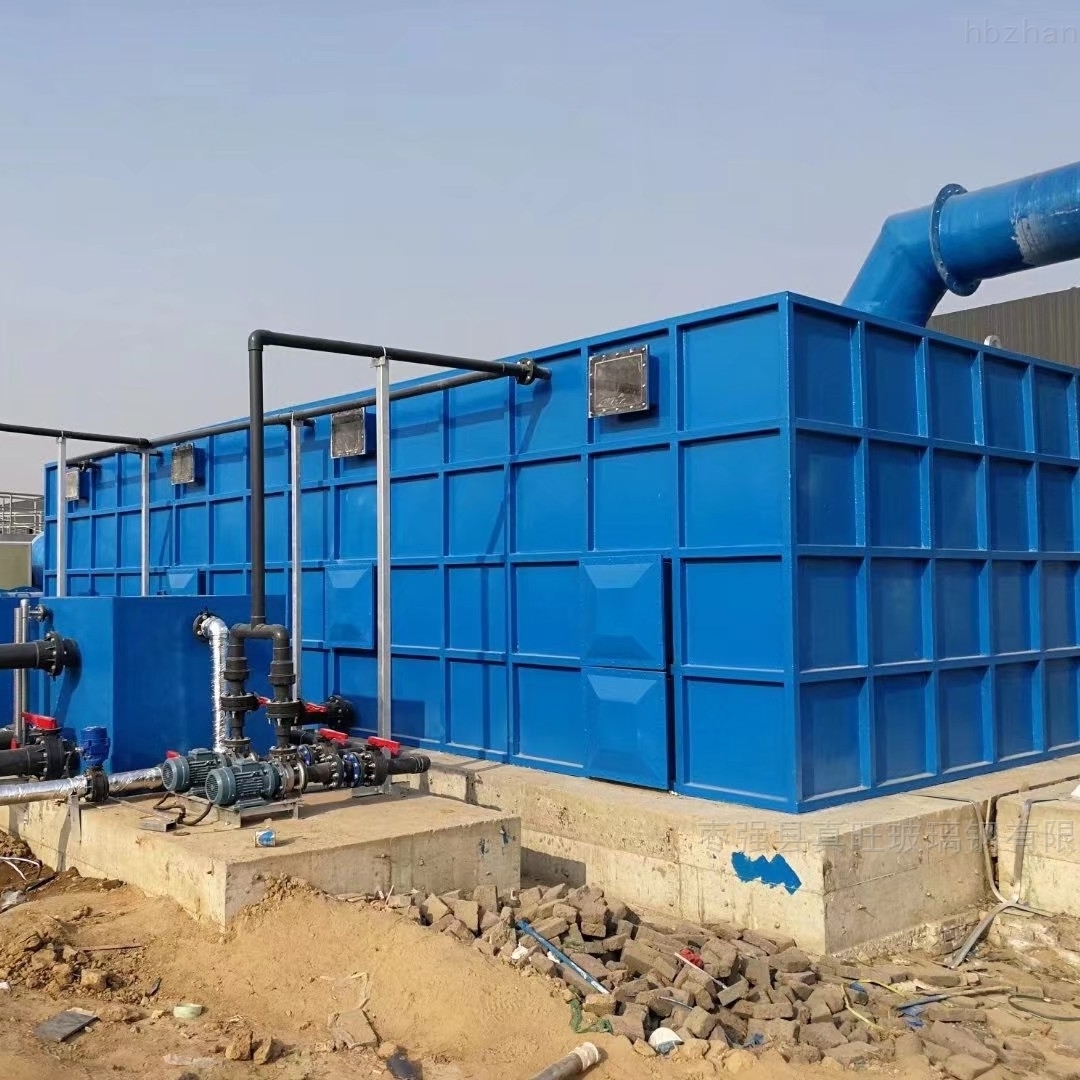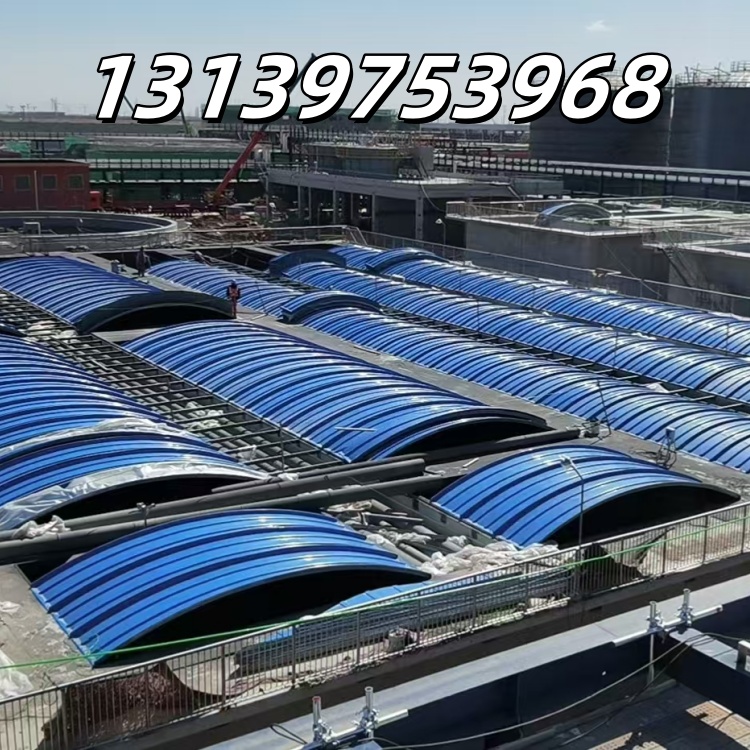

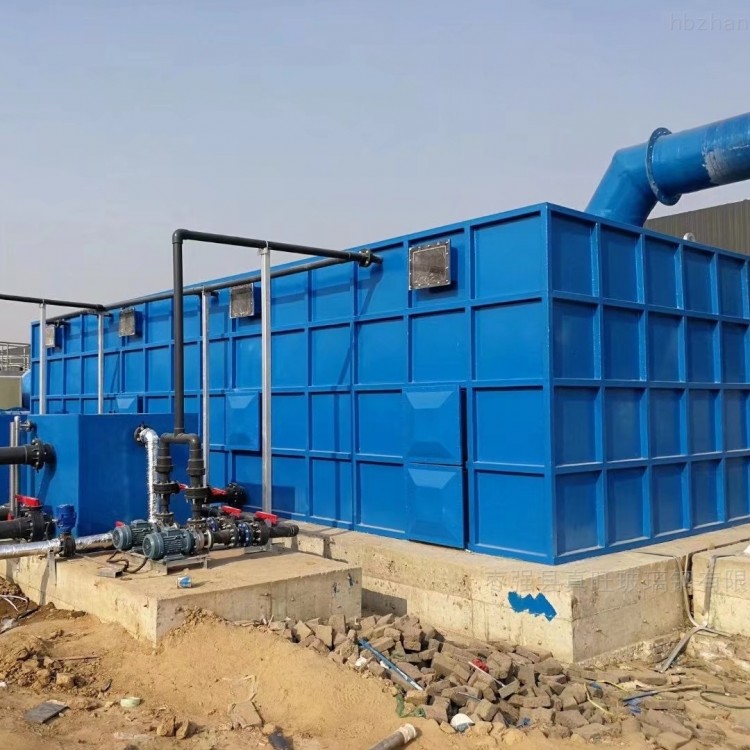













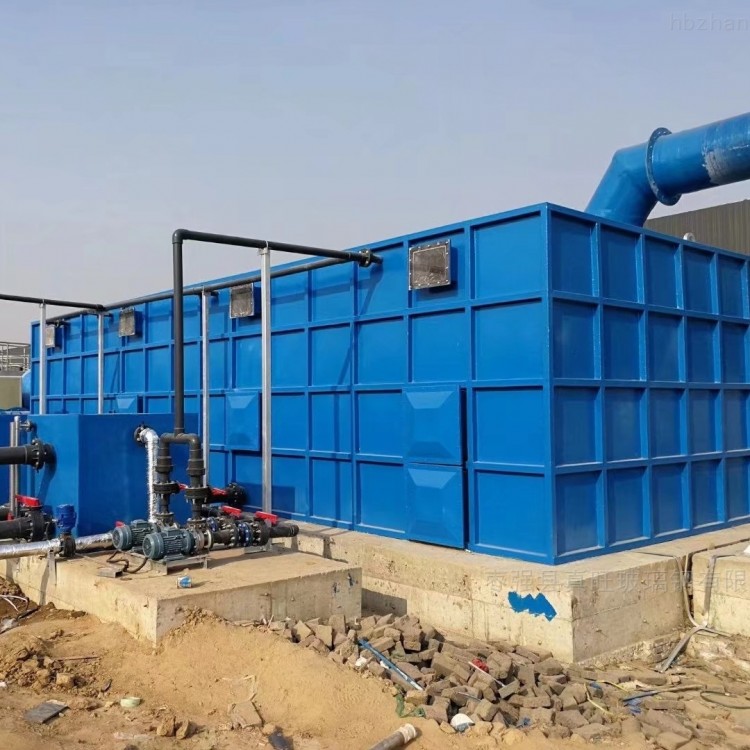
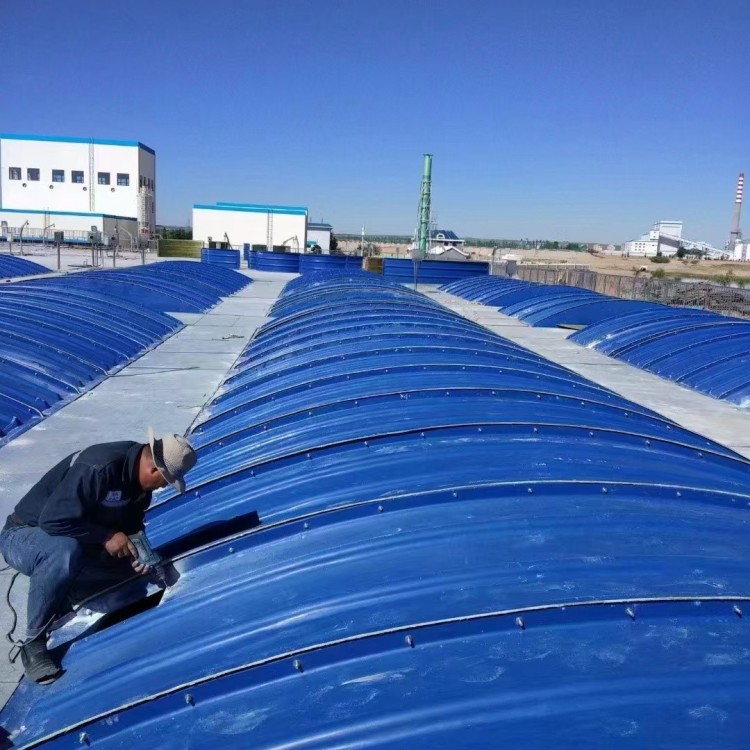
Offensive gases from the odor-removing structures are collected and sent together with the main odor conduit to the upper section of the biological scrubbing section. Atomizing nozzles fully atomize the water, which then mixes with the airflow, quickly achieving a saturated humidity state for the gas to be treated. Part of the odor molecules in the gas are absorbed by the scrubbing liquid, creating favorable conditions for the stable operation of the biological filtration process.
After passing through the biological washing section, the gas enters the biological filtration section from bottom to top. As the gas moves upwards, the odor molecules in the gas pass through the packing layer and come into full contact with the biofilm formed on the surface of the packing. The microorganisms oxidize and decompose the odor molecules, converting them into carbon dioxide, water, minerals, etc., thereby achieving the purpose of odor purification.
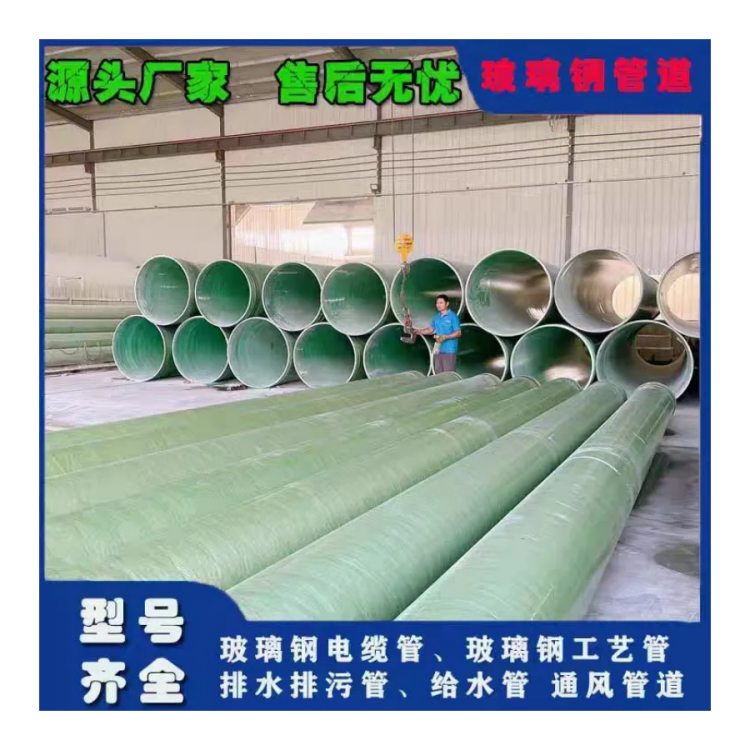
The treated gas passes through a 15-meter exhaust pipeline after being processed by a biological filter unit, meeting emission standards.
Process Principle and Features: The biological deodorization device is a widely researched, mature technology, and a commonly used method for treating malodorous gases in practice. The treatment process involves the gas containing malodorous substances being pre-treated with dust removal, humidification, or cooling, and then passing through the filter bed from bottom to top. During this process, the malodorous substances transfer from the gas phase to the water-microorganism mixed phase (biological layer) through the filter layer, where they are decomposed by the metabolic action of microorganisms attached to the filter material. This method primarily utilizes the biochemical action of microorganisms to decompose pollutants into harmless substances. Microorganisms use organic matter as the matrix required for their growth and reproduction, converting large molecules or complex organic substances into simple inorganic substances such as water and carbon dioxide through heterotrophic action and subsequent oxidation decomposition. Simultaneously, through assimilative action and utilizing the energy produced during the heterotrophic process, the microorganisms' biological bodies grow and reproduce, creating favorable conditions for further enhancing their ability to process organic substances. The essence of pollutant removal is the absorption, metabolism, and utilization of organic matter as nutrients by microorganisms. This process is a complex one, composed of physical, chemical, physicochemical, and biochemical components. It can be simplified into the following expression:
Volatile organic compounds (VOCs) vary in composition, resulting in different decomposition products. Different types of microorganisms produce varying metabolic byproducts. For nitrogen-free organic substances like carboxylic acids and formaldehyde, the final products are carbon dioxide and water. Sulfur-containing VOCs are oxidized and decomposed into sulfate ions and sulfur under aerobic conditions. Nitrogen-containing VOCs like amines release NH3 through ammonification, which can then be oxidized by nitrite bacteria into nitrite ions, and further oxidized by nitrate bacteria into nitrate ions.
Cooling and heat dissipation
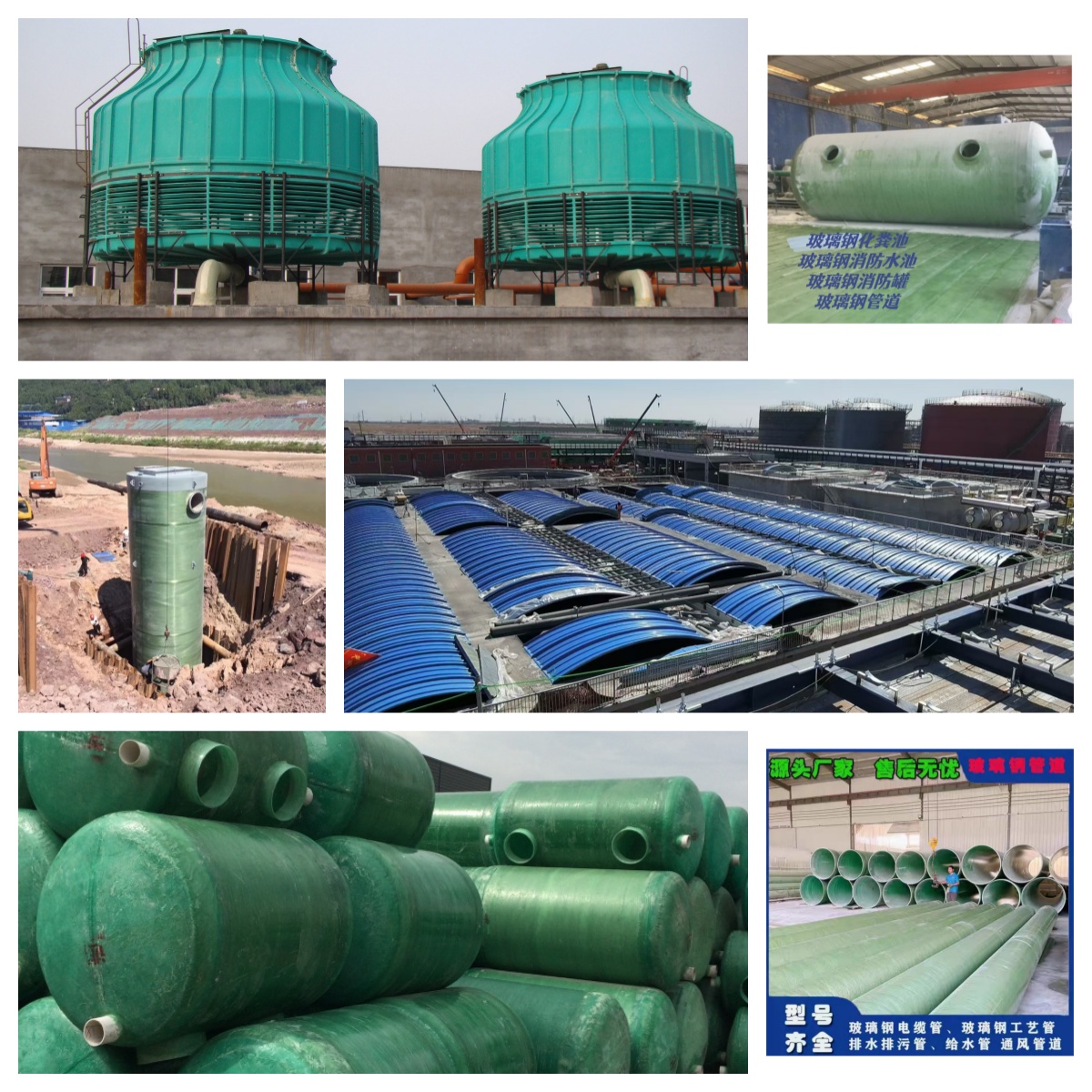
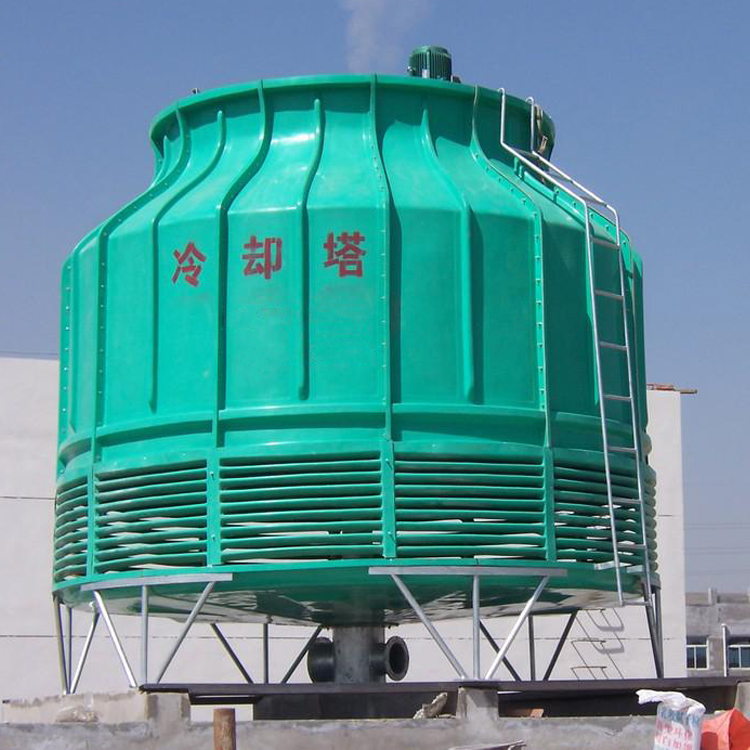
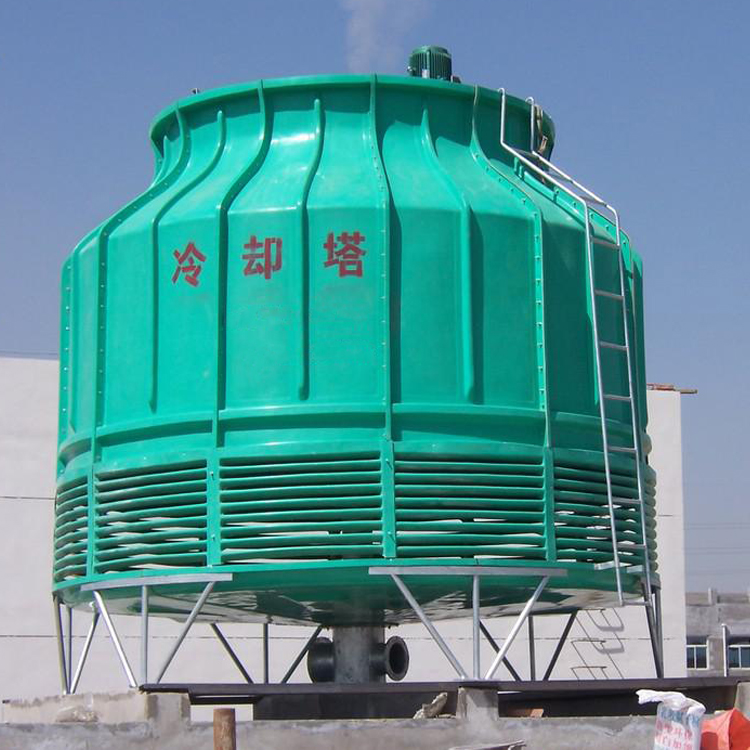
The primary function of a cooling tower is to lower water temperature by exchanging heat with air inside the tower, utilizing methods such as evaporation, conduction, and radiation to transfer waste heat carried by the cooling water. This allows the waste heat to be dispersed into the atmosphere, enabling the cooling water to be recycled for use.
2. Ensure system operation
In industrial production or refrigeration and air conditioning, cooling towers dissipate waste heat generated by utilizing the contact between water and air through the process of evaporation, ensuring the stable operation of the system.
3. Multi-domain Applications
Cooling towers are widely used in various fields, including air conditioning cooling systems, refrigeration series, injection molding, leather processing, foaming, power generation, steam turbines, aluminum profile processing, air compressors, and industrial water cooling.
4. Conclusion
Cooling towers are essential heat exchange devices that dissipate waste heat through contact with water and air, ensuring the smooth operation of various systems and equipment. Their applications are extensive, covering nearly all industrial and air conditioning refrigeration fields.
The primary function is to produce steam through heat exchange between water and air flow, with steam vaporization carrying away heat. This process utilizes principles such as evaporation cooling, convection, and radiation to dissipate excess heat generated in industrial or refrigeration/air conditioning systems, thereby reducing water temperature. Such equipment is typically cylindrical, hence termed a cooling tower. The working principle of a cooling tower involves knowledge from various disciplines, including aerodynamics, thermodynamics, fluid dynamics, chemistry, biochemical engineering, materials science, static and dynamic structural mechanics, and processing technology. The structure usually includes the tower body, water pan, motor, fan, and sprinkler system. High-pressure water pumps are used to spray water to the top of the tower, which is then evenly dispersed after being filtered by the distributor. The fan's wind facilitates contact between air and water droplets, thereby removing heat and cooling the water. Cooling towers are widely used in manufacturing facilities such as steel mills, textile factories, chemical plants, and food factories to enhance production efficiency. Depending on the cooling method and principle, cooling towers can be categorized into natural ventilation towers, low-noise towers, industrial towers, and open-market towers, with natural ventilation and industrial towers being more common domestically. The maintenance and upkeep of cooling towers can be complex and costly, so it's important to select the appropriate type based on actual needs.