

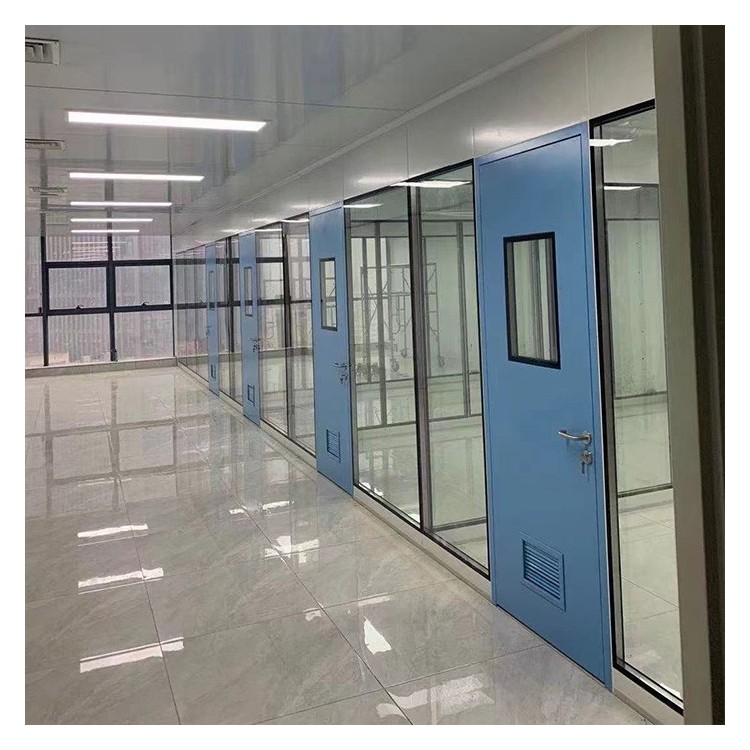
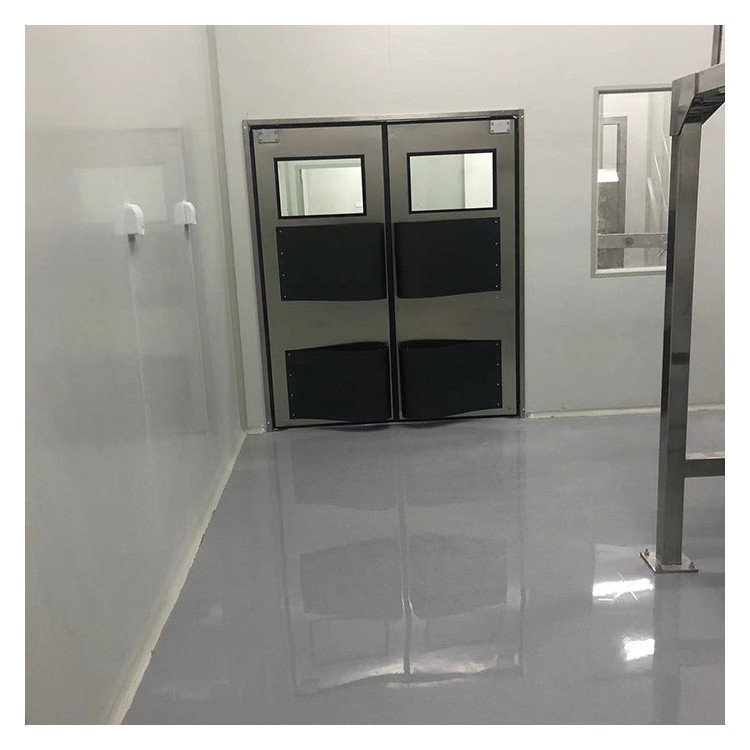
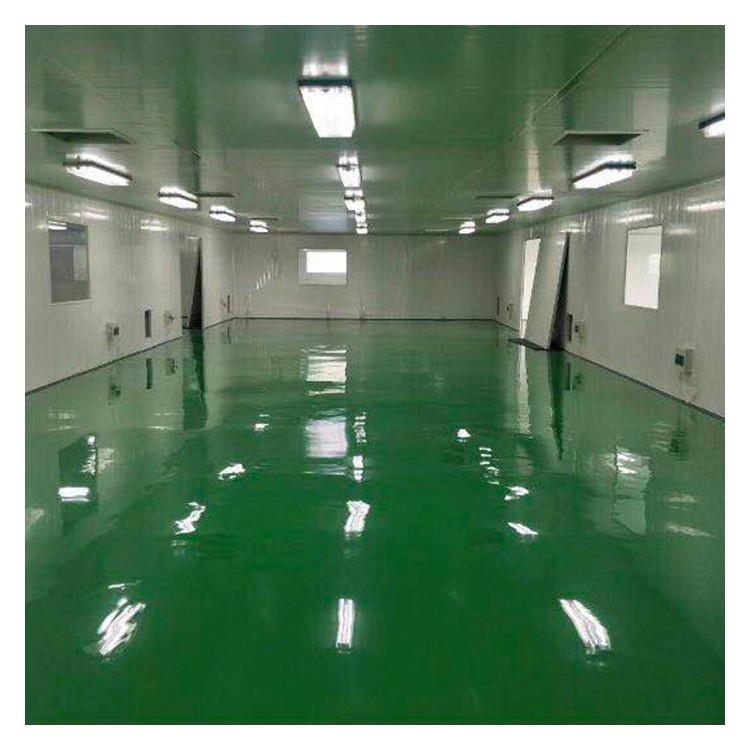
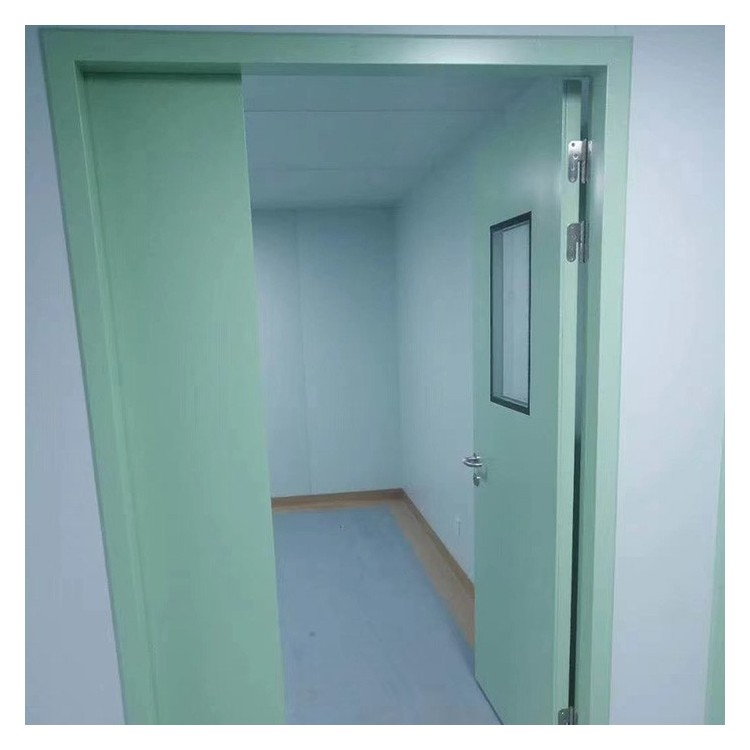


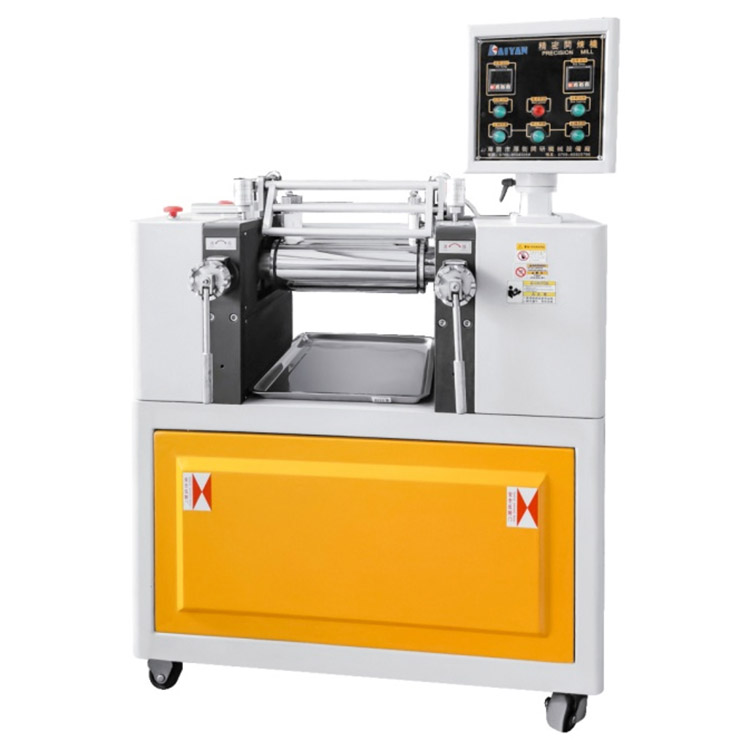









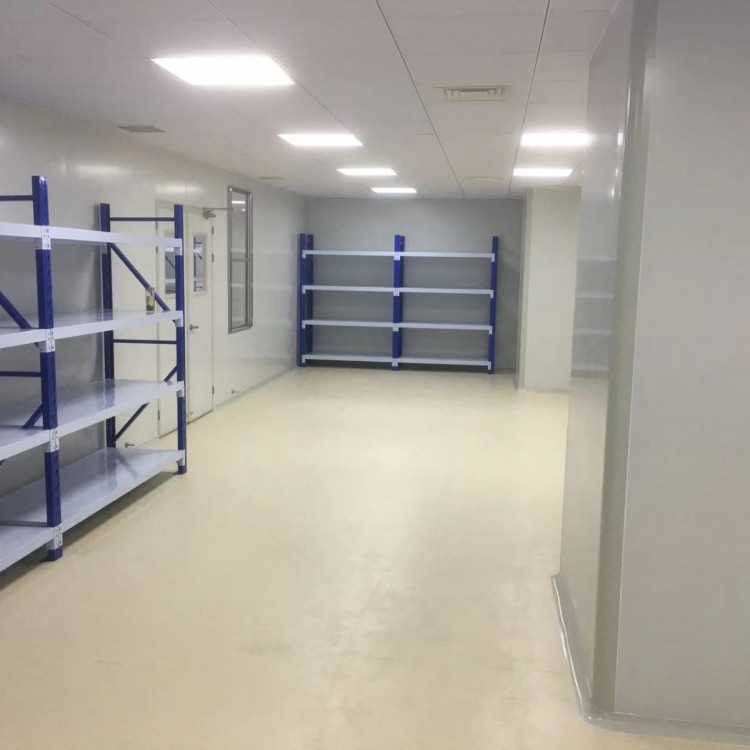
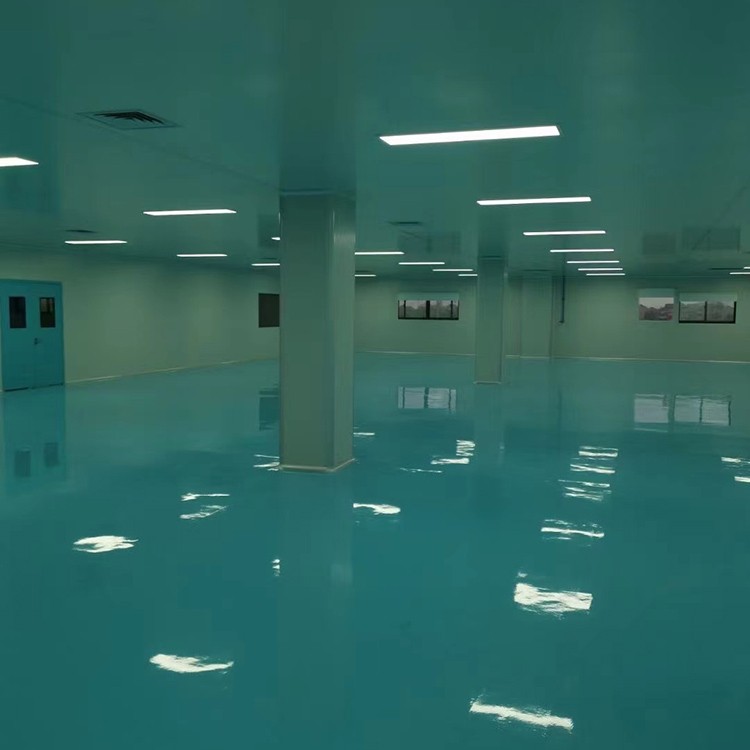
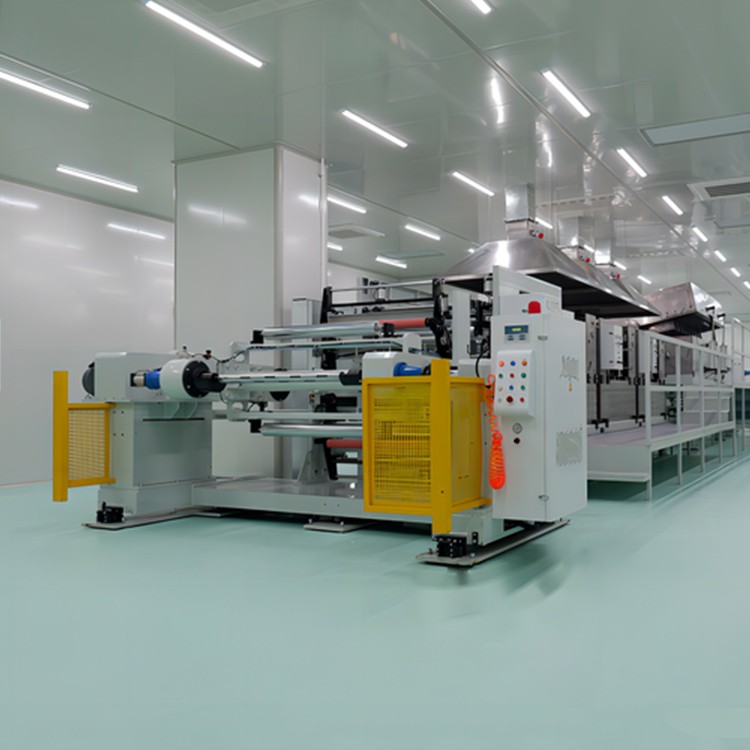
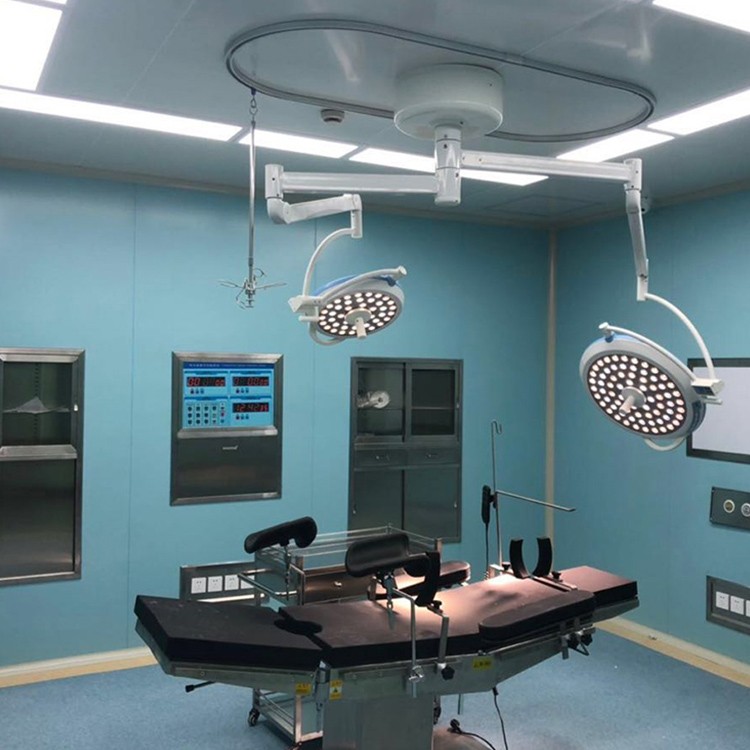
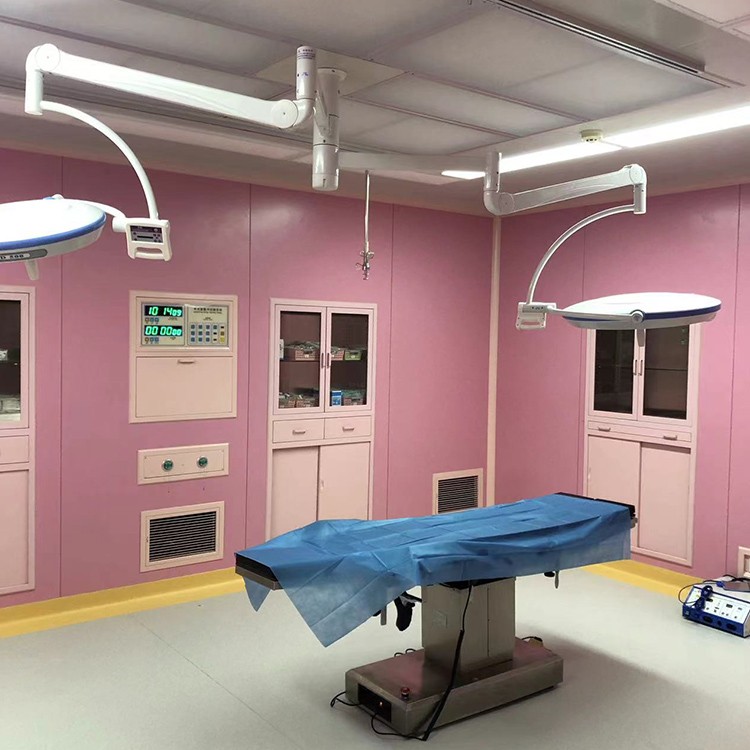
Designing a cleanroom requires considerations for space utilization, cleanliness levels, air flow control, equipment layout, and temperature and humidity control. Cleanliness grades are determined based on industry standards and production requirements, with air flow direction and speed controlled to prevent particle dispersion. Equipment layout must be rational and meet cleanliness requirements. Temperature and humidity must be stable and adaptable to production changes. Considering these factors ensures the cleanliness and efficiency of the workshop.
When designing and planning a cleanroom, various aspects must be considered, including space utilization, cleanliness requirements, air flow control, and equipment arrangement.
Detailed Description:
1. Cleanliness Requirement:
1.1 Determine the cleanliness level based on industry standards and production requirements, usually with the ISO standard as the benchmark, such as ISO 14644-1.
1.2 Cleanliness grades determine the air quality in the workshop. Different production processes require different cleanliness grades, typically ranging from ISO 1 to ISO 9.
1. Determine the allowable particle concentration in the air based on cleanliness levels, such as the number of particles per cubic meter specified in ISO 14644-1.
Space Utilization and Layout Design:
2.1 Determine the functional areas of the workshop based on the production process flow, including raw material storage areas, production areas, and packaging areas, etc.
2.2 Implement a rational process layout to minimize cross-contamination of materials and personnel, enhancing production efficiency.
2.3 Design a reasonable ventilation system and air circulation method to ensure uniform air flow throughout the workshop and avoid dead corners.
3. Airflow Control:
3.1 Determine air flow direction and speed to control the diffusion and settling of particles in the air.
3.2 Employ laminar or turbulent airflow control methods, selecting the appropriate airflow based on workshop requirements.
3.3 By designing and arranging the air outlets, adjust the distribution and velocity of airflow to ensure the cleanliness of each area meets the requirements.
4. Equipment Layout:
4.1 Arrange production equipment and workbenches rationally based on the production process and equipment dimensions.
4.2 Ensure there is ample spacing between equipment for easy maintenance and cleaning, without obstructing air flow.
4.3 Select equipment and materials that meet cleanliness requirements to minimize the generation and accumulation of dust and microorganisms.
5. Temperature and Humidity Control:
5.1 Determine the temperature and humidity control range of the workshop based on the production process requirements and characteristics.
5.2 Equipped with appropriate air conditioning systems and humidity control devices to ensure stable temperature and humidity in the workshop.
5.3 Regularly monitor and adjust temperature and humidity parameters to accommodate changes in the production process and seasonal variations.
The design and layout of a cleanroom require consideration of multiple aspects, including cleanliness requirements, space utilization, air flow control, equipment arrangement, and temperature and humidity control. Only by taking all these factors into account can the cleanliness and production efficiency of the room meet the standards.