










Duckbill valve
Product Principle
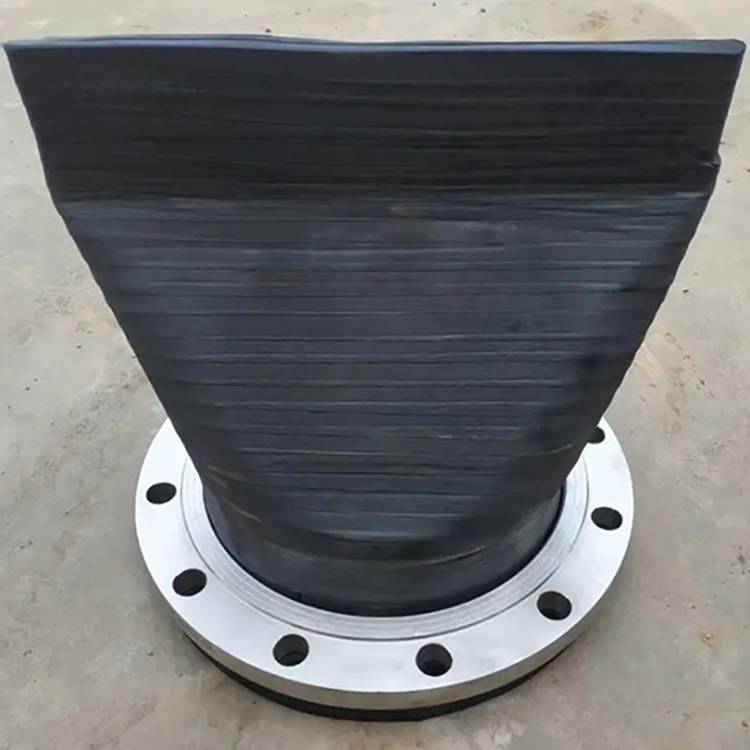
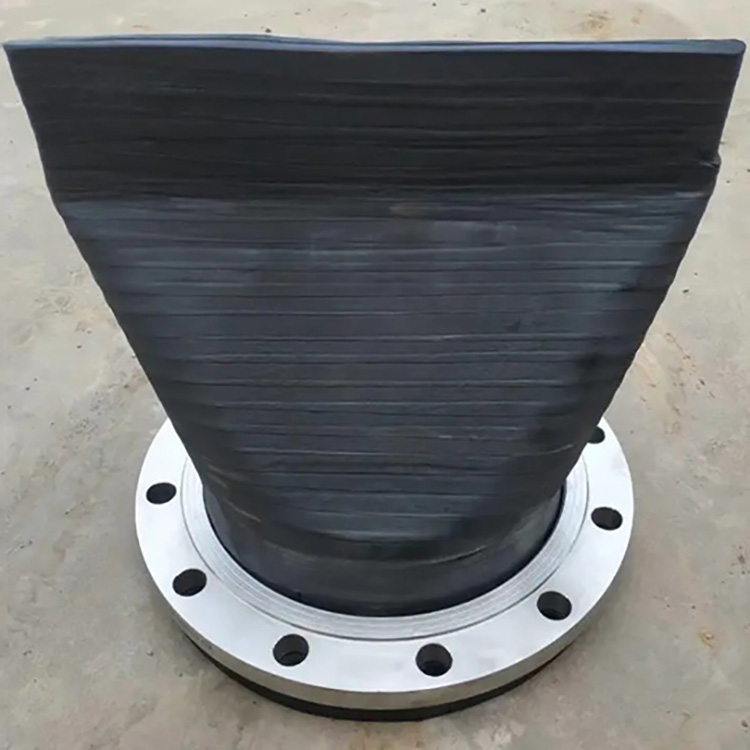
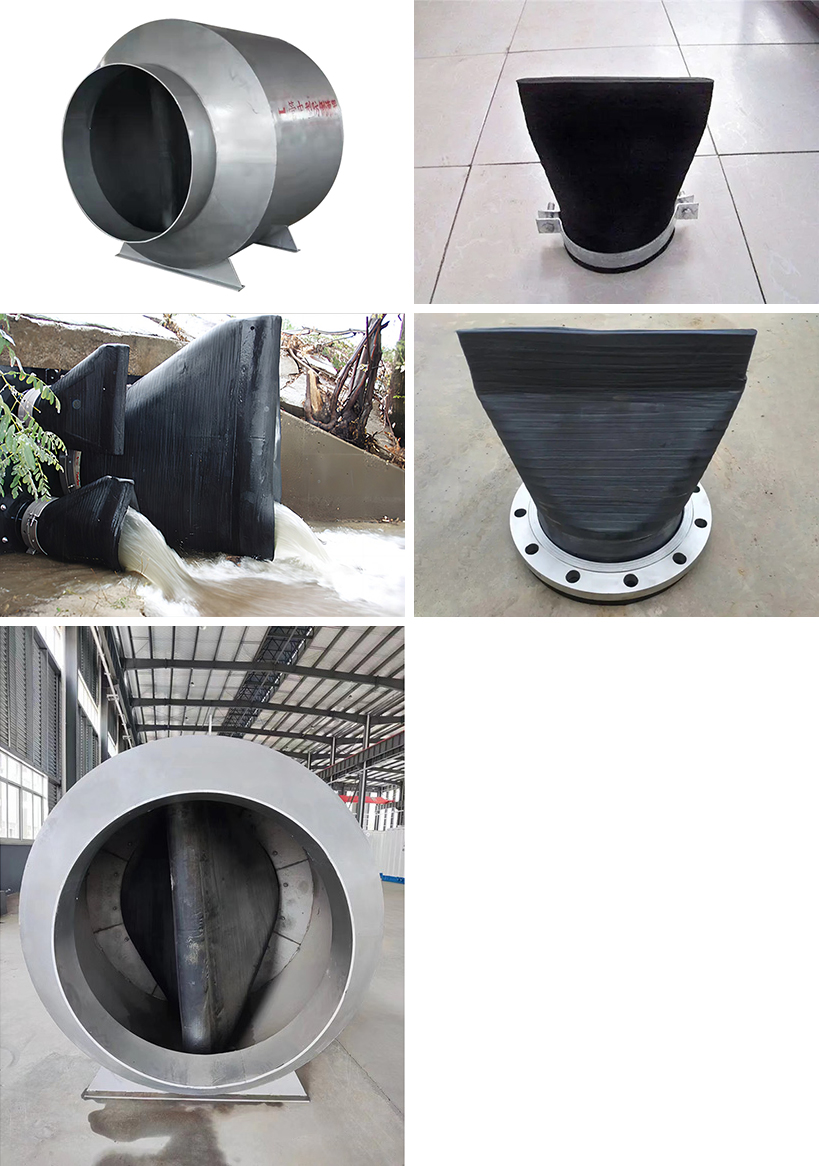
The duckbill valve is made from elastic chloroprene rubber and artificial fiber, processed in a special manner, resembling the shape of a duck's beak, hence the name. Under no internal pressure, the duckbill outlet closes due to its inherent elasticity; as the internal pressure gradually increases, the duckbill outlet gradually expands, allowing the liquid to be discharged at high flow rates.
Product Function
Rubber duckbill valves prevent floodwater and wastewater from reversing into street storm drains and basements, avoiding significant losses. They stop floodwater from backing into sewage treatment plants and drainage pump stations during rising water levels. They also block the spread of odors from sewage or foul fluids and allow for continuous drainage. During rainy seasons, they prevent urban river floodwater from backing into streets via storm drains. They offer superior quality over flap gates, overcoming defects such as inadequate closure.
Product Features
1. Full rubber construction to meet various anti-corrosion requirements (different rubber materials can be selected based on actual needs).
2. Non-clogging, sealed well.
3. Long lifespan, zero malfunctions, and maintenance-free.
4. No moving parts or mechanical components, no need for electrical signals or manual operation, and zero noise.
5. Low pressure activation, can be opened with a water head of over 0.01 meters.
Under normal conditions, head loss can typically be reduced to a minimal extent.
7. Capable of adapting to various installation types to meet customer requirements.
8. Easy installation, low cost, and minimal operating expenses.
Installation Method
Flanged Duckbill Valve
Clamp-type Duckbill Valve
Built-in Duckbill Valve