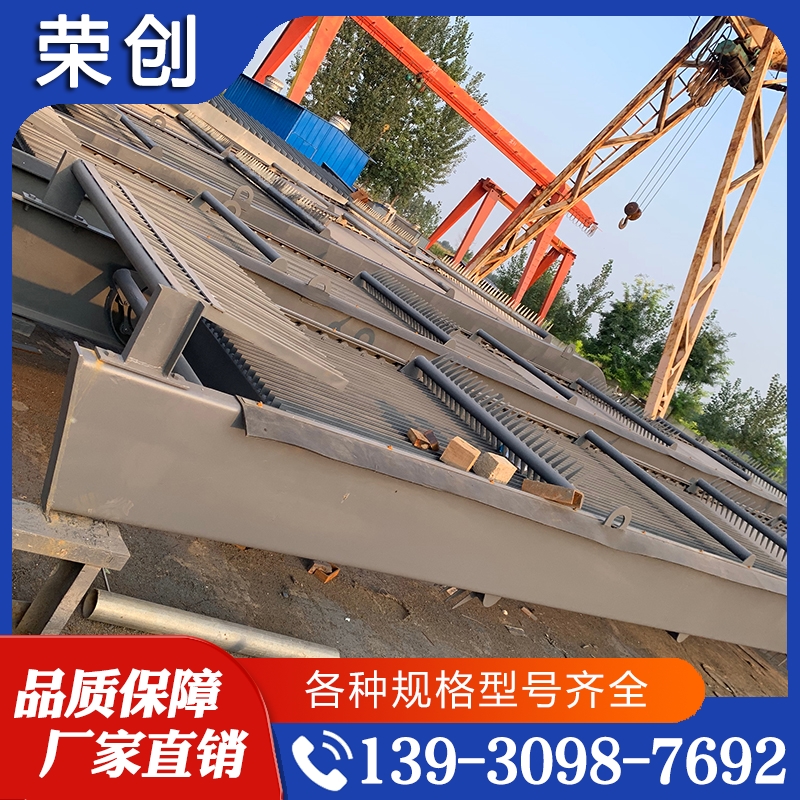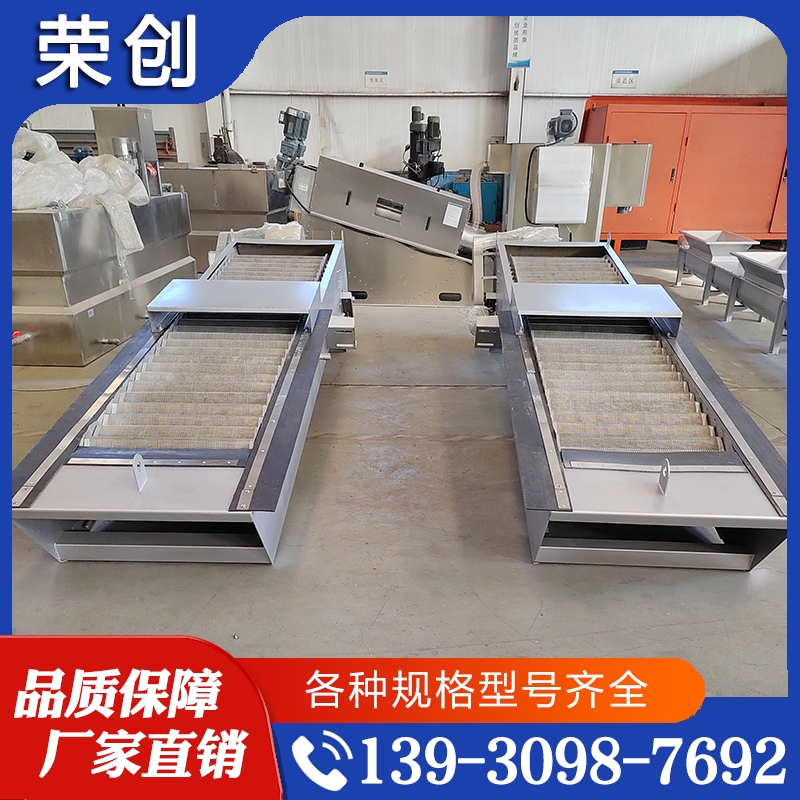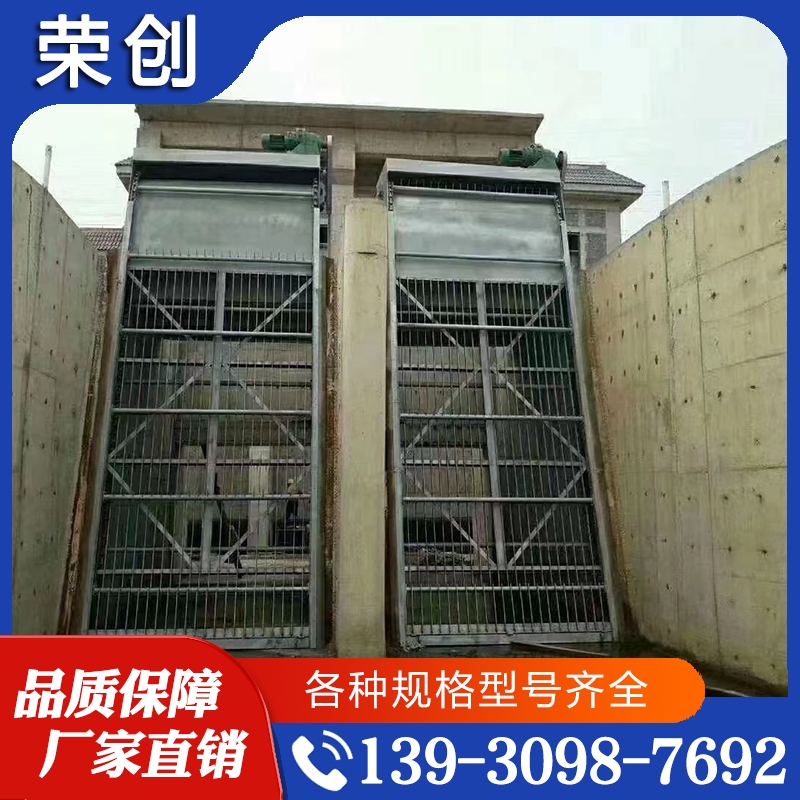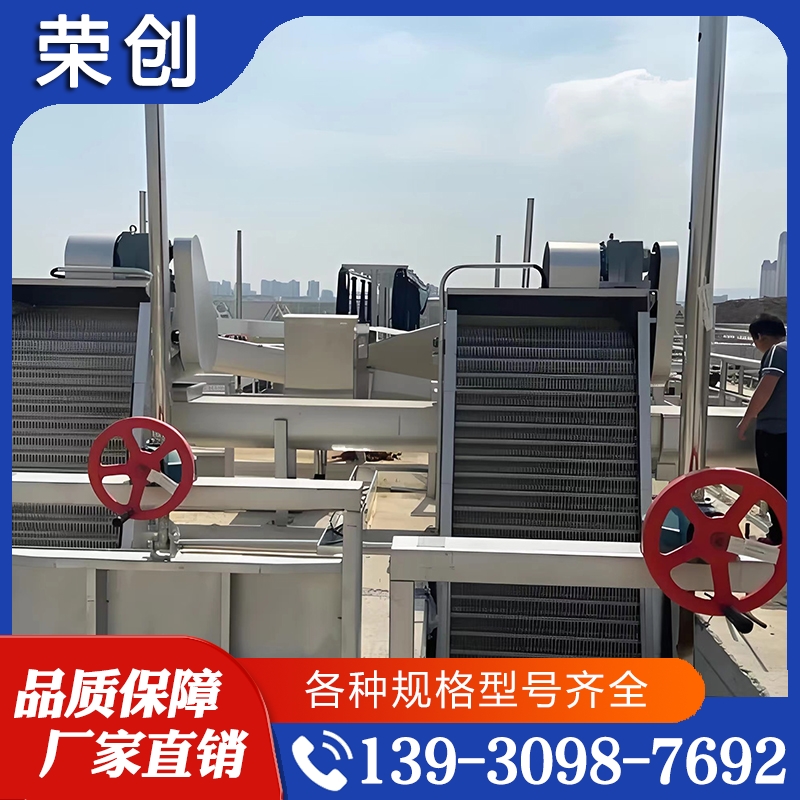









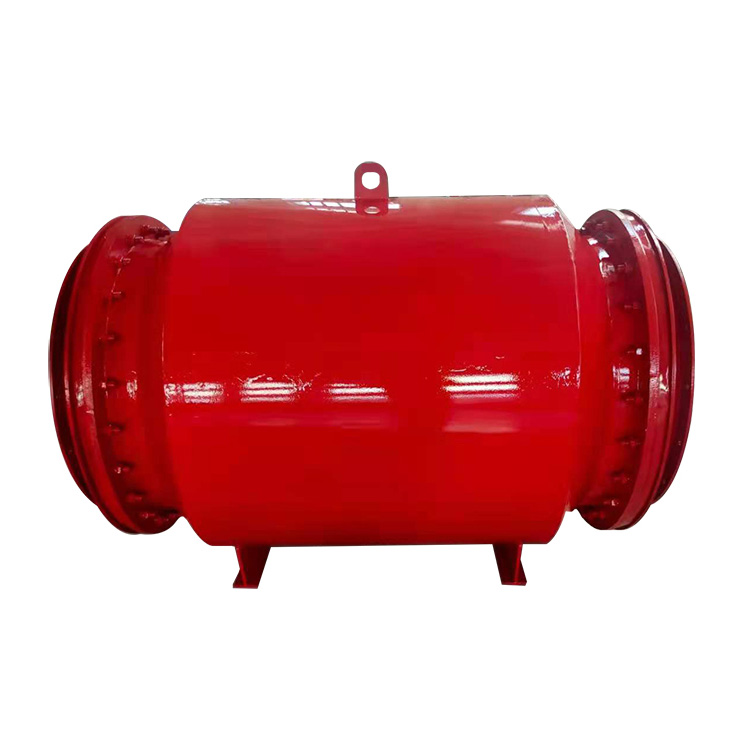
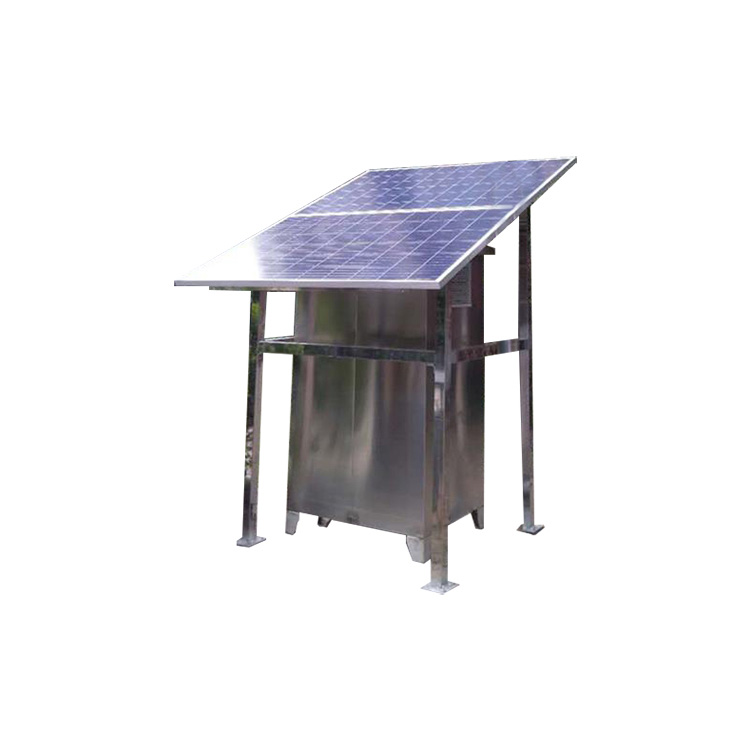
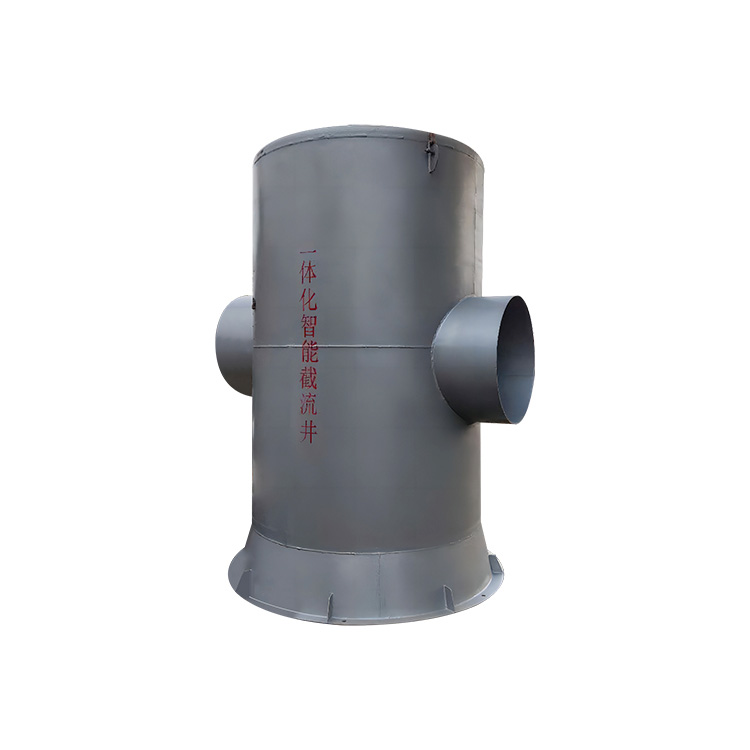

Hydraulic-controlled shut-off well
Product Introduction
The hydraulic-controlled check valve is used in sponge city construction, the treatment of black and smelly water bodies, and intelligent drainage projects for stormwater and sewage separation. It achieves automatic switching and separation of rainwater and sewage within the stormwater pipeline, ensuring that the sewage and a small amount of initial rainwater at the front end of the stormwater pipeline enter the sewage pipeline, preventing the pollution of natural water bodies such as rivers and lakes. At the same time, it avoids a large amount of rainwater entering the sewage pipeline, which reduces the burden on sewage treatment plants. This not only purifies natural water bodies but also conserves resources for sewage treatment, serving as an upgrade and transformation project for sponge city construction, the treatment of black and smelly water bodies, and the purification of natural water bodies.
Primary Components
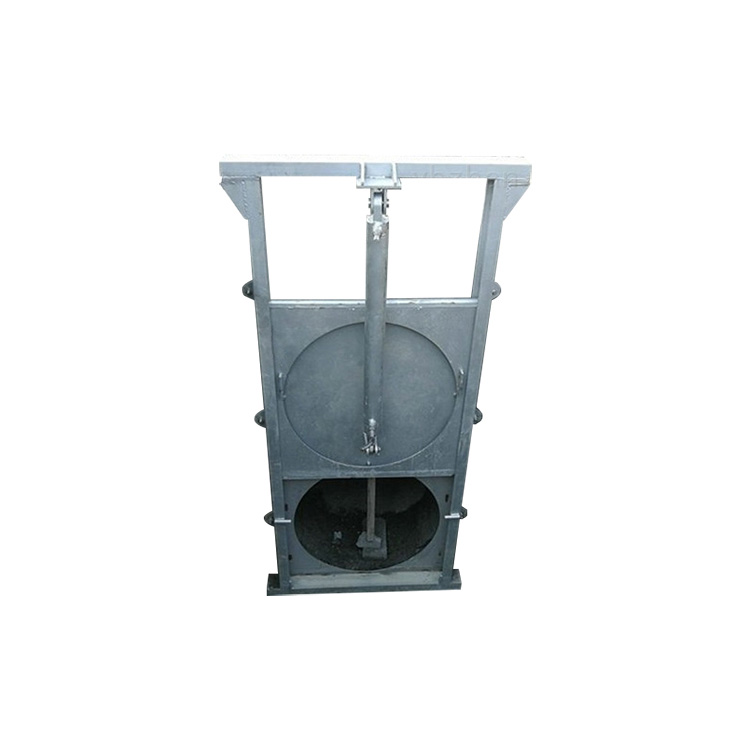
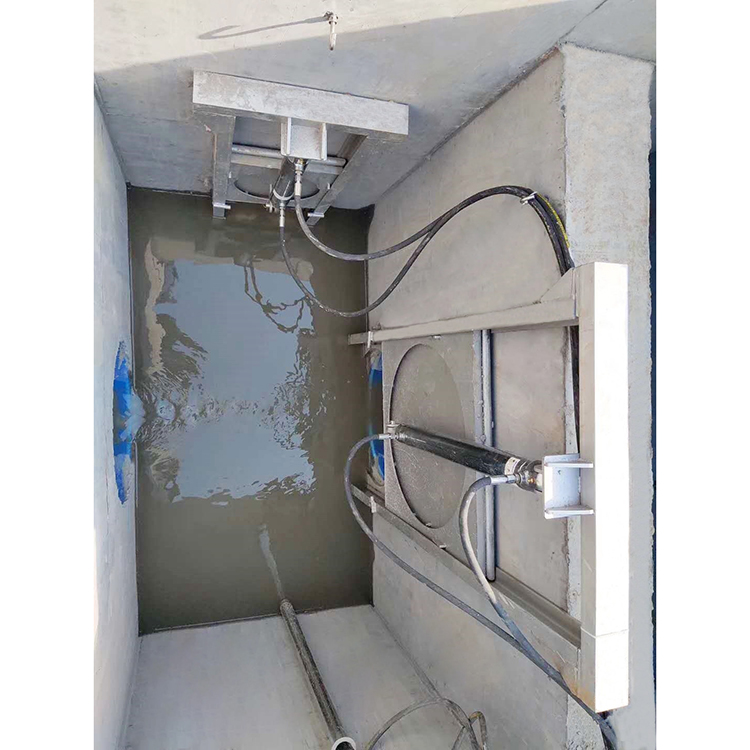
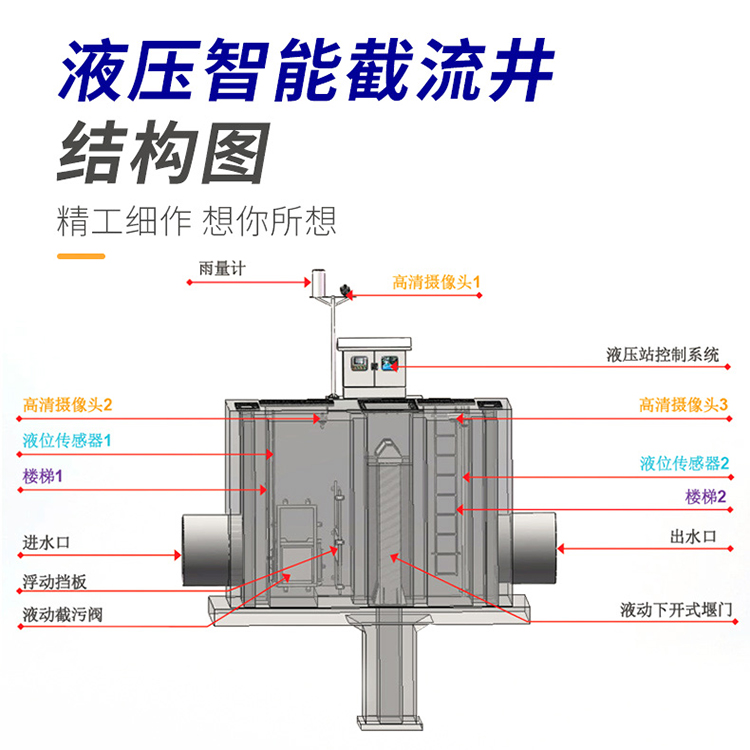
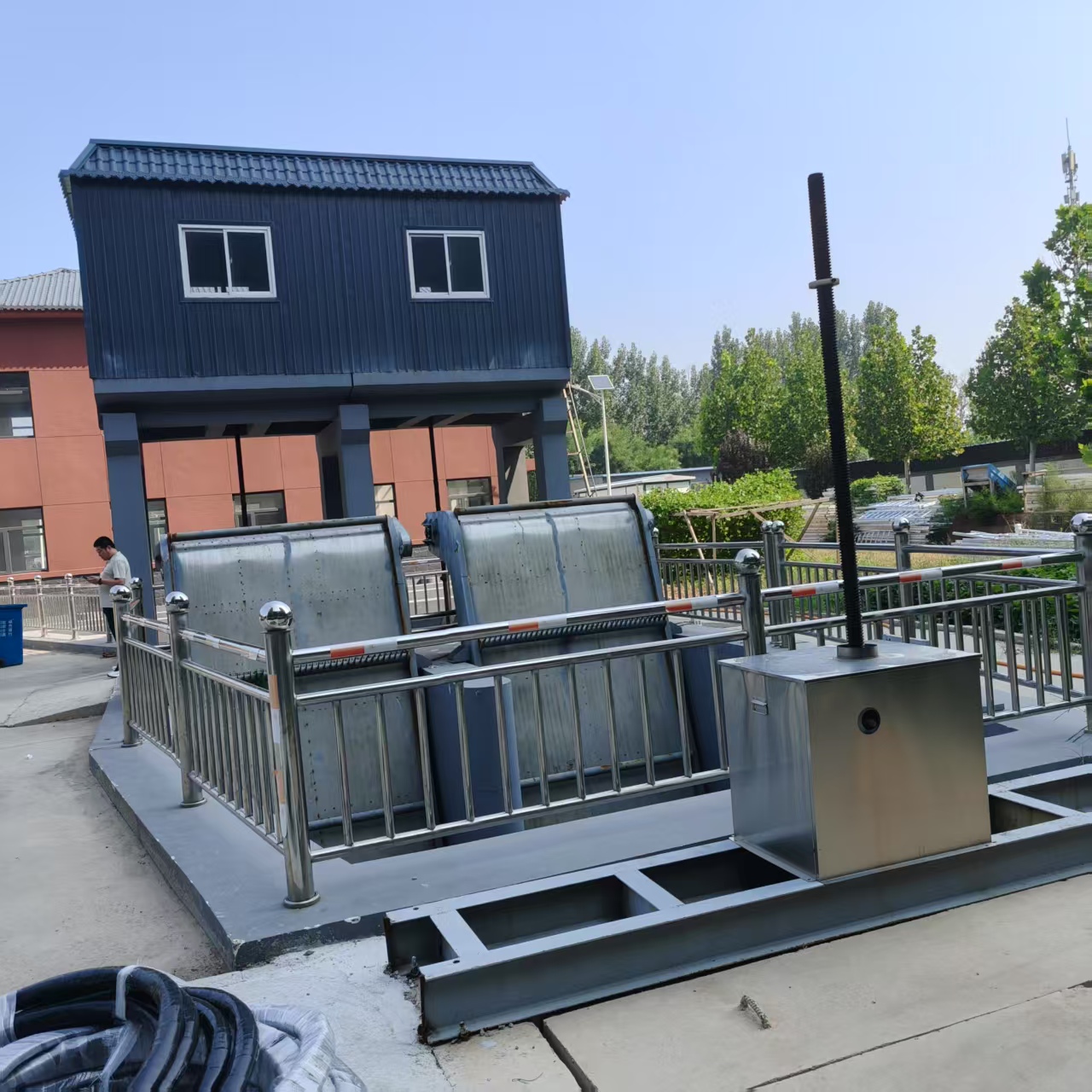
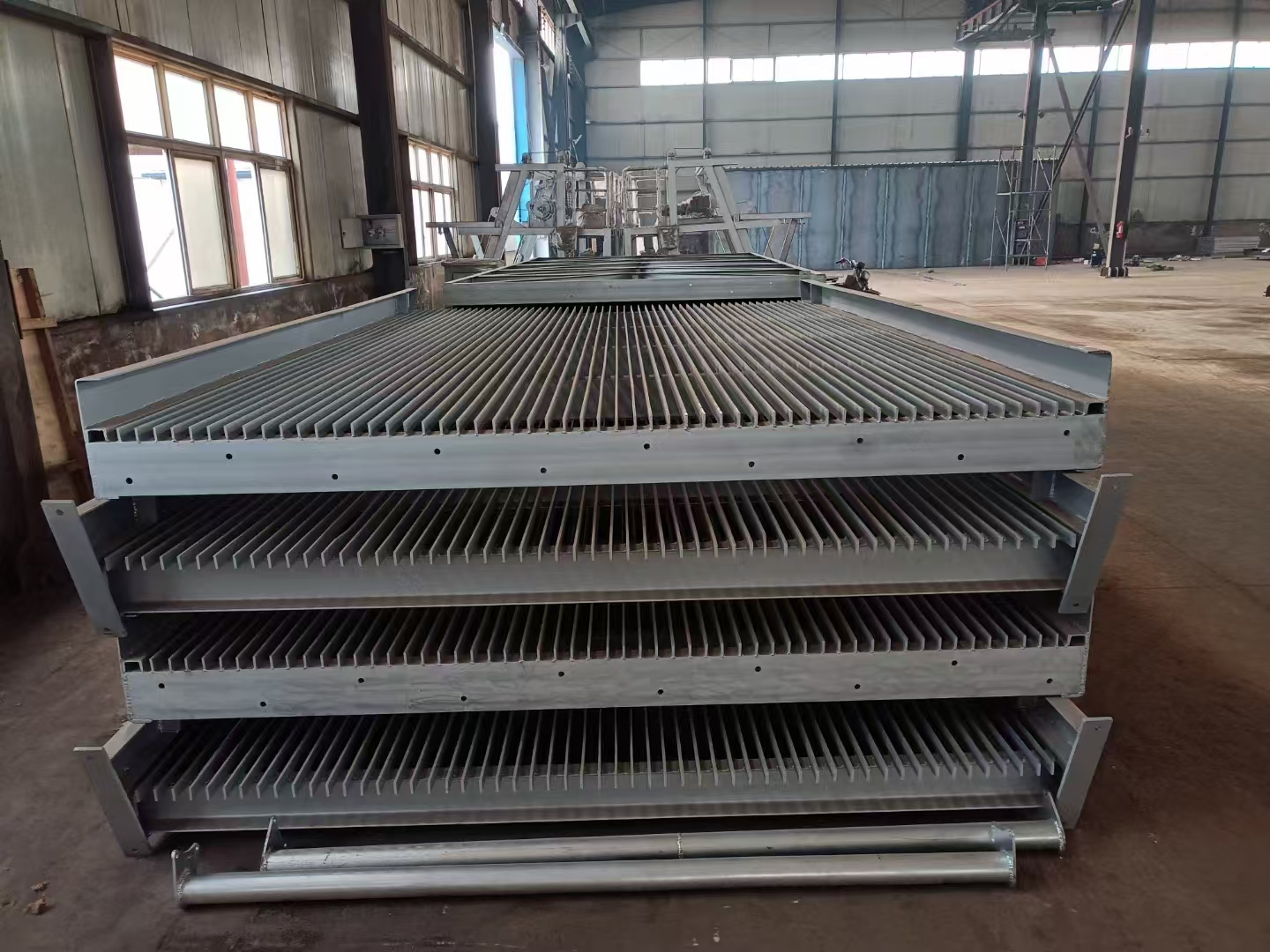
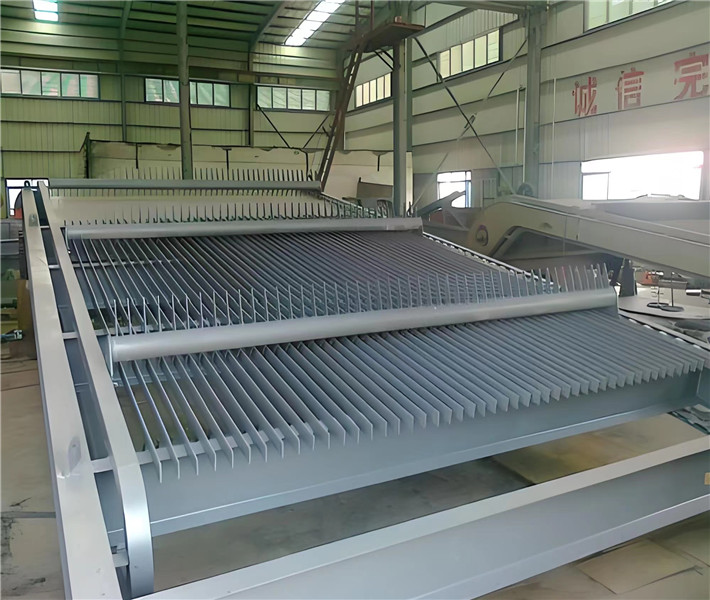
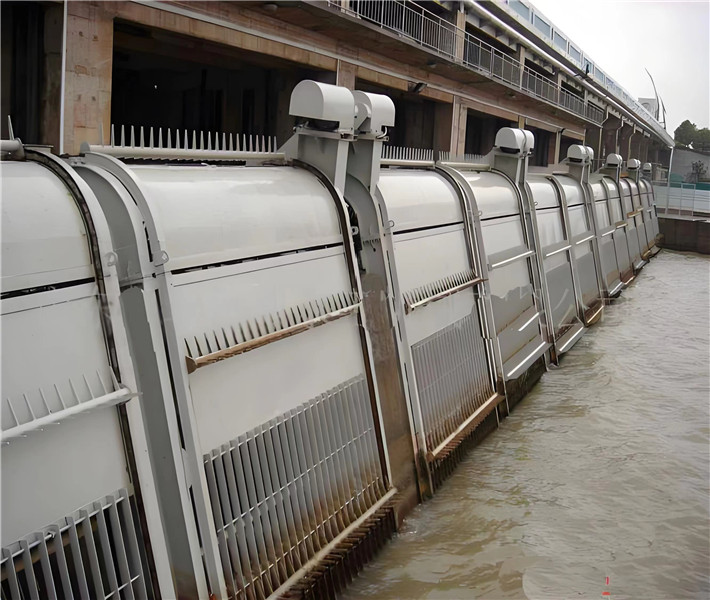
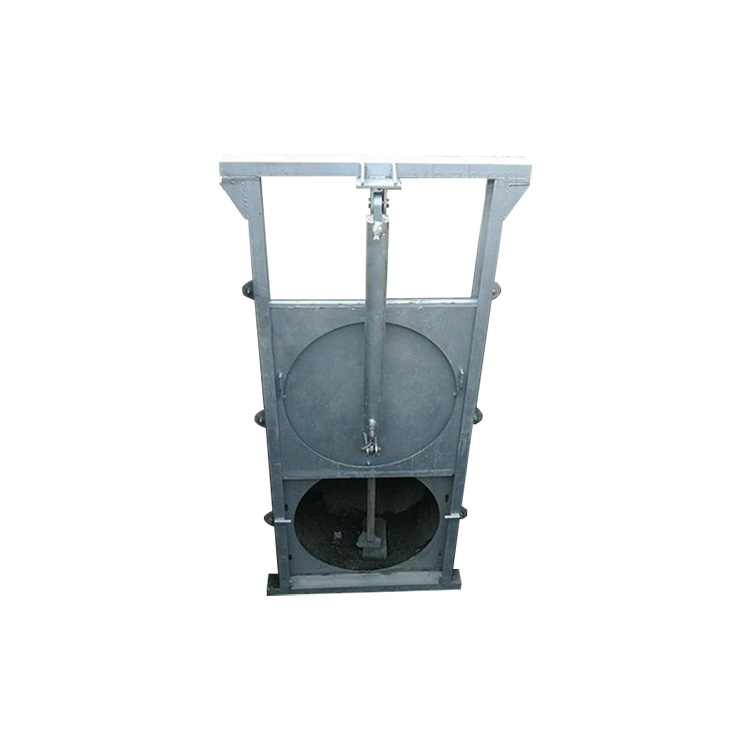
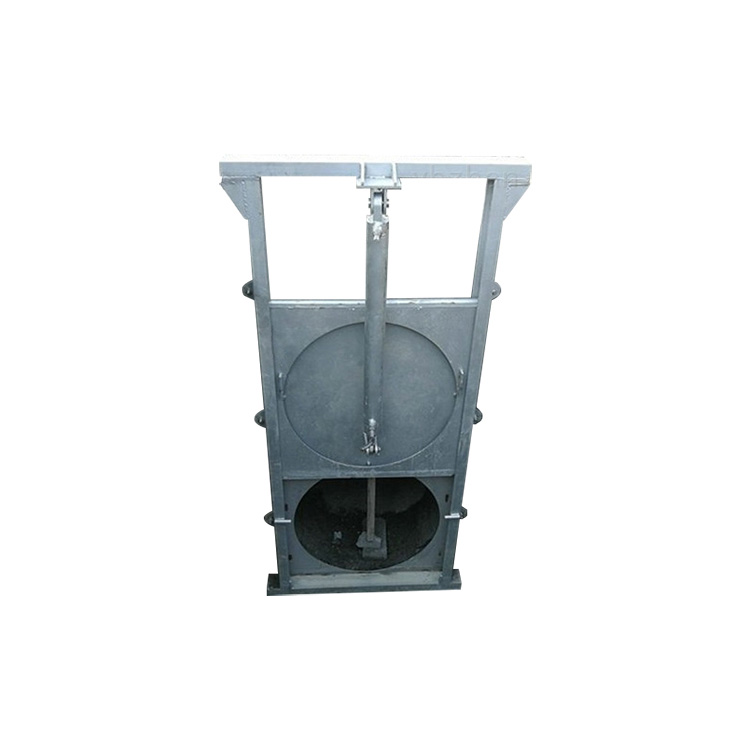
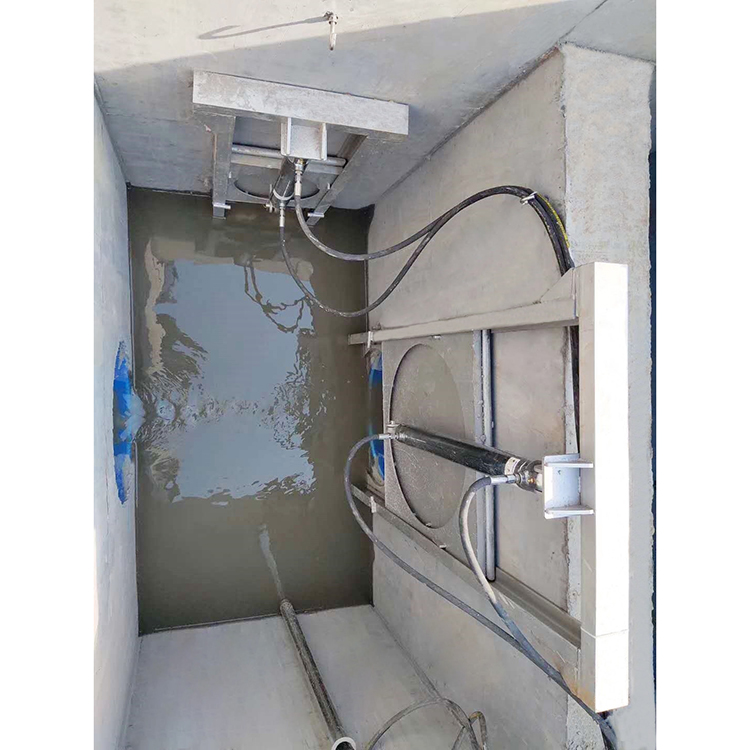
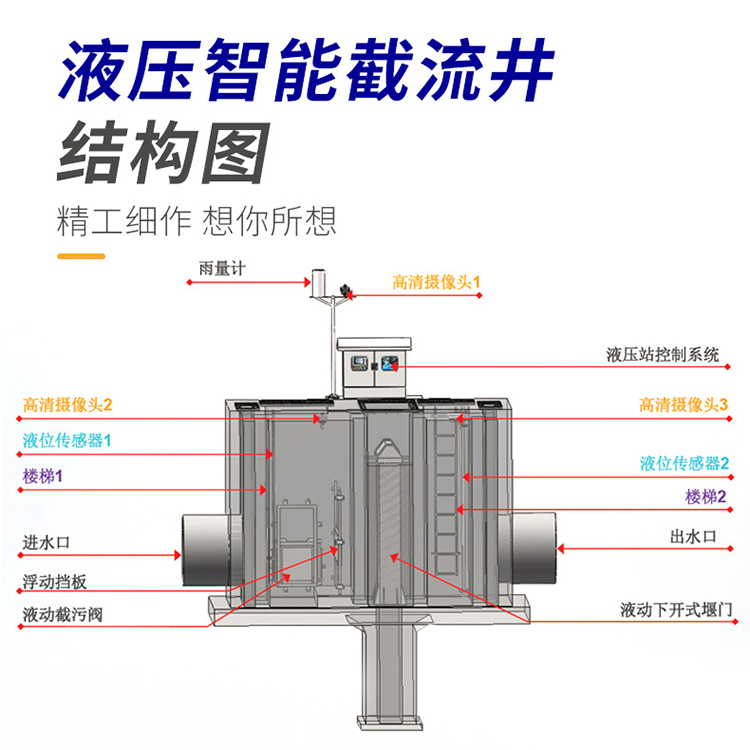
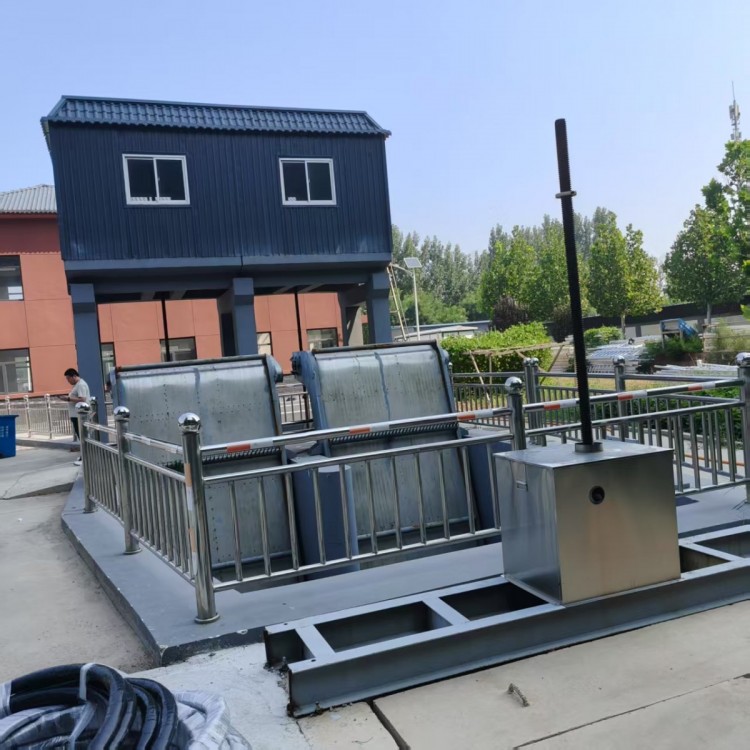
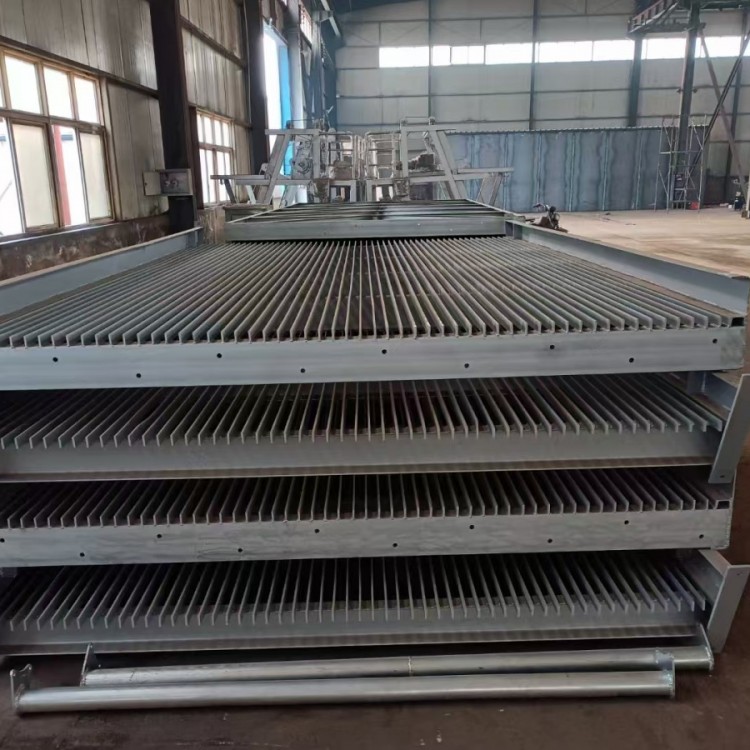
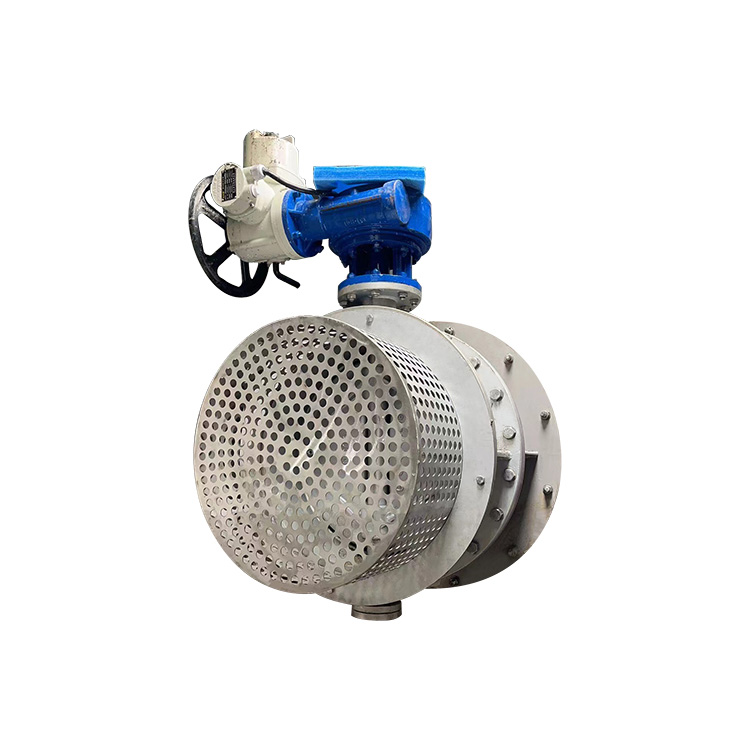
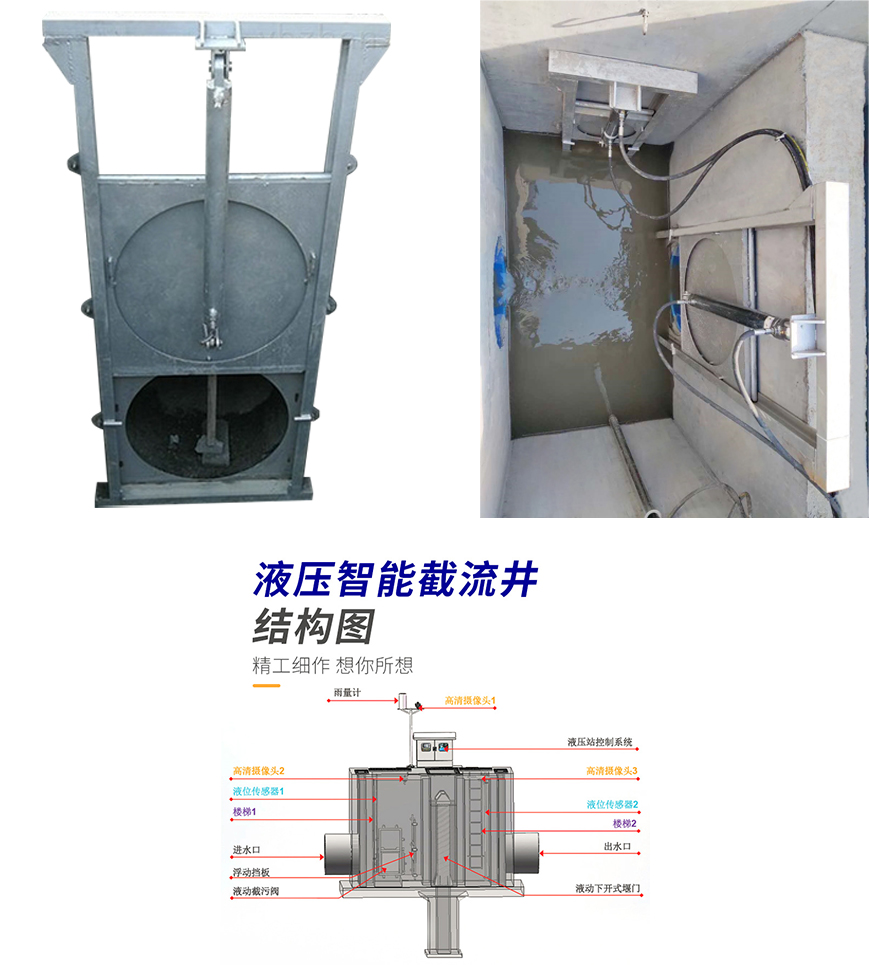
The liquid-controlled check well consists of a steel and concrete structure, equipped with a sewage control gate, rainwater gate, inlet grate, sewage lifting unit, hydraulic control system, pressure sensors, rain gauges, weatherproof control cabinets, and an intelligent cloud monitoring platform. The sewage control gate uses a stainless steel flat flow control gate, while the rainwater gate can be selected between a flat flow control gate, a hydraulic bottom-hinged weir gate, or a hydraulic rotating weir gate, featuring good sealing, hydraulic drive, ample power, and easy operation. In cases where sewage cannot flow freely, an additional sewage lifting unit is selected, utilizing a coupling mechanism. The valves and pipes are made of 304 stainless steel, making installation and maintenance convenient. To prevent pump clogging by debris, a 304 stainless steel lifting basket grate is installed at the inlet, intercepting large debris. The lifting basket is connected with a special coupling hook, which can be lifted along the guide rod for cleaning without entering the well. The monitoring system uses pressure sensors and rain gauges to control the gates, allowing for gate operation based on rainfall intensity or by monitoring the井下 liquid level with the pressure sensor, achieving连锁 control for accurate monitoring. The control system employs an intelligent cloud platform for remote operation and monitoring, enabling unattended operation and multi-point monitoring control.
Operating Principle
On sunny days, the interception gate is open, while the stormwater gate remains closed. Part of the wastewater flows into the sewage pipeline via the interception port, or it is pumped up into the sewage pipeline using the pumping equipment, ensuring zero direct discharge of wastewater during sunny weather.
During rainfall, the initial surface runoff is quite polluted and can contaminate river water. By using a rain gauge to determine the amount of rainfall or a water level sensor to detect the well's water level, delay the opening of the interception and stormwater gates to ensure that the polluted initial runoff enters the sewage pipes.
During the latter stages of rainfall, the water is relatively clean. When the water level in the well is detected to be above the set level by the hydraulic sensor, close the influent gate and open the stormwater gate to allow the rainwater to drain into the river channel. Once the rainfall stops and the water level in the well drops, when it reaches the set low level, open the influent gate and close the stormwater gate to restore to the initial state.
The automated system utilizes a professional SCADA system, which may enable the following functions:
(1) Remote viewing of equipment operating parameters and status, assisting customers in checking equipment performance at any time.
(2) Continuously monitor and receive equipment alarm notifications, promptly grasp the status and cause of equipment malfunctions.
(3) Offers remote upload, download, and debugging capabilities for PLC programs, eliminating the need for on-site travel, thereby reducing travel expenses.
(4) Ability to save and view historical data for tracking the device's past operational status.
(5) Real-time footage can be monitored via the camera, allowing for constant oversight of the on-site situation.