









Flexible Pneumatic Cut-Off Device

Product Introduction
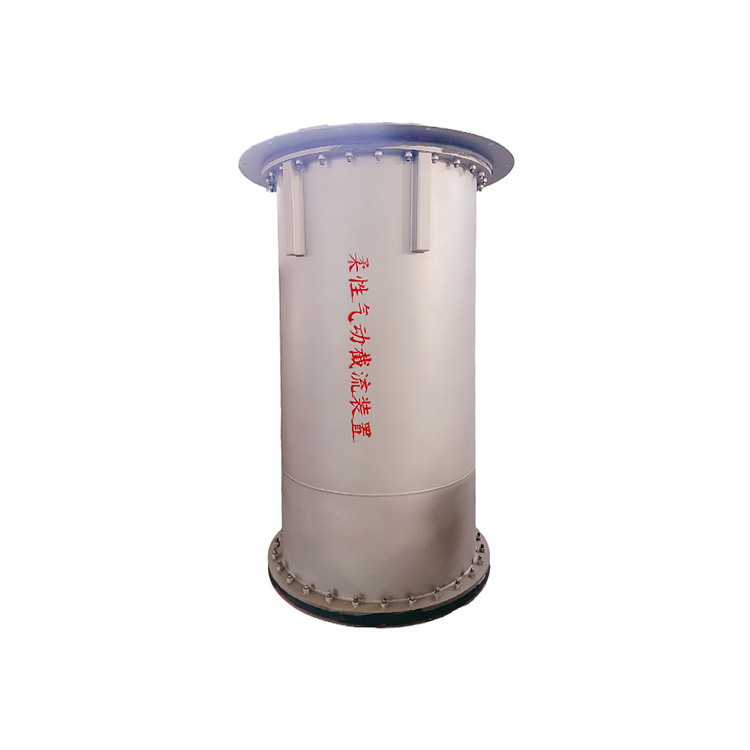
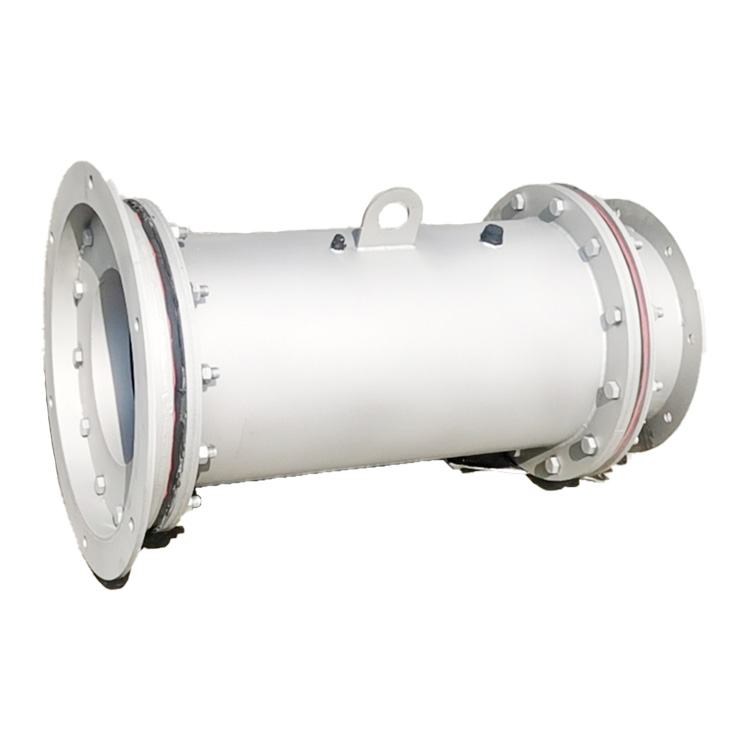
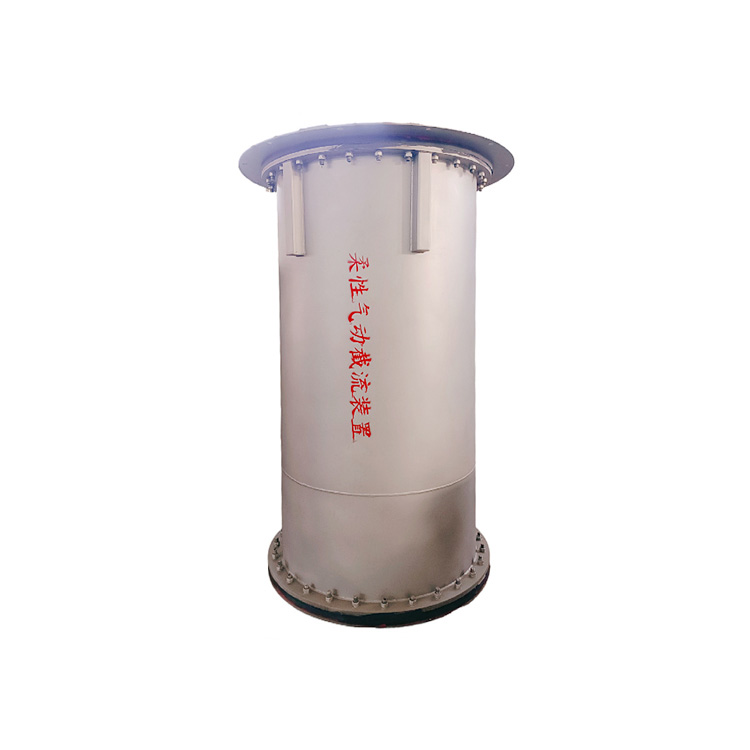
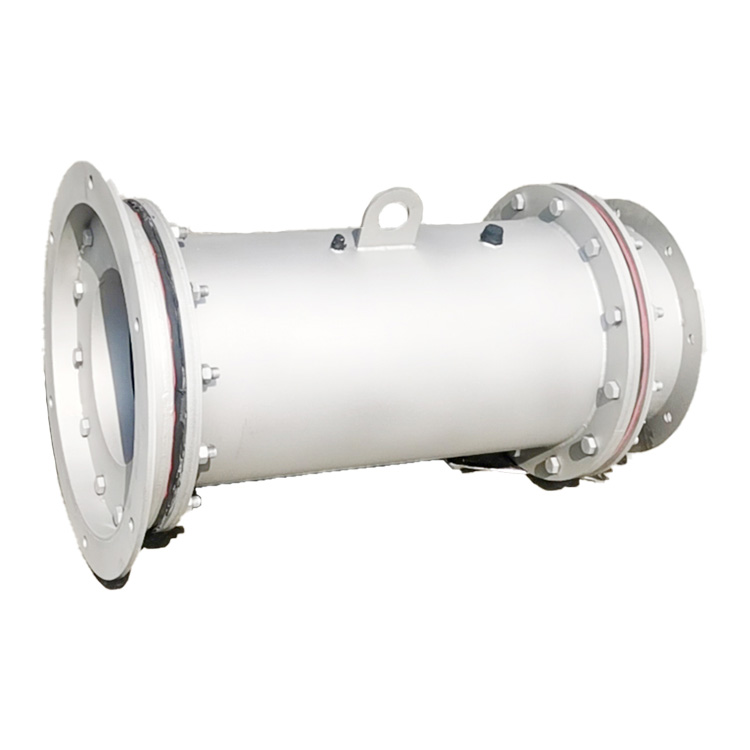
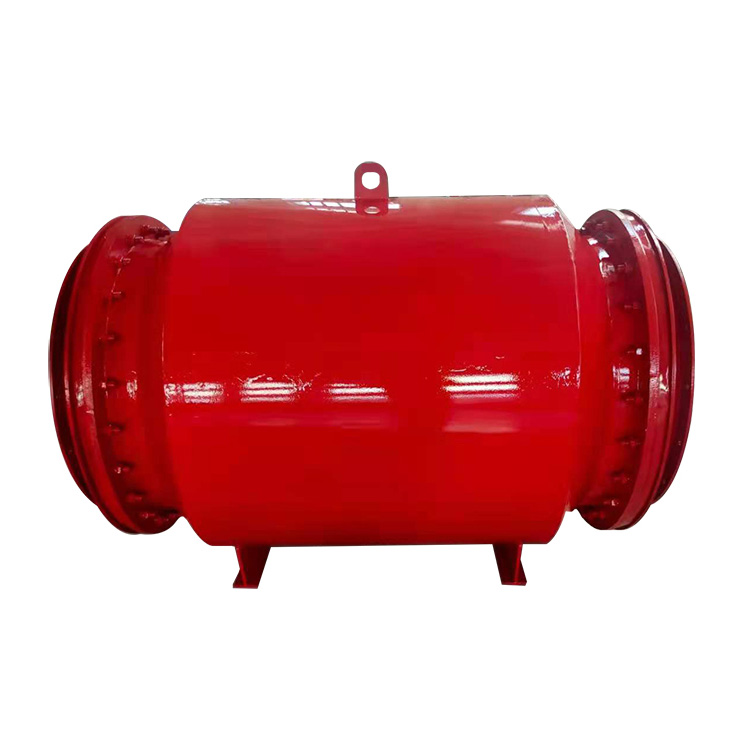
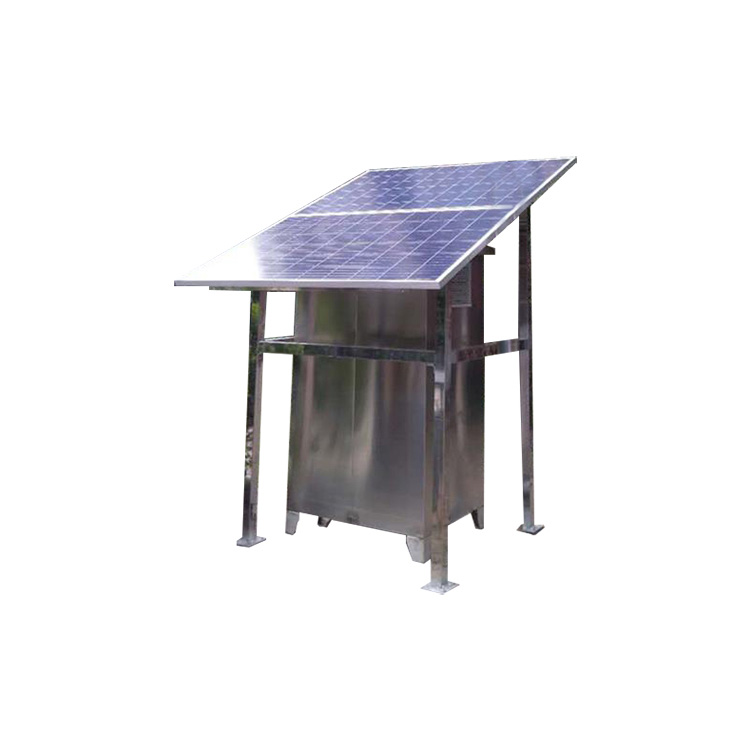
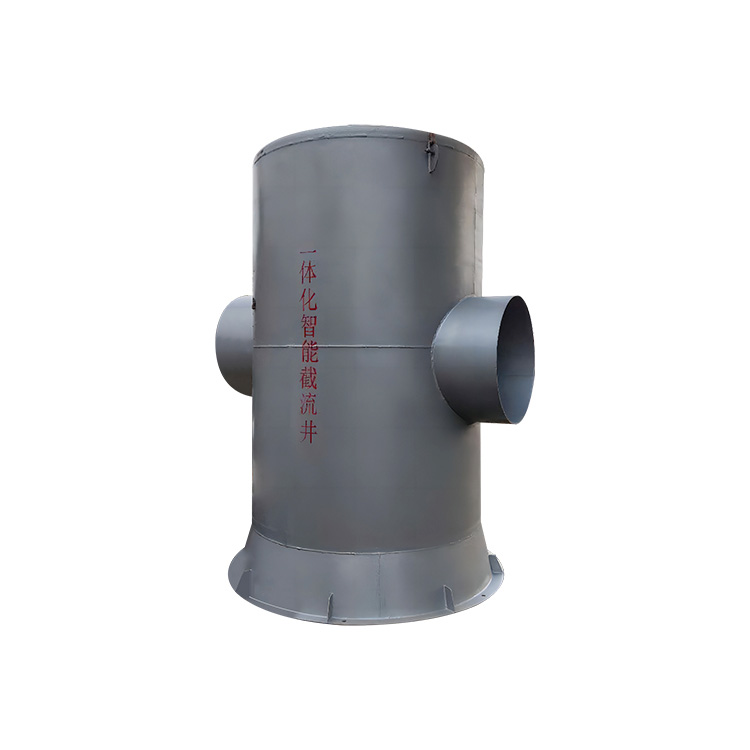
The pneumatic flexible cutoff device consists of a valve body, a balance bracket, and a diaphragm bag, and is accompanied by a gas station, control cabinet, SCADA system, rainfall gauge, camera, and liquid level sensor. It is used for intercepting stormwater or sewage pipelines, replacing the traditional flat sluice gate function. It is a new product developed for the treatment of black and odorous water bodies and source control and interception projects. It is a cutoff device for drainage systems, which is easy to control, has a simple structure, occupies less land area, and is easy to install and maintain. The rubber is resistant to aging, ensuring a long service life.
The main body of the insertable flexible flow control device is made of synthetic rubber through special processing, featuring an inner and outer double-layer structure with a hollow cavity for sealing. The inner layer is pressure and wear-resistant, easy to stretch, while the outer layer is pressure-resistant, expandable, and non-deformable, suitable for direct insertion pipeline installation. It is equipped with an air station, control cabinet, solenoid valve, pressure sensor, and level gauge. The air cavity in the middle of the capsule is inflated or deflated to complete the closing and opening action of the insertable flexible device. The level gauge detects the water levels on both sides of the pipeline flexible device. When it is necessary to control the flow, an air compressor fills compressed air into the cavity, causing the rubber to deform and close. When floodwater needs to be released, the valve of the inflatable ball is opened, and the rubber inner tube returns to its original shape. Under the water head pressure, the rubber returns faster.
Working Principle
The valve body and diaphragm sleeve are connected by flanges, forming a sealed gas cavity between the valve body and the inner cylinder. The valve body features an inlet and an outlet. The diaphragm sleeve is made of special rubber composite, offering not only elasticity, toughness, and extensibility but also resistance to wear, acidity, and alkalinity. When compressed air is introduced into the gas cavity, the gas pressure causes the diaphragm sleeve to tighten inward, closing the shutoff channel. Upon releasing pressurized gas from the gas cavity, the diaphragm sleeve returns to its original shape, opening the shutoff channel.
Product Features
1. The diaphragm bag is straight, without contraction, no accumulation, no dead corners, and is not prone to clogging or lumping, thereby reducing pressure and friction losses.
2. Since the working medium only contacts the diaphragm bag, the valve body is made of 304 or 316 material, allowing the product to ideally control a variety of working media.
3. Simple structure for quick disassembly and maintenance; rubber replacement can be completed on-site and within a short time.
4. Horizontal installation, saving well height space, occupying no surface area.
No modification to pipeline structure: Utilizes a unique plug-in design for installation and use without altering the existing pipeline.
No Clogging: Strong anti-tangling and anti-clogging capability ensures that debris like tangles and floatables in the pipes will not block the equipment. Post-installation in the well, the flow path and pipes are perfectly consistent with no water head loss.
Minimal space usage: Equipment installation does not occupy height space above and below, and does not protrude above ground. Utilizes overall flexible sealing with a large sealing surface, achieving zero leakage.
Simple structure: No failure occurs even when working in a sewage environment for extended periods.
Unaffected by external factors: Even in the event of flooding in the community, the flexible diversion well will continue to operate normally.
Ease of Maintenance: Simple and convenient installation, maintenance, and care with long service life.
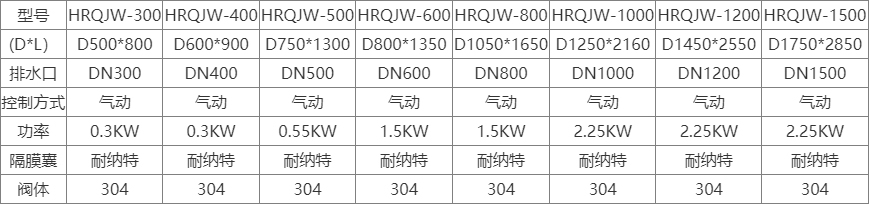
Performance Parameters