











Wireless Temperature Measurement Master Unit
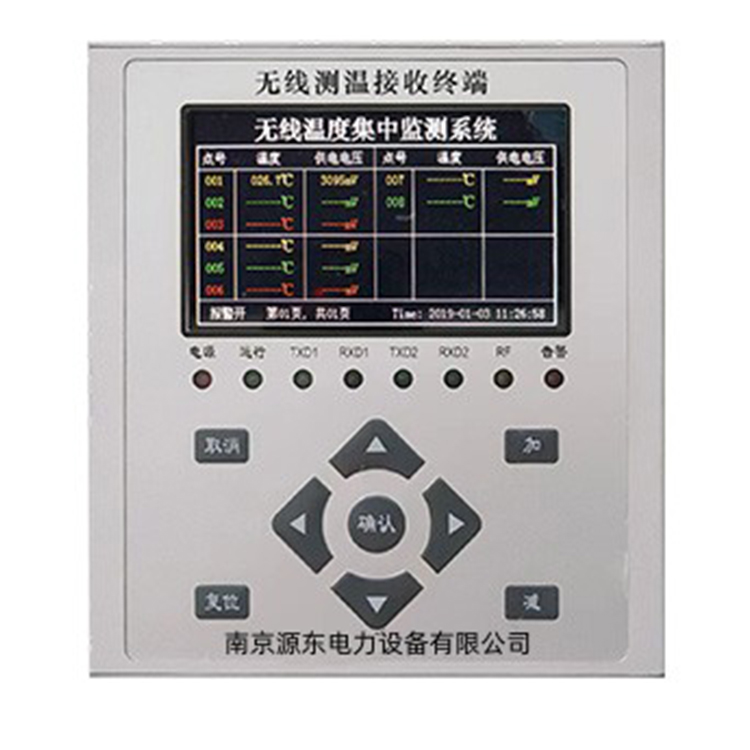
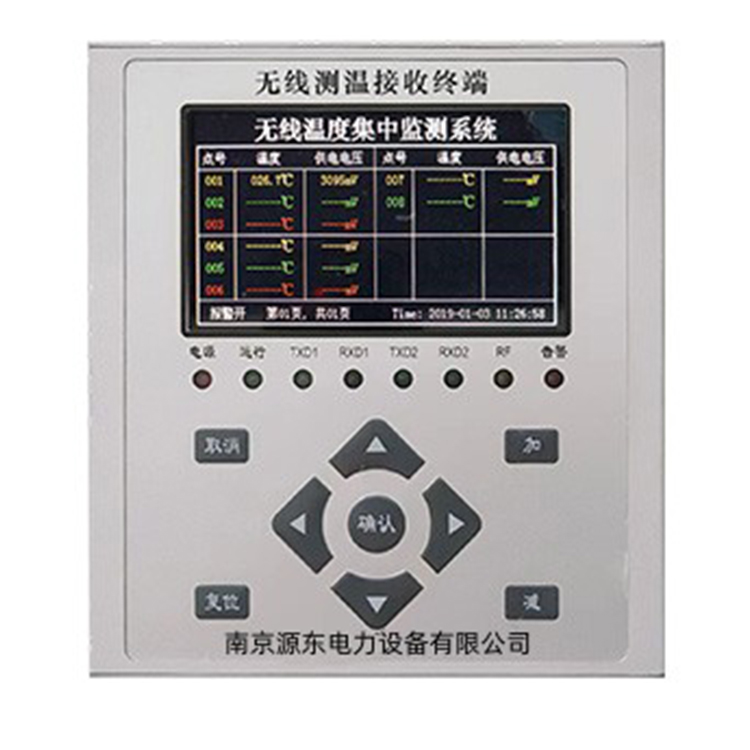
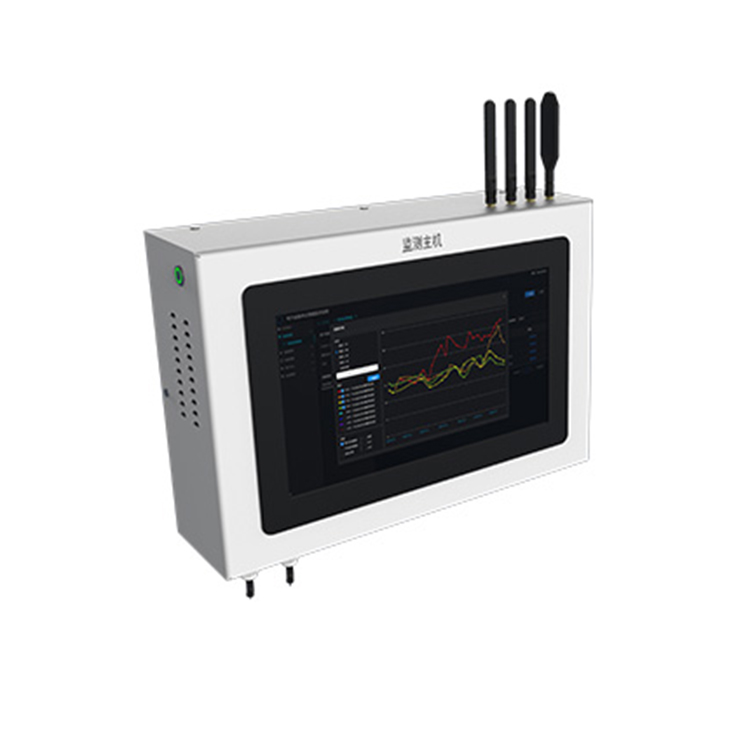
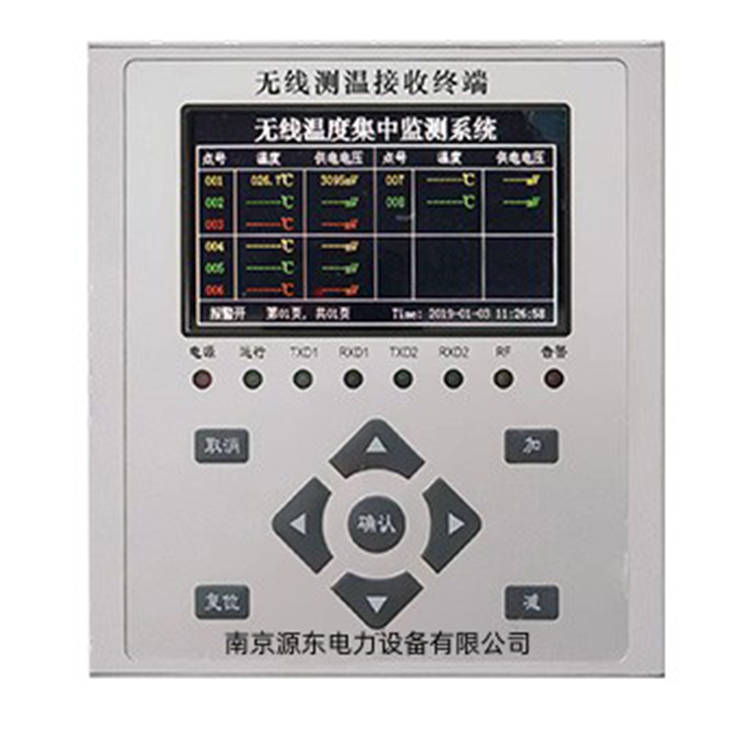
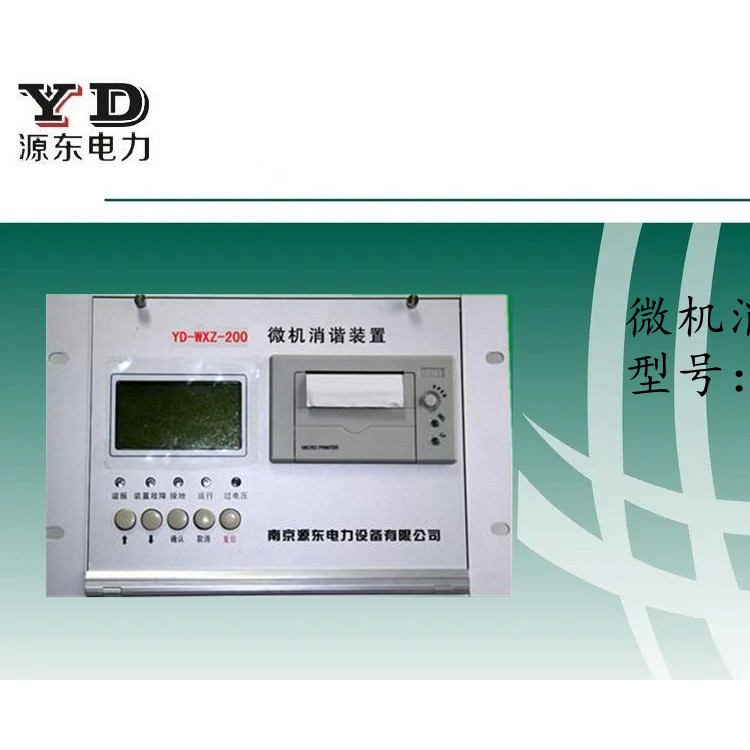
The single-chip microprocessor controlled by the wireless temperature sensor converts the temperature of the measured device into a digital signal, which is then transmitted to the receiver via the wireless transmitter-receiver module. The microprocessor displays the collected temperature information on an LCD screen and uploads it to a PC or mobile device for real-time monitoring through a 485 communication module. Multiple wireless temperature sensors can be distributed within a straight-line distance of 300 meters from the receiver, allowing for the flexible addition, deletion, or movement of temperature measurement terminals within the effective communication range. The control center's computer software monitors the temperature changes of each point in real-time. The temperature monitoring computer collects operational temperature data from the temperature measurement communication terminals, stores it long-term in a database, and displays the temperature change curves of monitoring points in real-time, performing analysis. Immediate alerts are triggered if the temperature overheats or rapidly rises to the set alarm temperature, enabling remote monitoring of the entire system's thermal condition without leaving home.
The monitoring system is primarily composed of three parts: the perception layer, the network layer, and the platform layer.。
The perception layer is further divided into two parts: the sensor layer and the monitoring receiver.
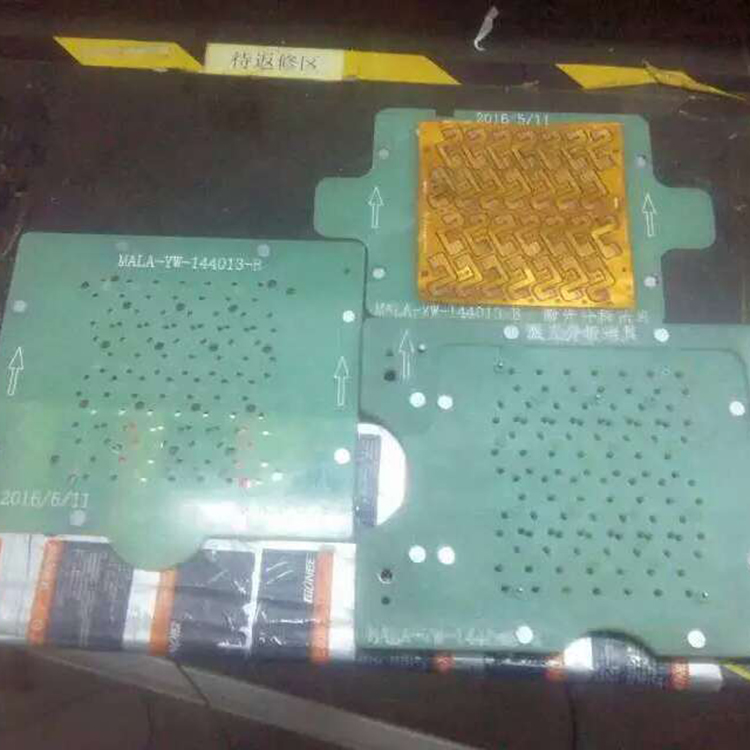
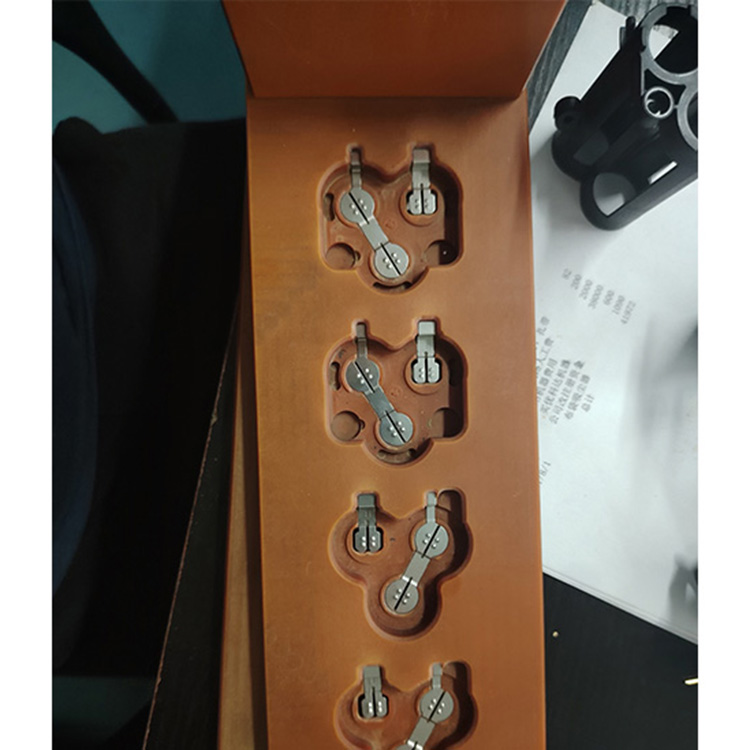
Ø The temperature sensor collects the node temperature inside the cabinet and uploads the data to the monitoring receiver via wireless transmission.
Ø Monitor receiver for aggregation, edge computing, and uploading of passive wireless temperature sensor data in switch rooms.
The network layer is composed of devices such as access controllers and access gateways, designed to facilitate wide-area data transmission between the perception layer and the platform layer. The network layer typically employs mature technologies like power wireless private networks, power APN channels, and power fiber networks, providing high-reliability, high-security, and high-bandwidth data transmission channels.
The platform layer is used for managing, coordinating, and monitoring passive wireless temperature sensors and monitoring receivers, as well as for displaying, storing, and managing monitoring data. It has certain data analysis and diagnostic functions, and actively pushes warning messages after detecting abnormal signals.