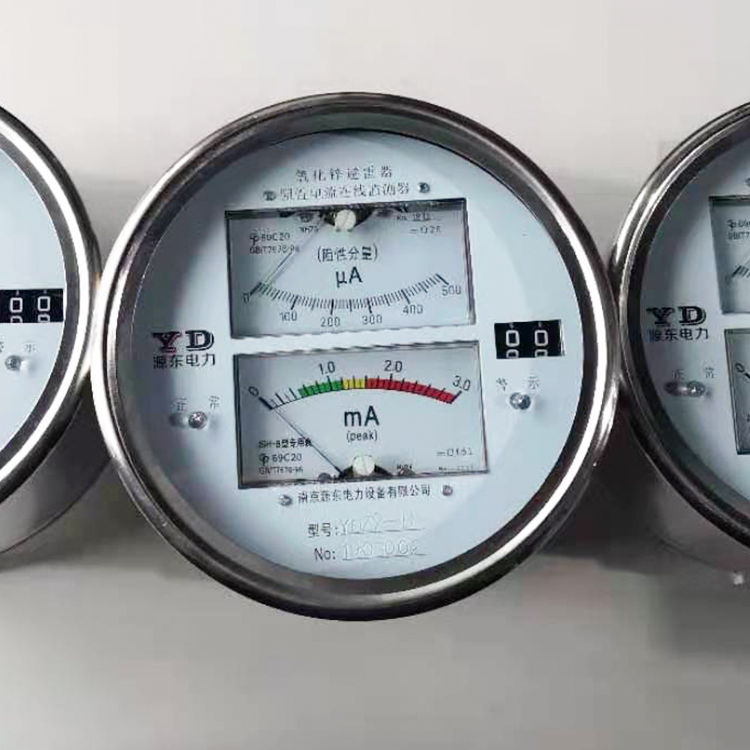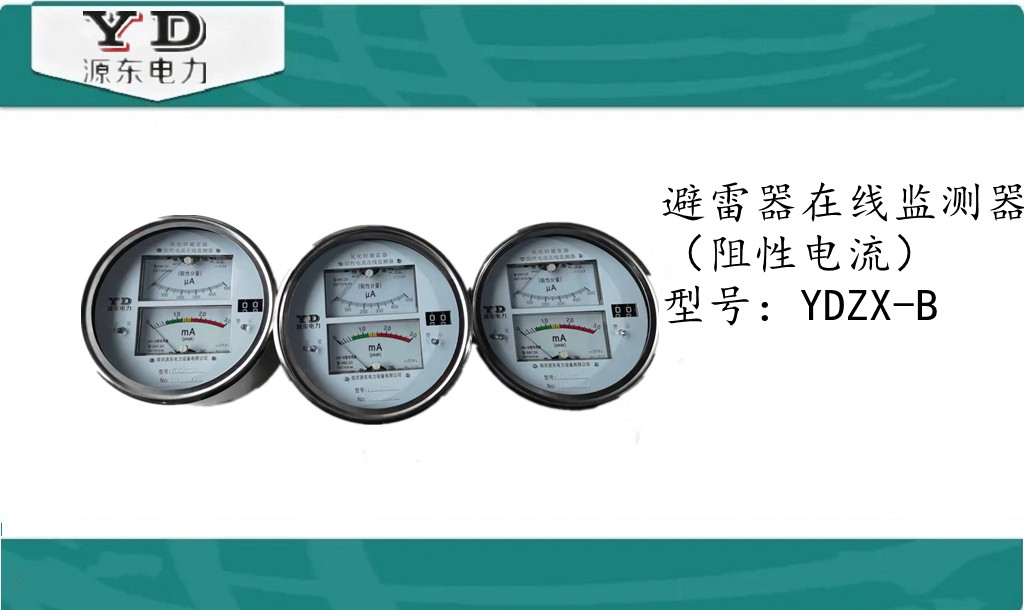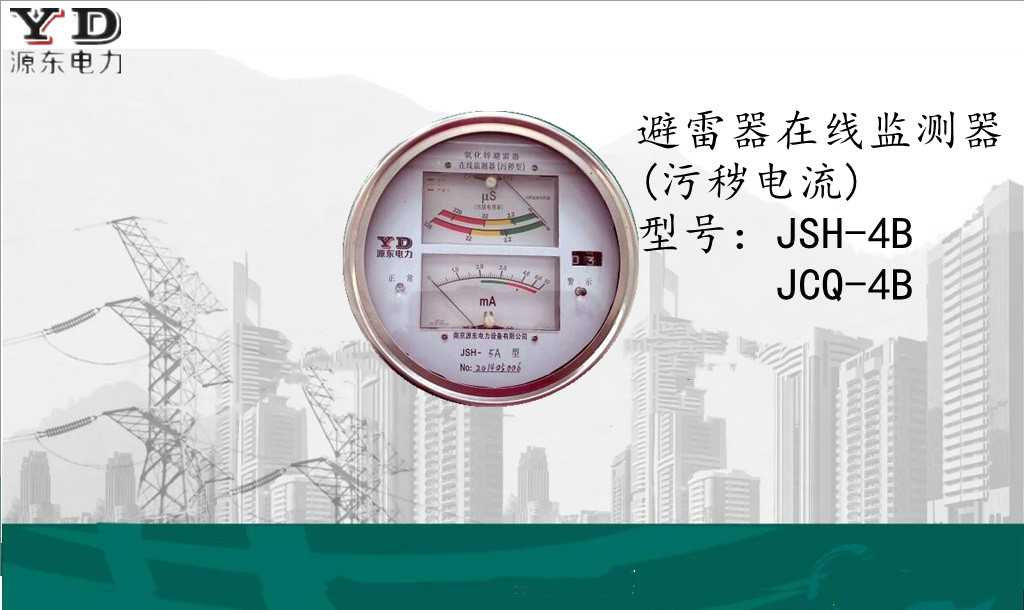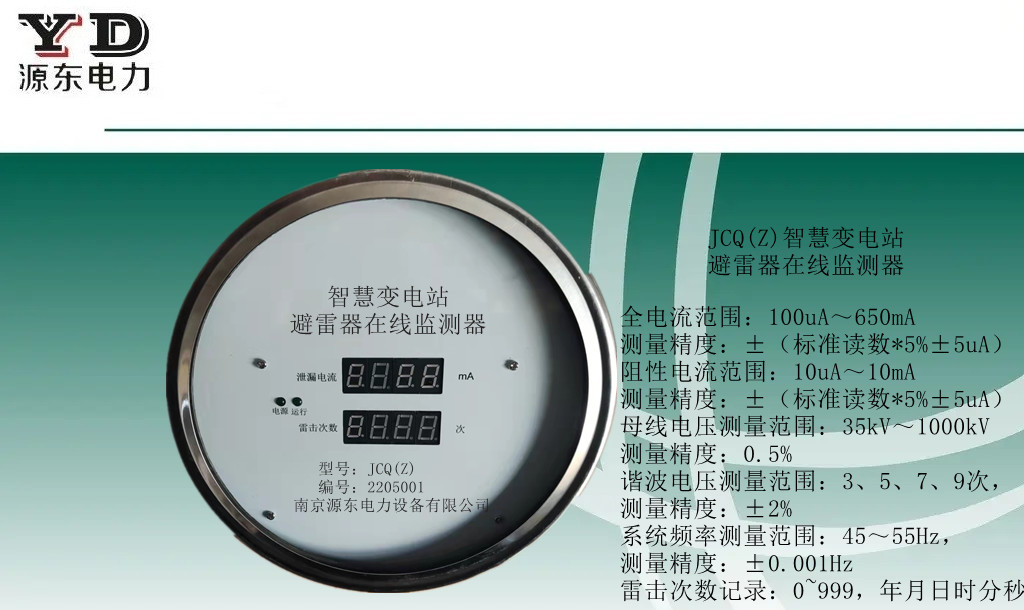

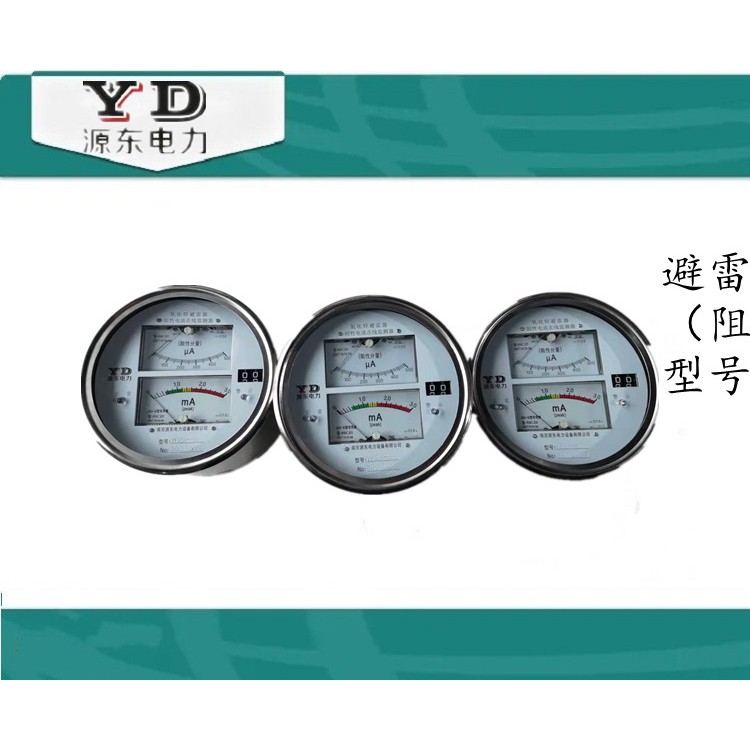

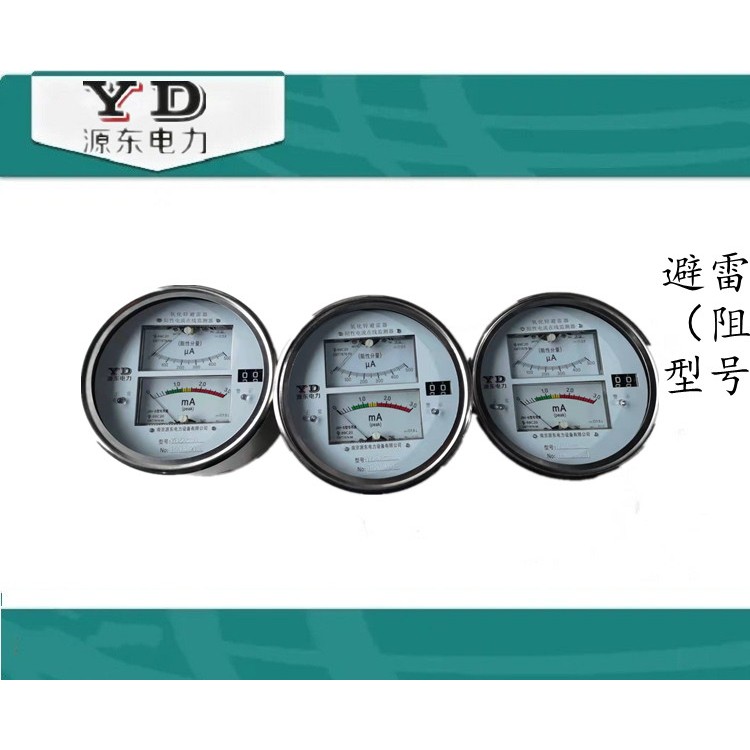
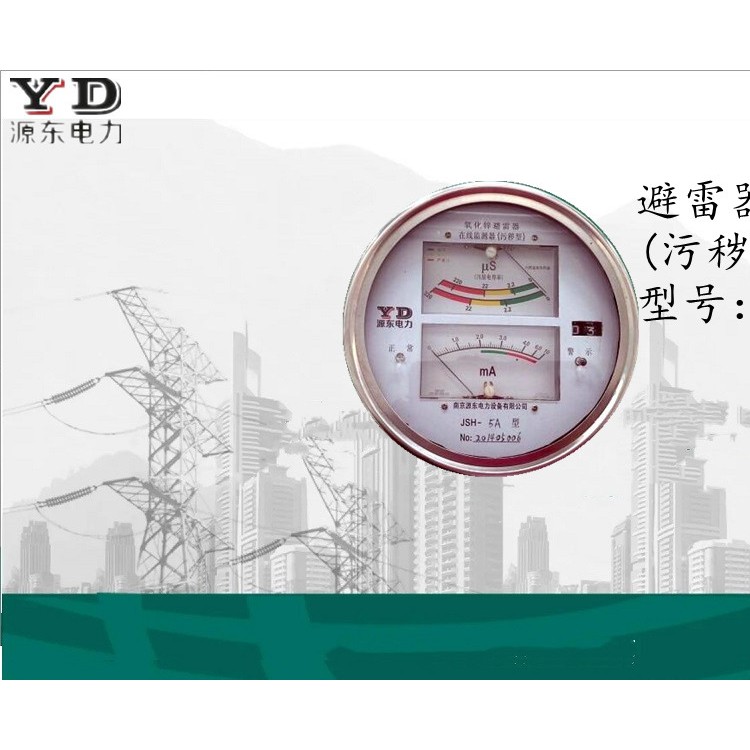









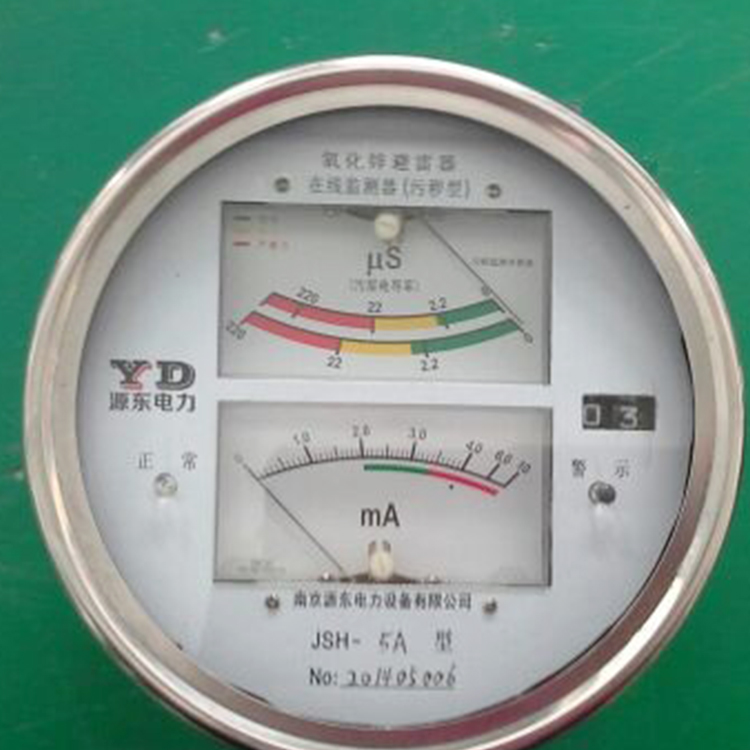

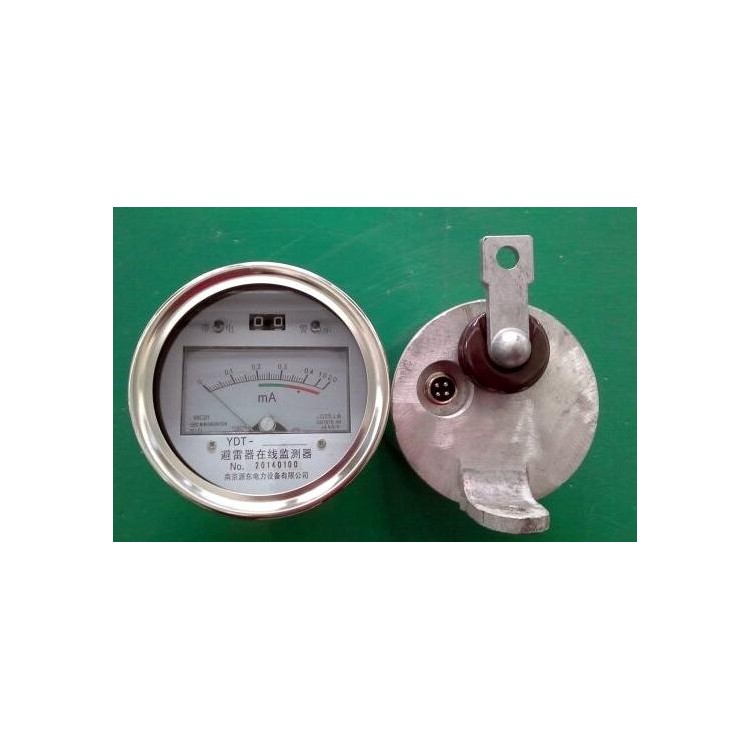
When the surge arrester is in operation, the leakage current (total current) of a complete MOA can be divided into three parts: capacitive current generated by the zinc oxide disc (rod), non-linear resistive current generated by the zinc oxide disc (rod), and current generated by the surge arrester's insulation joint. Under normal conditions, the resistive current component in the total current is relatively small; therefore, an increase in resistive current has a minimal impact on the total current. Monitoring the total current is not very sensitive to changes in resistive current. To monitor the non-linear resistive characteristics of the disc, it is advisable to directly monitor the resistive current.
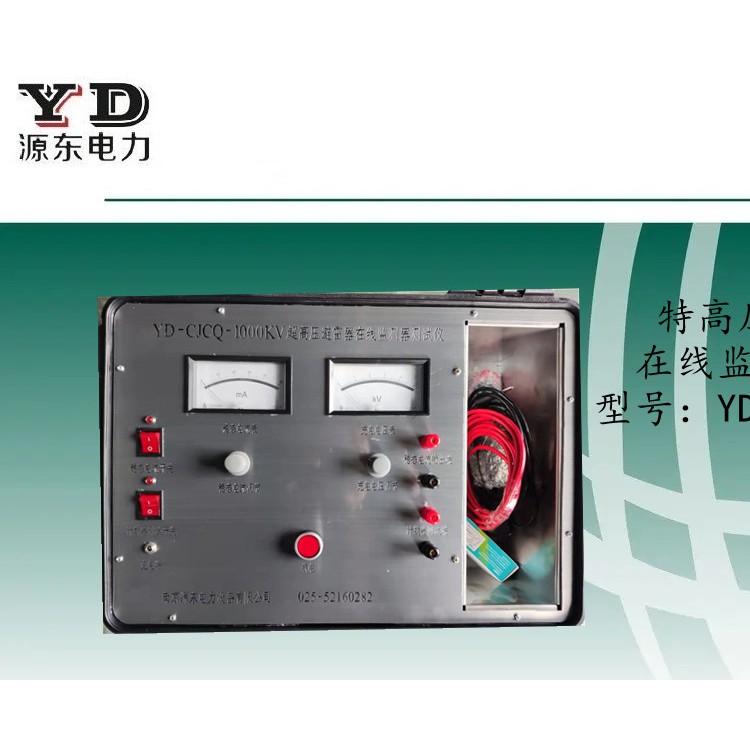
Currently, the main methods for testing MOA include periodic power outage pre-tests and online live testing and monitoring. Periodic preventive tests are generally conducted during power outages and are a widely used detection method in the power system. Currently, the main test items for periodic preventive tests are the measurement of the reference voltage U1mA under 1mA of lightning arrester and the leakage current at 75% of U1mA. The advantage of this testing method is that the measurement results are relatively accurate and reliable, but the drawback is that the lightning arrester must be tested without power, which is a cumbersome process that affects normal power supply and consumes time and effort. Therefore, in response to actual needs, online live testing methods have emerged. By measuring the resistive current using the third harmonic under no power outage, it is possible to continuously monitor the operating performance of the MOA, promptly detect abnormal phenomena and potential accidents, and take effective preventive measures to prevent accidents from occurring or escalating, thus avoiding greater economic losses. MOA online live testing has become an important research topic among peers at home and abroad in recent years, and further breakthroughs in its research results will undoubtedly have a profound impact on the safe operation of the power system.