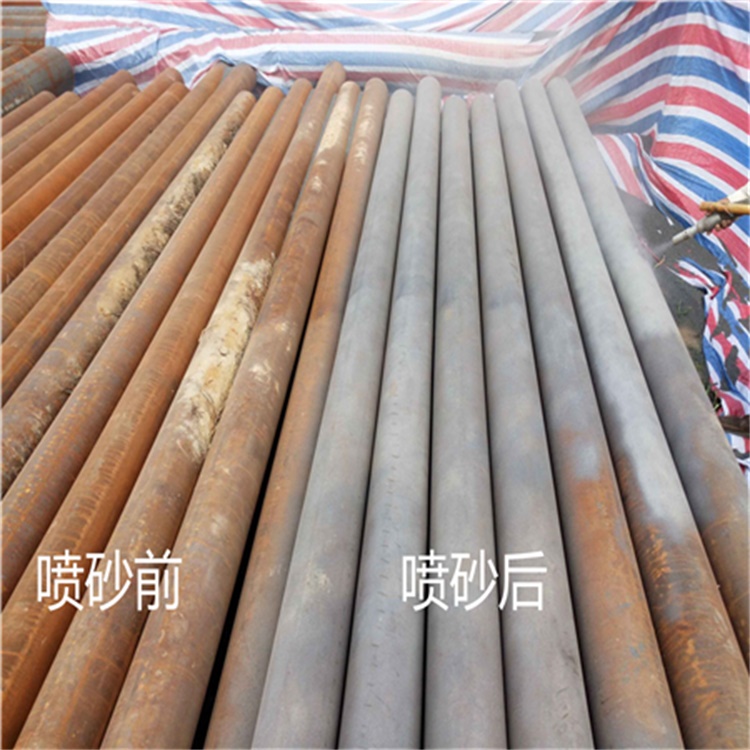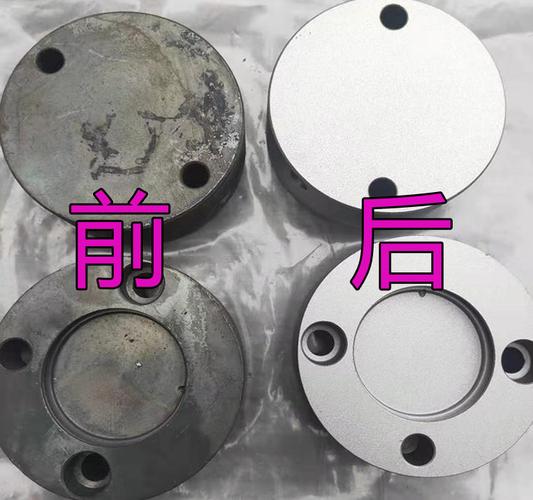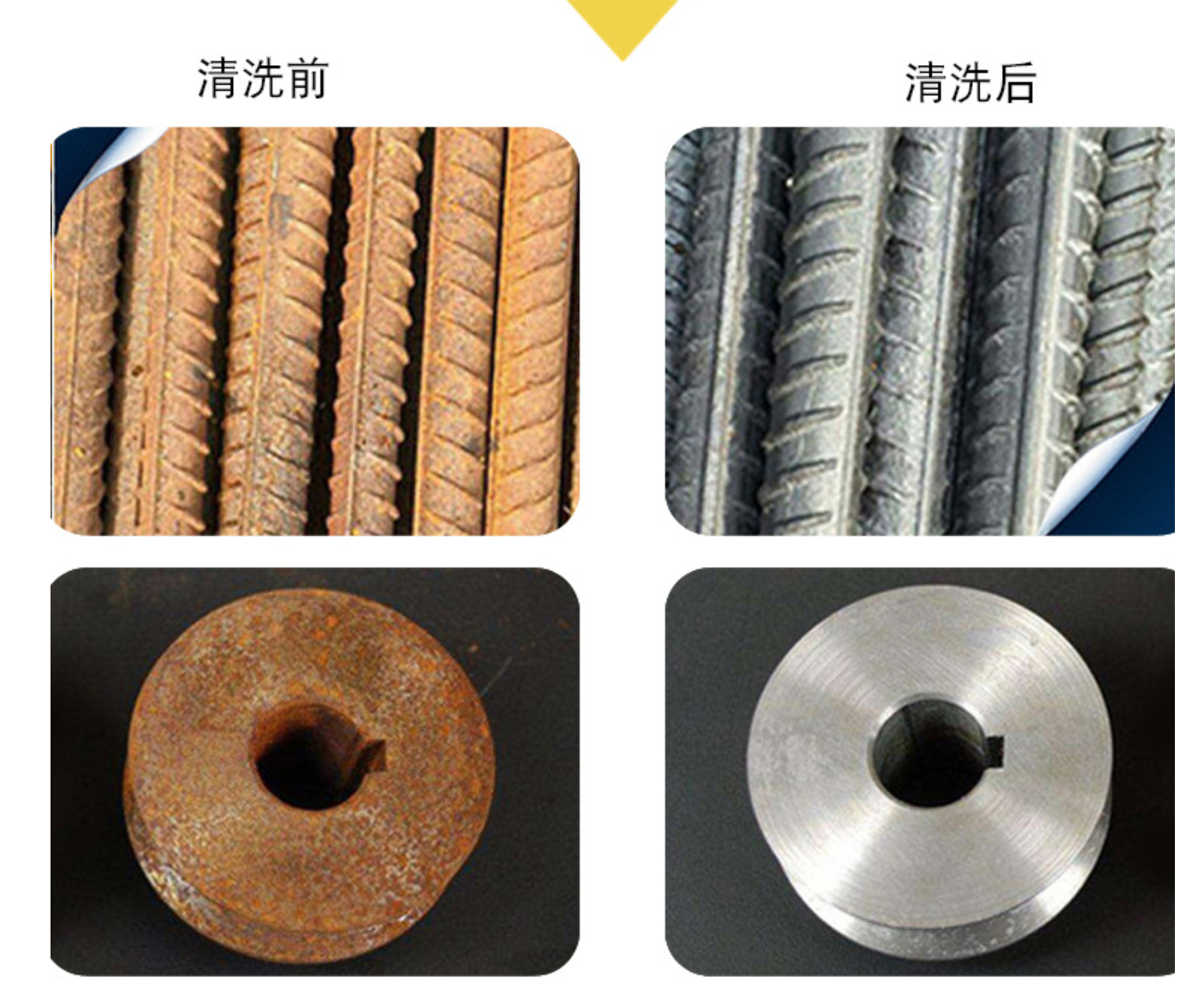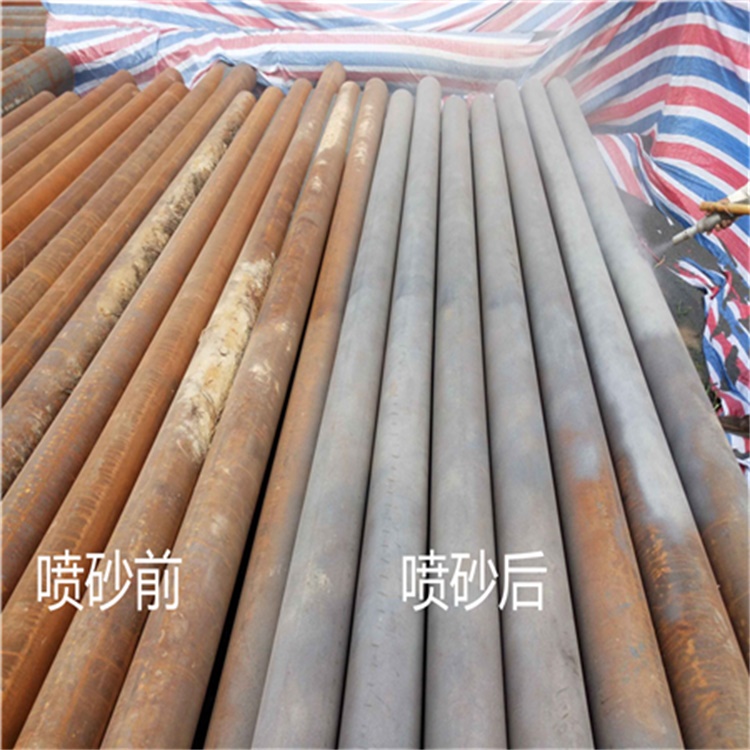

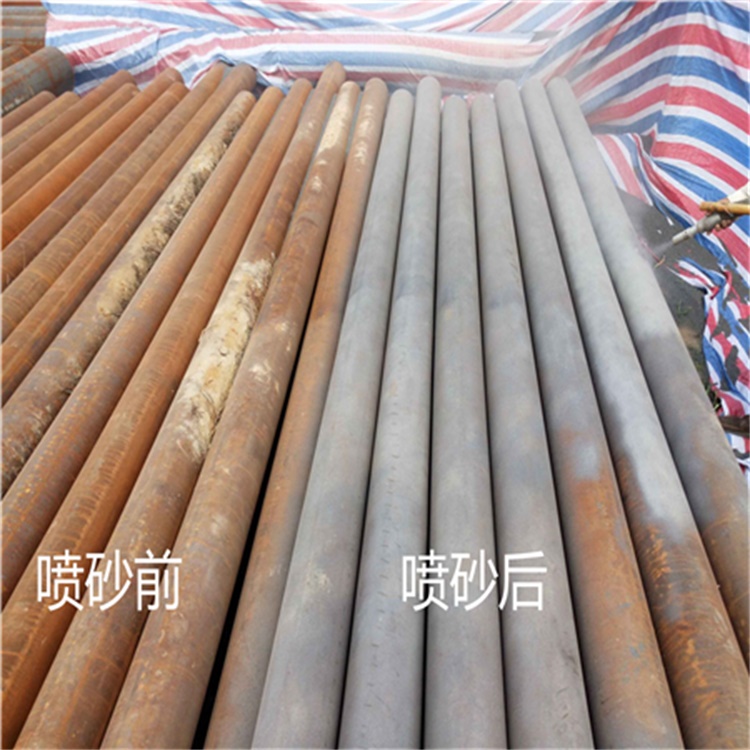
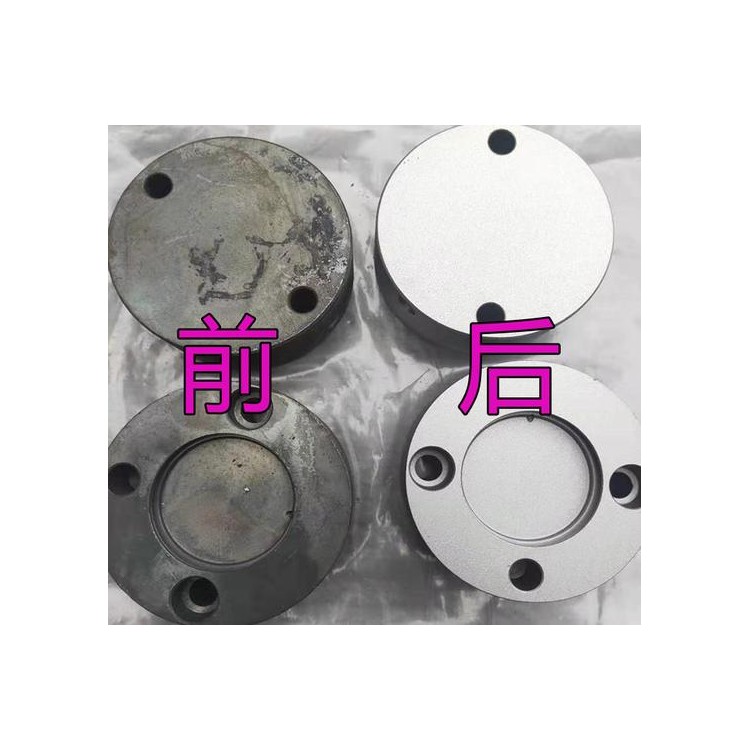
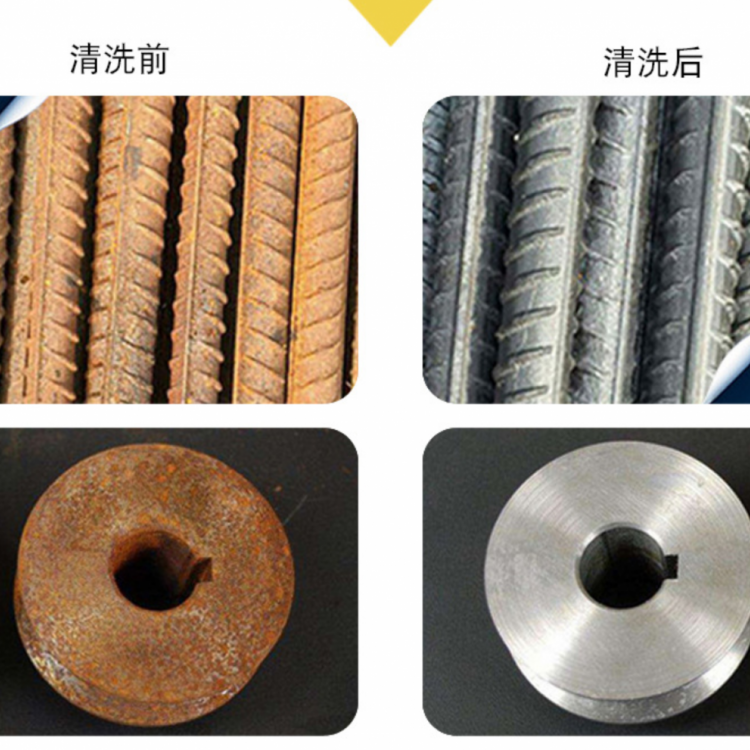









1. Generally speaking, the sandblasting effect is mainly determined by the material of the parts and the sandblasting abrasive. Different materials for the parts require different abrasive types, and the size of the abrasive particles varies, resulting in different sandblasting outcomes. Users can select the appropriate sandblasting abrasive based on the characteristics and processing requirements of the product.
2. Determine the type of equipment based on production efficiency. Select sandblasting equipment such as automated sandblasting lines, semi-automated sandblasting machines, pressure-type sandblasters, and suction-type sandblasters according to processing capacity.
3. Determine part size to specify equipment specifications. Choose the cabin size based on part size to ensure ample space for processing tasks.
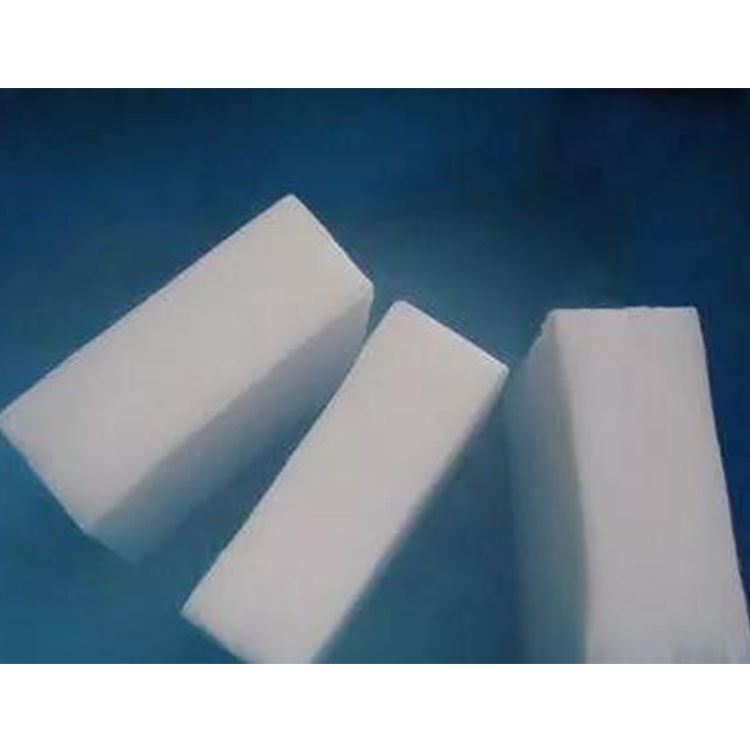
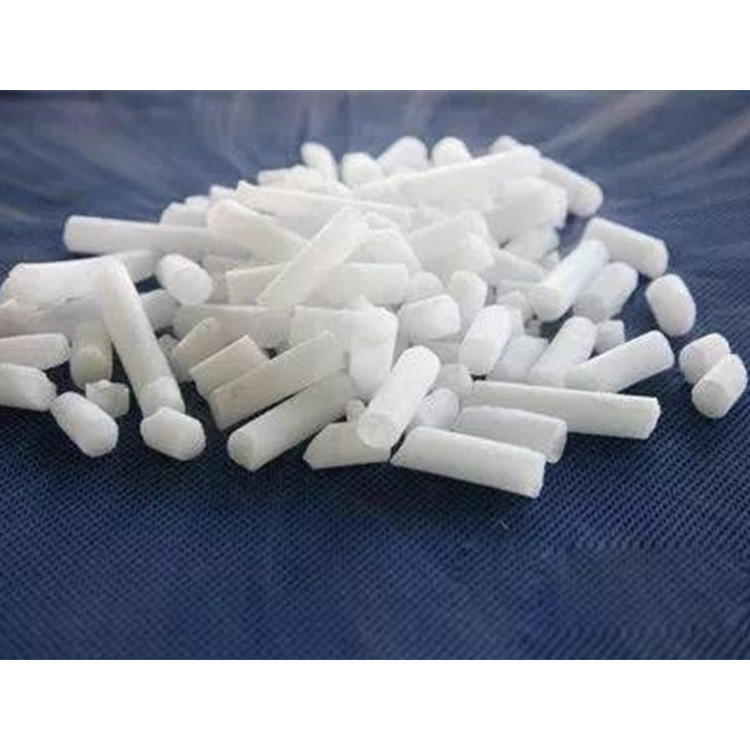
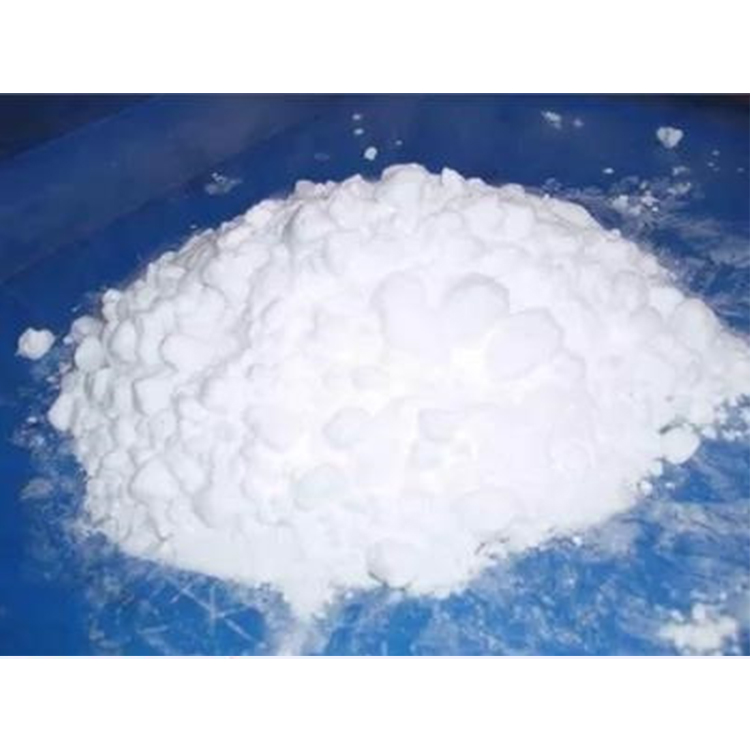
4. Selection of abrasive blasting materials. These can be metallic or non-metallic, such as corundum, glass sand, resin sand, walnut shell, steel shot, and steel grit, etc. Choose the type and specification of sand based on the initial process.
5. Compressed Air Requirements: Determine the air compressor capacity based on the equipment specifications and leave a 20% surplus to protect the air compressor's lifespan.