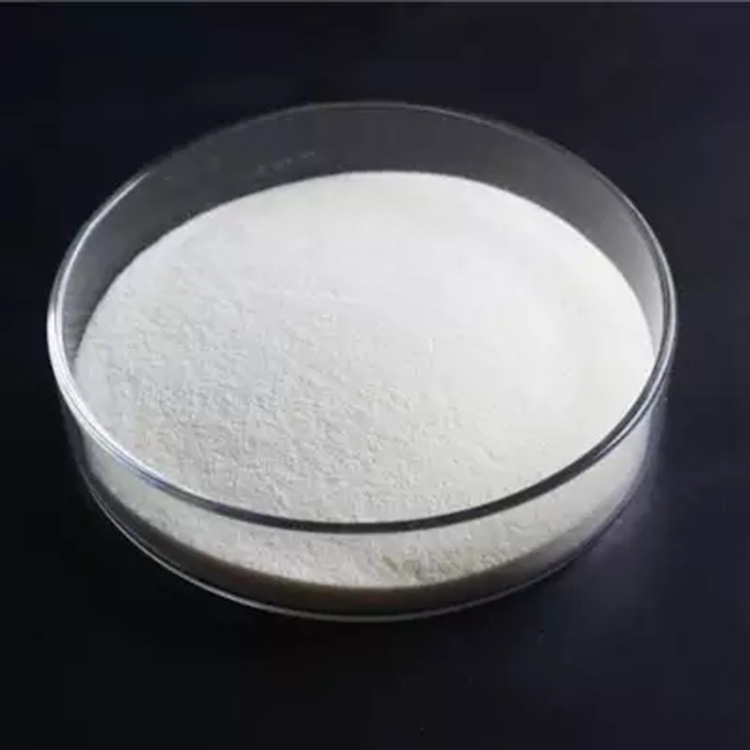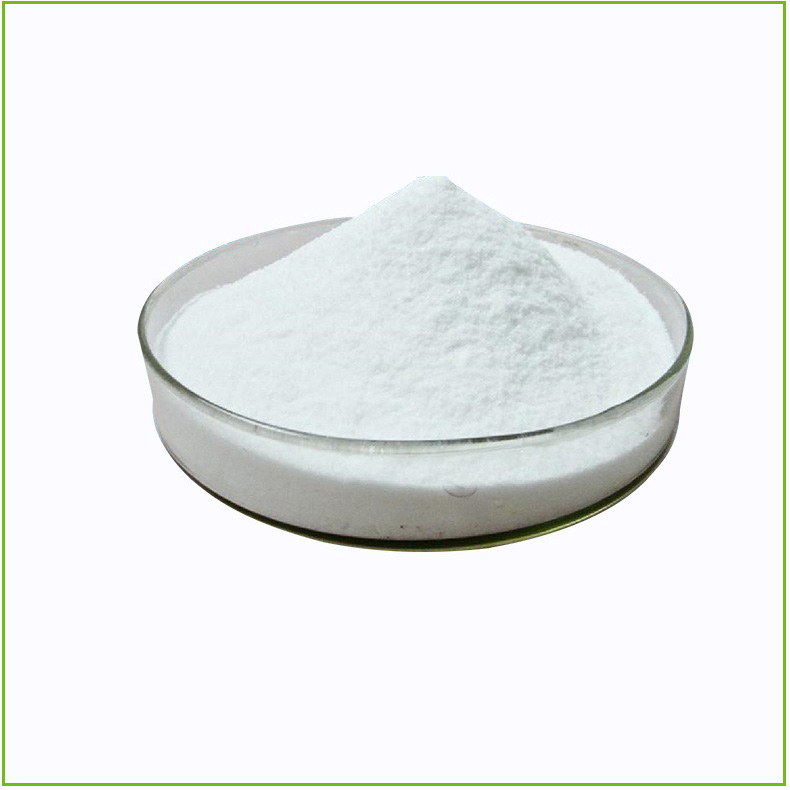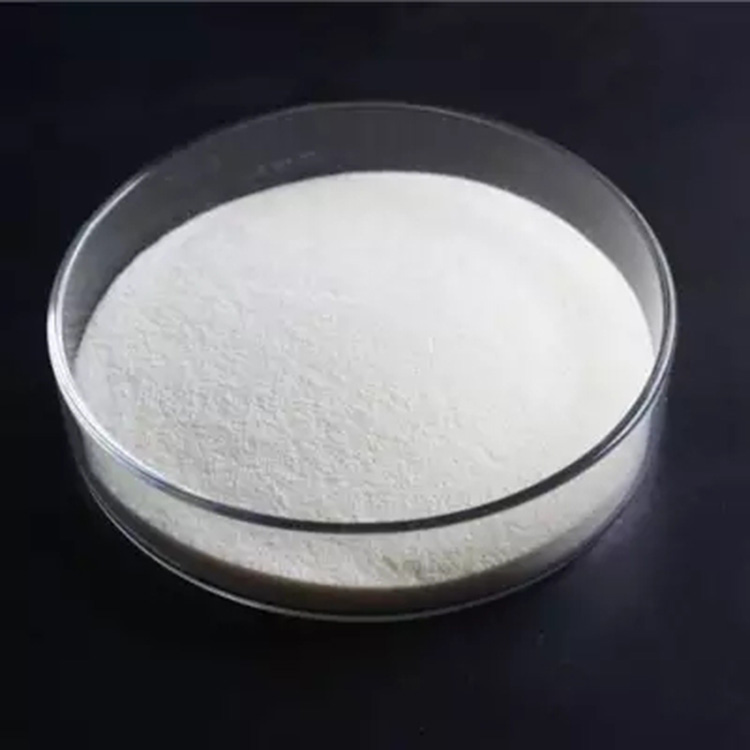
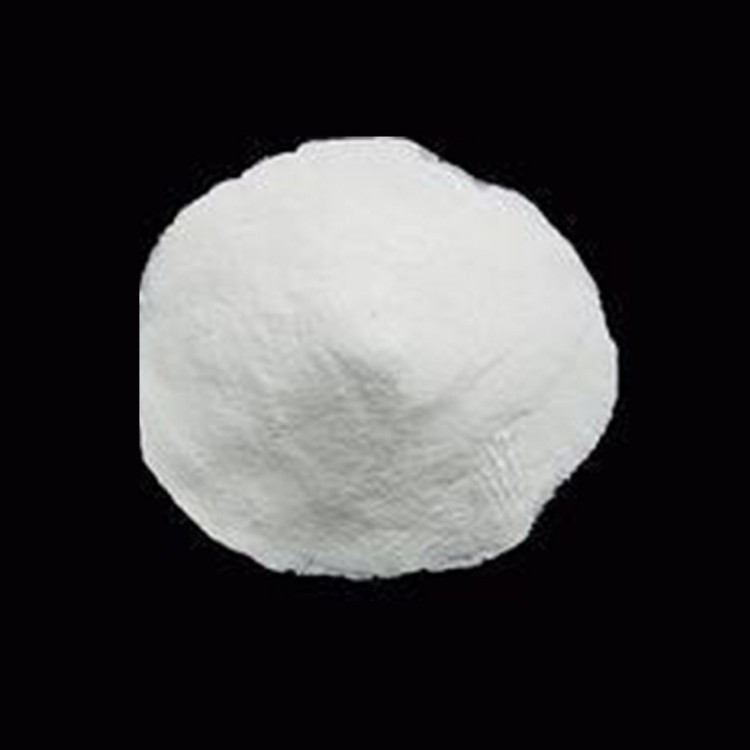
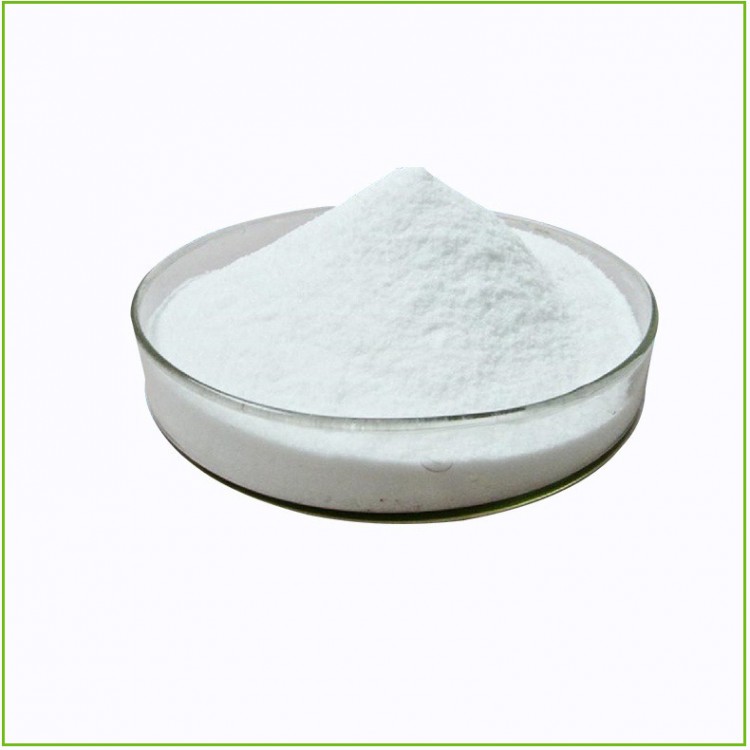










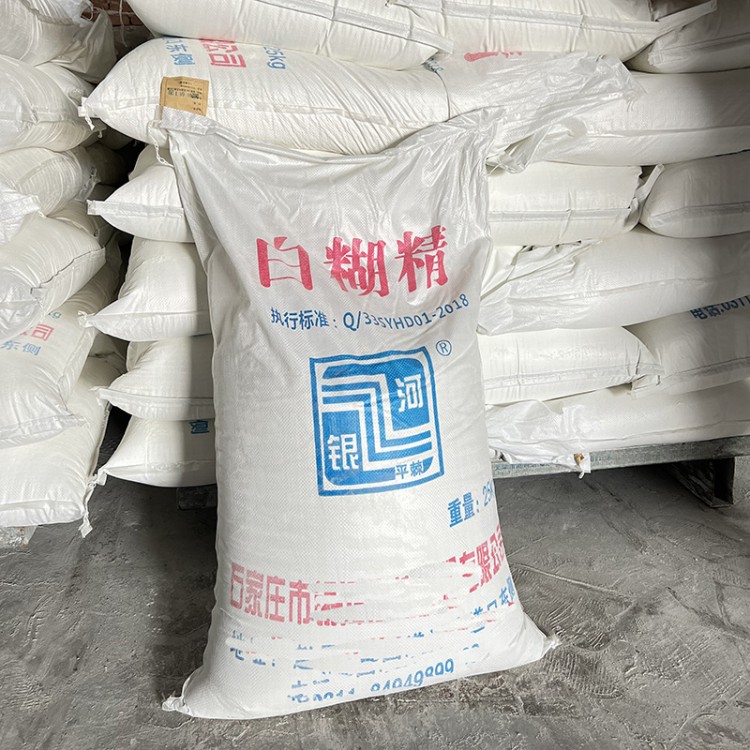
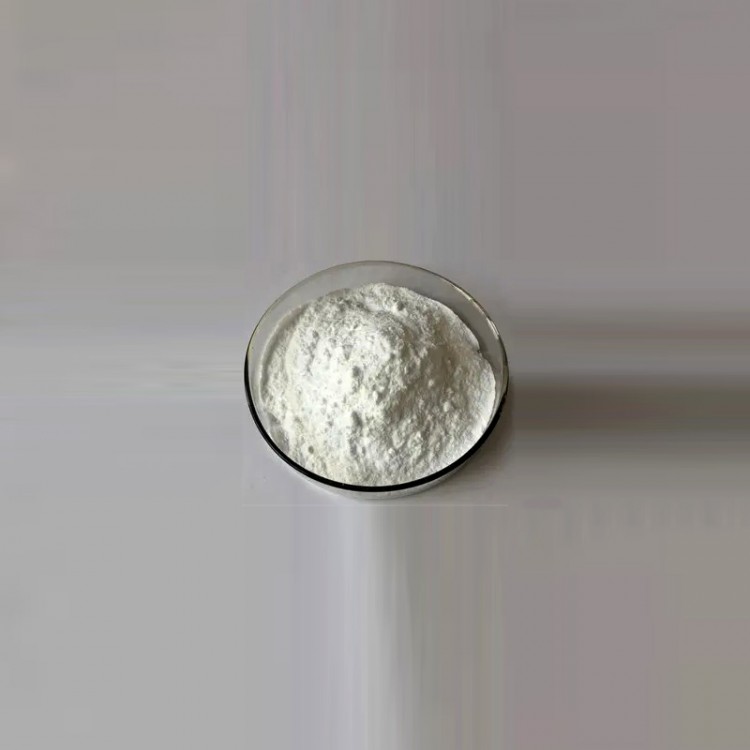
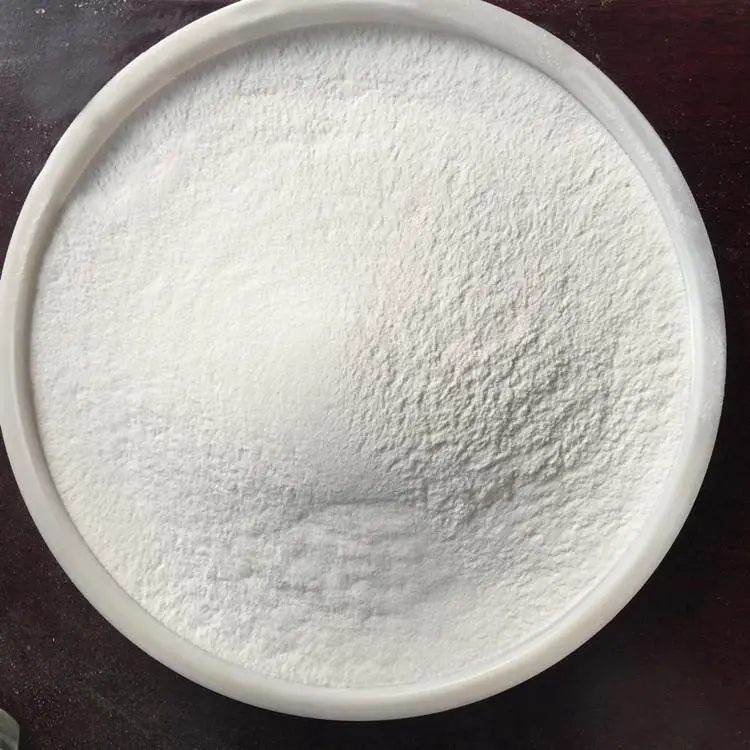
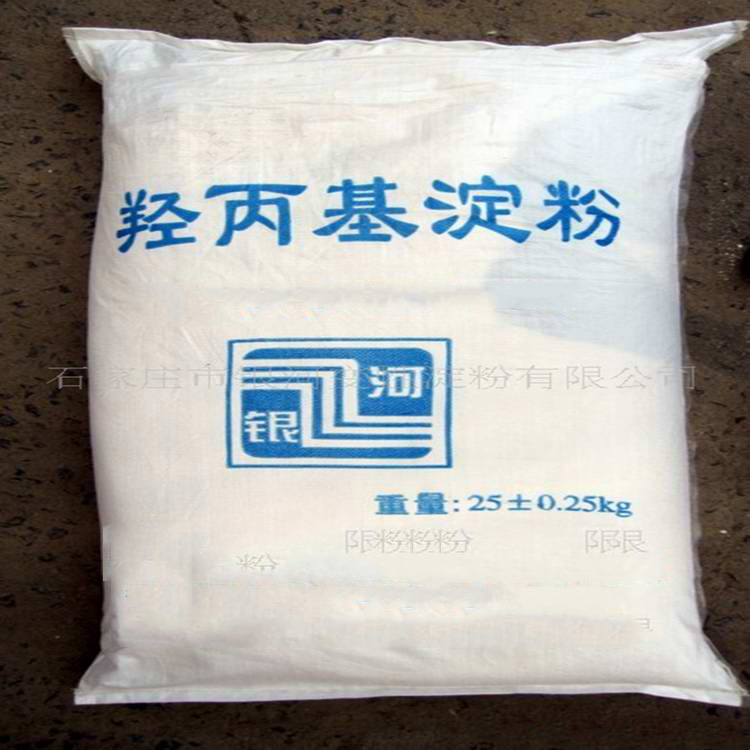
Modified StarchAlso known as modified starch, it is starch that has been altered in its original properties through physical or chemical processing. It has a wide range of applications, including food, textiles, papermaking, construction, and more. This article will delve into the preparation, properties, and applications of modified starch.
I. Preparation Method
Physical Method: By mechanical shearing or high temperature and pressure processing of starch, the starch molecules undergo conformational changes, altering their physical properties. This method is simple and easy to implement, does not require chemical reagents, but has limited effect on the alteration of starch properties.
Chemical Method: This involves altering the structure and properties of starch through chemical reactions. It primarily includes methods such as esterification, etherification, cross-linking, and enzymatic hydrolysis. This method allows for diversified modification of starch, but strict control of reaction conditions and byproduct formation is essential.
II. Nature and Characteristics
Solubility: Modified starch is more soluble in water and other solvents compared to unmodified starch.
Viscosity: Modified starch exhibits superior gelatinization properties, allowing for gelatinization over a wider range of temperatures and acidity levels.
Hot Stability: Modified starch maintains better stability under high temperature and pressure conditions, is less prone to lose viscosity and gelatinize.
Viscosity: The viscosity of modified starch is higher than that of unmodified starch, making it widely used in bonding, gelling, and thickening applications.
Above is an introduction to the characteristics of modified starch. For more information, please call to inquire.