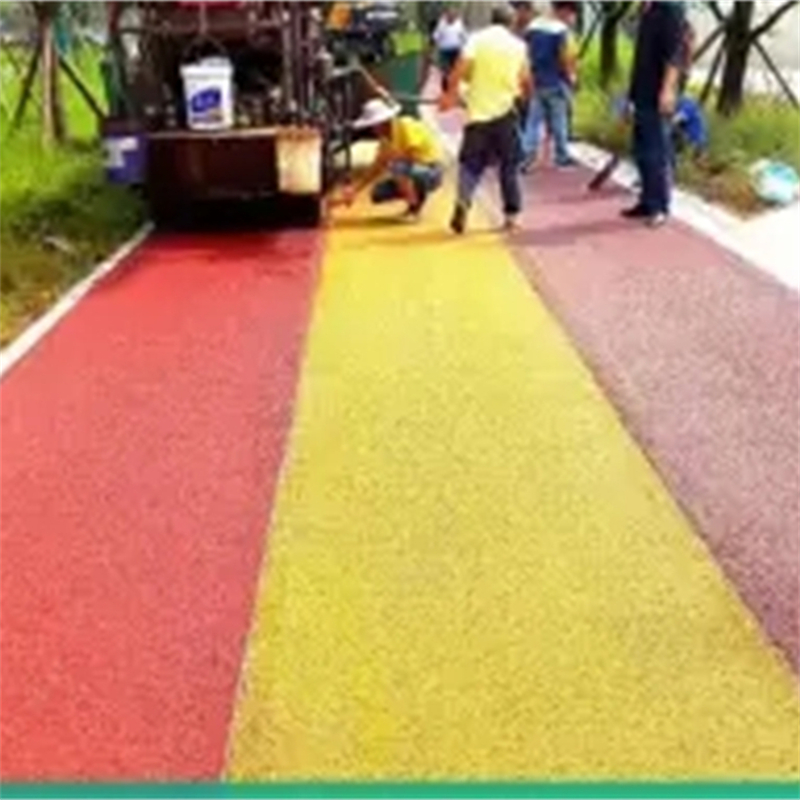







The surface temperature for road asphalt construction must not be below 5 degrees Celsius.
2. Precisely adjust the mixer's ingredients and determine the oil-to-stone ratio.
3. Prepare the subgrade: Sweep away leaves and loose soil from the road surface. After completion, promptly spray the penetration asphalt and evenly scatter the gravel overlay.
4. Road asphalt production strictly adheres to the construction proportion through an electronic metering batching system. The heating temperature for 70-grade asphalt should be controlled between 150-160°C, and the heating temperature for aggregate should be between 160°C-190°C (filler not heated). The discharge temperature of asphalt mix should be controlled between 140°C-160°C. The mixing time per batch in the mixer should be between 30-50 seconds (with a dry mix time of not less than 5 seconds). Record the amount of road asphalt and various aggregates, as well as the mixing temperature. The asphalt mix produced should be uniform and consistent, without speckled material, lumps, or segregation phenomena. The mixing process should follow the prescribed frequency for extracting Marshall specimens and oil-to-stone ratio tests, and maintain detailed mixing records.
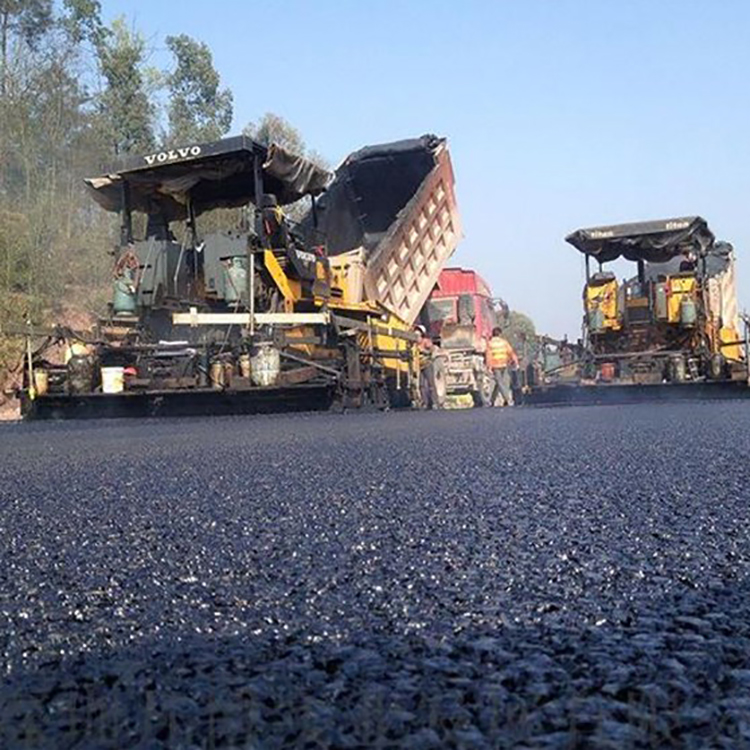
5. Road asphalt mix is transported using dump trucks. The truck beds must be cleaned and coated with an isolation agent (the ratio of diesel to water can be 1:3), but no excess material is allowed inside the bed. Cover the asphalt mix with a layer of cotton blanket. Transport the mix scientifically to avoid stopping to press the material or waiting for material to stop the machine.
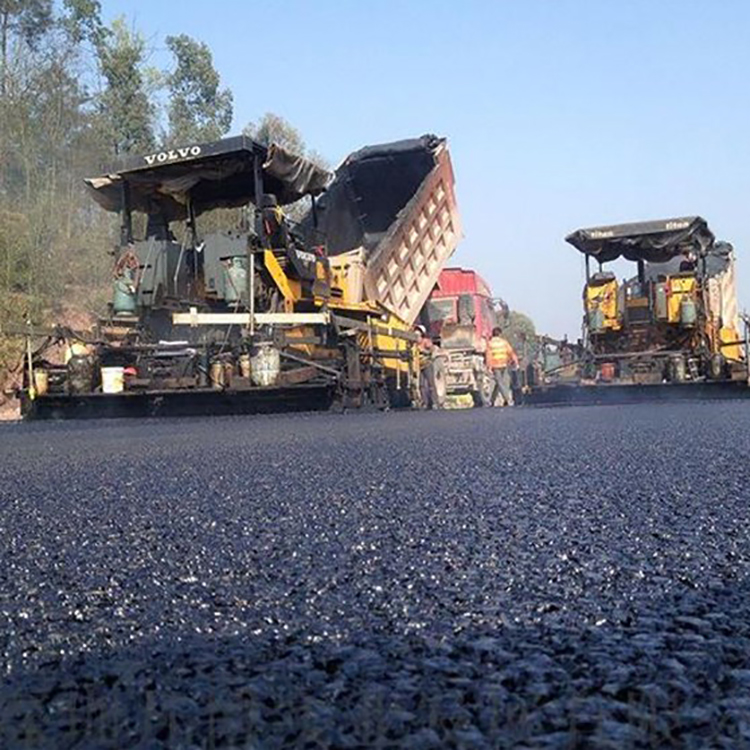
6. During the laying process, the speed of the paver should be maintained at 2-6m/min, and there should be no sudden stops or changes in speed. A dedicated person should be stationed at the rear of the paver to clear segregation of coarse and fine materials, as well as to remove clumps of coarse aggregates and bands of coarse aggregates.
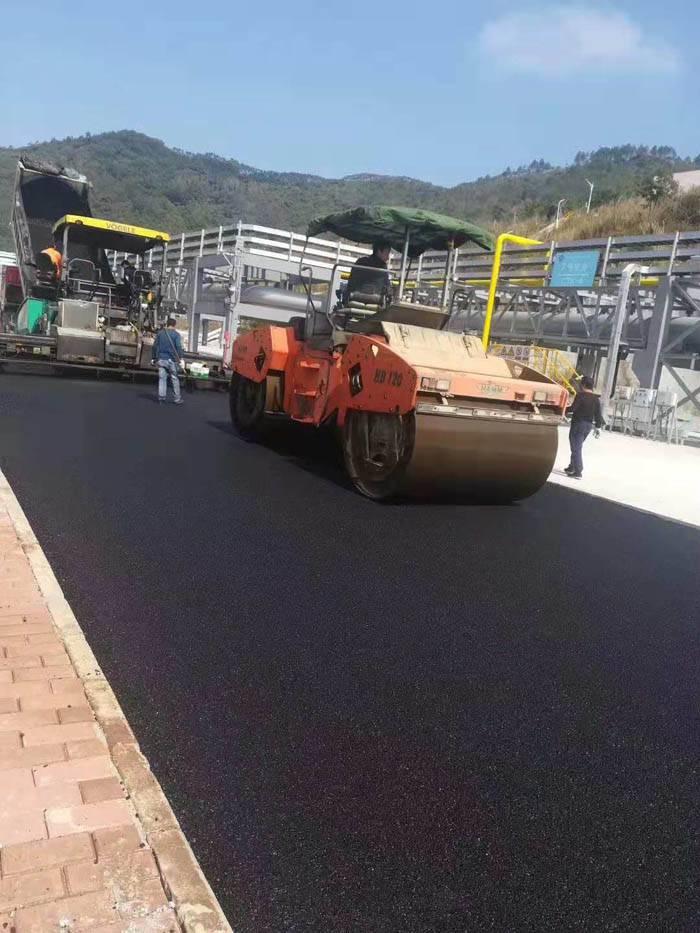
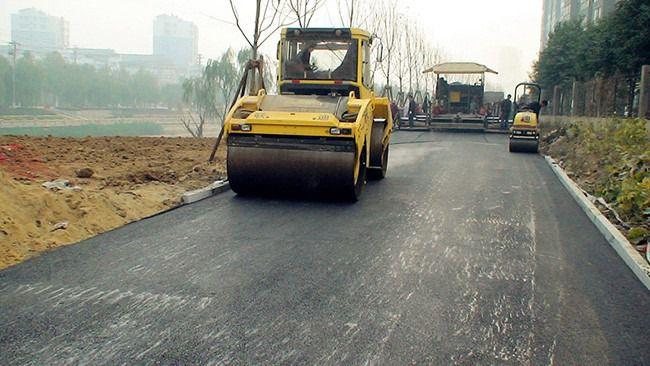
7. After the mixed material is spread, it should be immediately compacted. Use a DD-110 dual-drum roller at a speed of 1.5-2 km/h for static compaction in two passes (speed not to exceed 3 km/h); follow with three to five passes of vibration compaction at 4-6 km/h, stopping the vibration during reverse rolling. The final compaction should be done with an YL16-20 tire roller at a speed of 4-6 km/h (not exceeding 8 km/h), with at least two passes. The roller should face the paver during operation, and start/stop slowly. Adjacent rolling strips with a vibratory roller should overlap by 10-20 cm; adjacent strips with a tire roller should overlap by 1/3 to 1/2 of the roller width, with tire pressure not less than 0.5 MPa. Use a vibratory tamper for areas not reached by the roller. The roller's rolling length should be balanced with the paver's speed. The turnaround point should be stepped up as the paver advances. During compaction, the roller should roll from the roadside to the center of the road. Each pass with a dual-drum roller should overlap by 30 cm. No turning, reversing, or sudden braking is allowed on the newly laid mixed material.
8. Traffic must not be allowed on uncooled asphalt concrete road surfaces, and precautions must be taken to prevent materials, debris, and oil from falling onto the newly laid road.
9. For horizontal construction of the work section, the parts that do not meet the flatness requirements should be cut off with a cutting machine before the adjacent section is constructed. After applying an adequate amount of hot road asphalt to the joint area, continue with the paving.
10. For vertical cracks in the work section, the loose portions of the joints should be chiseled or cut away using manpower or a cutting machine before proceeding with construction in the adjacent section.