











Petroleum Asphalt AC-10 Fine Grained Asphalt for Road Construction



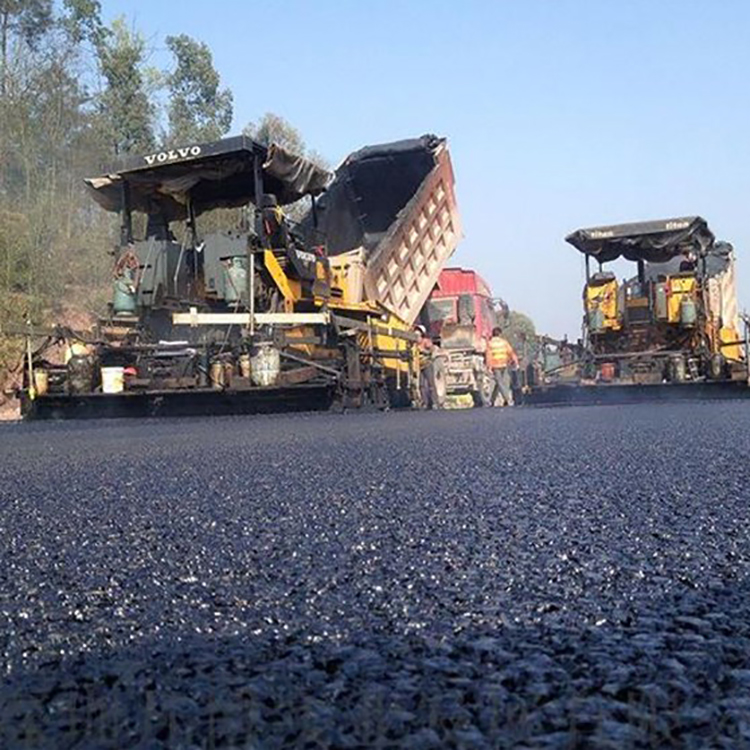
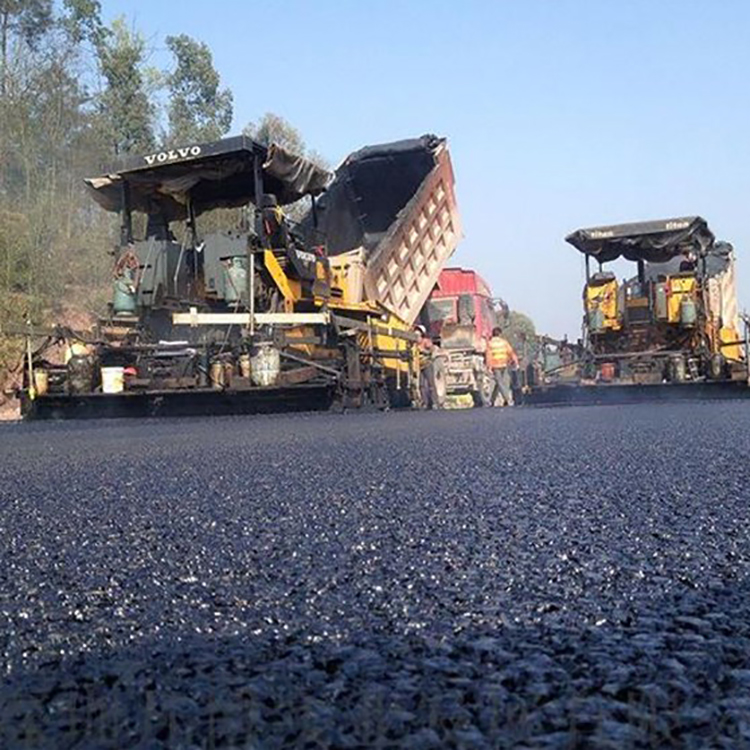
During asphalt paving, the key properties of asphalt mixtures include water stability, fatigue resistance, high-temperature stability, and durability. To enhance the high-temperature stability of asphalt mixtures, one must increase the aggregate size and reduce the oil content. However, larger aggregates tend to cause cracking and poor durability. To further address cracking, it's necessary to use more asphalt with a higher penetration and finer aggregates, but this can lead to rutting issues during hot weather. To ensure the roughness of the asphalt surface, a type with good anti-skid properties should be used. Additionally, the asphalt's proportioning must be determined based on the climate, temperature, and topography of the construction area to ensure the pavement's durability.
During the mixing process of hot-mixed asphalt, three main aspects are generally included: target mix design, production mix design, and production mix verification. It is crucial to select materials that comply with technical specifications, fully utilize past road construction experience, and design the asphalt mixture's quantities and material types through appropriate mix ratio design to ensure the mix quality. Additionally, Marshall tests must be conducted at each stage of mix design. Proportions are set according to the relevant specifications of the "Technical Specifications for Highway Asphalt Pavement Construction." During the setting process, for each asphalt mixture batching machine, the design work for asphalt mixture mix ratios must be meticulously carried out in three stages: target mix design, production mix design, and trial mixing/trial laying mix adjustment.
During the asphalt mixture mixing process, pay attention to the following points: Firstly, select an appropriate mixing site, usually carried out at the mixing yard; secondly, when mixing asphalt mixture, follow the indoor mixing ratio to ensure the appropriate amount of asphalt, mixing time, and heating temperature, thereby ensuring the quality of the asphalt mixture; thirdly, during the mixing process, strictly adhere to the ingredient list for material mixing, ensuring the heating temperature of asphalt and various materials, maintaining uniform mixing, and preventing issues such as discoloration, lumps, and separation of coarse and fine materials; fourthly, after completing the mixing work, relevant technical personnel must take samples to conduct asphalt mixture and mineral aggregate gradation asphalt content tests. If the asphalt mixture does not meet the requirements, adjustments should be made promptly to ensure the normal use of the mixture.