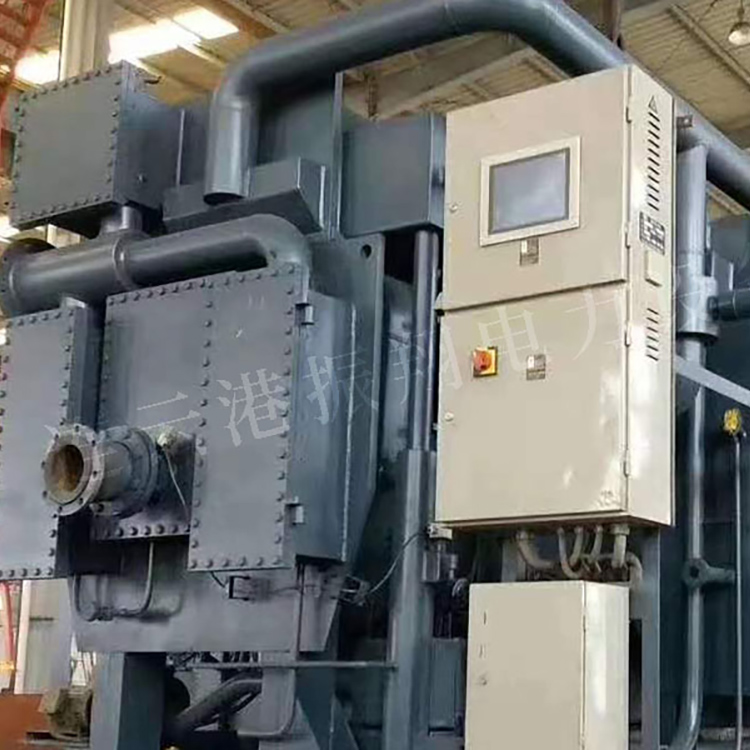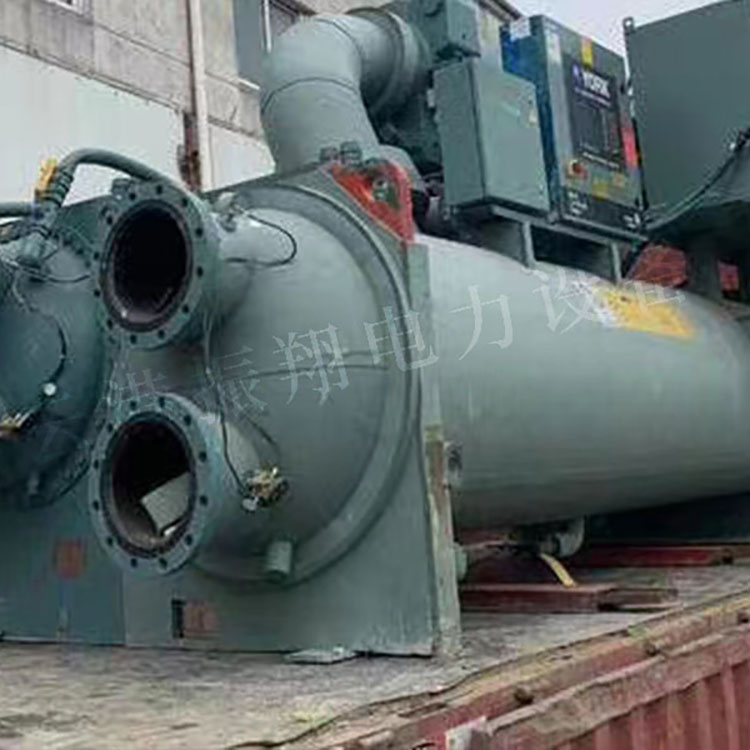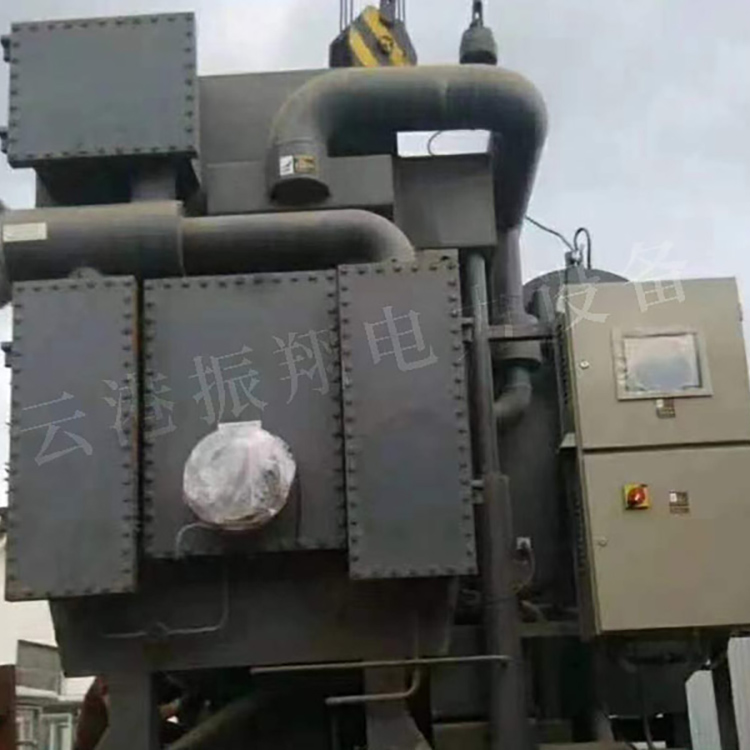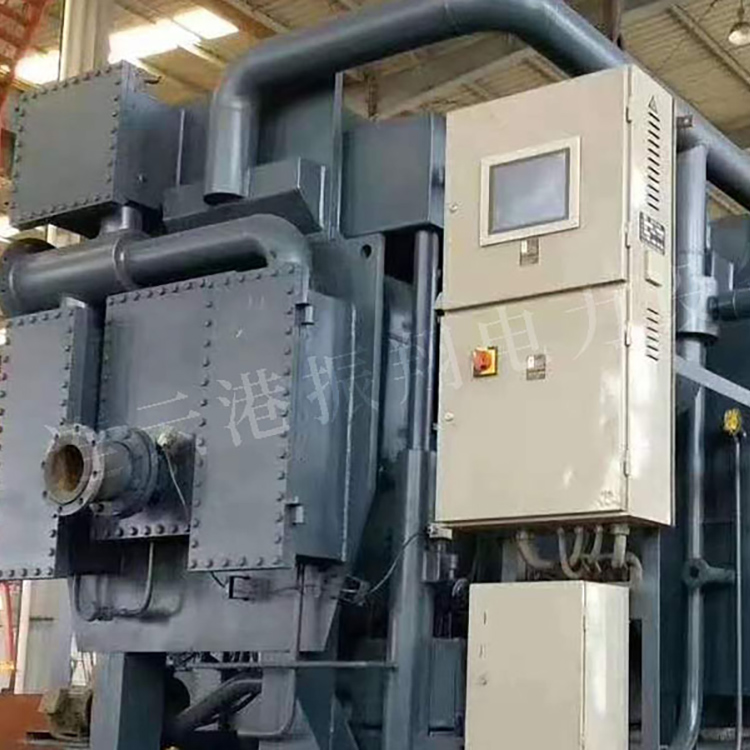










Lithium bromide refrigeration unit retrofits utilize the phase change of water under low pressure (from liquid to vapor) to absorb latent heat of vaporization, thereby achieving refrigeration. During this process, water acts as the refrigerant, while the lithium bromide solution serves as the absorbent.
Lithium bromide chillers, also known as lithium bromide absorption chillers, utilize a lithium bromide solution as the absorbent material and water as the refrigerant. They cool by evaporating water in a high vacuum, which absorbs heat. In the lithium bromide system, the chilled water vapor is absorbed by the lithium bromide solution, causing it to dilute. This process occurs in the absorber, and then, using thermal energy, the solution is heated to separate the water, thereby concentrating the solution. The steam obtained in the generator condenses into water in the condenser, is throttled, and then returned to the evaporator to evaporate. This cycle continues for continuous refrigeration.