
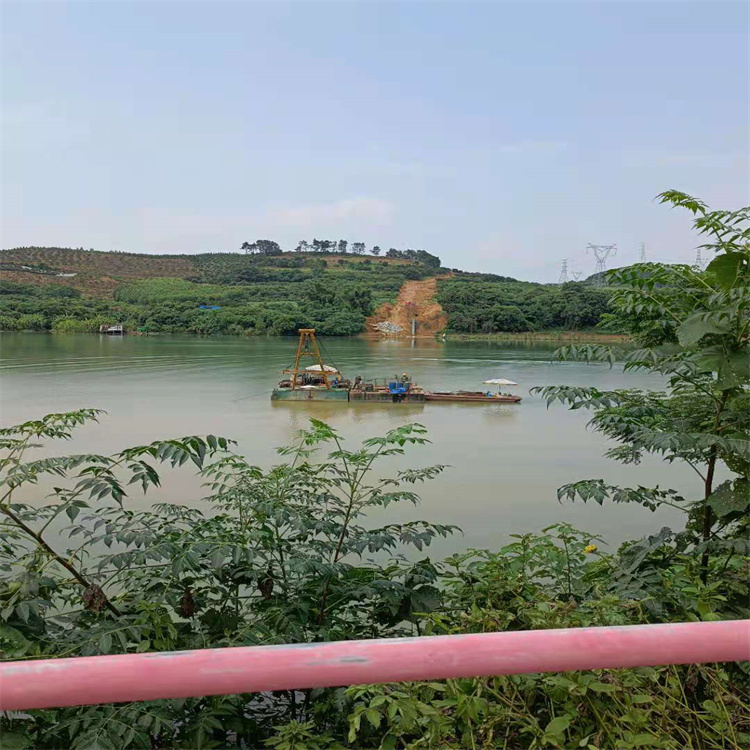
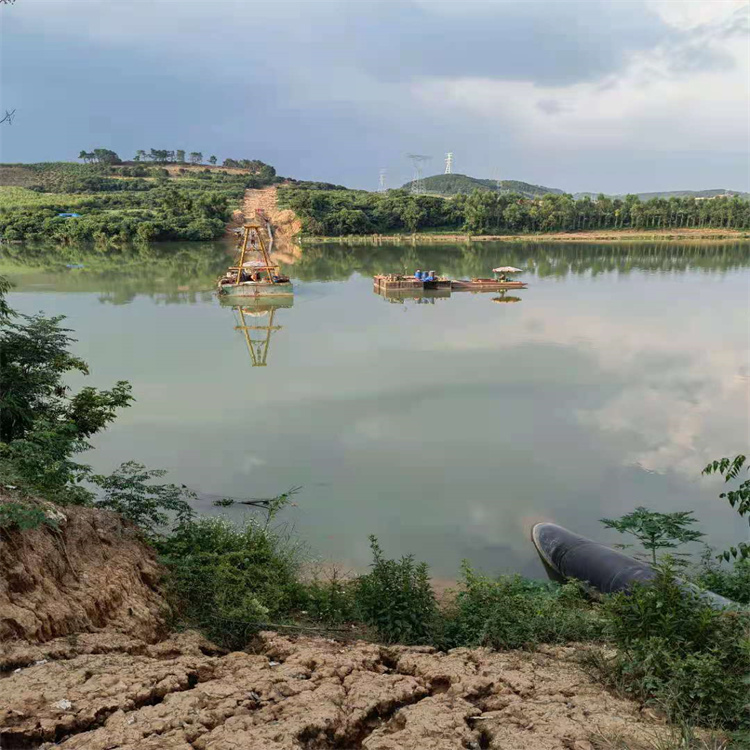
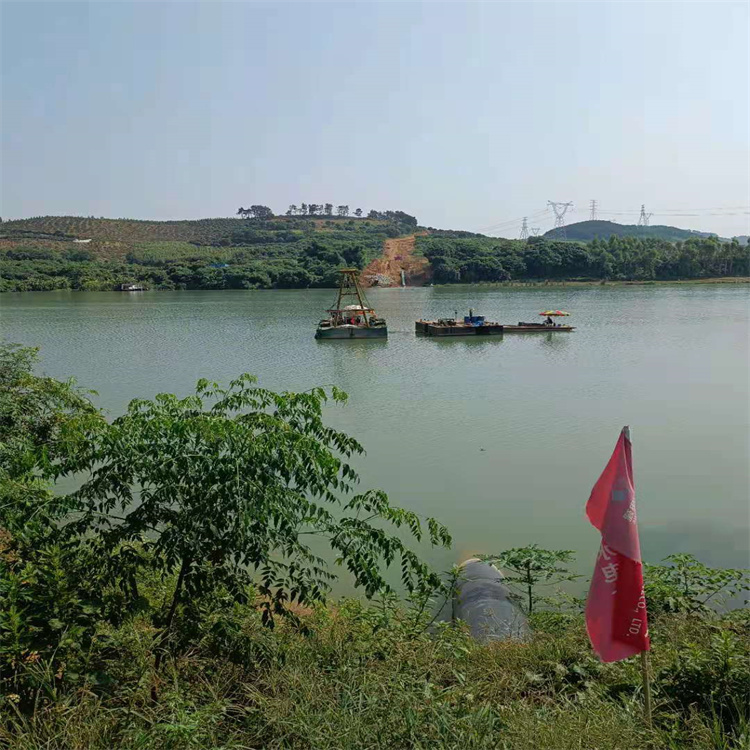


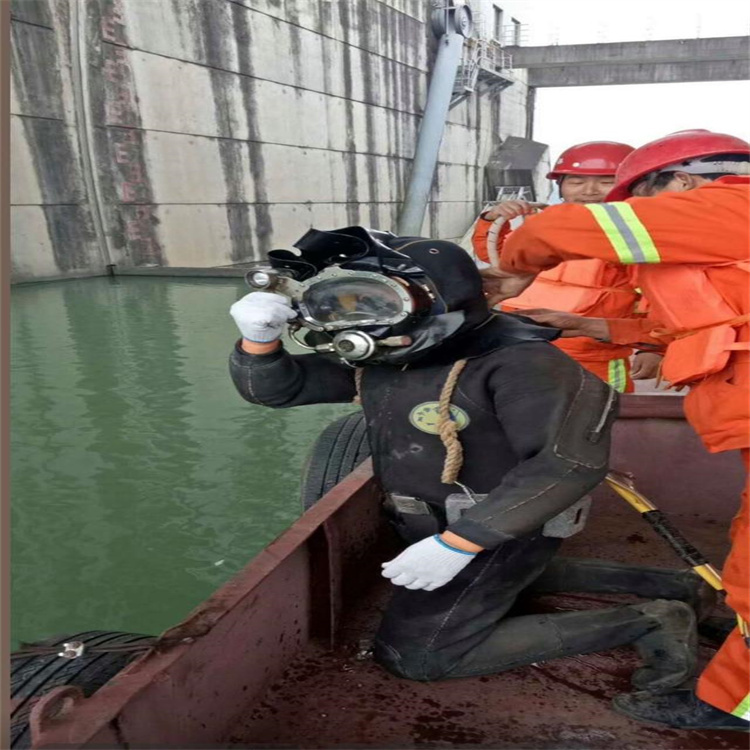
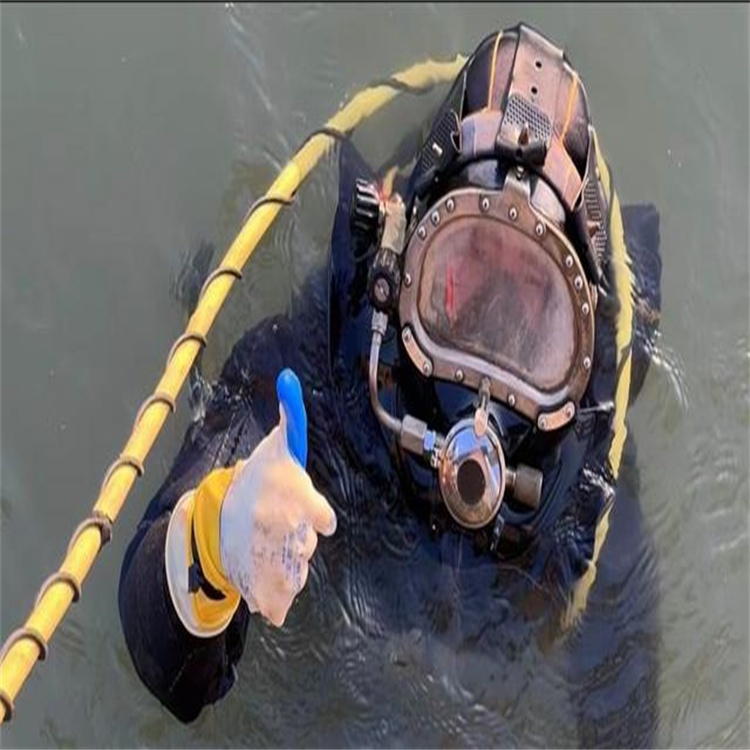
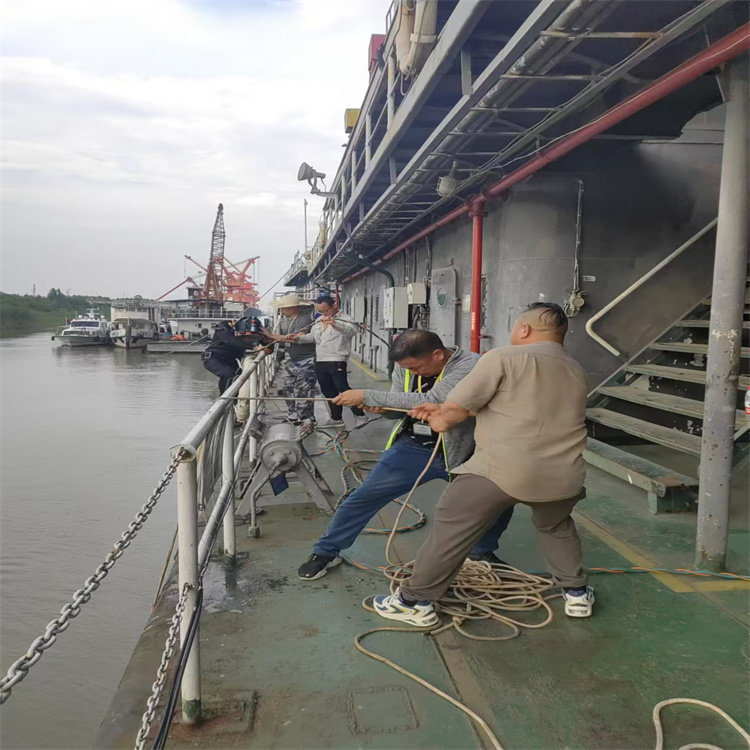

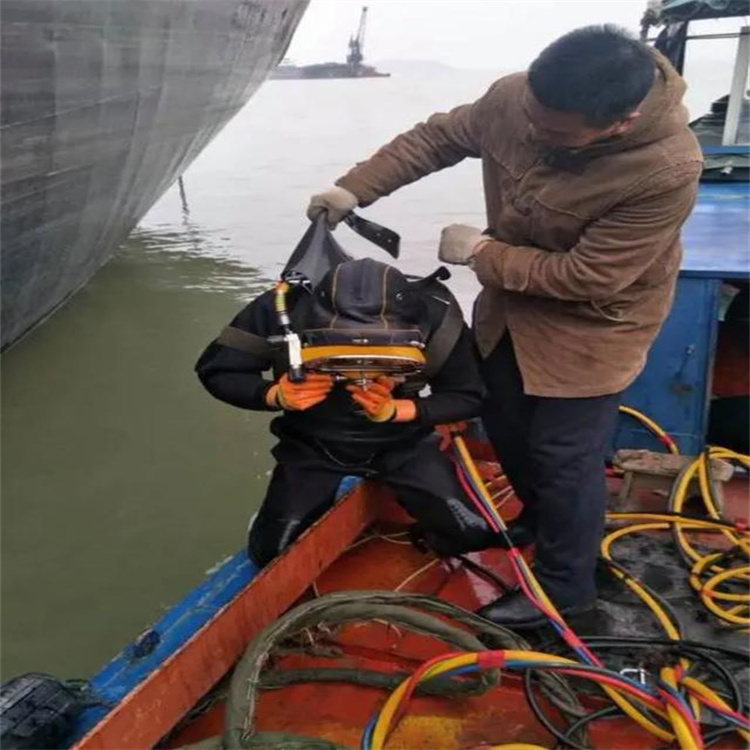





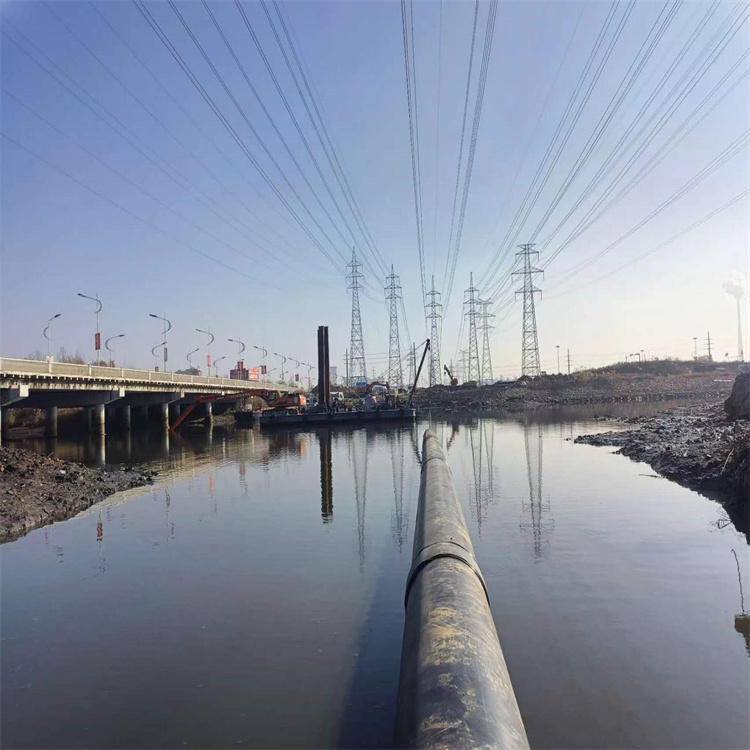

Installing underwater water supply pipelines is a complex and challenging engineering task. The following are general installation steps and key points:
Installation Steps:
1. Planning and DesignConfirm pipeline path, diameter, material, and consider factors like water pressure, flow rate, and geology.
2. Prefabricated PipePipe sections are pre-fabricated on land to the required length and specifications.
3. Transport to SiteCarefully transport the pre-fabricated pipelines to the underwater installation site.
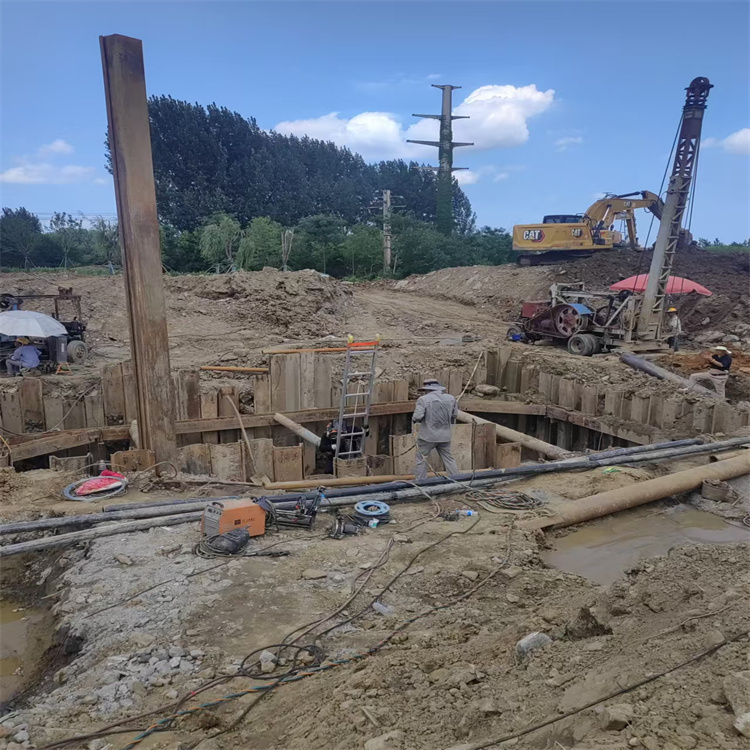
4. Underwater foundation preparationIf required, perform underwater foundation excavation and treatment to ensure stable support for the pipeline.
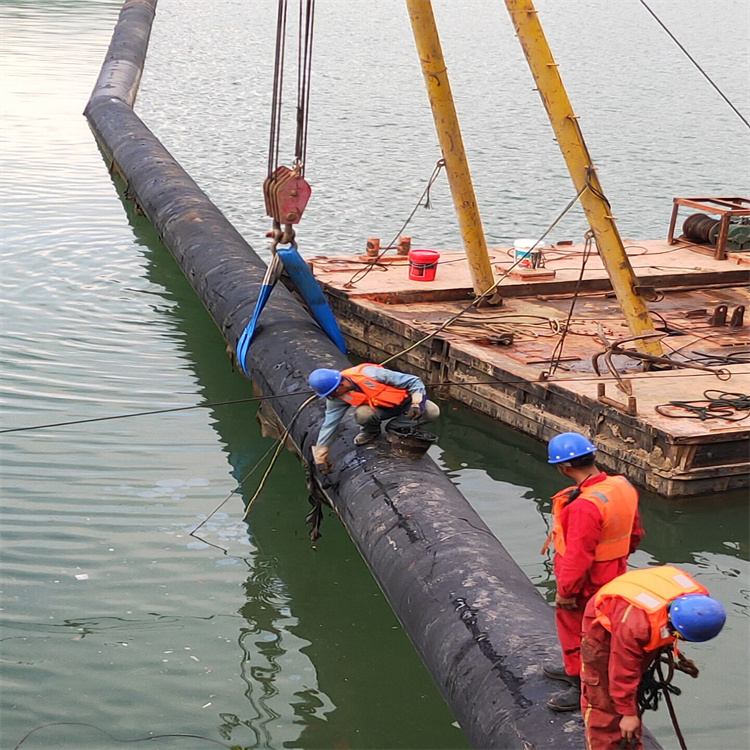
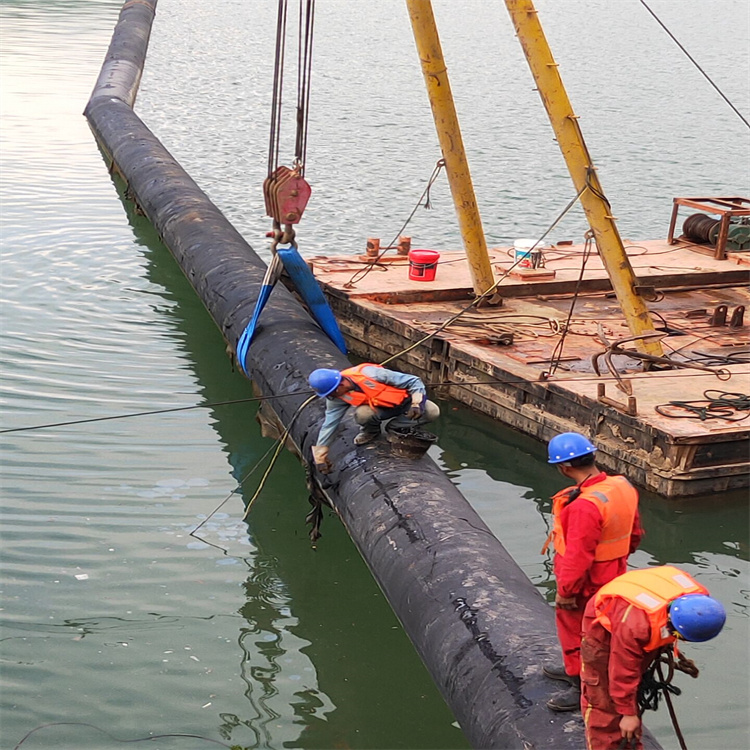
5. Pipe layingLower the pipeline slowly to the designated position using specialized lifting equipment or underwater robots.
6. Connect and AssembleConnect all pipe sections ensuring a good seal.
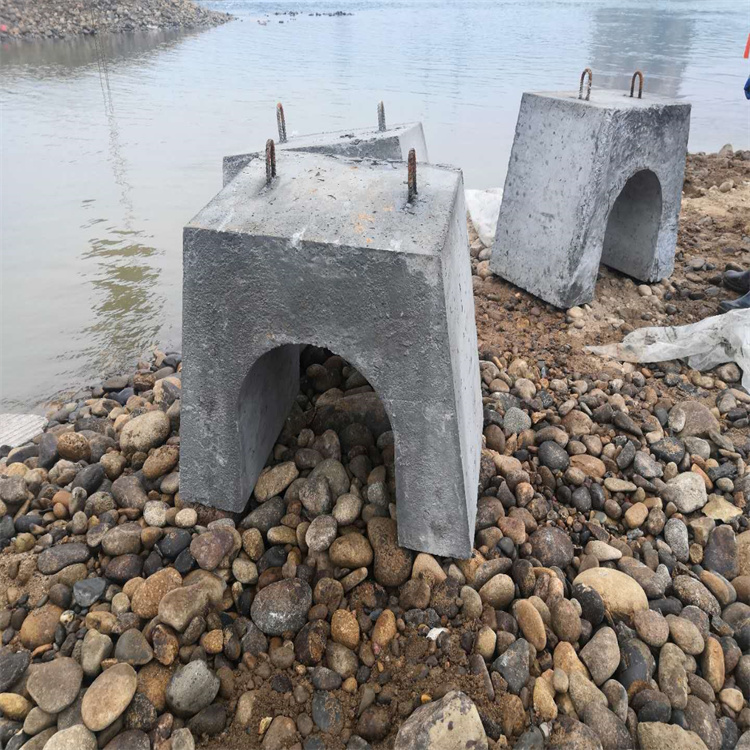
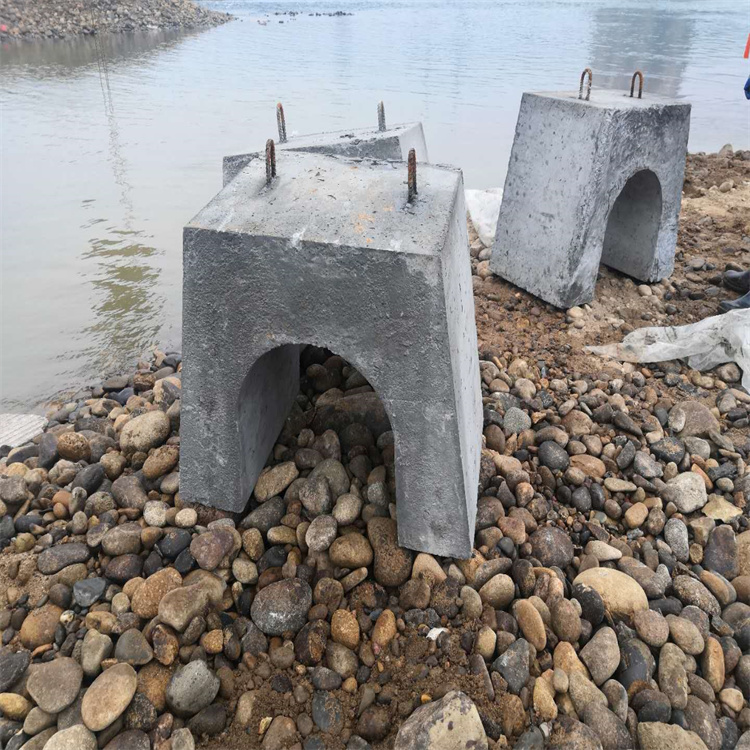
7. Fixed and SupportedSecured and supported the pipeline with anchoring hardware and brackets to prevent movement.
8. Testing and InspectionConduct water pressure tests and inspect the integrity and seal of the pipelines.
Key Points to Note:
1. Select pipe materials suitable for underwater environments, such as corrosion-resistant steel pipes and plastic pipes.
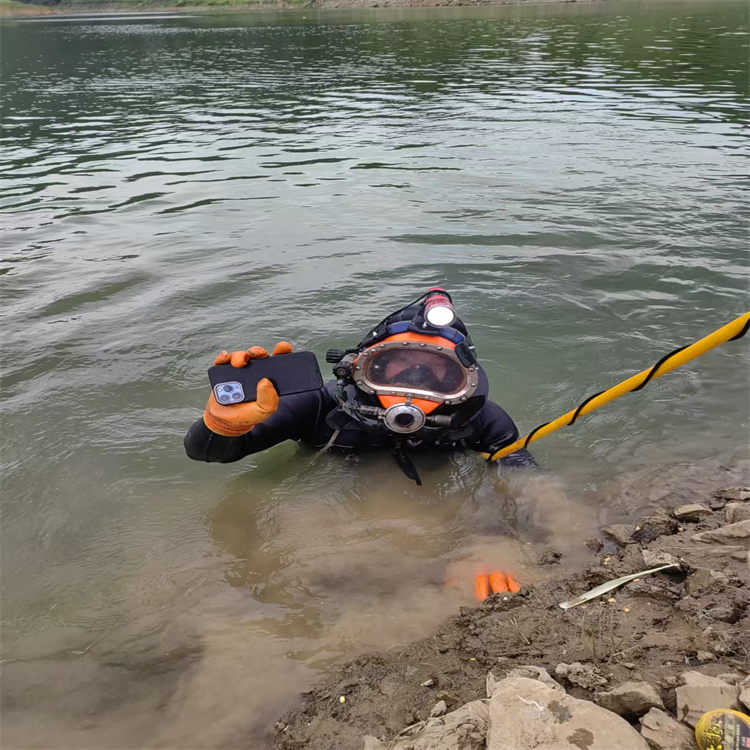
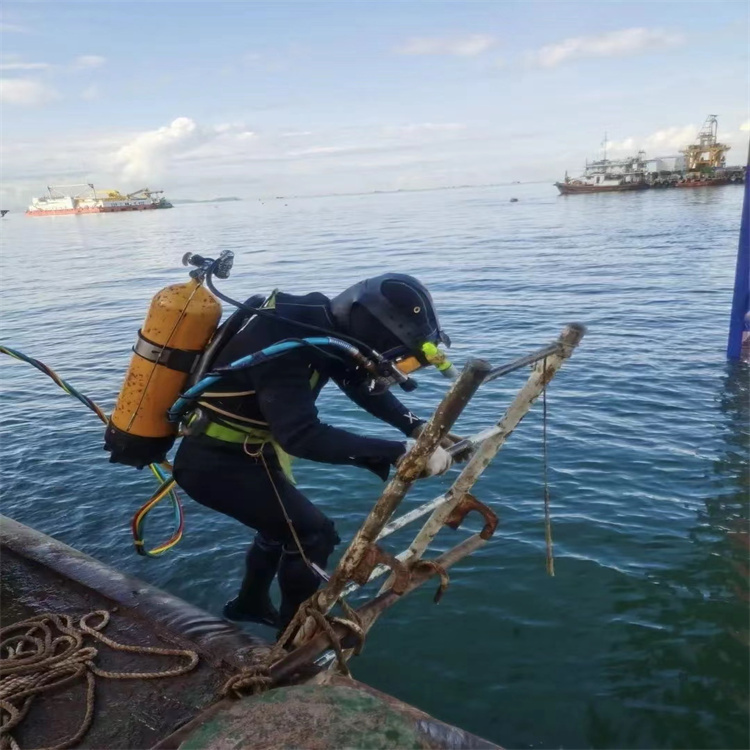
2. Ensure safety throughout the construction process, including the safety of underwater workers and the stable operation of equipment.
3. Strictly control construction quality to ensure precision in pipeline installation and connection quality.
4. Coordinate with relevant departments to obtain the necessary permits and approvals.
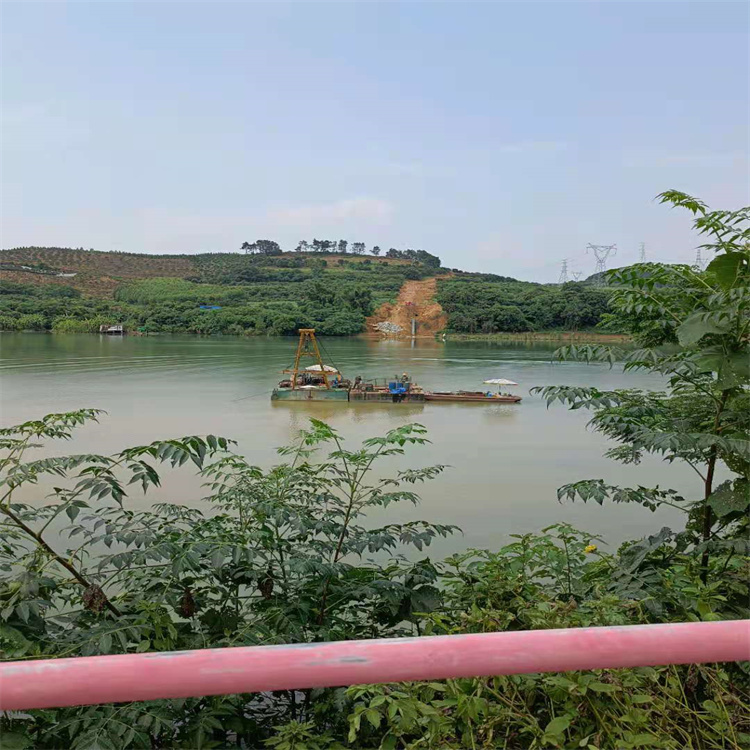
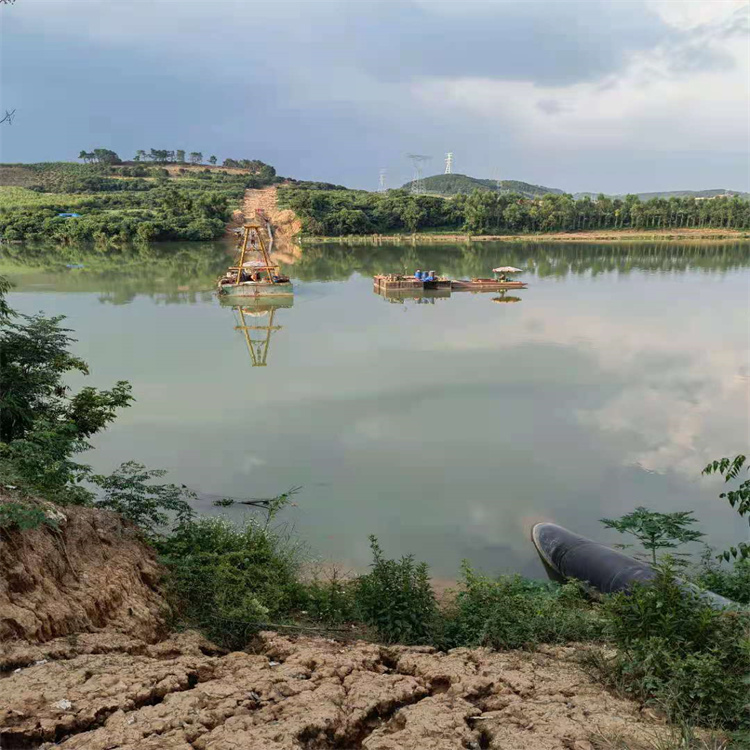
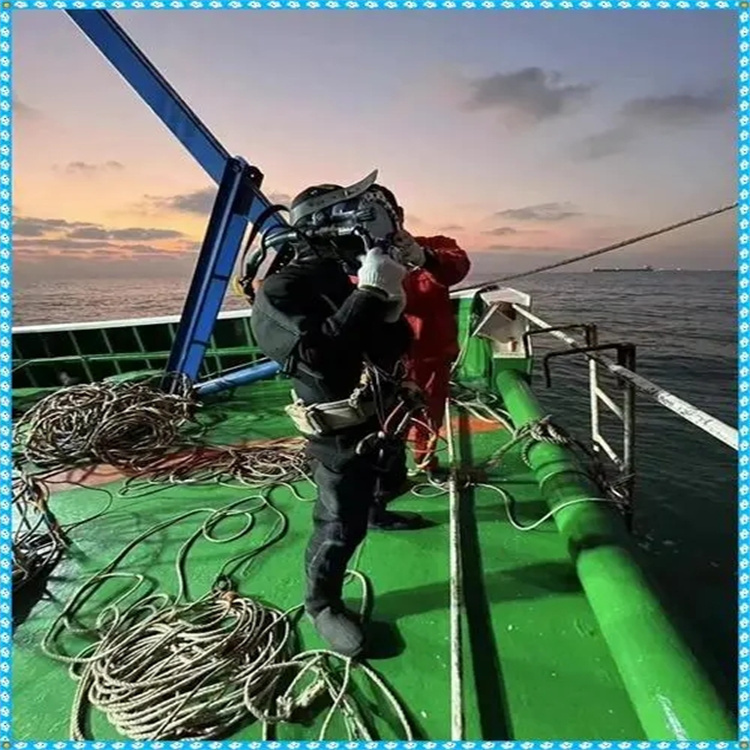
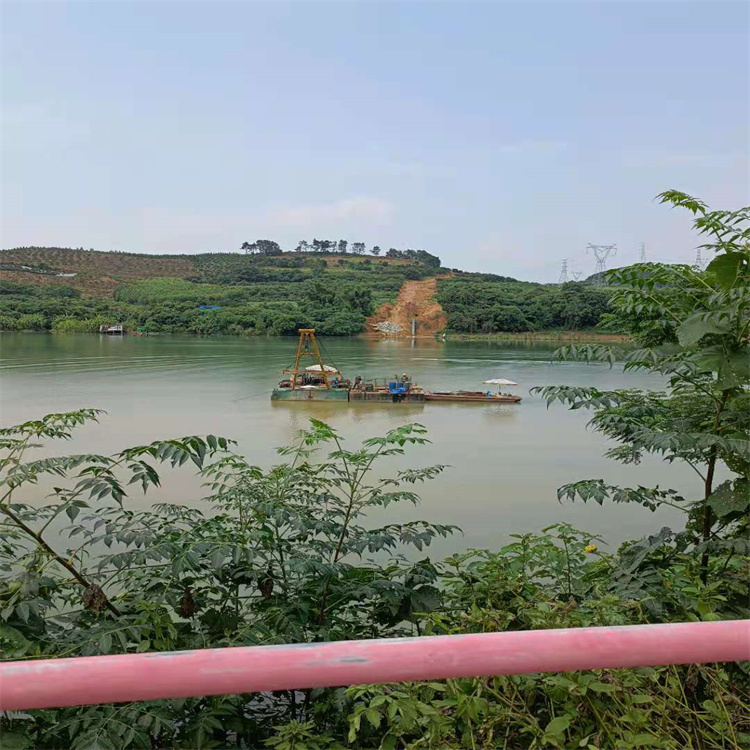
For example, installing underwater supply pipelines in marine environments may require dealing with complex factors like waves and tides, making the construction more challenging and demanding of equipment and technology. Similarly, when installing in lakes or rivers, factors such as water flow speed and riverbed geological conditions must be considered.