







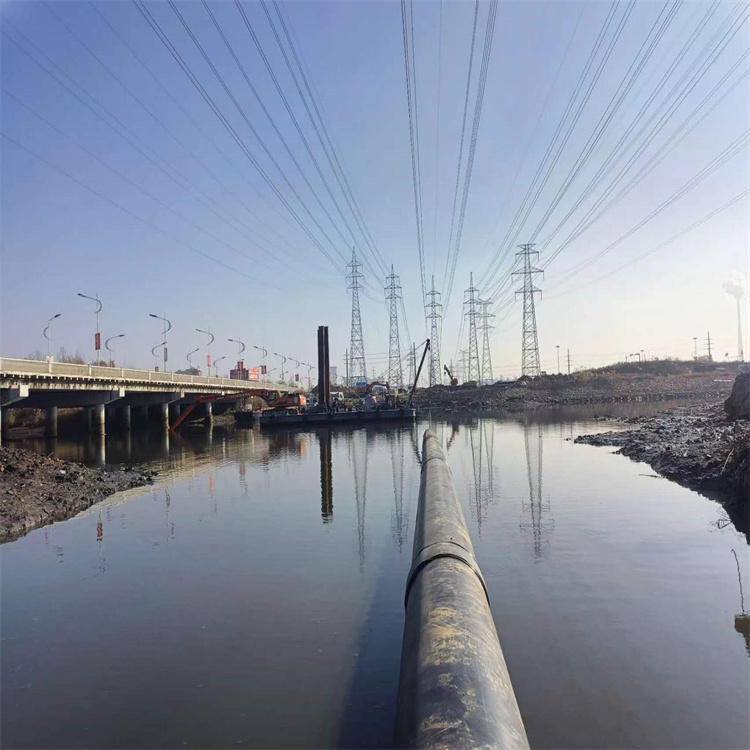
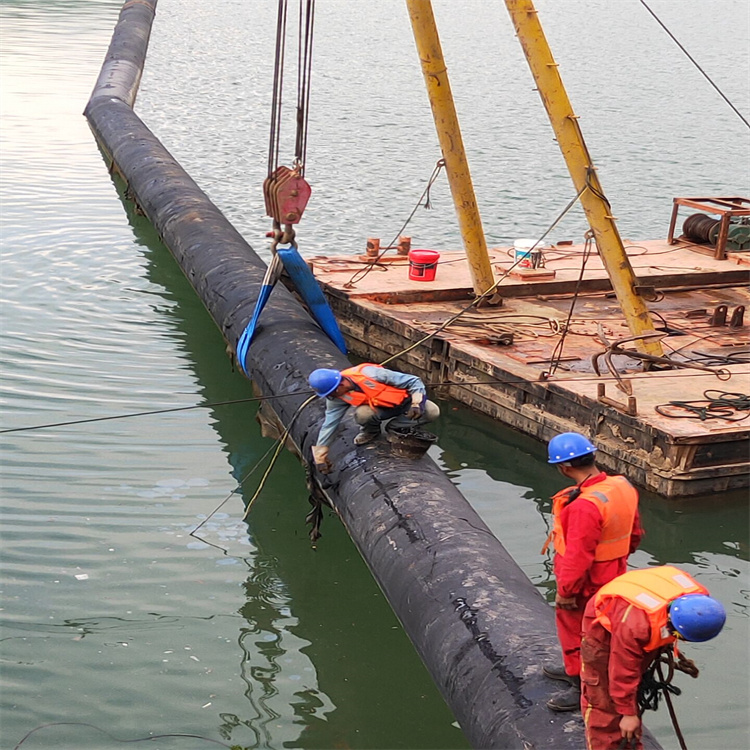
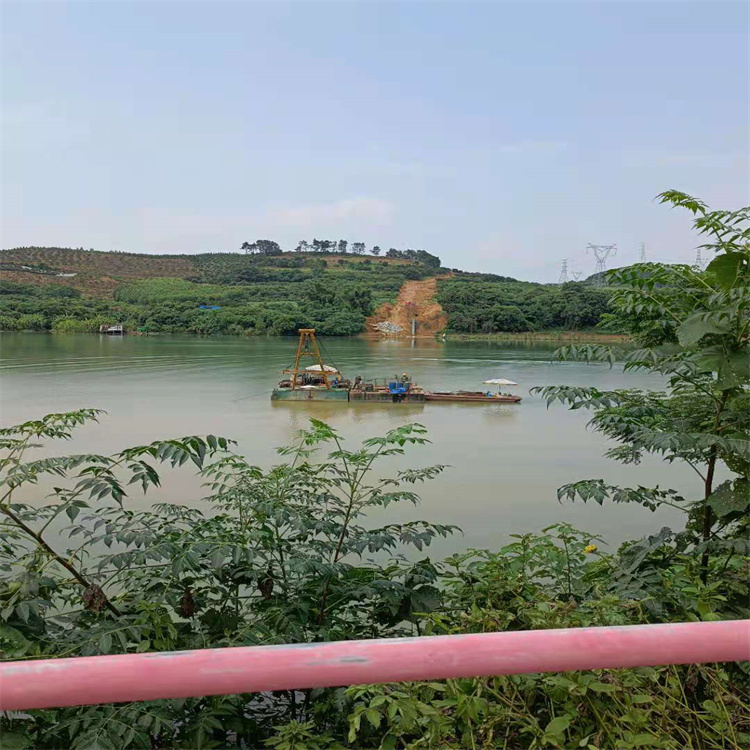

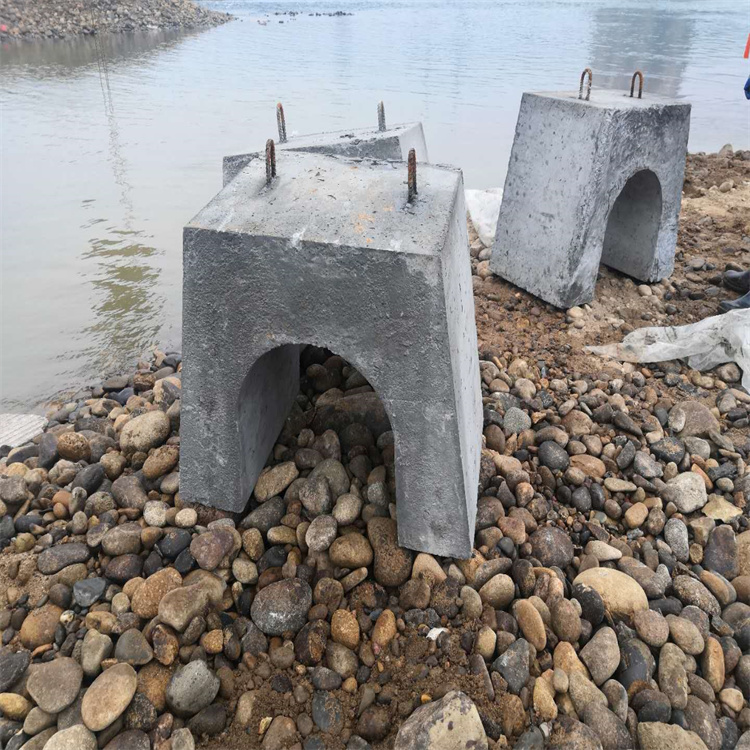
Underwater pipeline installation is a complex process involving multiple steps and considerations. Here are some basic steps and factors to consider:
Preparation Phase:
Design Planning: Conduct detailed pipeline design planning based on engineering requirements and on-site conditions, including material, dimensions, and connection methods.
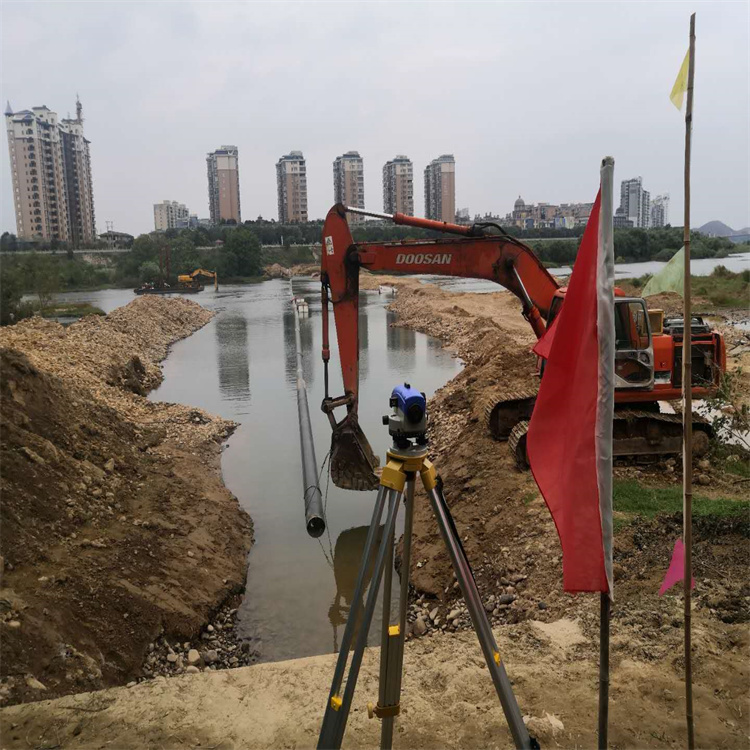
Geological Survey: Conducts a detailed survey of underwater terrain and geological conditions, understanding soil structure, water depth, and current velocity to provide foundational data for pipeline installation.
Construction Plan Development: Develop a detailed construction plan based on the design specifications and geological survey results, including construction methods, equipment, and safety measures.
Underwater Installation Steps:
Underwater Survey: Conduct an underwater survey at the installation site to ensure it meets design requirements and is free of obstructions affecting installation.
Underwater Cleaning: Remove obstacles near the installation site, such as rocks and seaweed, to ensure a smooth installation process.
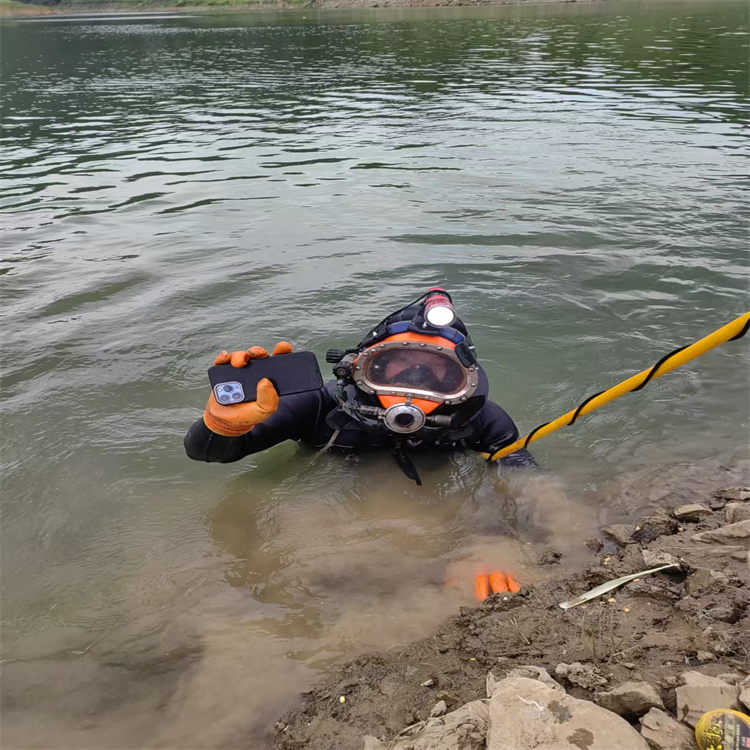
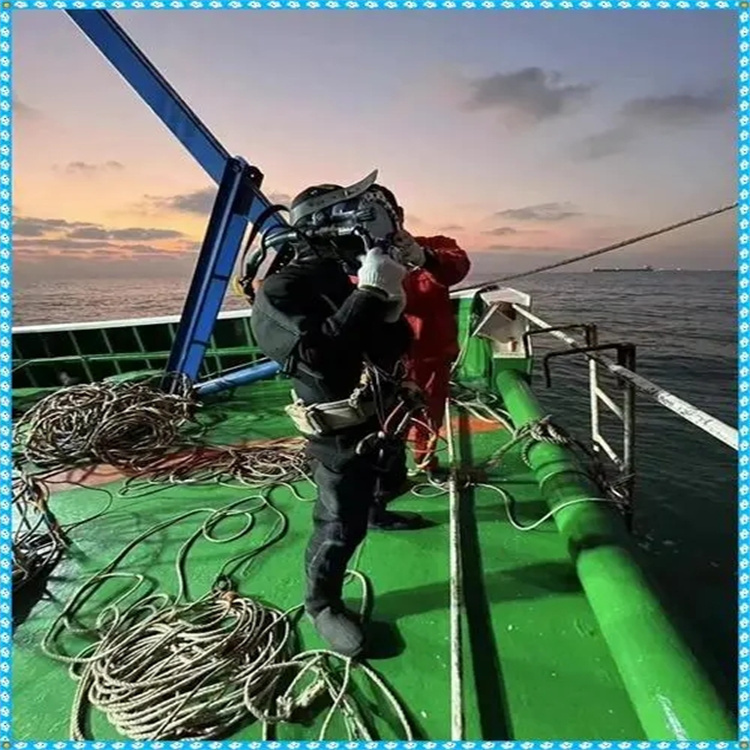
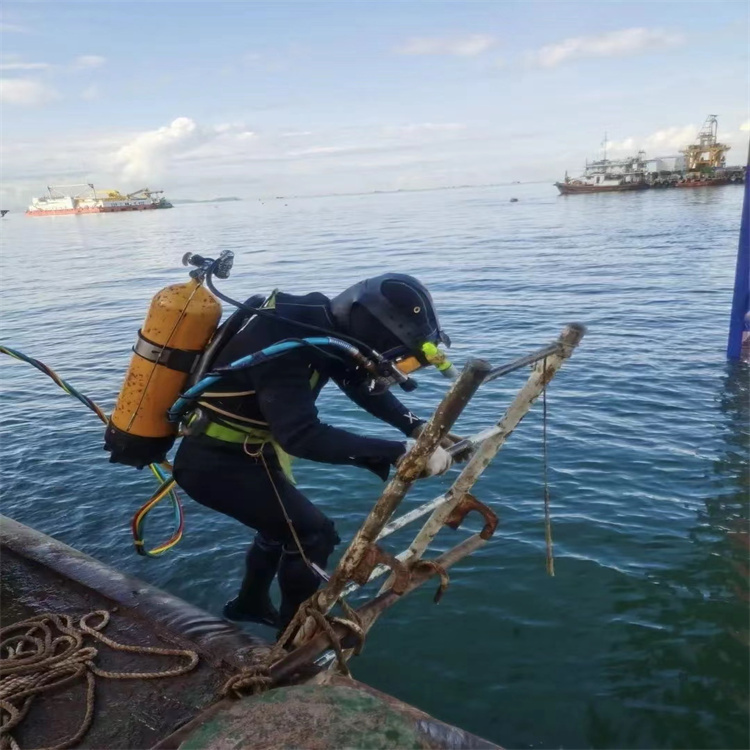
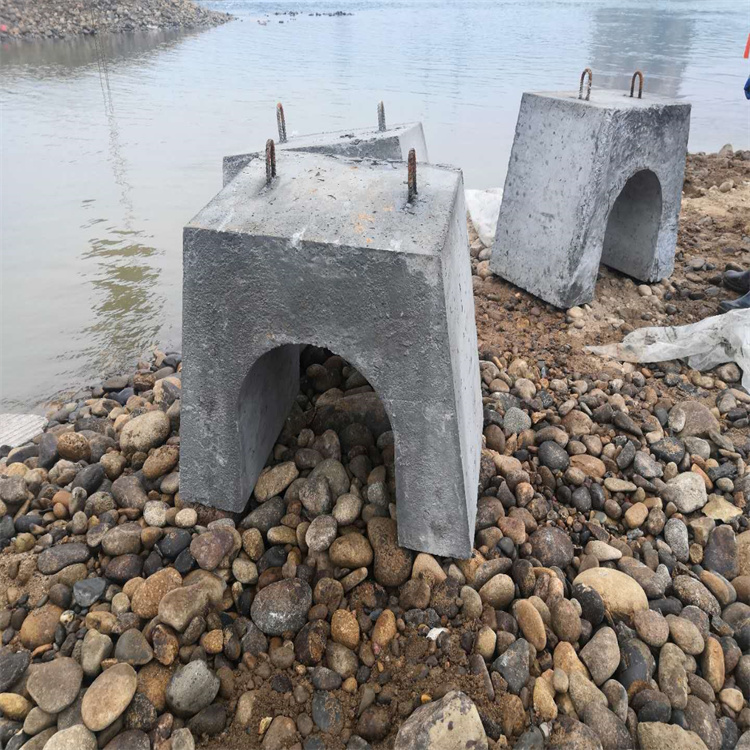
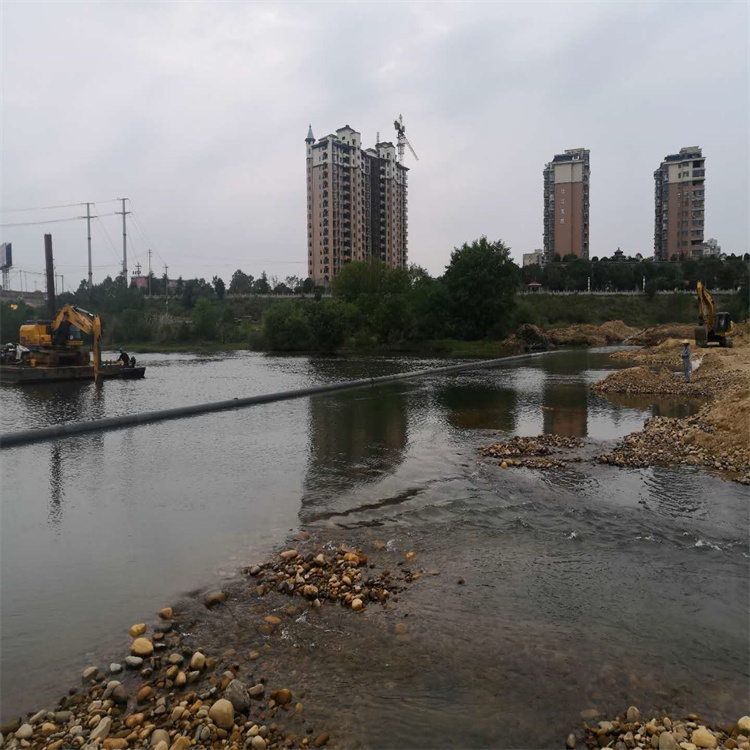
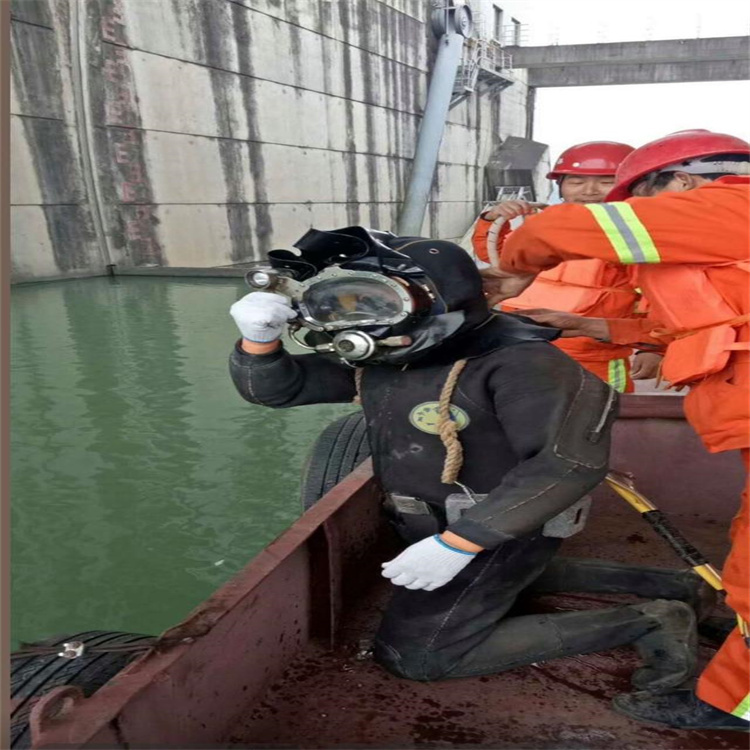
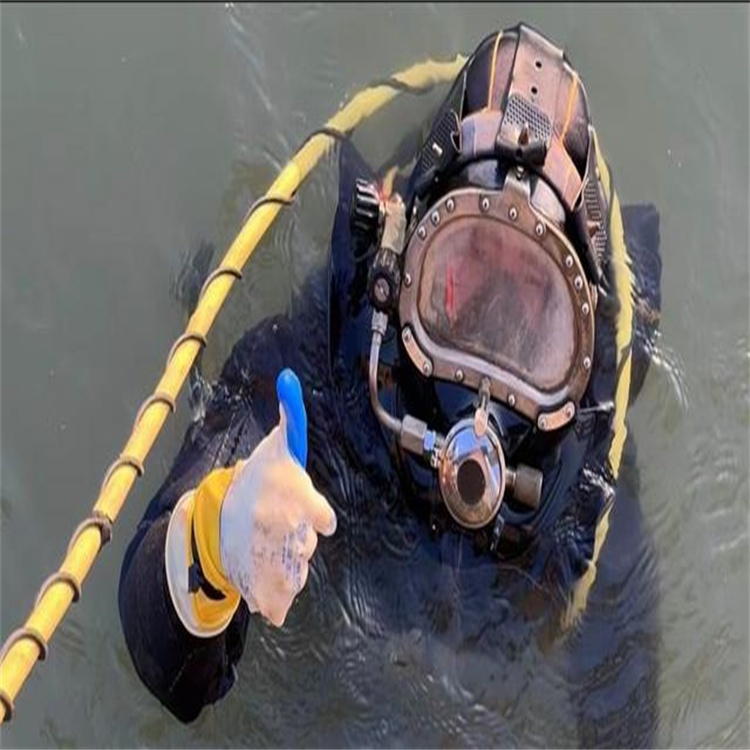
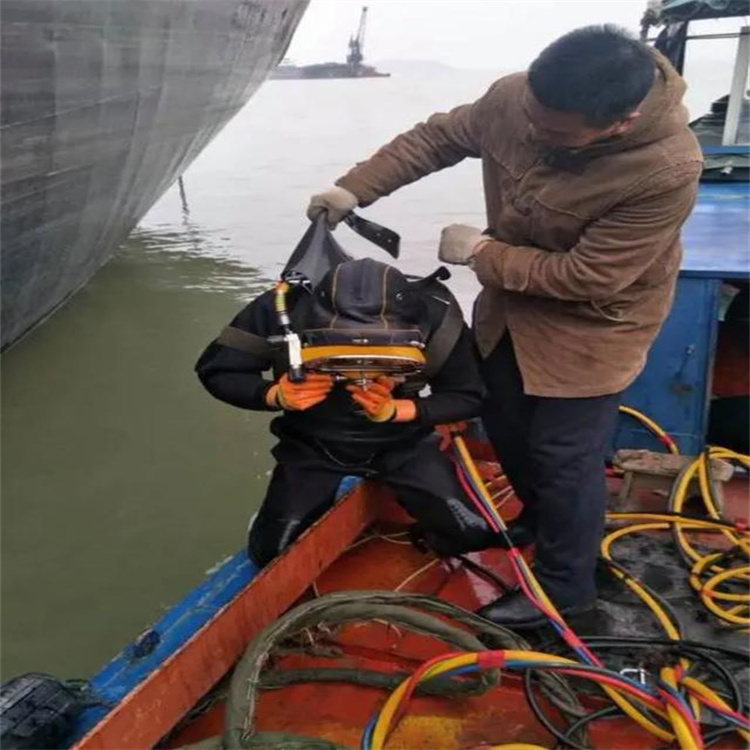
Pipe Installation: Utilize professional underwater installation equipment, such as divers and remote-controlled robots, to install pipes according to design specifications. During installation, ensure that the pipe connections are smooth, secure, and have good sealing.
Welding and Sealing: For pipes requiring welding, the welding must be done according to specifications, and the welds must be inspected and tested to ensure quality. For other pipe connections, sealing treatment is necessary to prevent leaks.
Underwater Testing: After pipeline installation, conduct underwater testing to verify if the pipeline's connectivity and sealing performance meet the requirements.
Safety Precautions:
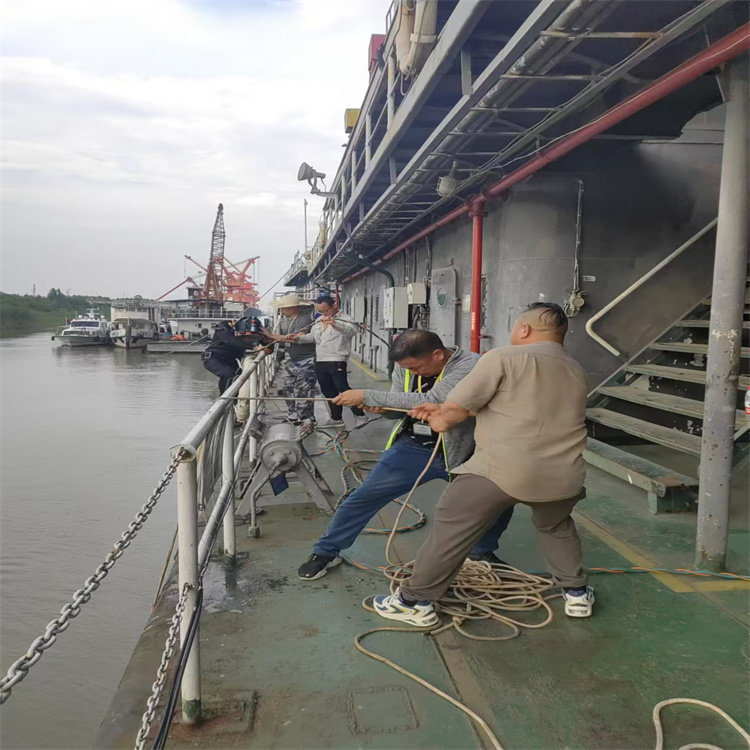
Diving Safety: Ensure divers have the appropriate diving qualifications, strictly adhere to diving operation procedures, and ensure the safety of diving activities.
Welding Safety: When performing underwater welding, strict adherence to welding safety regulations is necessary to prevent accidents such as fires and explosions.
Ventilation Management: Ensure proper ventilation in underwater work areas to prevent accidents caused by insufficient oxygen.
Quality Control:
Monitoring Measures: Implement rigorous construction monitoring measures to oversee the entire installation process, ensuring construction quality meets requirements.
Quality Inspection: Conduct underwater installation quality inspection, including pipe quality and sealing integrity at junctions, to ensure compliance with design specifications.
Construction Completion Work:
Cleaning Operations: Clean construction site and underwater equipment, ensuring the site remains tidy.
Summarize Experience: Conduct a summary of the underwater pipeline installation project, promptly draw lessons from the experience, and provide reference for future similar projects.