


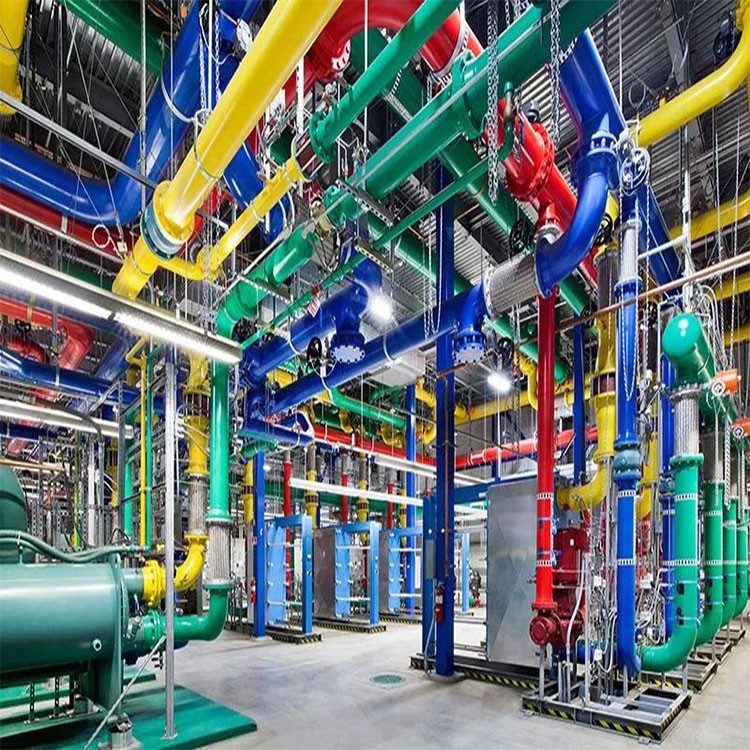













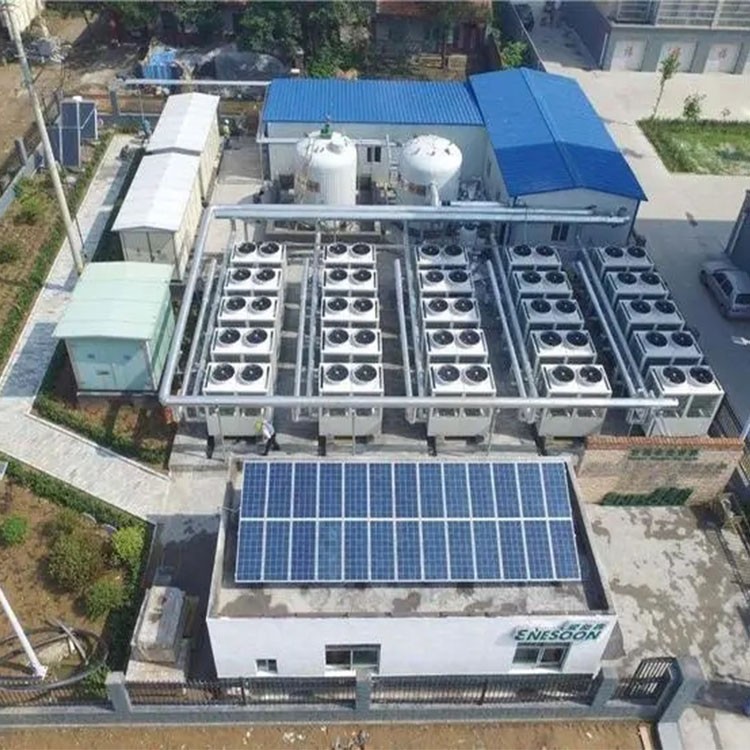


The Distributed Energy Supply Station is a regional heating technology developed by the company to meet the demand for centralized heating in local towns. It can build a "point-to-network" integrated regional energy supply system based on the current state of regional buildings, replacing urban heating infrastructure and achieving centralized energy supply for urban buildings (complexes). By combining with other energy sources, it reduces the consumption of traditional fossil fuels, not only proposing a new application model for shallow geothermal energy as an alternative heating source for buildings, but also representing a completely new approach and attempt, while also opening up vast space beyond the traditional market.
The Distributed Energy Cold and Heat Source Station is centered around the company's original "single well circulation heat exchange ground energy collection technology" (hereinafter referred to as the single well technology), primarily using renewable shallow ground energy as the main energy source, and choosing to integrate clean energy sources such as joint natural gas, gas, or geothermal. It incorporates innovative renewable energy comprehensive utilization technology to provide centralized energy supply systems for heating, cooling, and domestic hot water for urban buildings. During the heating period, the station provides a hot water source at 50-55°C, and during the cooling period, it provides a cold water source at 7-12°C. Its heating (cooling) method boasts significant advantages: clean, energy-efficient, multifunctional, short construction period, low supporting conditions, small land area, reliable operation; does not increase the burden on the city's power grid or other public utilities, is planned and constructed in sync with infrastructure development; utilizes modular configuration to meet the operational needs of different building scales, ensuring stability in investment and operation; can be operated without human attendance, with intelligent monitoring, ensuring safe and reliable system operation; users can achieve individual metering, resulting in low operational costs.
The distributed energy cold and heat source stations are designed according to regional climate conditions and heating/cooling loads based on the "2/1" principle. Independent point-type distribution of system rooms and ground energy collection wells (groups) are designed based on the building distribution in the region. A network system interconnected among the point-type distributed rooms serves as an auxiliary energy exchange network. Deep ground heat resources or natural gas resources are configured, combining 1/3 of the power demand for the designed heating/cooling loads with the current regional energy status, to provide auxiliary energy supply to the shallow ground energy supply system during extreme weather conditions using ground heat energy cascade utilization technology or natural gas CHP technology in the auxiliary energy exchange network. During the 2/3 interval of winter heating, a low-cost single-well circulation ground energy heat pump system is used for heating. In the 1/3 interval of colder winter weather, through a smart control system, auxiliary energy supply is immediately initiated based on the regional climate conditions and the energy supply capacity of the cold and heat source stations, ensuring the entire system meets the regional energy demands.


















