














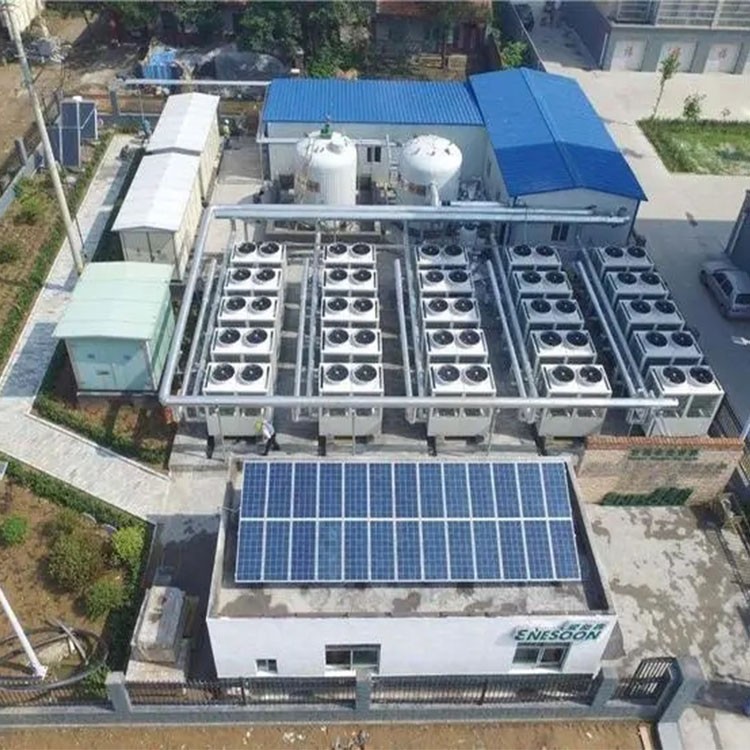


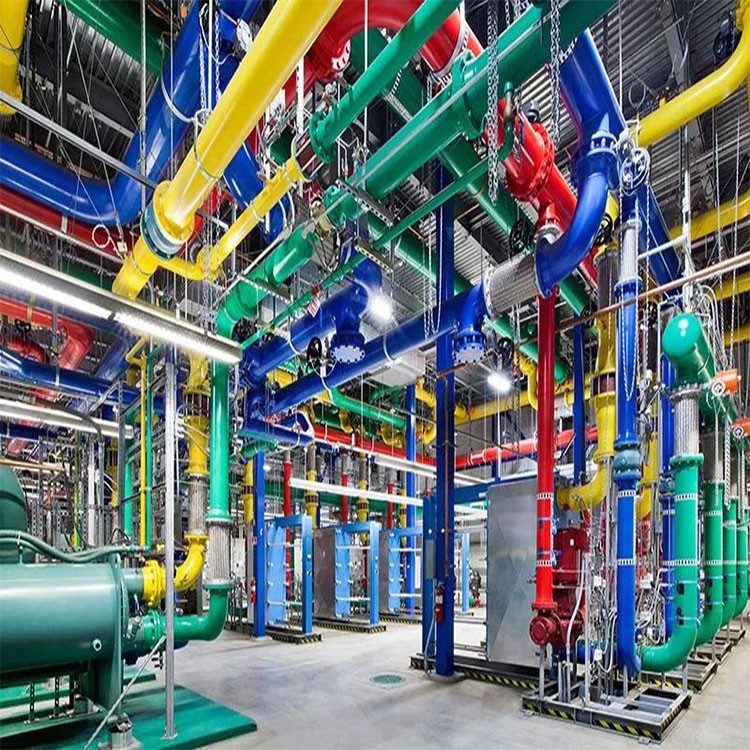
A ground-source heat pump is an energy-efficient and environmentally friendly air conditioning system that can both heat and cool by utilizing shallow ground geothermal resources. By inputting a small amount of high-quality energy (electricity), it can transfer energy from a low-temperature heat source to a high-temperature heat source. In winter, it extracts heat from the soil, increases the temperature, and supplies it for indoor heating; in summer, it extracts indoor heat and releases it into the soil, ensuring a balanced underground temperature year-round.
Geothermal Heat Pump Technology Features:
Environmental Protection: Utilizes electricity; no combustion process; zero emissions to surrounding environment; no need for cooling towers; no external units; no direct heat排放 to the atmosphere; no heat island effect; no noise; no groundwater extraction; no damage to groundwater resources. Triple-functional: heating in winter, cooling in summer, and hot water supply throughout the year. Long lifespan: over 20 years, 2-4 times longer than split or window-type air conditioners. Full computer control; stable performance; remote control via phone; capable of temperature and humidity control, as well as fresh air distribution.
The ground-source heat pump operates on the principle that during winter, the heat pump unit absorbs heat from the ground source (shallow water bodies or soil and rock formations) to heat the building. In summer, the heat pump unit absorbs heat from indoors and releases it back into the ground source, achieving air conditioning and cooling for the building. Depending on the form of the geothermal exchange system, ground-source heat pump systems are categorized into groundwater ground-source heat pump systems, surface water ground-source heat pump systems, and buried pipe ground-source heat pump systems.


















