








In the metal cutting process of the machining industry, due to variations in processing methods and materials, it is necessary to use cutting coolant to remove impurities and heat generated during metal cutting, ensuring the surface finish and processing accuracy of the metal cutting process. The cutting coolant should have low viscosity, good oiliness, strong cleaning power, good stability, and serve dual functions of cooling, heat dissipation, and lubrication. During use, the cutting coolant tends to become smelly and deteriorate over time, necessitating regular replacement, especially during summer when changes are more frequent. The discharged waste fluid not only pollutes the surrounding environment but also wastes the useful components in the coolant. Therefore, the recycling and reuse of metal cutting coolants in the machining industry is a long-standing difficult problem that urgently needs to be addressed. The successful application of inorganic separation technology in oil-water separation provides a truly feasible solution to this issue.
Advantages of Cutting Fluid:
1. Due to its versatility in materials and processing methods, it reduces the variety of products.
2. Long lifespan
3. Low foam performance, strong adaptability to water quality.
4. Excellent rust and lubrication properties.
5. Excellent wettability reduces coolant carryover, maintaining and cleaning the workpiece.
6. Harmless to operators and environment.
7. Non-harmful to paint, compatible with commonly used equipment sealing materials.
How to dispose of cutting fluid waste?
1. Physical treatment, aimed at separating suspended solids (such as chips, abrasive particles, oil particles, etc. with particle diameters over 10um) from the liquid solution. There are three methods: degradation and separation by utilizing the density difference between the suspended solids and water, floating separation, filtration separation using filter material, and centrifugal separation using a centrifugal device.
2. Chemical treatment aims to process finely suspended particles or colloidal particles that were not separated in the physical process (materials with particle diameters of 0.001-10um) or to render harmful components in waste liquids harmless using chemical methods. There are four primary approaches: coagulation methods, which use inorganic or organic coagulants (such as polyacrylamide) to promote the aggregation of fine particles and colloidal particles; oxidation-reduction methods, which employ oxidants like oxygen or ozone or electrochemical redox reactions to treat harmful components in waste liquids; adsorption methods, which use active solids like activated carbon to adsorb harmful components onto the solid surface for treatment; and ion exchange methods, which utilize ion exchange resins to exchange ion-based harmful components in waste liquids for treatment purposes.
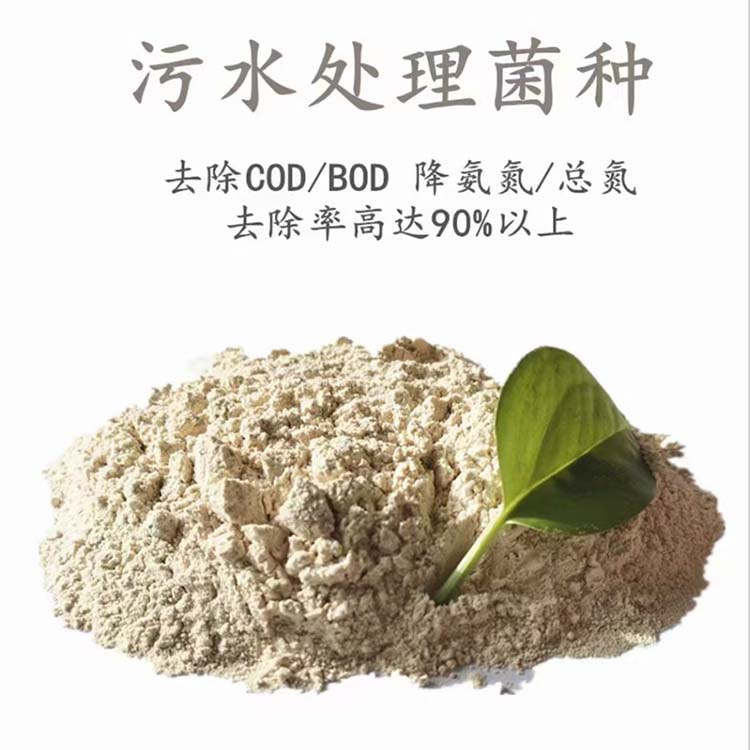
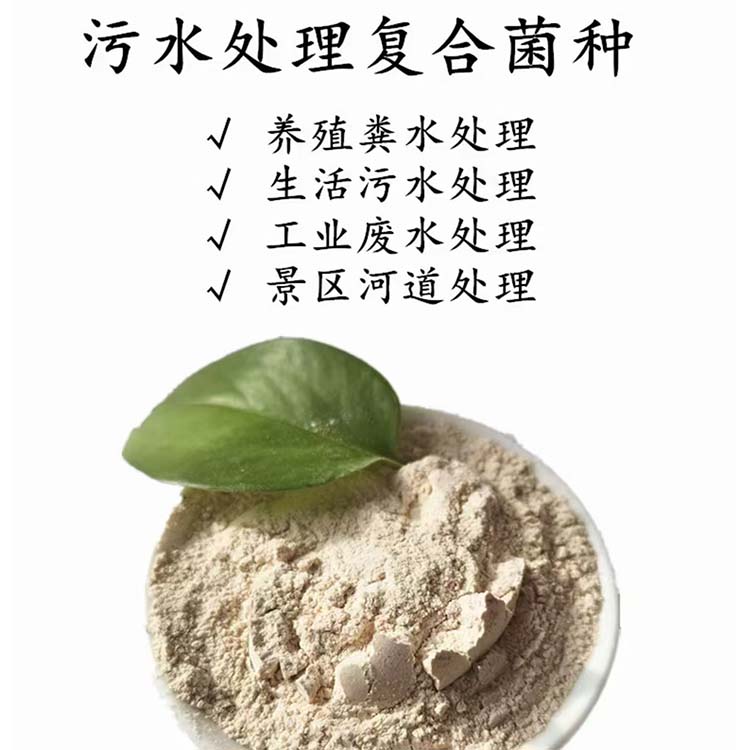
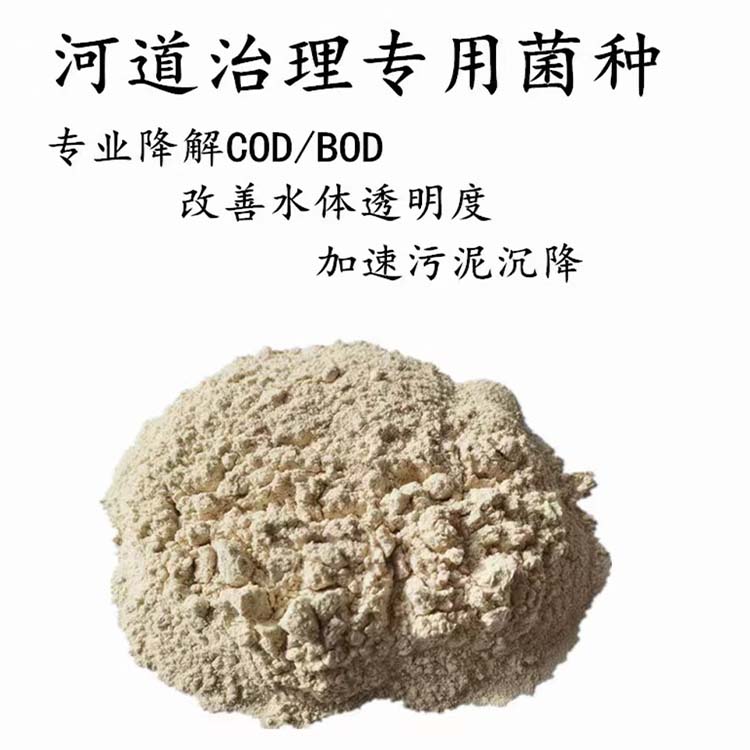
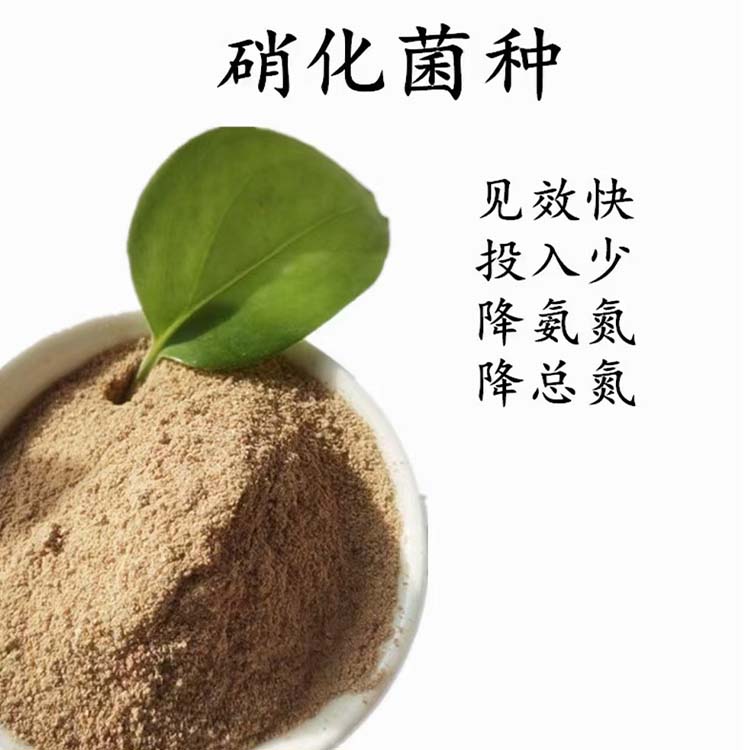
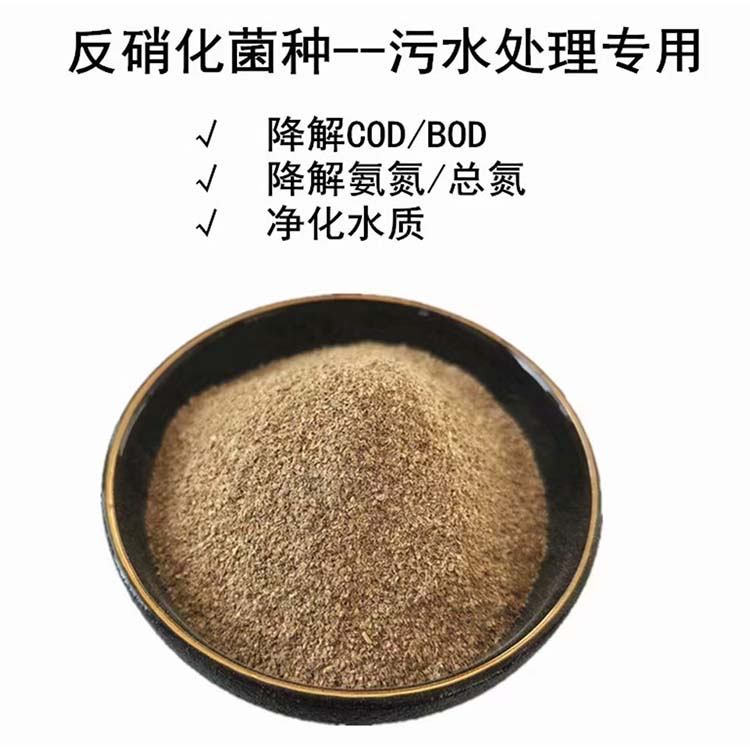
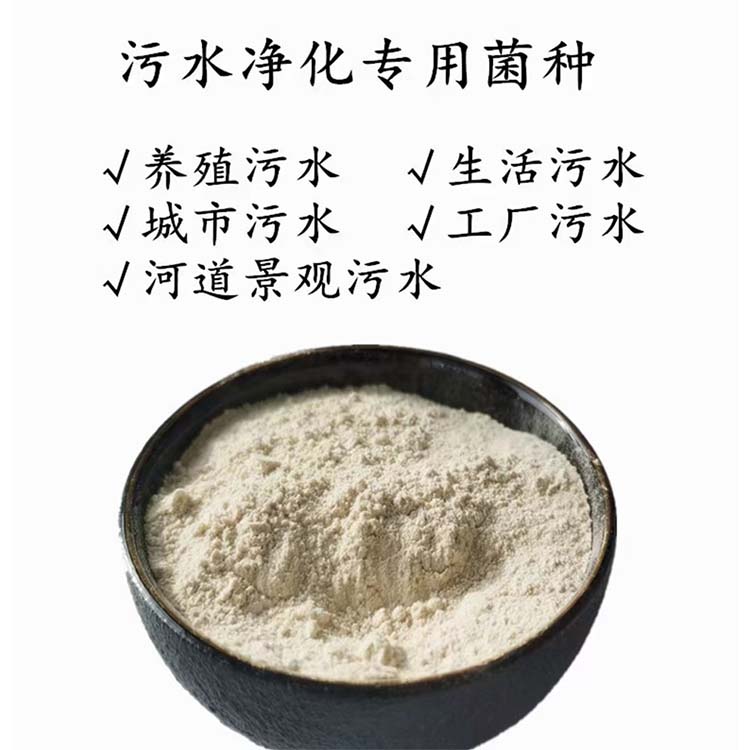
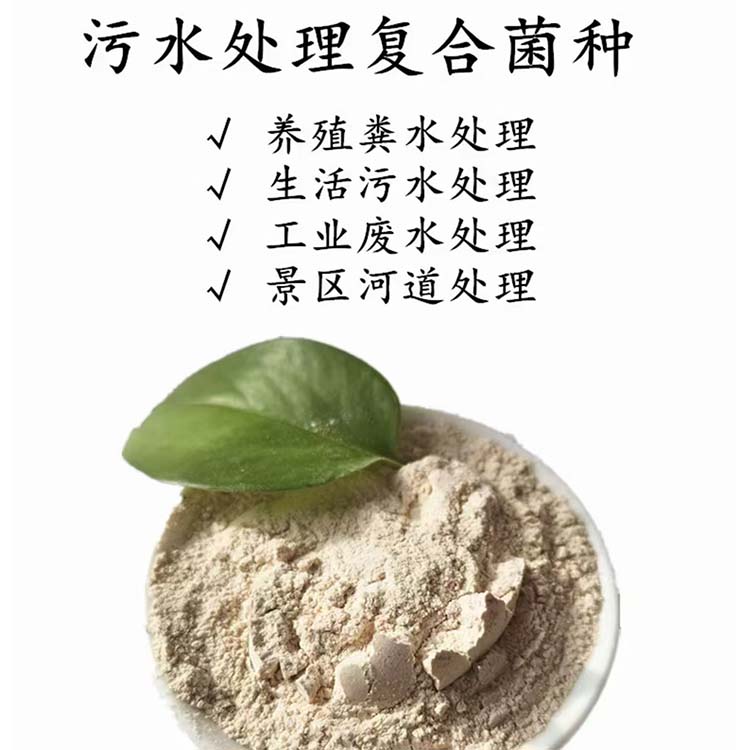
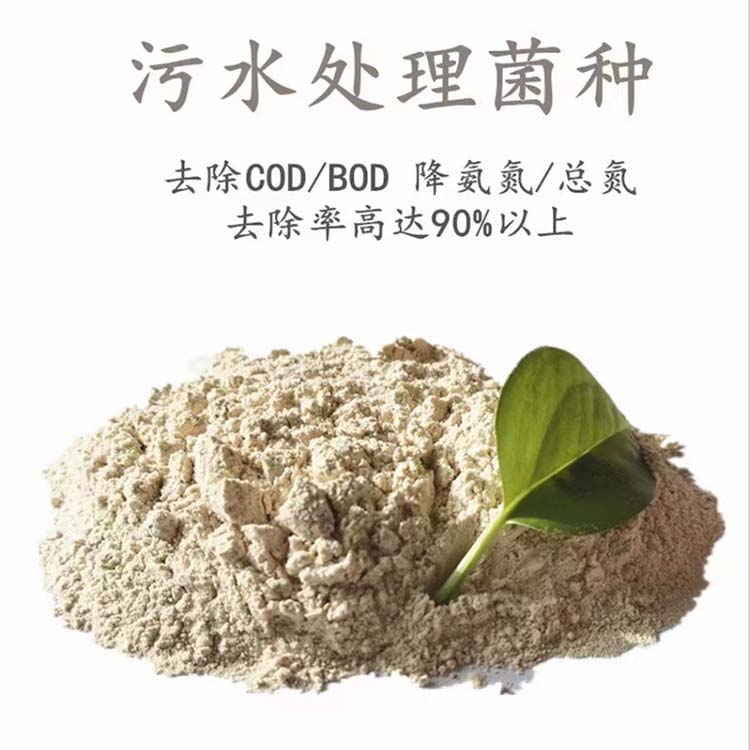
3. Biological Treatment: The aim of biological treatment is to process organic substances (such as organic amines, non-ionic surfactants, and polyols) in wastewater that is difficult to remove through physical and chemical treatments. Representative methods include the addition of microbial sludge and the use of a trickling filter bed. The microbial sludge method involves mixing the microbial sludge (a microbial growth medium) with the wastewater and aeration to utilize microorganisms in decomposing and treating harmful substances (organic matter) in the wastewater. The trickling filter bed method is when wastewater flows over the surface of a filter bed filled with filter material covered by microorganisms, utilizing the microorganisms to decompose and treat organic substances in the wastewater.
4. Direct combustion treatment and the "Evaporation and Concentration Method," which involves evaporating and concentrating the waste liquid before combustion.
WeChat Official Account

Scan to follow Official Account