






Paint is a commonly used coating for home decoration in our daily life and is widely applied in various industries, such as automotive paint, industrial paint, household paint, and construction paint. A significant amount of paint is consumed annually, which also generates a lot of waste paint. Some companies not only recycle waste paint but also collect used engine oil, waste liquids, and waste solvents. The cost of recycling waste paint is quite low and not expensive. After recycling, the waste paint undergoes technical processing to transform it into valuable resources and is reused.
Paint Categories:
1. Categorized by parts. Paints are mainly divided into wall paint, wood paint, and metal paint. Wall paint includes exterior wall paint, interior wall paint, and ceiling paint, mainly consisting of latex paints and the like; wood paint mainly includes nitrocellulose paint and polyurethane paint; metal paint is primarily magnetic paint.
2. Categorized by type. Paints can be divided into water-based and oil-based. Latex paint is the main type of water-based paint, while nitrocellulose paint, polyurethane paint, and others generally fall under the oil-based category.
3. Categorized by function. Paints can be divided into waterproof paint, fire-retardant paint, anti-mold paint, mosquito-proof paint, and multifunctional paints with various functions.
4. Categorized by their action forms. Paints can be divided into volatile paints and non-volatile paints.
5. Categorized by surface effect. Paints can be divided into transparent, semi-transparent, and opaque types.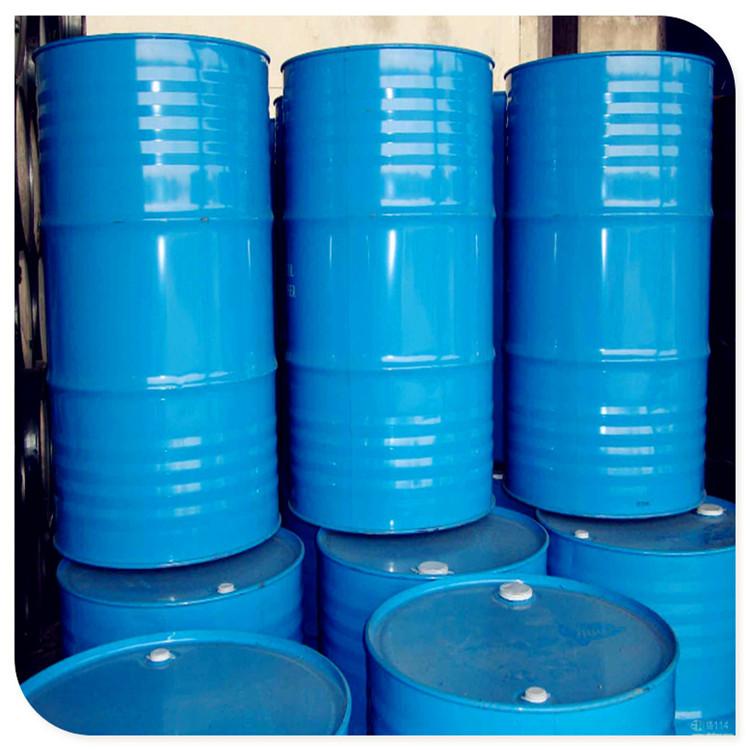
What can be done with recycled paint?
With the rapid development of industry, there is inevitably a large amount of industrial waste, especially an abundance of paint waste. Paint is commonly seen in construction and decoration, as well as in various industries. Currently, the method of treating waste paint is often recycling, typically through burning. However, we all know that burning waste paint can cause significant pollution to the atmosphere, and improper disposal can contaminate land resources and even lead to fires. So, how should waste paint recycling be handled?
Many paints contain harmful substances that can affect both environmental and personal health if not properly disposed of. It's actually time to consider the path of sustainable development. Waste paint, in itself, is something that can be reused. In our minds, we think that anything old and no longer usable is just waste. So, how to deal with it? That's by recycling and reprocessing waste paint for further use.
Recycled paint, after proper processing, can be applied in auto repair shops and similar venues, typically indistinguishable from new paint, and at a cost of just half. This method saves costs and protects the environment without compromising quality due to its reuse.
Of course, some paints cannot be recycled. Solidified paints can be disposed of safely. We remind everyone that waste paint is highly hazardous and should not be handled blindly.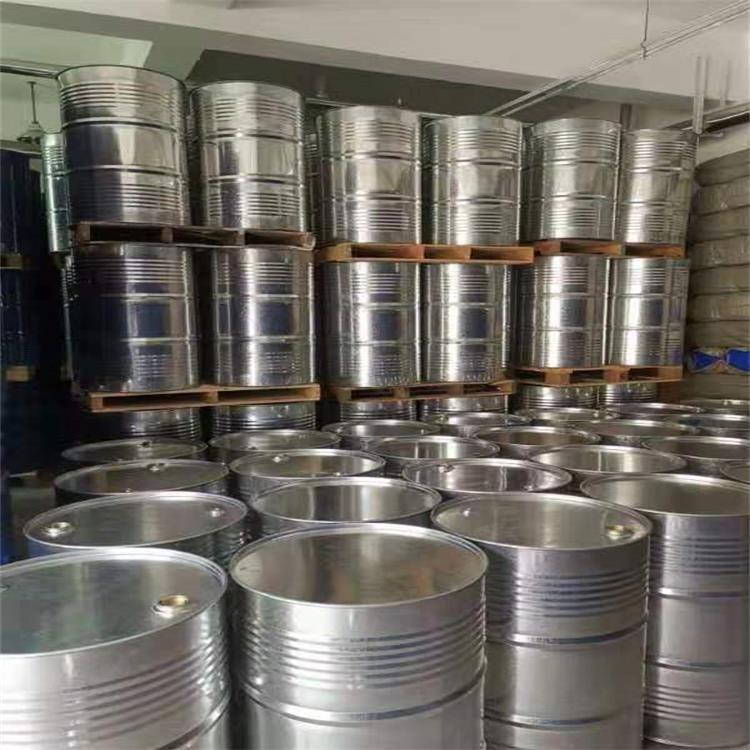
Paint Recovery Methods:
1. First, categorize the recycled paint, ensuring no mixing. Place the waste paint in a rectangular trough, add double the water, then introduce a certain amount of solvent. Soak for one to two days; if a floatable flocculant is added to the waste paint, certain additives are needed during the soaking process.
2. Next, dehydrate the material, add suitable solvents, grind and mix, separate, remove mechanical impurities, filter, and add stabilizers and leveling agents. Then, paint the product, which can be either dried or self-drying.
3. After paint recycling and processing, if the luster is found to be diminished, a suitable amount of brightener should be added. These can be applied to the exterior coatings of car repair shops, wagons, bridges, and others, often indistinguishable from new paint, and at a cost just half of new paint.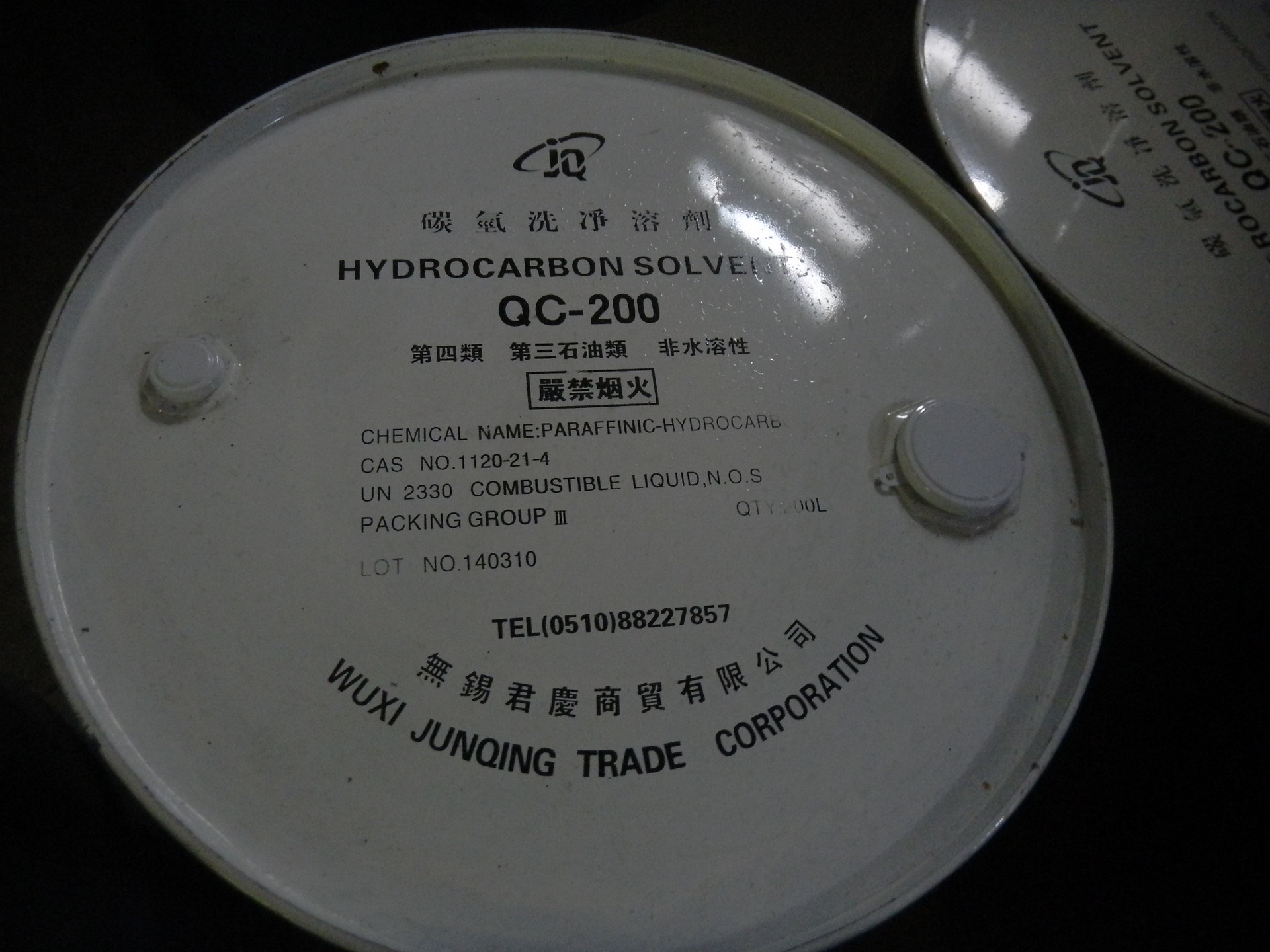
Paint is an ancient term; coatings, a modern civilization's nomenclature, encompass more technological components and are widely used in modern technology and industrial fields. However, some colloquial and habitual terms for paint, such as latex paint, primer, and topcoat, are still retained. Generally, paint is a material that can be applied to the surface of an object to form a strong, continuous film of adhesion. It can be inorganic, like electroplated copper, nickel, or zinc, or organic, like most organic macromolecular materials, which constitute the main part of today's paint market.
Our company, adhering to the principle of customer-first, prompt, and reliable service, will continue to work hand in hand with new and old customers to create a brighter future and make greater contributions to China's economic and environmental protection efforts.
WeChat Official Account

Scan to follow Official Account