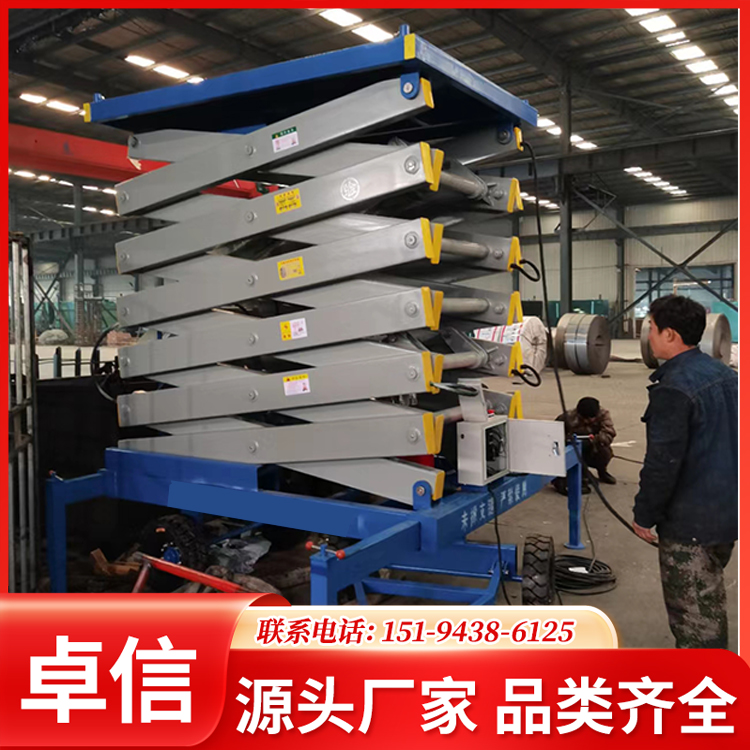
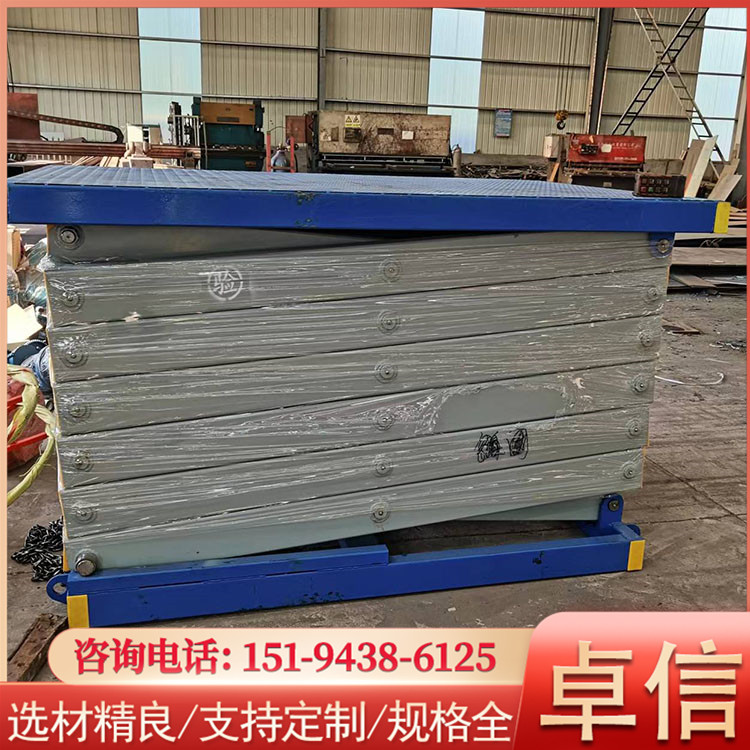
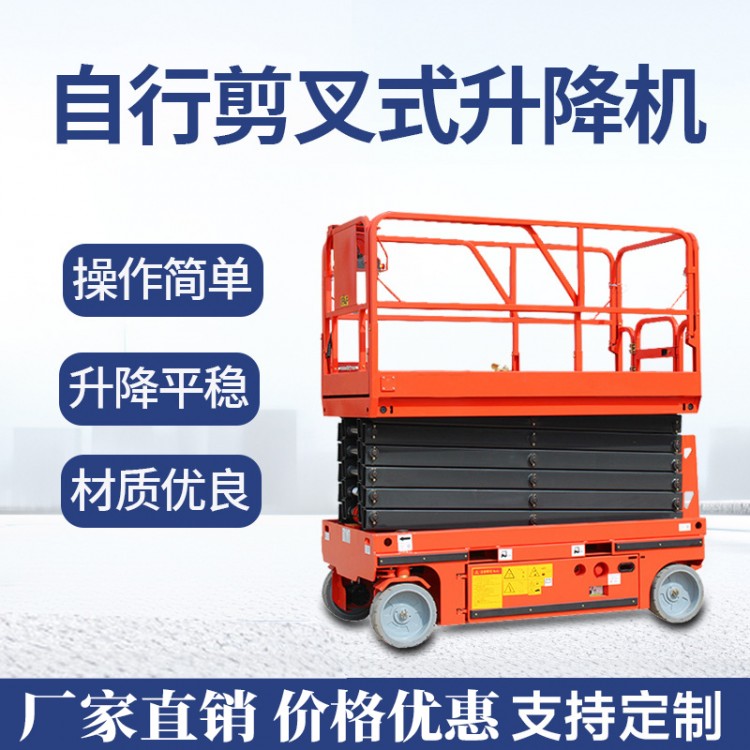









Detailed Information
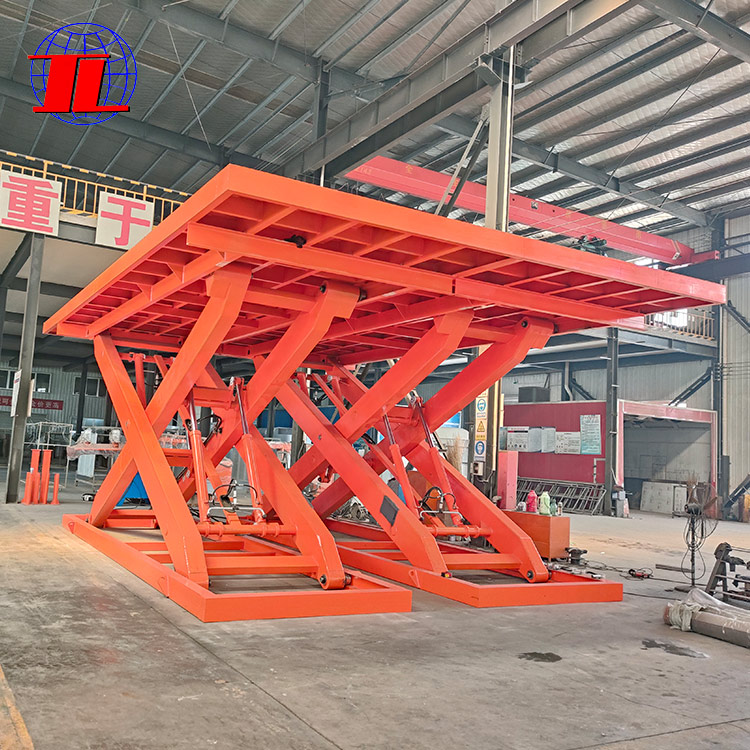
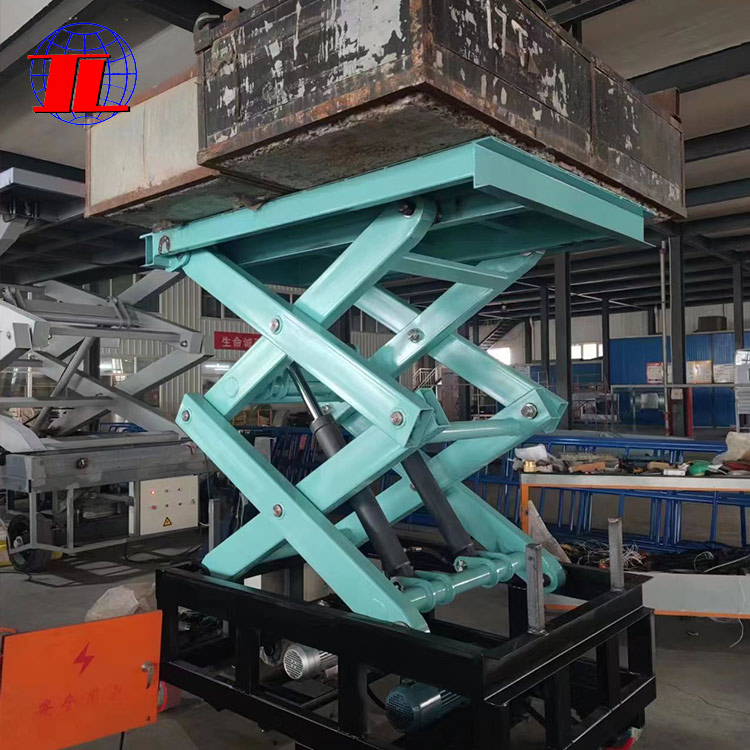
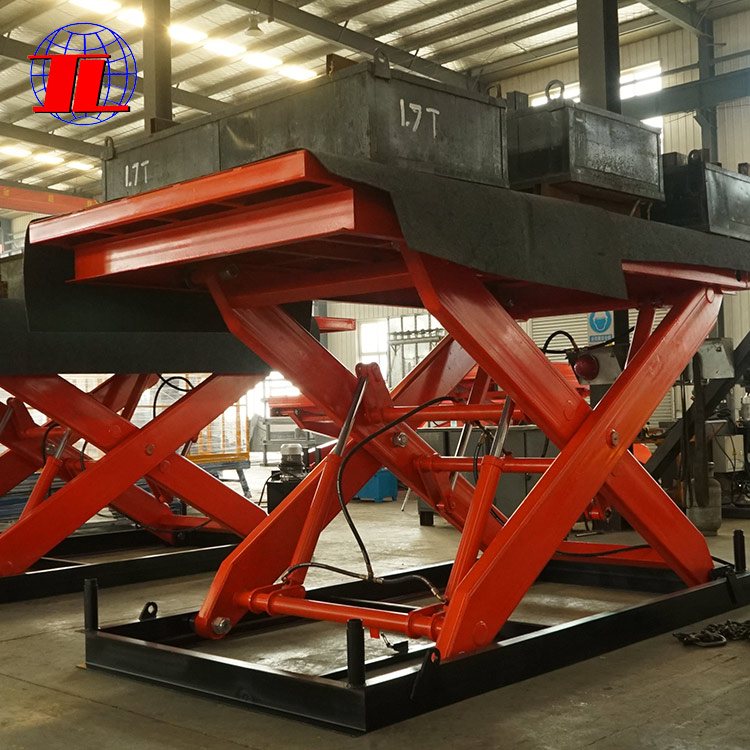
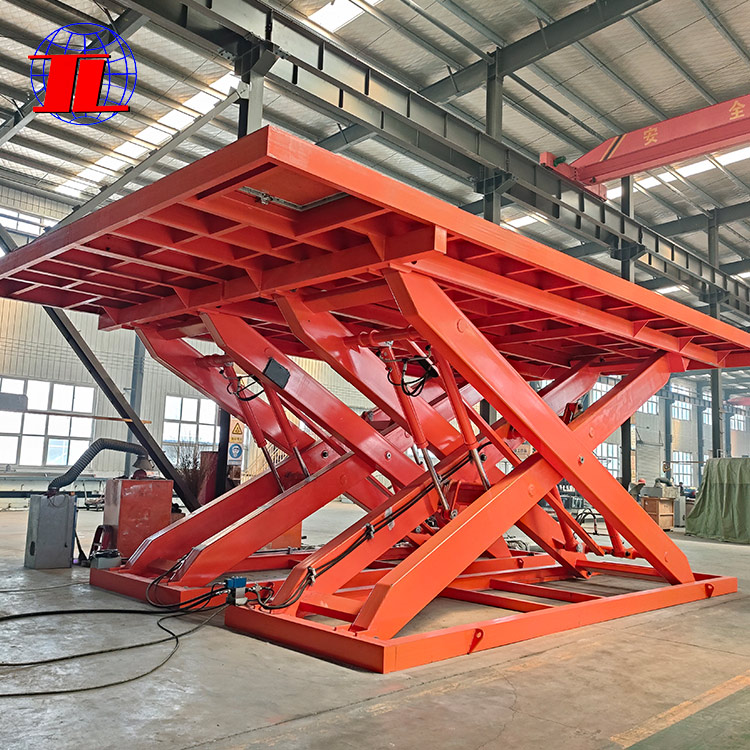
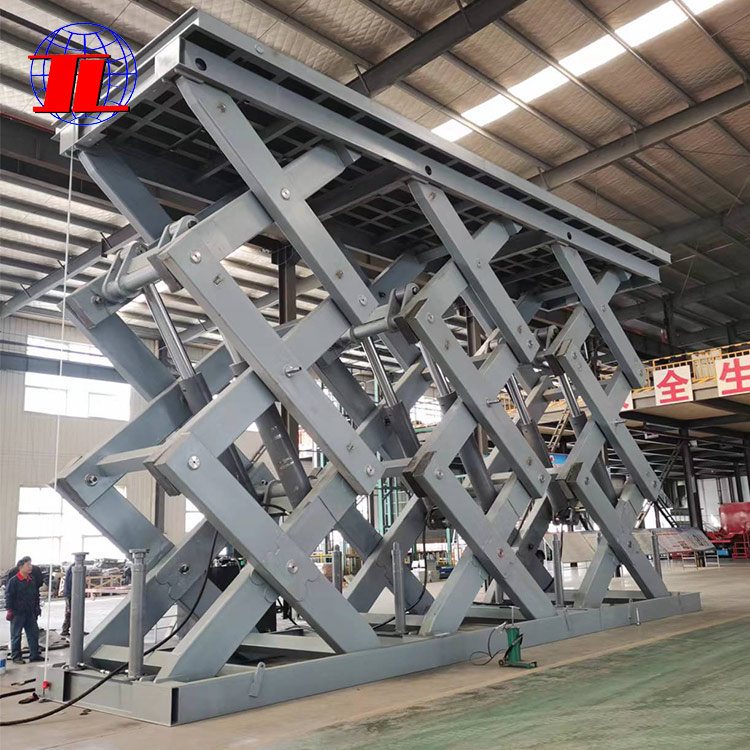
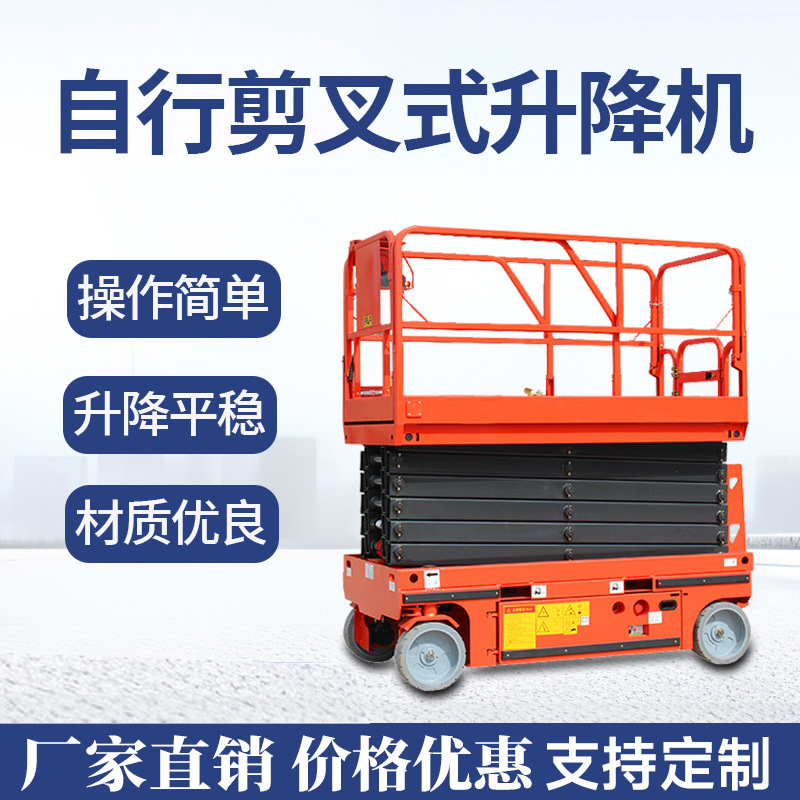
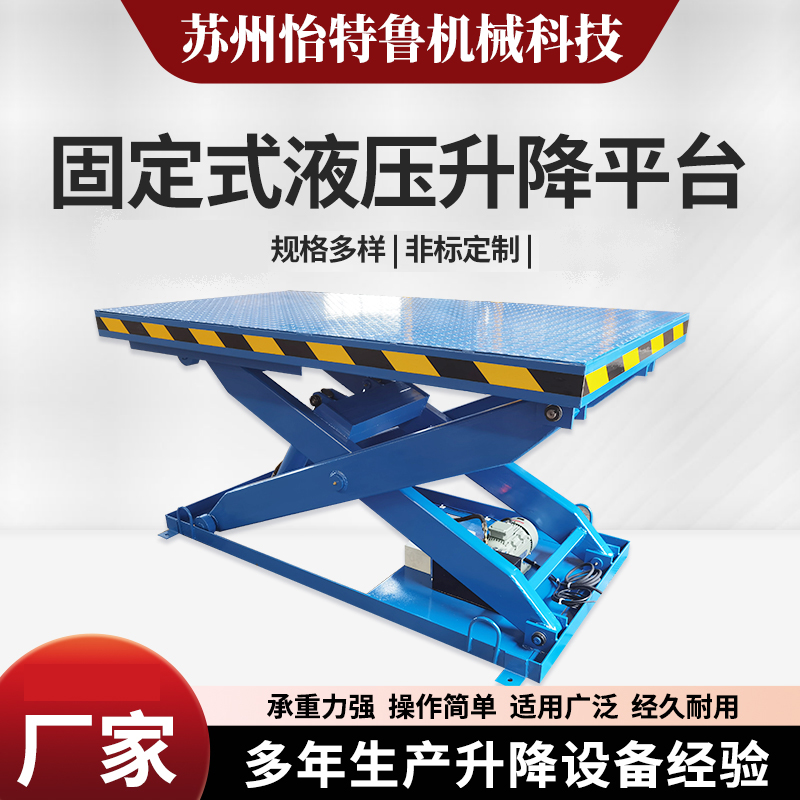
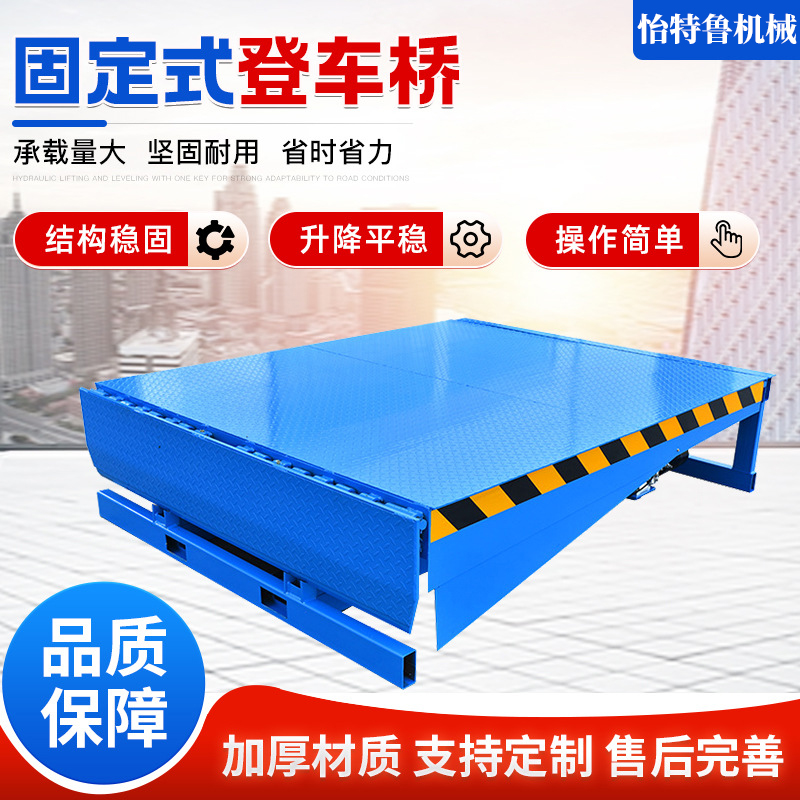
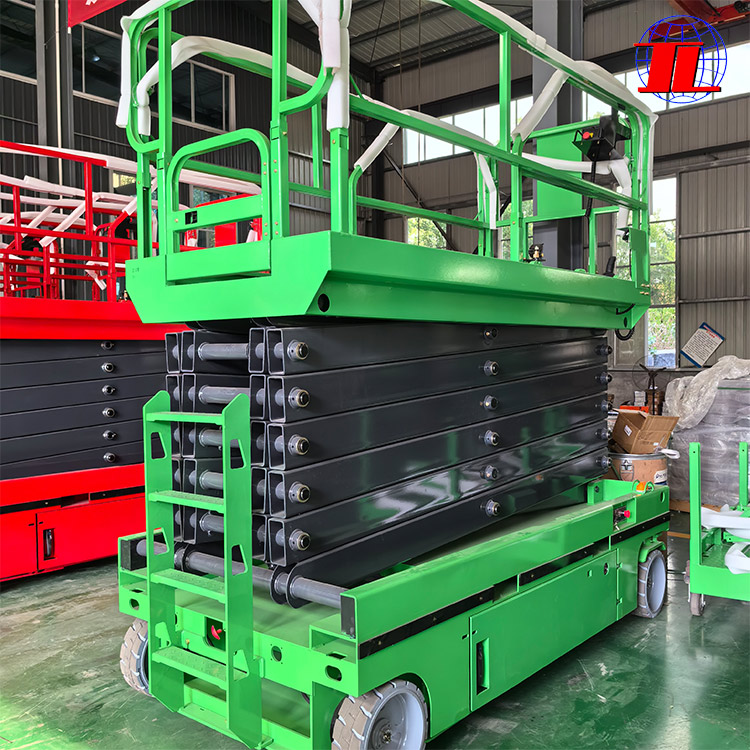
 Fixed high-capacity lifting platform cranes have a large load capacity, stable operation, and usually feature a large work surface.
Simple and reliable operation, sturdy structure, easy installation and maintenance, and long service life.
Product hydraulic system is equipped with anti-fall and synchronization devices.
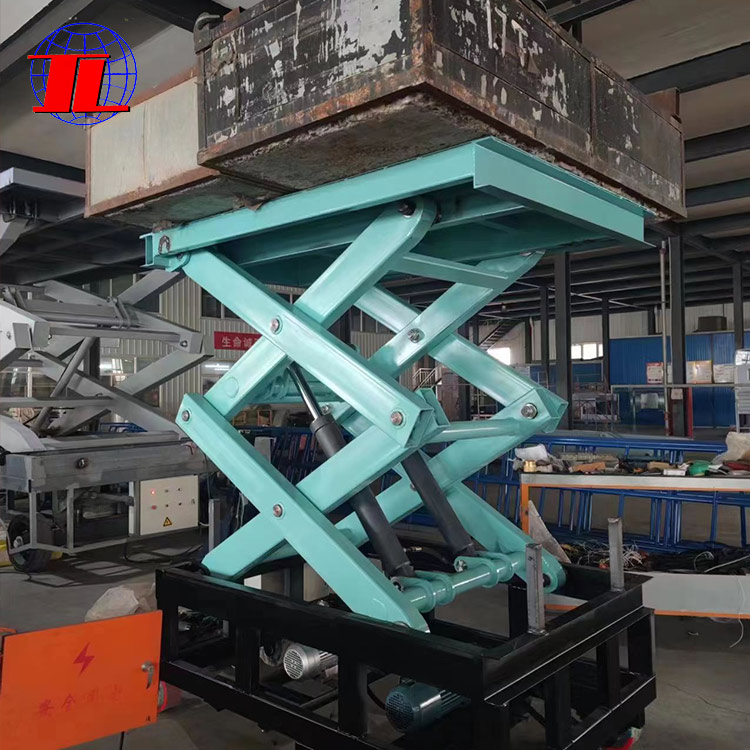
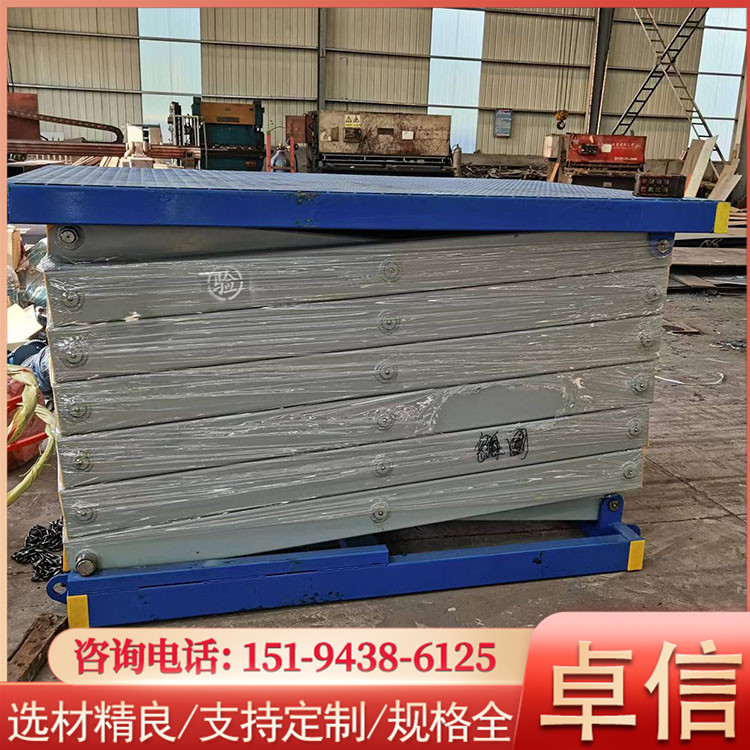
Available in various surface types such as flat, roller, and telescopic, tailored to user requirements.
Power outage can be manually lowered; equipped with an emergency stop button, convenient, quick, and practical.
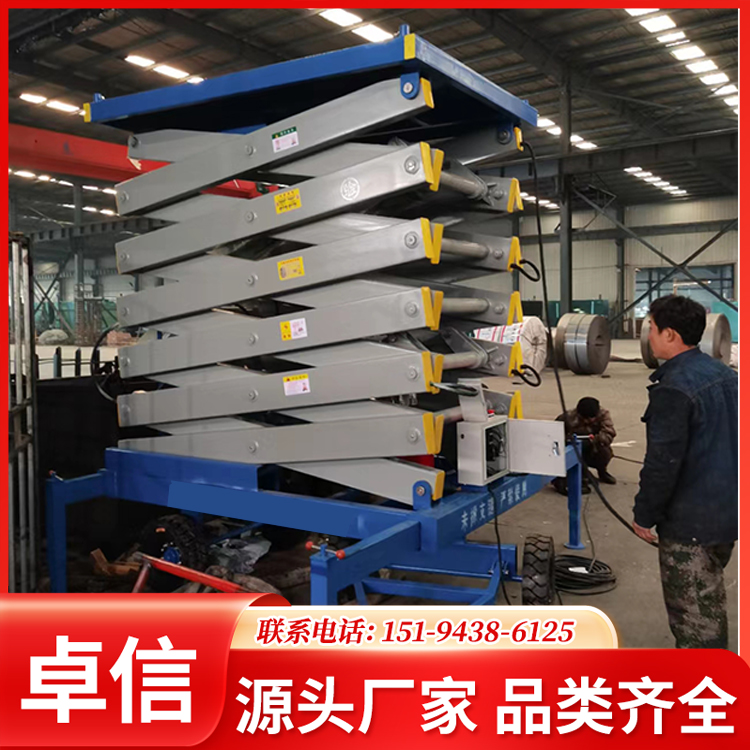
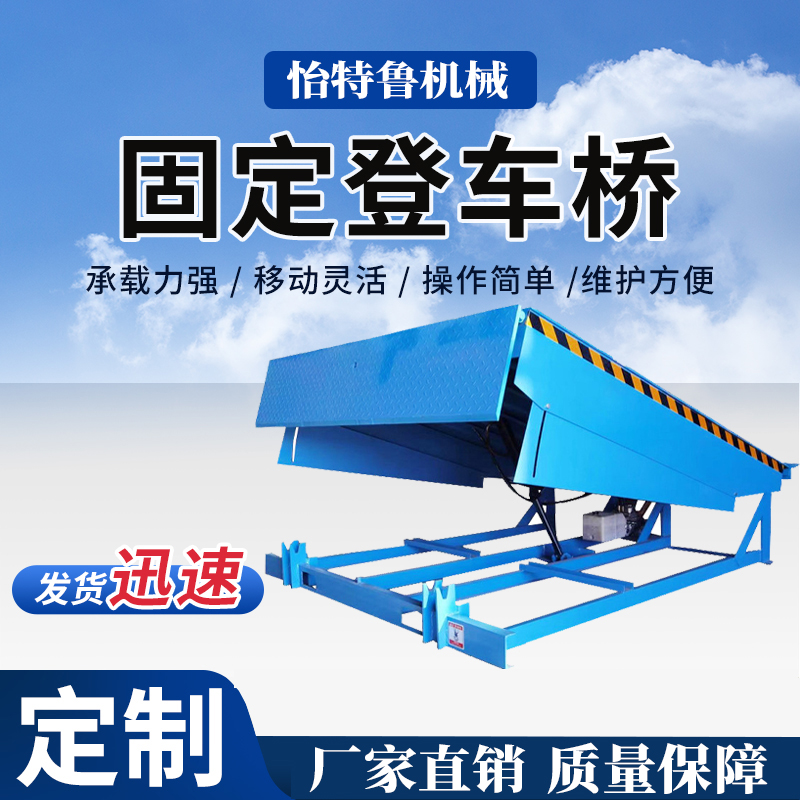
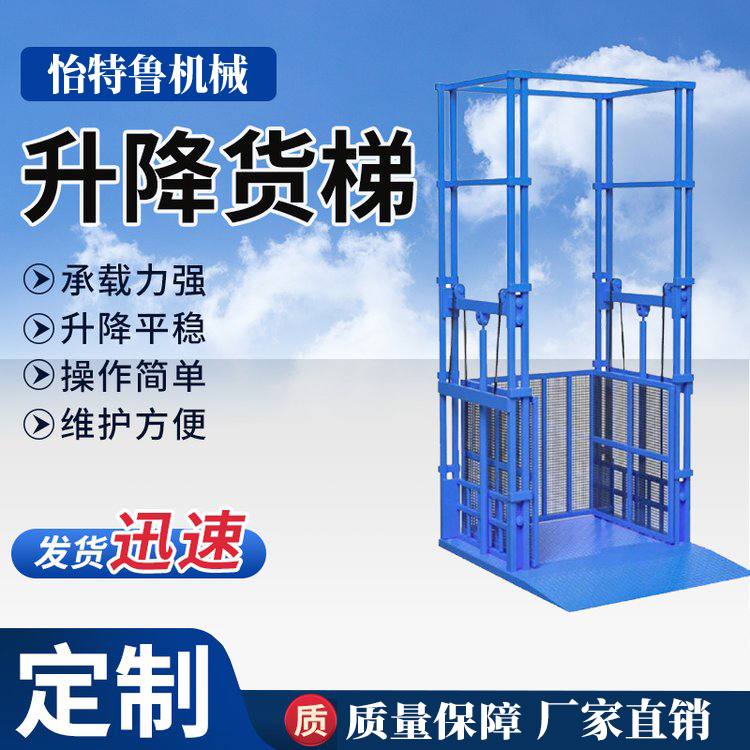
This product is primarily used in corporate production lines, warehouses, logistics, shopping malls, stations, docks, and other similar locations.
The main rotating parts are equipped with wear-resistant composite sleeve and needle roller bearings, which can reduce wear between the support rods and pins, thereby extending the service life of the equipment.

Custom designed for user requirements, the carrying capacity reaches up to 80T.

1. The hydraulic lifting platform (abbreviated as the platform) has been inspected before shipment, with all technical specifications meeting the design requirements. Simply connect the ground wire during use, no adjustment is needed for the hydraulic and electrical systems.
2. Thoroughly inspect the hydraulic and electrical systems before using the platform, ensuring there are no leaks or exposed wiring.
3. The platform should be in an unloaded state prior to lifting or lowering. After connecting the power supply, the power indicator light should illuminate, and the main stop button should be pressed; then press the motor start button.
4. Press the UP (green) button, observe if the platform responds, let the motor run idle for 3-5 minutes. If it does not rise, reverse the motor, shut off the power, and swap the two phases of the motor.
5. Press the up button (green light on), the platform begins to rise, stops automatically at the desired height (green light off), then press the down button (yellow light on), the platform starts to descend, and stops at the original position with the solenoid valve automatically de-energized (yellow light off).
6. During the upward or downward process of the platform, press the stop button to halt if necessary (the red button).
7. Turn off the power after use。


1. Cautionary Notes
The work surface should be kept level during installation and use of the platform.
2. During the lifting and lowering process of the platform, it is strictly prohibited for any personnel to climb. If maintenance is required, the platform should be raised first and then proceed with the maintenance.
Secure the platform firmly before proceeding.
3. The platform strictly prohibits overload operations during use; items should be placed in the center of the workbench's surface.
Center position, no movement or overload.
4. The hydraulic oil used must remain clean and free from water and other impurities.
5. In case of platform malfunction, promptly disconnect the power supply for maintenance.
Section II: Maintenance and Care
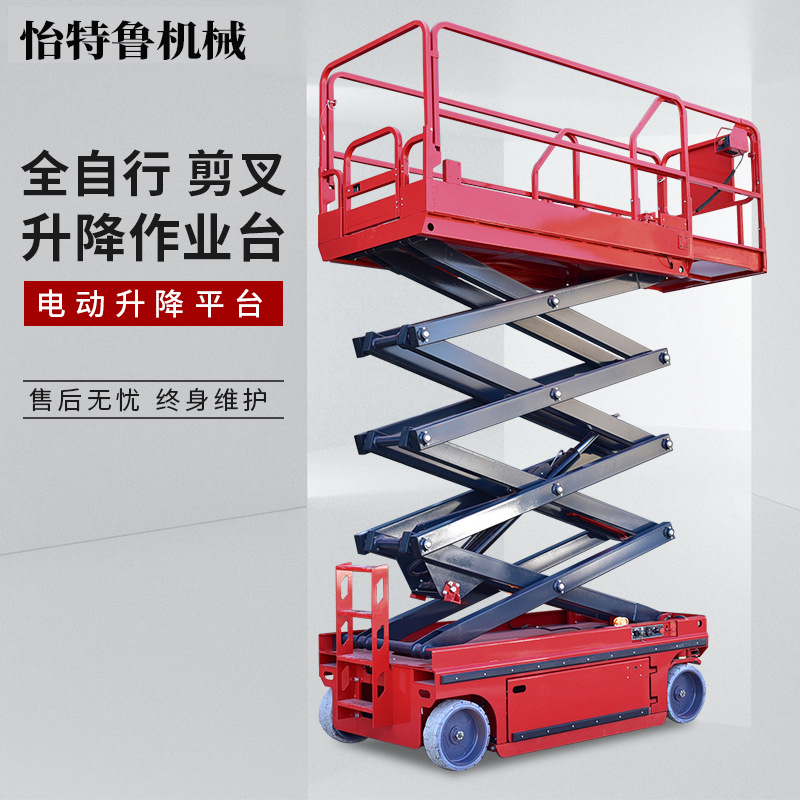
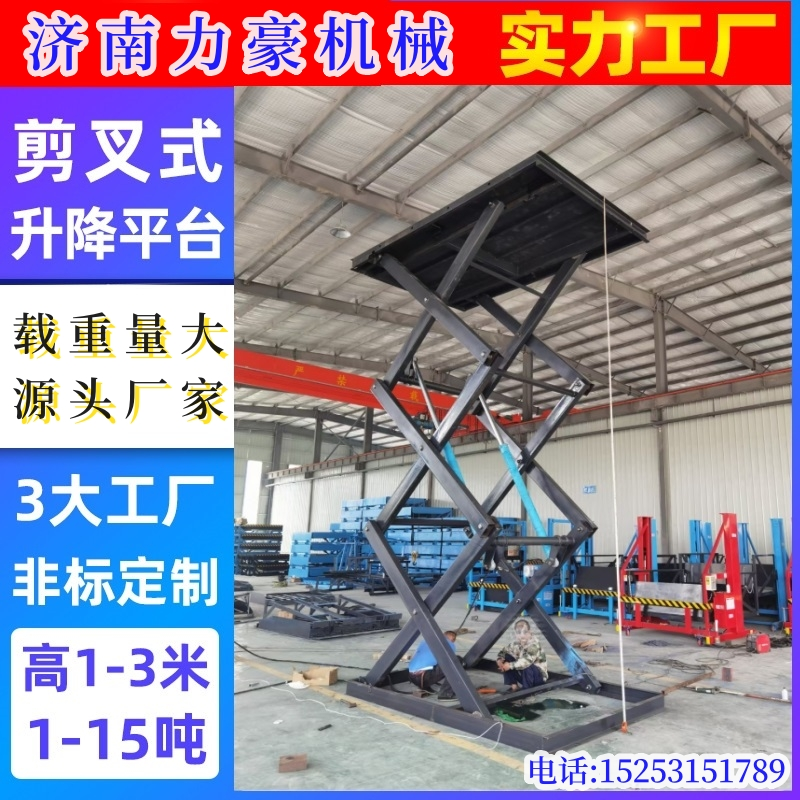
The elevator is a scissor lift, with its rotating parts connected by pins and sleeves. To reduce friction, there is a grease nipple at the pin end for lubrication. The platform must be lubricated with grease after 80 hours of use, approximately every 10 days.
2. After every 200 hours of operation, approximately every 6 months, replace the hydraulic oil; the viscosity of the hydraulic oil should be between 22-46mm/S. Use hydraulic oil with a higher viscosity in high-temperature working environments, and filter the oil when refueling. Generally, use N46 hydraulic oil in summer and N32 in winter.
After working 80 hours, approximately 10 days later, inspect the screws on the rivets for any looseness, and address this promptly if present.