









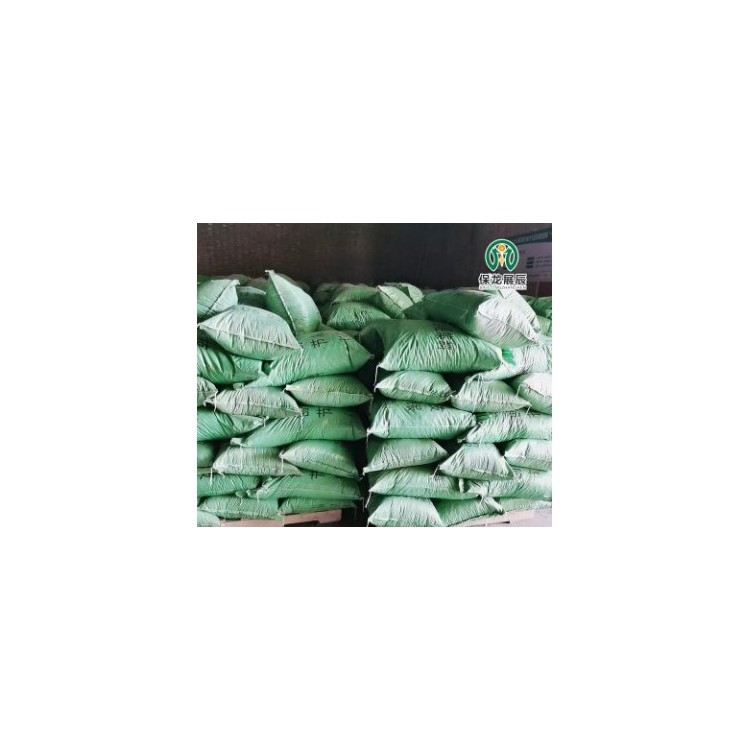

Dry-mixed composite lightweight aggregate concrete, wall-specific supplier
One, Product Description
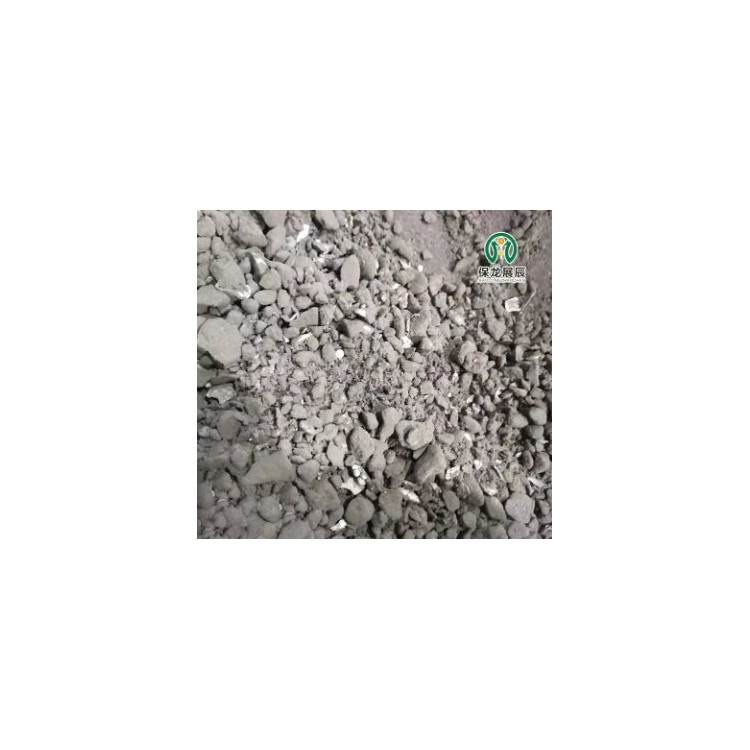
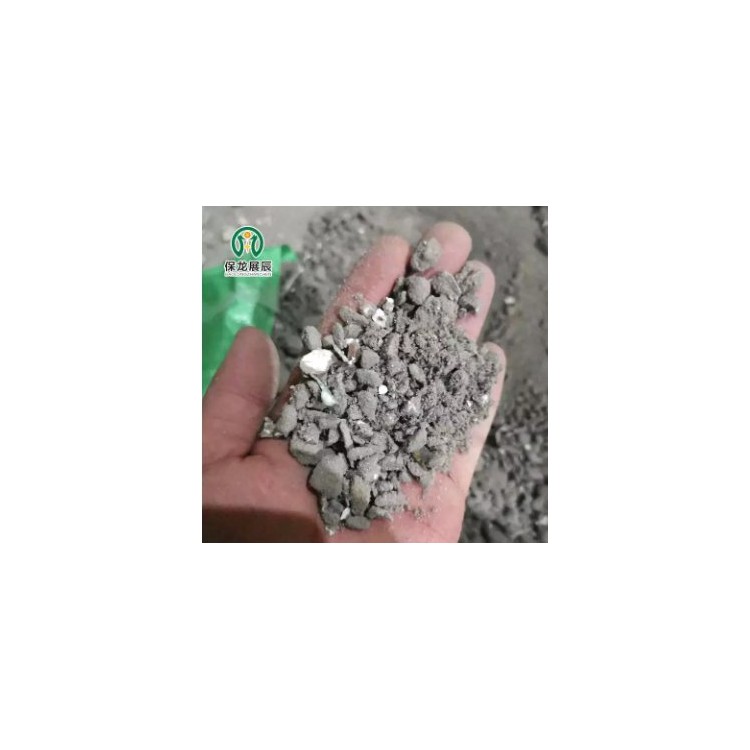
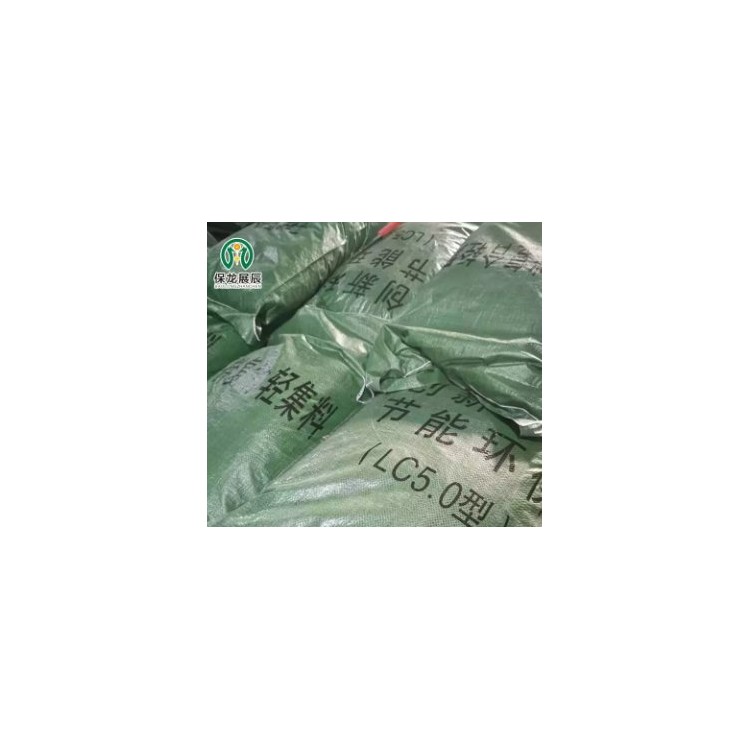
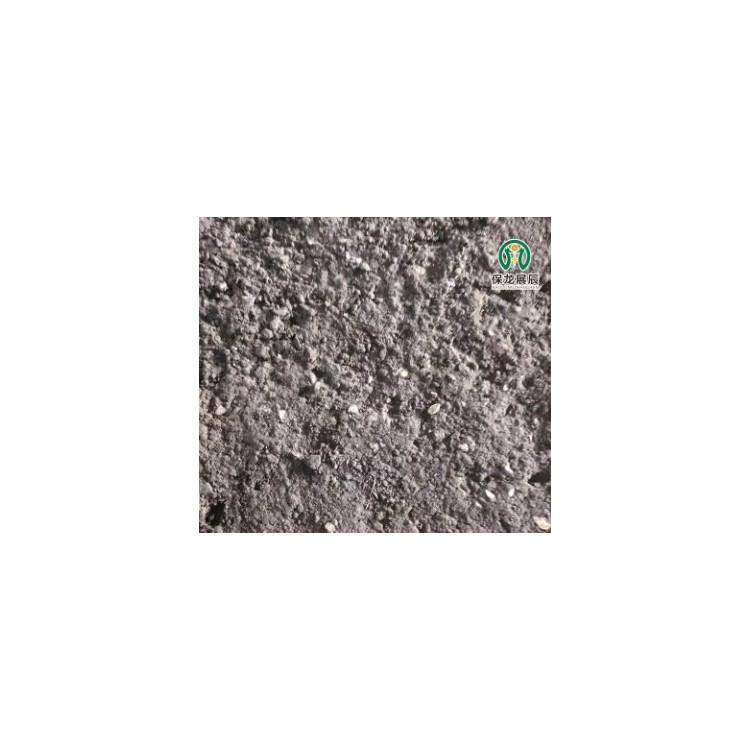
Pre-mixed subbase powder is a uniformly dry mixed powder made from cement, fly ash, and additives by the factory; composite lightweight aggregates are made from crushed...
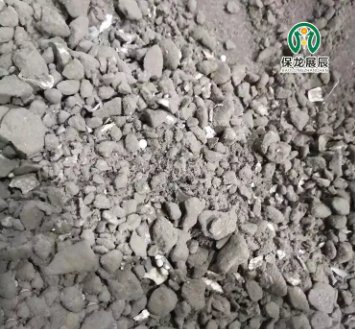
Composed of crushed waste granules and inorganic capsule materials, mixed with pre-mixed layer powder and water on-site for blending and stirring.
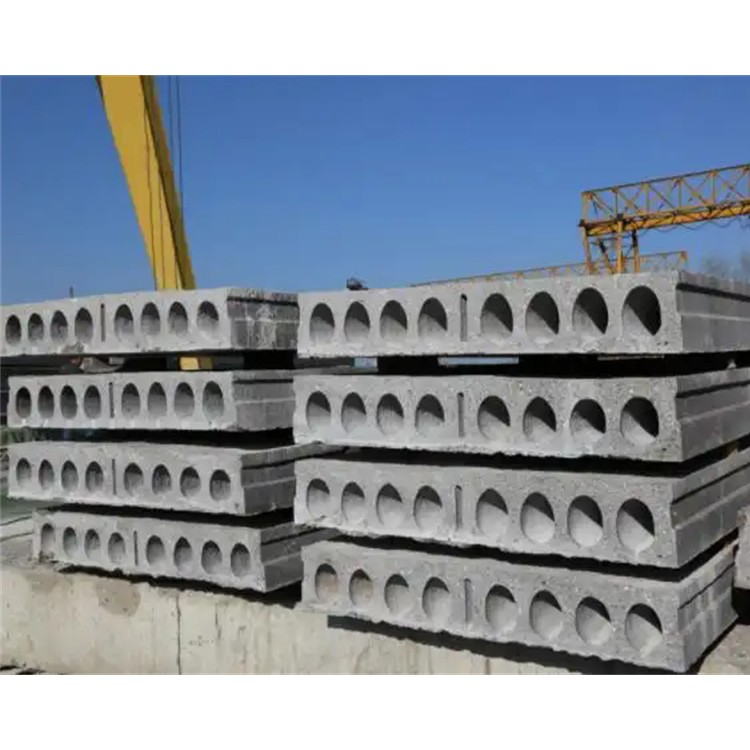
Dry plate composite lightweight aggregate concrete boasts outstanding advantages such as light weight, good processing properties, quantitative packaging without on-site weighing, and simple mixing process. The surface can bear loads, can be laid with drainage slopes according to drainage requirements, greatly facilitating design and construction.
II. Construction Method
Substrate Preparation: Treat the floor substrate before laying the composite lightweight aggregate bedding, remove loose concrete and mortar adhered to the substrate using a chisel, scrub off the cement paste with a wire brush, and then sweep clean with a broom.
Seek high elasticity level control line: Measure the sub-layer level from the +50cm level line on the wall, and if possible, stretch it around the walls.
Stir: First, add an appropriate amount of water to the blender, then mix in one bag of pre-mixed base powder, stir until a uniform slurry forms. Add another bag of composite lightweight aggregate and continue stirring to create a uniform mixture, ready for application.
Laying, tamping, or rolling: Spread the mixed composite lightweight aggregate sublayer, use a shovel to lay the sublayer on the base layer, leveling it to the height of the already prepared leveling blocks, 3mm higher than the leveling blocks, then compact it with a flat plate tamper.
The equipment is compacted and leveled. If the thickness is thin, the area can be compacted with a shovel and a special wooden board as it is laid, followed by leveling with a long beam, smoothing with a wooden trowel, or compacting with a rolling pin. The entire process must be completed within 3 hours.
Section 3: Important Notes
Construction temperature above 5℃
Prohibited use of outdated mortar; protection must be ensured upon completion of construction; surface layer application is only allowed after a minimum temperature of 3°C is reached.
Do not collide with door frames, pipeline, and finished interior wall finishes during construction.
After pouring and the curing time has been met, you may proceed with the surface layer construction. If you continue with the work, cover and protect it, avoid mixing mortar or storing paint buckets on the sublayer to prevent contamination, which may affect the bonding strength between the surface layer and the sublayer, leading to hollowing of the surface layer.