






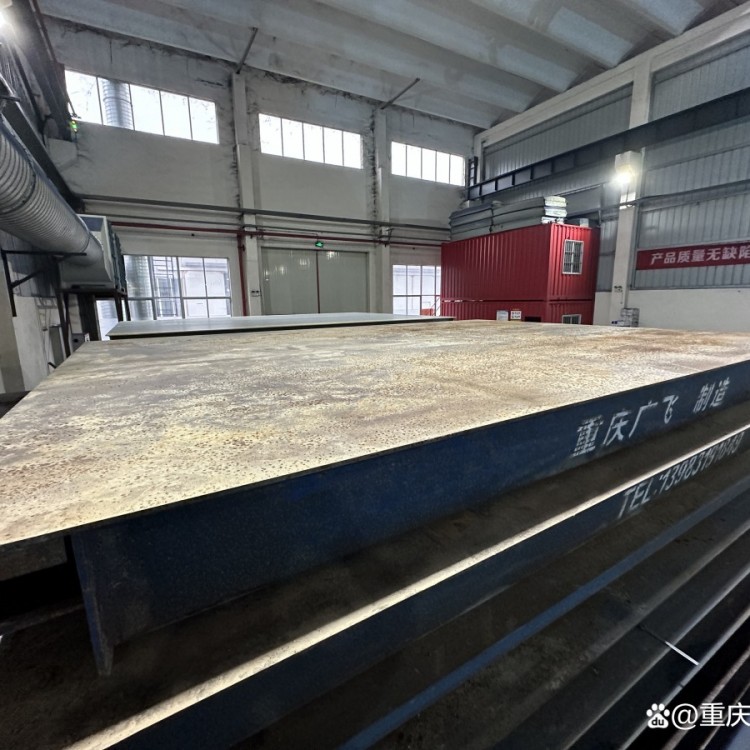







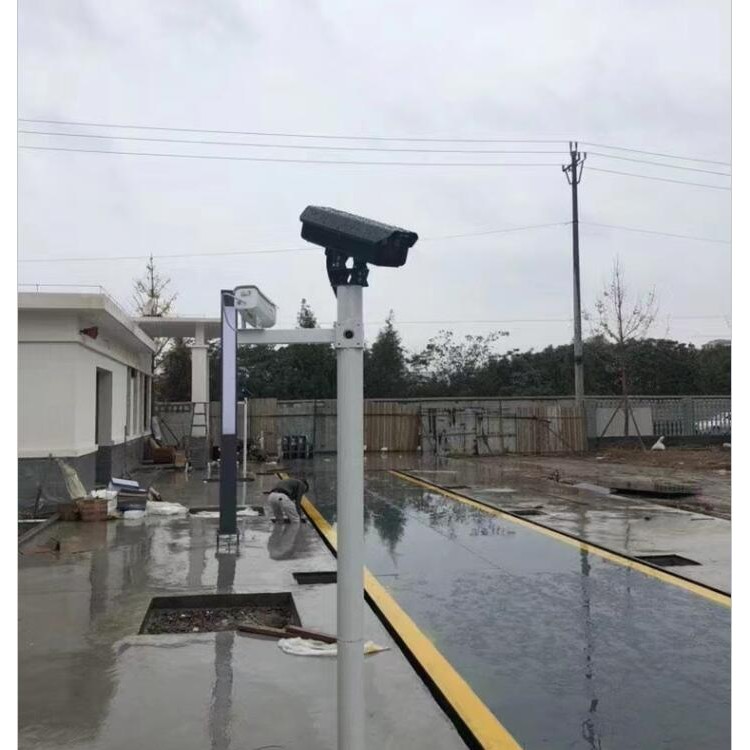

The characteristics of the weighbridge:
Digitalization
Digital Weighbridges Solve Signal Weakness and Interference Issues -- Digital Communication
The output signal of analog sensors is typically in the tens of millivolts. During transmission of these weak signals through cables, they are highly susceptible to interference, which can lead to unstable system operation or reduced measurement accuracy. In contrast, the output signal of digital sensors is usually around 3-4V, offering hundreds of times more interference resistance than analog signals, effectively solving issues related to weak transmission signals and interference.
② Utilizes RS485 bus technology for long-distance signal transmission, with a distance of no less than 1,000 meters.
③ The bus structure facilitates the application of multiple weighing sensors, allowing up to 32 sensors to be connected within the same system.

Smartened-up
Digital weighbridges solve the issues of temperature influence on overloading and the time effect creep—intelligent technology:
Prevent cheating by altering the weighing signal size using simple circuits.
②The digital weighbridge can automatically compensate and adjust for the effects of uneven loading and temperature changes. It offers good consistency and interchangeability. After connecting multiple sensors in parallel to form a scale, linear, correction, and performance compensation can be achieved through software methods, reducing system errors and simplifying the on-site installation, calibration, and adjustment of the weighing body.
③ Automatic fault diagnosis and error code prompt function
④ When a load is applied to a weighing sensor for an extended period, its output often experiences significant variation. Digital weighing sensors automatically compensate for creep through software within their internal microprocessors.