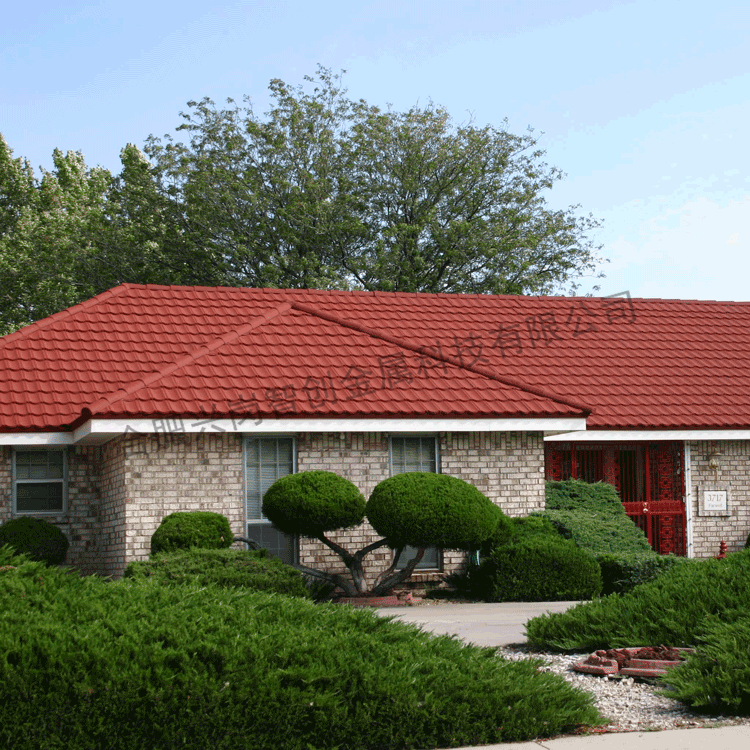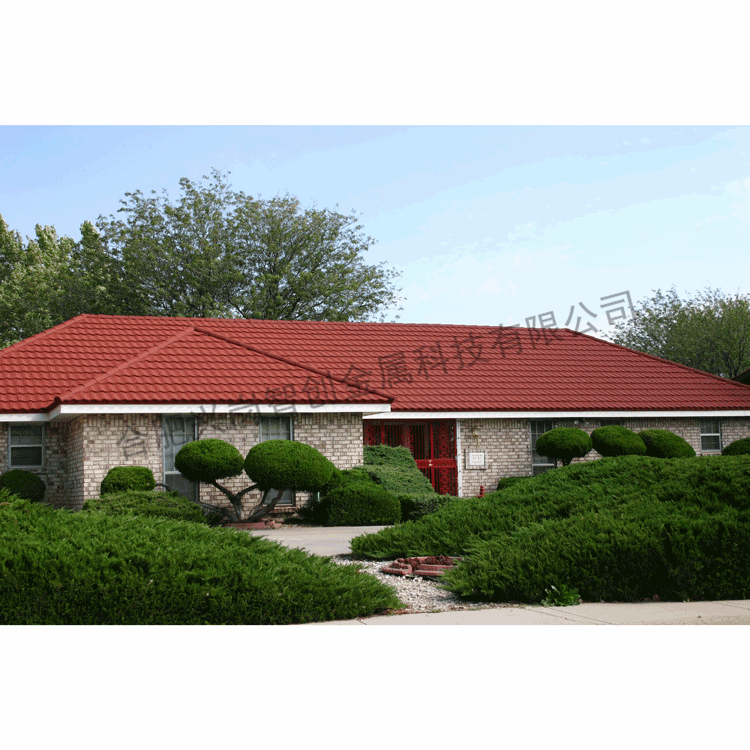














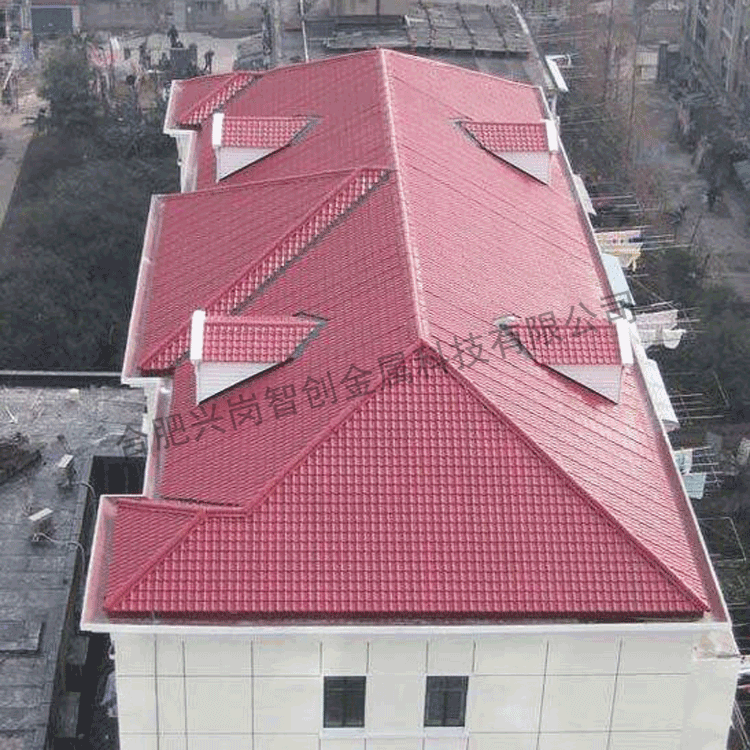

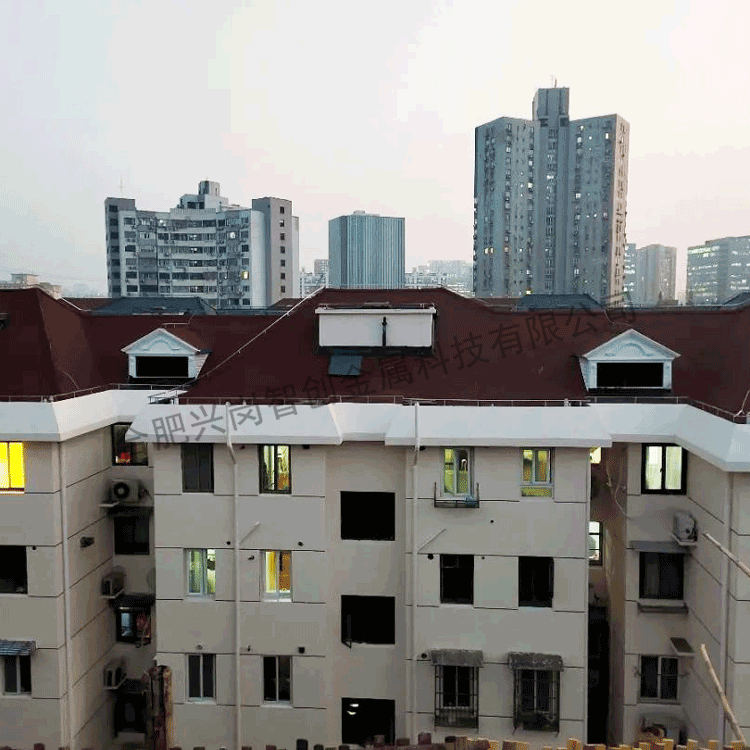
Flat roof to sloped roof conversion

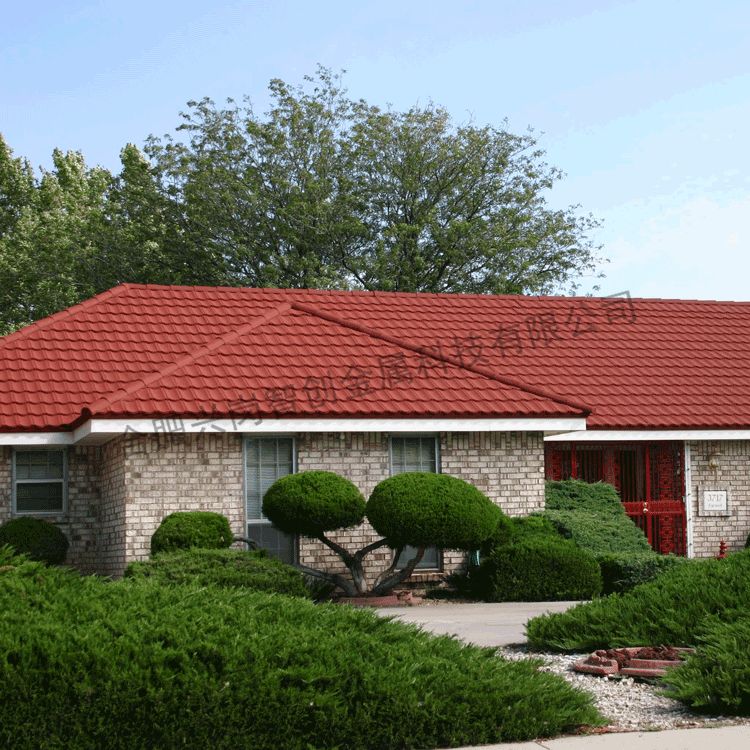
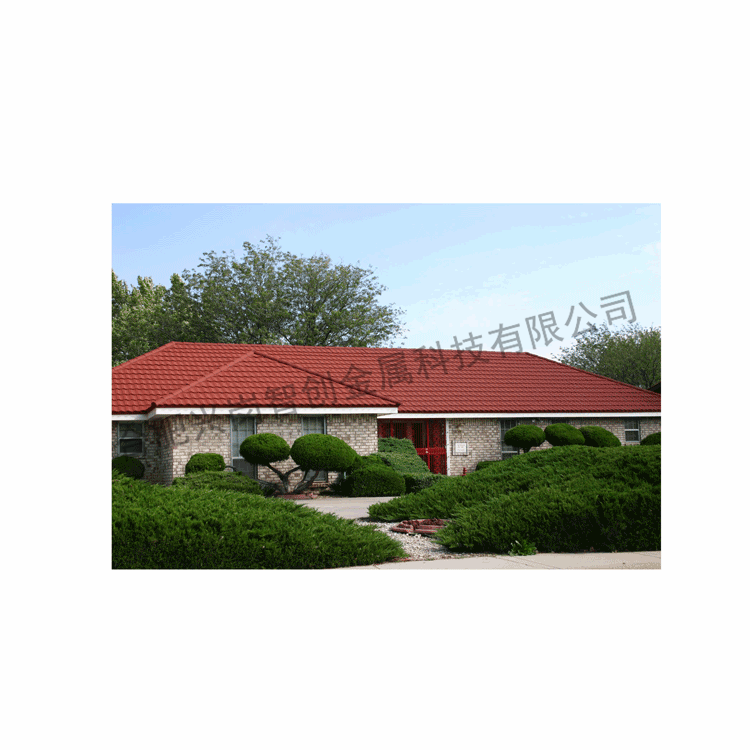
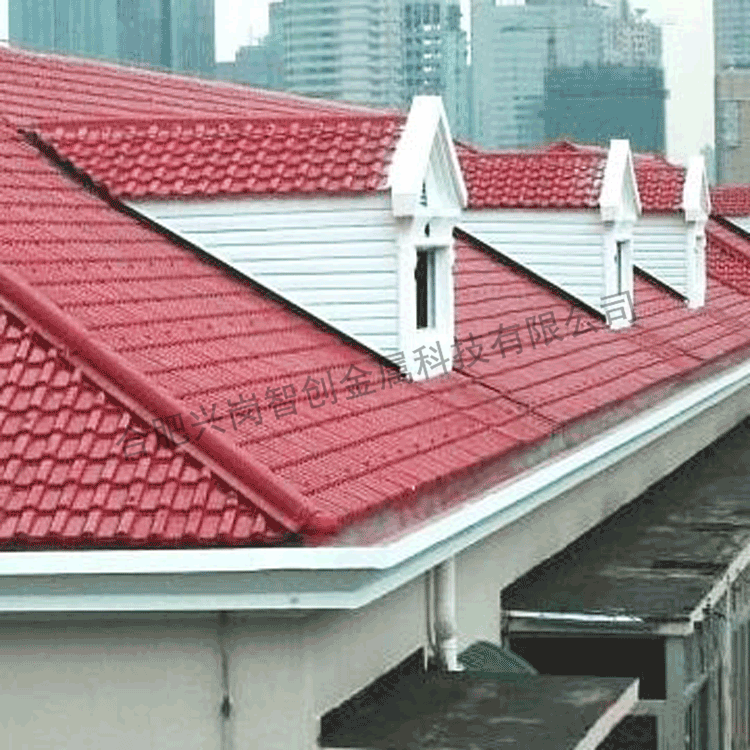
Roof slope conversion methods include: adding new layers, constructing a sloping roof, and installing roof panels, etc.
Reasons for Changing the Slope of a Building's Rooftop Flat to Pitched
Roof flat designs typically feature a flat or sloping surface, but due to terrain and design factors, roof accumulation of water may occur, leading to potential leakage and damage to the building structure.
To address this issue, the building's roof needs to be modified to create a sloped surface.
Section II: Methods for Roof Slope Conversion from Flat to Pitch
1. New addition to the building
This is a common method to address insufficient roof pitch, which involves adding an extra layer to the existing roof to alter the pitch by increasing the roof height. However, this approach has certain drawbacks, such as requiring a structural redesign, increasing the building's weight, and raising construction costs.
2. Constructing Pitched Roof Structures
Gable roofs typically slope in one direction, providing a certain pitch to the roof to prevent water accumulation. This is also a commonly used method for adjusting roof pitches, often employed for the slope adjustment of new residential roofs.
3. Additional Roof Panel Materials
By adding roof panels and leveling the roof, the goal of converting a flat roof to a sloped one can be achieved. This method is relatively simple and cost-effective, but it requires selecting the appropriate panels to ensure the roof's strength and waterproofing performance.