











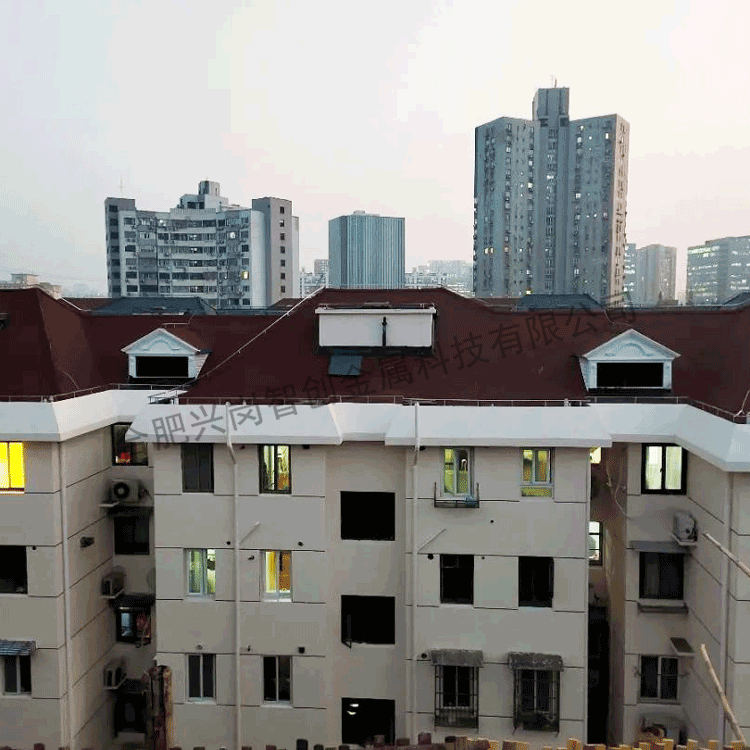
Roof flat to sloping conversion
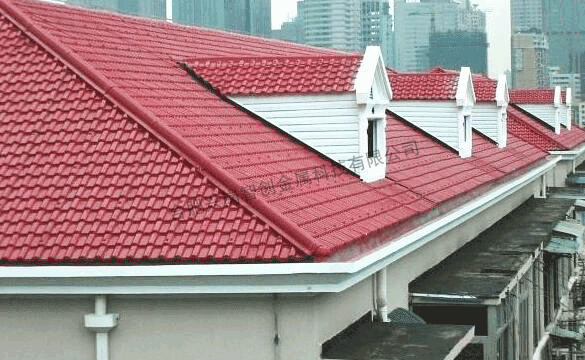
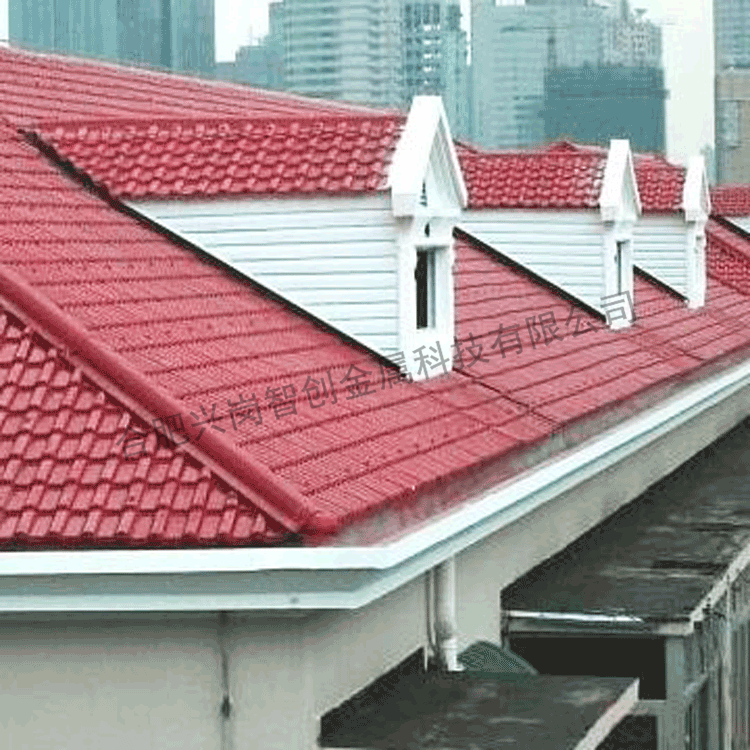
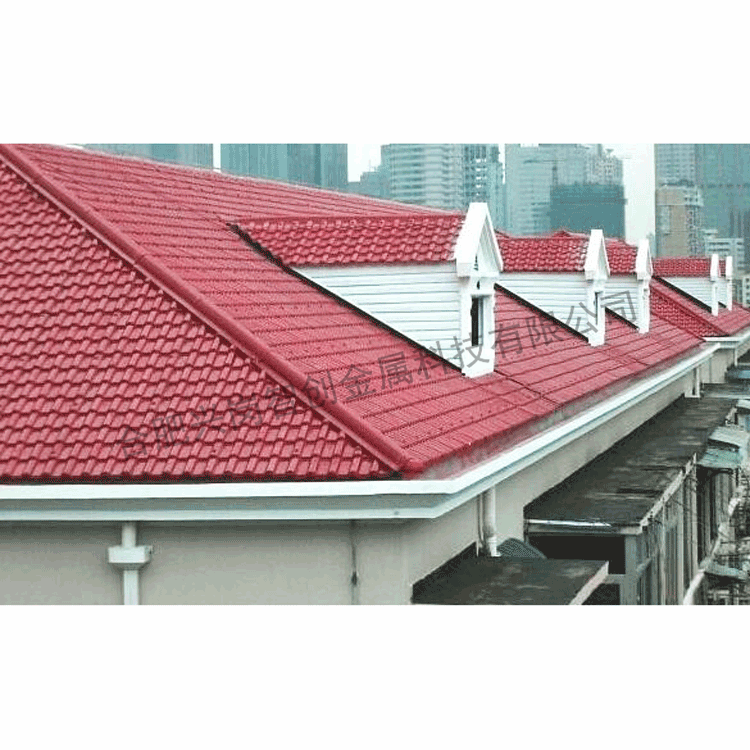
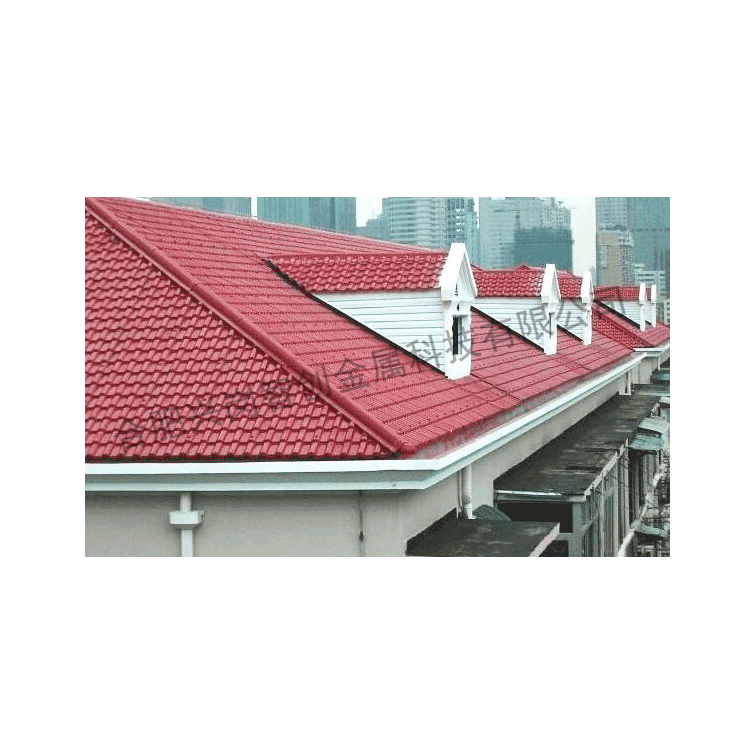
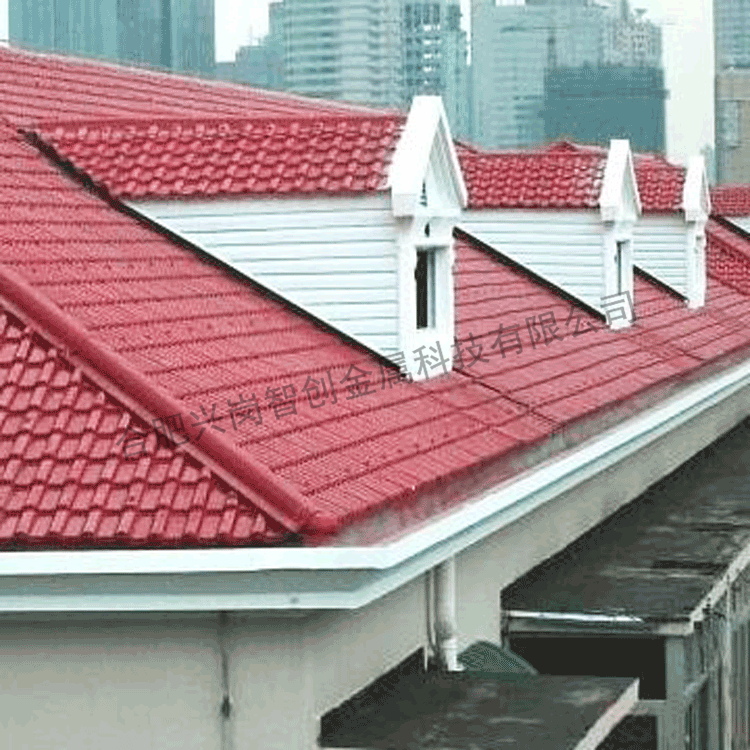
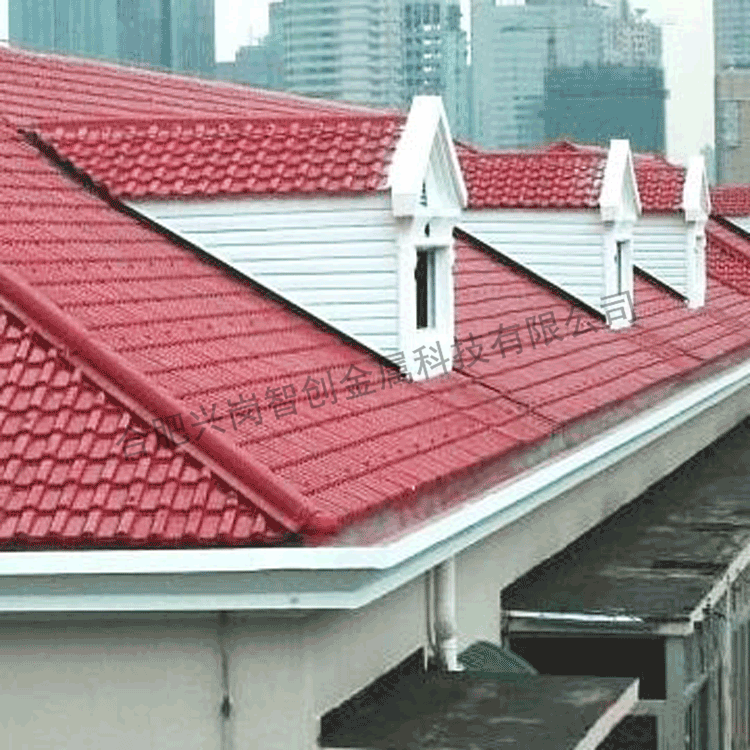
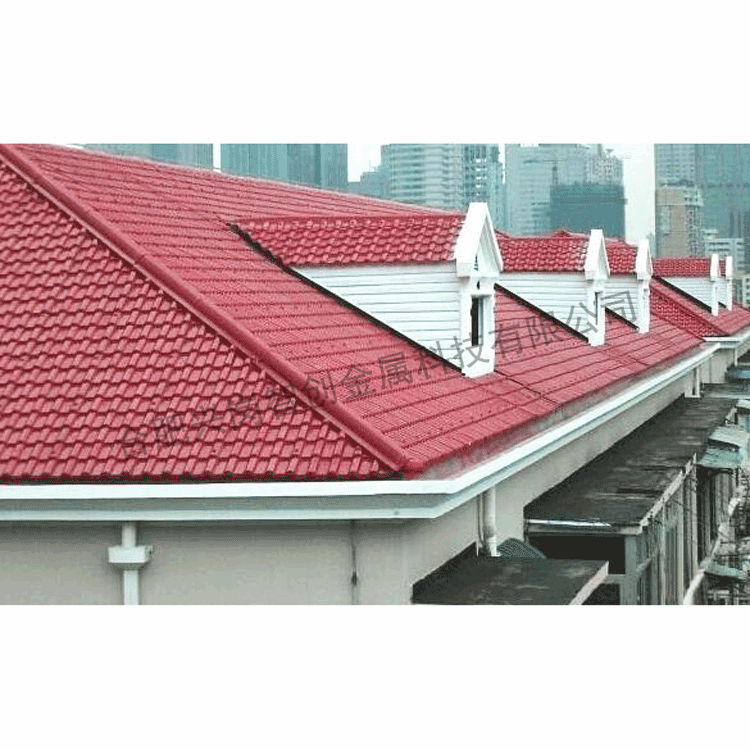
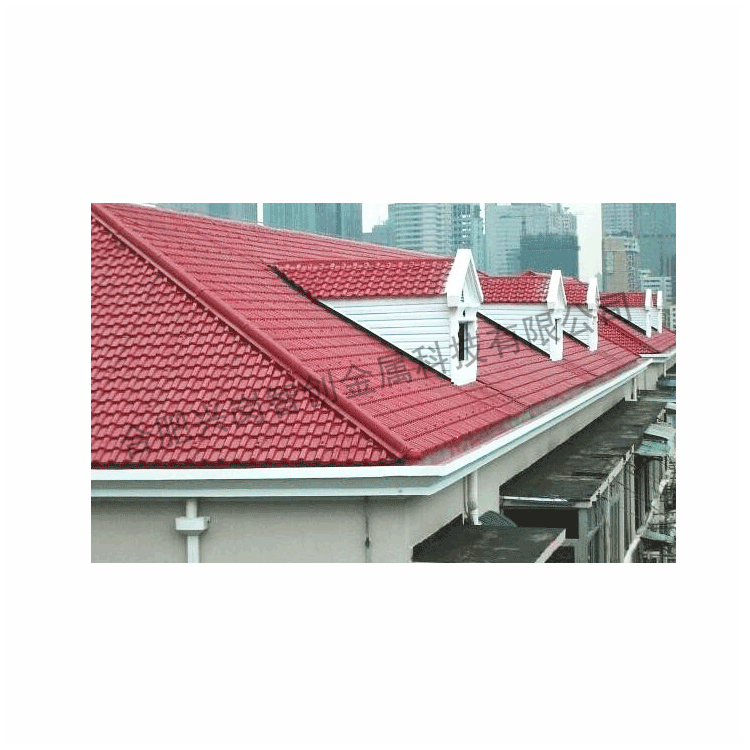
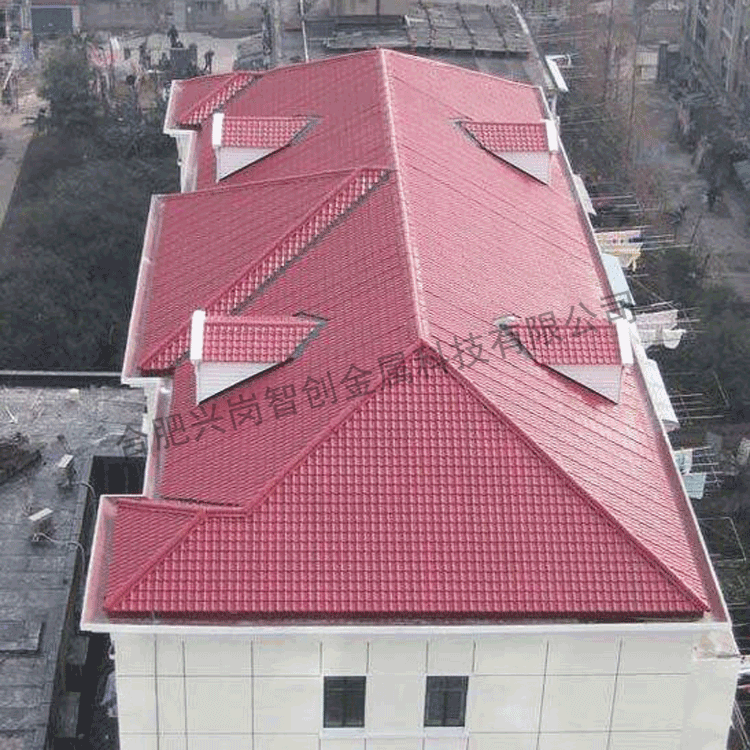
Roof flat-to-pitched conversion refers to the process of transforming the flat roofs of multi-story residential buildings into pitched roofs under the approval of the building structure, while also renovating and redecorating the exterior facade to enhance the performance and visual appearance of the residential property. This renovation measure aims to address issues such as roof leaks and poor insulation in flat-top buildings, while also improving the aesthetic appeal and comfort of the living space.
Purpose and Effect:The primary goal of flat-to-pitched roof conversion is to enhance the performance and visual aesthetics of residential buildings. By changing a flat roof to a pitched one, it effectively resolves issues like water leakage, improves thermal insulation and heat resistance, and simultaneously beautifies the urban landscape, making the building's exterior more diverse and attractive.
Application Range:Flat-to-slope conversion is applicable to the renovation of existing residential roofs, including legally owned individual houses and residential community buildings. However, flat-to-slope conversion is prohibited for buildings with illegal construction, discrepancies between the current condition of the house and the registration in the property certificate, structures included in the house acquisition project within the past three years, and buildings with unsafe structural conditions.
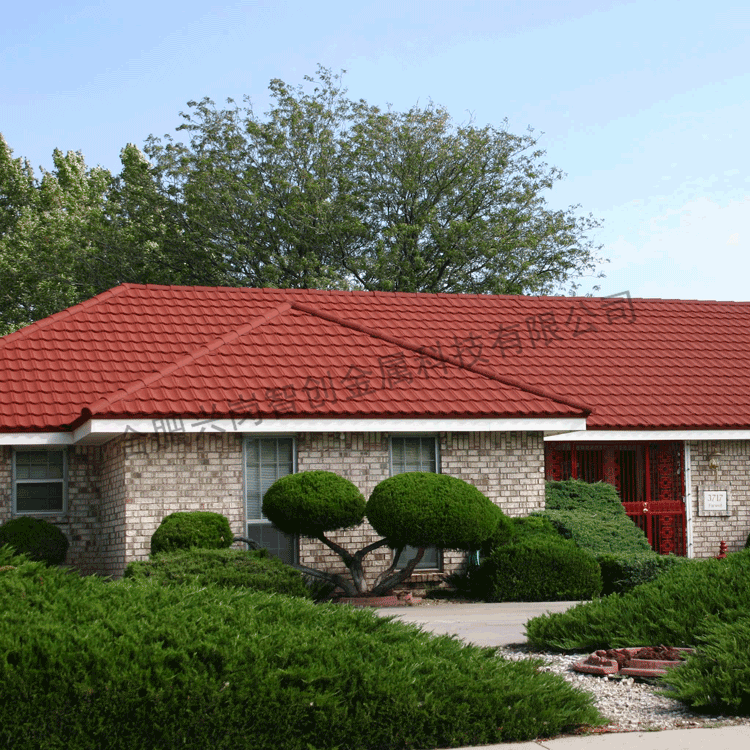
Design Requirements:Designs must comply with relevant laws and regulations. The roof style should preferably be traditional, such as gable roof, hipped roof, and suspended roof, etc. When adding a sloping roof, consider the local architectural style.
In summary, the conversion of flat roofs to sloped roofs is a comprehensive house renovation activity, aimed at enhancing both the performance and appearance of residential buildings, while beautifying the cityscape and improving the living environment for residents.