



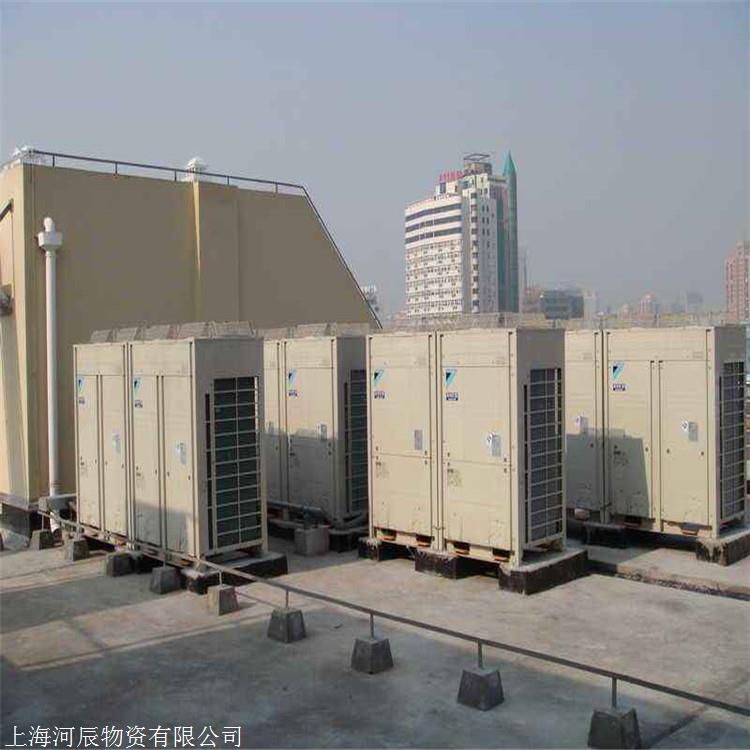













Nanchang Purchasing Industrial Air Conditioners - Water-Cooled Screw Chiller Units Recycling
Suzhou + Wuxi - Nanjing + Changzhou + Shanghai + Hangzhou + Jiaxing + Ningbo - Absorption Lithium Bromide Air Conditioning Units Recycling, purchasing all types of second-hand household, commercial, and industrial air conditioning units, air conditioning systems, lithium bromide units, lithium bromide refrigeration units, and lithium bromide air conditioning units from domestic and imported brands, as well as recycling and dismantling services. Also includes recycling services for old air conditioners, unitary air conditioners, centralized air conditioners, multi-split air conditioners, water-cooled air conditioners, ground-source air conditioning, water-source heat pump air conditioners, ground-source heat pump air conditioners, and DC inverter air conditioners.
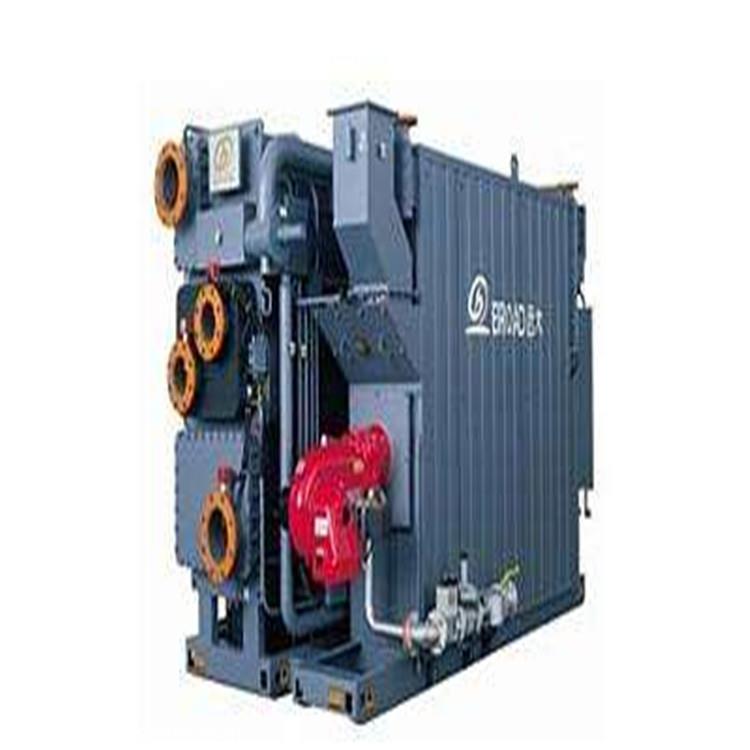
Nanchang purchasing industrial air conditioners
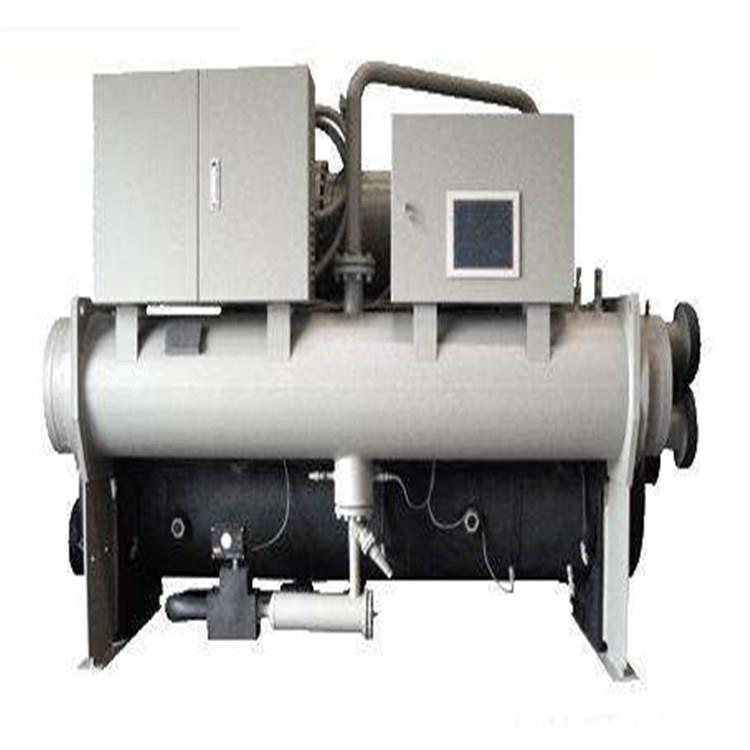
Water-cooled air conditioning unit low oil pressure differential: Causes: (1) Oil filter clogged. (2) Oil pressure regulating valve (bleed valve) fully open. (3) Decreased output oil volume from the oil pump. (4) Bearing wear. (5) Oil pressure gauge (or sensor) malfunction. (6) Excessive refrigerant mixed in the lubricating oil (due to oil foaming during startup, resulting in low oil pressure). Solutions: (1) Replace the oil filter element. (2) Close the oil pressure regulating valve to raise the oil pressure to the rated value. (3) Disassemble and inspect. (4) Replace the bearing after disassembly. (5) Check the oil pressure gauge, recalibrate the pressure sensor, and replace if necessary. (6) After the refrigeration unit stops, make sure to turn on the oil heater to maintain the given oil temperature (confirm that there are no breaks in the oil heater, and the setting value for temperature control is correct). Air conditioning unit oil temperature too high: Causes: (1) Reduced cooling capacity of the oil cooler. (2) Insufficient supply of refrigerant for cooling due to clogged refrigerant filter mesh. (3) Bearing wear. Solutions: (1) Adjust the oil temperature regulating valve. (2) Clean the refrigerant filter mesh. (3) Disassemble and repair or replace the bearing after disassembly.
Industrial Air Conditioning Recovery: Long-term supplier of air conditioning recovery services for various industrial facilities including chemical plants, printing plants, garment factories, power plants, cement factories, paper mills, machinery factories, pharmaceutical factories, foundries, processing plants, steel rolling mills, electronic factories, and food factories.
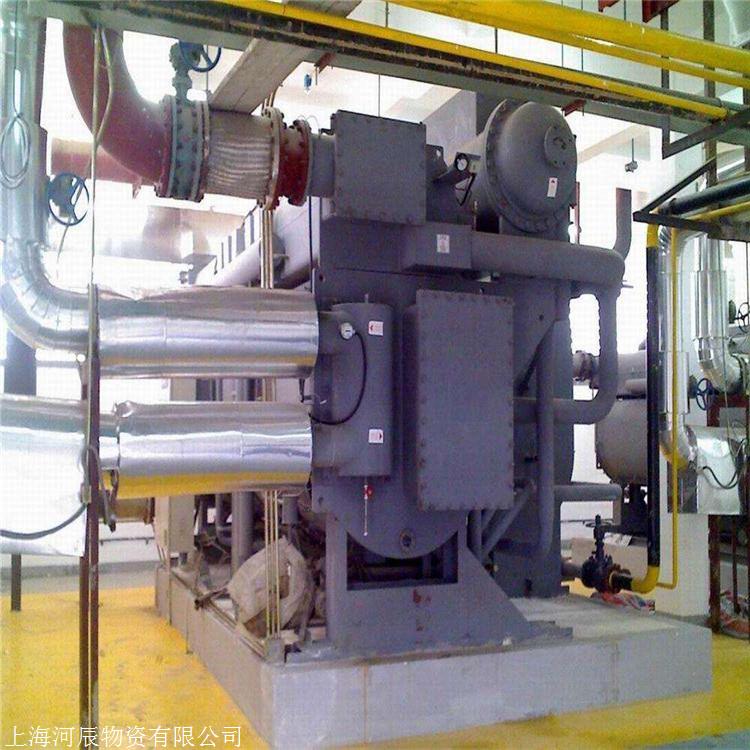
Nanchang Water-Cooled Screw Chiller Units Recycling
Electric transformer recycling, dry-type transformer, cabinet transformer, contactor recycling, vacuum circuit breaker recycling, current transformer, voltage regulator, rectifier, imported silicon steel sheet, silicon steel sheet, electrical equipment, whole set of Czochralski furnace equipment, Czochralski pull-type single crystal furnace, multicrystalline furnace equipment, Czochralski pull-type single crystal furnace, sapphire Czochralski furnace equipment recycling, recycling air conditioners, chiller units, air-cooled units, lithium bromide units, recycling elevators, escalators,观光 elevators, car-specific lifts, old-style cargo lifts, recycling second-hand boilers, gas boilers, horizontal boilers, heat exchangers, recycling second-hand generators, imported generator sets, Cummins, Daewoo, Dongfeng, etc., recycling cranes, forklifts, containers, machinery and equipment, refrigeration equipment, chemical equipment, lifting equipment, office equipment, hotel equipment, wastewater treatment equipment - Czochralski furnace equipment, pull-type Czochralski furnace recycling, waste Czochralski pull-type single crystal furnace recycling, sapphire single crystal furnace equipment recycling
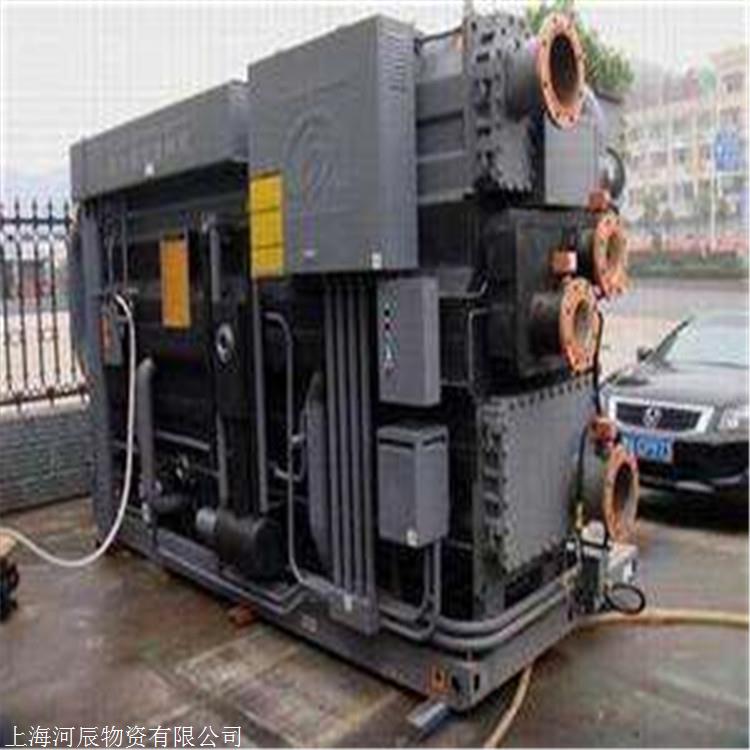
Nanchang
Advanced Air Conditioning Unit Technology: A combination of a two-stage centrifugal compressor and a spray-type evaporator. This design enables the unit to maintain a high energy efficiency ratio during part-load operation and to operate stably in complex environments with significant load variations, greatly enhancing the unit's stability and reliability. Features: High two-stage compression efficiency ratio. Operating range is much wider than that of a single-stage compressor, making it less prone to surge. High refrigeration efficiency; minimal efficiency degradation when load is reduced. Lowers the rotational speed of the compressor impeller, reducing bearing wear. Consequently, it extends the unit's operating life. Avoids compressor surge issues under low-load conditions. Secondly, the spray-type evaporator has a significantly better energy efficiency ratio and maintenance performance than the flooded evaporator, and the amount of R134a refrigerant is relatively low. The refrigerant entering the evaporator sprays downward from above the heat exchange tube array. The liquid refrigerant forms a film on the tube walls and flows downward. A refrigerant circulation pump is used as the throttling device for the refrigerant entering the evaporator, while simultaneously pumping the liquid refrigerant from the bottom of the evaporator to recirculate it, increasing the refrigerant supply above the tube array in the evaporator, ensuring that all copper tubes are covered by the liquid refrigerant. No need to level the unit; general positioning is sufficient for the evaporator to function normally. No major maintenance is required; simply a water system cleaning is needed, resulting in low maintenance costs. Electric refrigeration has a history of over a century, with mature technology and manufacturing processes, easy to use and maintain, and has become a popular product with many users. Centrifugal compressors have an average lifespan of 80,000 hours, the unit is pre-filled with refrigerant and oil, and users can simply connect electricity and water at the site to start using it.
The busbar trunking, developed in the United States and known as the "Bus-Way-System," is a new electrical circuit method. It uses copper or aluminum as conductors, supported by non-flammable insulators, and then mounted in a metal trough to form a new type of conductor. It was first practically applied in Japan in Showa 29 (i.e., 1954), and since then, the busbar trunking has seen development. Today, it has become an indispensable wiring method for electrical equipment and power systems in high-rise buildings and factories. Due to the increasing power needs of various buildings, such as buildings and factories, and the trend of growing demand, the traditional wiring method, i.e., conduit wiring, presents many difficulties during construction. Moreover, it is nearly impossible to simplify the distribution system when changes are required. However, using busbar trunking can easily achieve this goal, and it also enhances the aesthetics of the building. Economically, while busbar trunking is more expensive than cables, it significantly reduces construction costs, especially for high current capacity applications, making this difference even more pronounced. [shxjhs88shhc99]
Next:




















