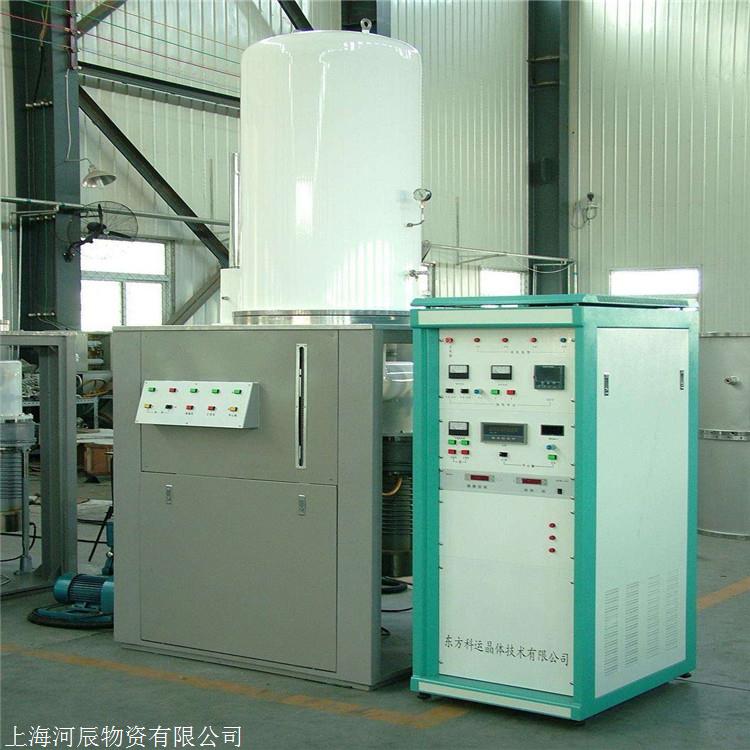
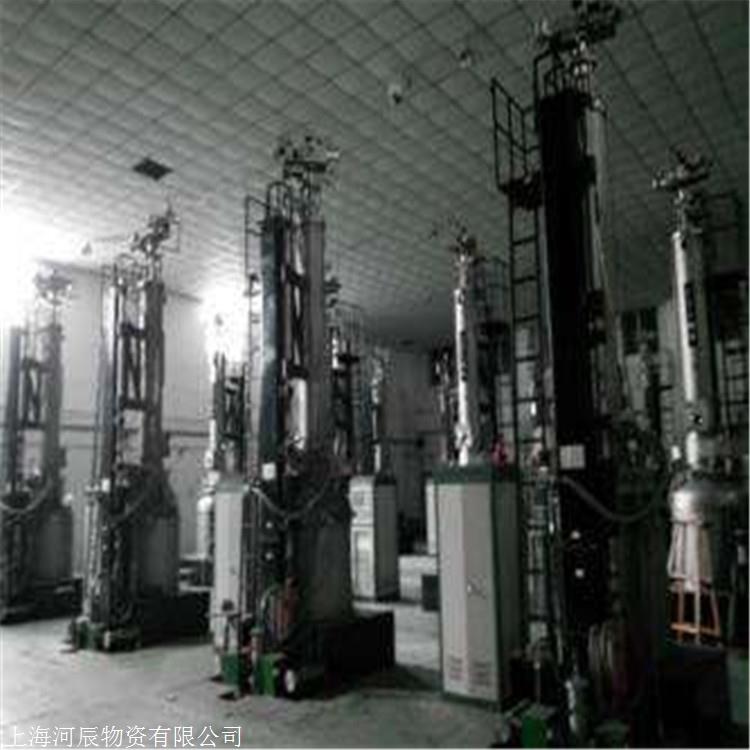











Nanjing horizontal vacuum furnace equipment recycling; Jinhua second-hand long crystal furnace recycling
Single-crystal furnace recycling, used crystal growth furnace filter cabinet recycling, old single-crystal furnaces in Jiangsu, Zhejiang, and Anhui, idle single-crystal furnaces and single-crystal silicon recycling, control cabinet recycling, rectifier cabinet recycling, filter cabinet recycling, complete sets of single-crystal furnaces from domestic brands such as Hanhong, Jinyuntong, Beijing Jingyi, Changzhou Huashengtianlong, Shangyu Jingsheng, Changzhou Jiangnan Power, Ningxia Jingyang, Changzhou Jiangnan, Hanhong, Xi'an Chuanglian, Jinyuntong, Changzhou Huashengtianlong, and others. Industrial equipment recycling, dismantling and recycling of single-crystal furnaces, single-crystal silicon furnaces, single-crystal silicon growth furnaces, single-crystal silicon Czochralski furnaces, polycrystalline silicon smelting furnaces, blast furnaces, hot blast furnaces, medium-frequency furnaces, rectifier cabinets, medium cabinets, variable-frequency cabinets, silicon rectifier switch cabinets, capacitor cabinets, busbars, busbar plates, cables, and factory workshop electrical equipment removal and recycling services.
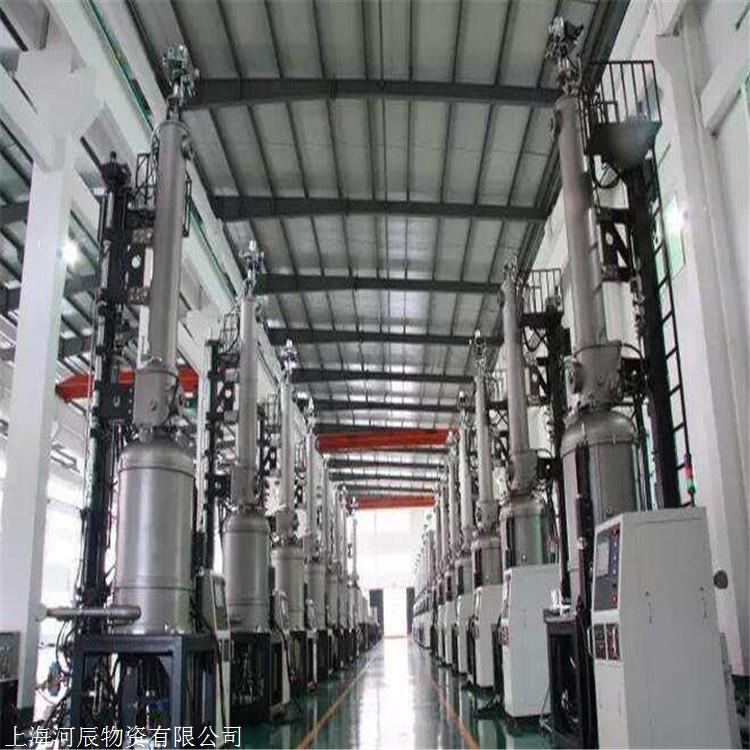
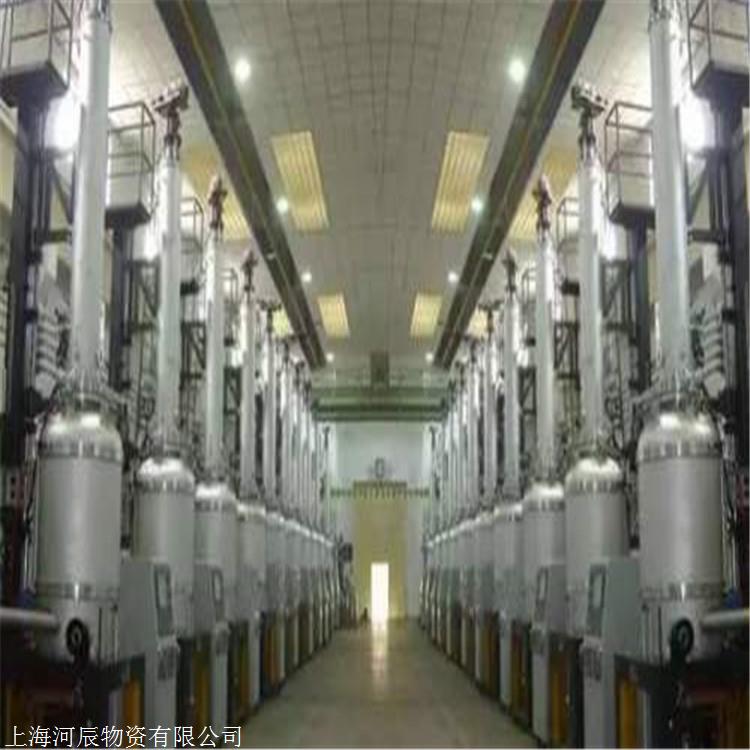
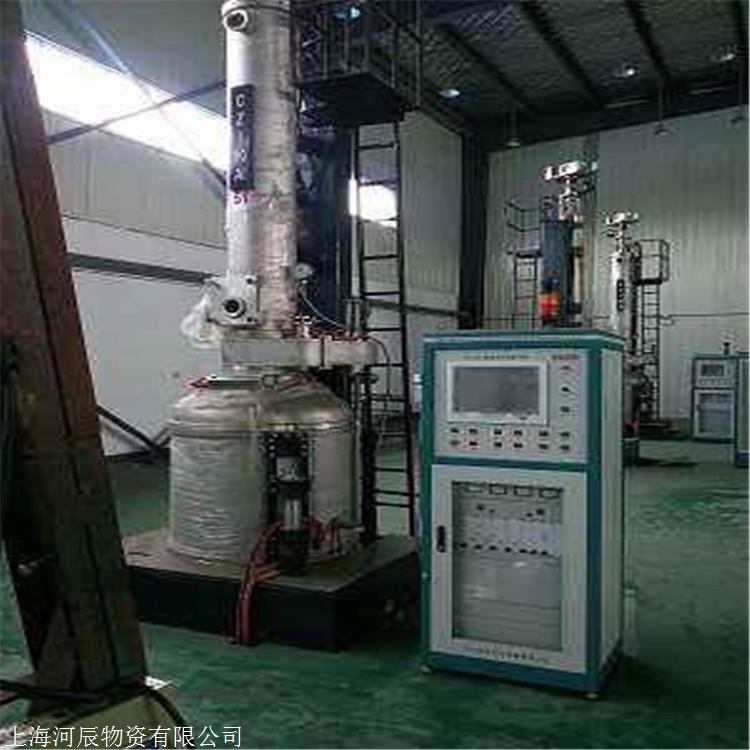
Fully automated control system with modular design for easy maintenance, high reliability, and good anti-interference capability. Dual cameras for real-time collection of crystal diameter information. Liquid level temperature measurement ensures consistent seed crystal temperature and reproducibility. Optional control of furnace temperature or heating power for precision temperature control. Mass flow meter controls argon gas flow. High-precision vacuum gauge combined with electric butterfly valves for real-time control of furnace vacuum. Upper weighing sensor for auxiliary control of crystal rod diameter. A mix of servo and stepper motors for required torque and speed control. Mass flow meter controls argon gas flow. Proprietary control software with a Windows-based platform for easy and intuitive operation. Multiple curve and data cross-analysis tools provide a platform for real-time process monitoring. Complete process setting interface allows computers to automatically complete almost all process steps. Green longitudinal 12-pulse DC power supply for heating sources, saving nearly 15% more energy than traditional DC power sources. Special temperature field design increases crystal pulling speed by 20-30%. Sapphire crystal pulling furnace recovery, multicrystalline silicon ingot casting furnace recovery, crystal pulling furnace recovery, multicrystalline crystal pulling furnace recovery, horizontal crystal pulling furnace recovery, and recovery equipment for various crystal pulling single crystal furnaces such as 85/90/95/100 types. Molecular pump recovery, vacuum pump recovery, vacuum flowmeter recovery, PLC programming recovery, control panel recovery, ion pump recovery, turbo molecular pump recovery, screw vacuum pump recovery, centrifugal high vacuum pump recovery. Silicon wafers are an essential material for the production of integrated circuits. Through processes like photolithography and ion implantation, various semiconductor devices can be manufactured. Chips made from silicon wafers have astonishing computational power. The development of science and technology continuously drives the advancement of semiconductors. The development of automation and computer technology has reduced the cost of high-tech products like silicon wafers (integrated circuits) to an extremely low level. This has made silicon wafers widely used in aerospace, industry, agriculture, and have quietly entered every household. Introduction to silicon wafer recycling and utilization: Silicon wafer recycling and reuse involves separating useful substances from waste through physical or mechanical processing into reusable products, such as waste glass, waste metal, silicon wafers, and waste battery cells. Recycling and reuse of waste battery cells refer to the method of re-production.

Nanjing horizontal vacuum furnace equipment recycling; Jinhua second-hand crystal growth furnace recycling
Reclaimed air conditioners, condensers, transformers, capacitor cabinets, wires and cables, power transmission and distribution equipment, distribution boxes, reclaimed transformers (dry-type, oil-type, box-type), elevators, air compressors, high-voltage switches, current transformers, reclaimed UBS batteries, motors, compressors, machinery and equipment, kitchen equipment, hotel equipment, office equipment, reactors, voltage regulators, high-voltage cabinets, low-voltage cabinets, start-up cabinets, generator sets, production lines, mobile buildings, distribution cabinets, purchase of switches, condensers, forklifts, cranes, factory cranes, containers, etc.
Regarding the characteristics of this diode, the specifications should be outlined in the specification sheet. However, please note that it is a diode, not a voltage regulator, and do not get confused by the voltage regulator's diagram. In the second scenario, be aware that it is a Schottky diode, and the symbol marked in the diagram is incorrect. Some components may have such integrated configurations, and there will definitely be relevant parameter descriptions in their parameter table, namely: the voltage and current parameters of the Schottky diode. Everyone should pay attention to the relevant parameters when identifying components. Another possibility is the voltage regulator feature indicating the breakdown area of the field-effect transistor. Of course, as a manufacturer, they will not provide any warranty for this characteristic of the field-effect transistor.
Preparation before brake adjustment: Switch the elevator to maintenance mode and open the car upward so that the counterweight rests on the support. Check the transformer voltage of the braking circuit and ensure the AC voltage meets the requirements of the schematic diagram. Verify that the safety circuit is effectively disconnected, cut off the main power, and execute the locking program. Press the emergency stop switch on the control cabinet and/or any other emergency stop switches. Remove the machine cover, clean the main unit, and check that the brake arm and all other moving parts are free of rust. All moving parts must be able to move and rotate freely. If necessary, disassemble the brake and clean and lubricate it. Reassemble the brake in its original condition. Note: The locking program must be strictly followed.
Voltage present, short circuit between SW1 and the relay (point B); no voltage, short circuit further away after the relay. Close SW1, measure voltage using a jumper wire with a fuse bridging the closed relay. Voltage present, short circuit after the relay circuit or between the relay and the open solenoid valve (point C); no voltage, return to the check steps and inspect the fuse box power source. Check circuit short circuit with a multimeter——open circuit detection method. Disconnect the negative terminal of the battery and remove the blown fuse. Disconnect all loads powered through the fuse (SW1 open, disconnect the relay and solenoid valve). Connect one probe of the ohmmeter to the load side of the fuse port, and the other probe to a known good ground.